

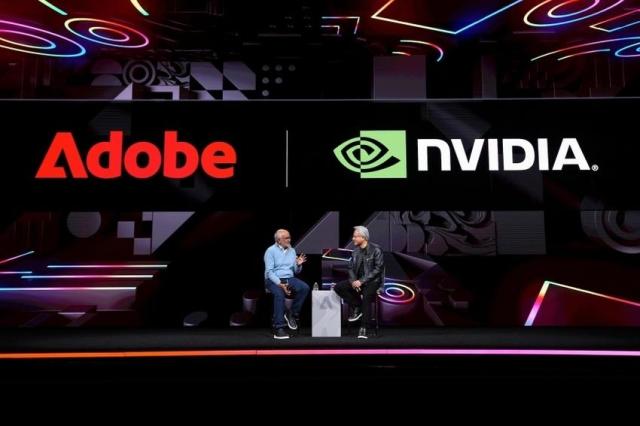
At the opening-day keynote of Adobe Summit in Las Vegas on April 20 (local time), Adobe introduced “Adobe CX Enterprise.” The system is designed to let companies manage personalization and execution by linking customer data, brand assets and multiple customer touchpoints. Adobe also said more than 20,000 brands worldwide run their businesses on its platform.
The company’s pitch is that AI is moving from providing “answers” to taking “actions.” Adobe’s “CX Enterprise Coworker” is built to coordinate AI functions and tools around goals set by a company, create plans, support execution after approval, and monitor results. Adobe said the process operates under human oversight and control.
Narayen said corporate competitiveness will depend less on how quickly a company adopts general-purpose large language models than on how precisely it reflects its own data, content and brand standards in AI. Adobe said it is offering features that apply brand guidelines while also helping tailor experiences based on customer responses, signaling a shift beyond creative tools toward broader brand operations and customer experience management.
Huang said generative AI is the stage where systems produce sentences and images, while agent-based AI is the stage where systems receive goals and carry out actual work. He said enterprise software interfaces and usage will increasingly shift toward AI agents, aligning with Adobe’s execution-focused strategy.
Adobe also outlined its partnership with Nvidia, saying it plans to connect its system to Nvidia’s AI development tools, runtime environment and open models. Nvidia said it is building an agent-based marketing foundation through cooperation with Adobe and advertising company WPP.
* This article has been translated by AI.
Copyright ⓒ Aju Press All rights reserved.