SEOUL, April 23 (AJP) — South Korea’s economy grew at the fastest pace in more than five years in the first quarter, rebounding sharply from a contraction in the previous three-month period, as feverish demand for semiconductors powering the artificial intelligence boom fueled exports and investment.
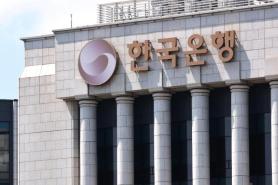
According to the Bank of Korea, gross domestic product expanded 1.7 percent on quarter in the January–March period, marking the strongest growth since a 2.2 percent gain in the third quarter of 2020. The rebound follows a 0.3 percent contraction in the fourth quarter of last year, when a slump in construction investment weighed on overall activity.
The KOSPI heavily led by chip stocks hit new heights, climbing above 6,500 mark by gaining 1.7 percent upon opening thanks to stronger-than-expected growth data and SK hynix earnings report. The Korean won also strengthened, with the dollar at 1,478.20, down 1.3 from overnight.
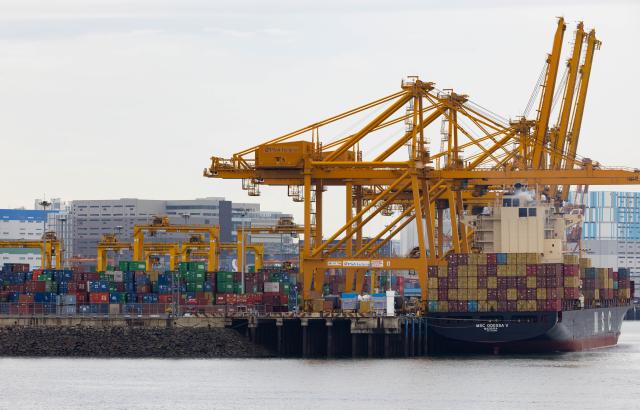
Exports surged 5.1 percent on quarter, led by semiconductors and IT products, as global demand for high-performance memory chips used in AI servers and data centers remained robust. Semiconductor exports have been soaring at triple-digit rates in recent months amid the AI investment boom, underscoring their role as the economy’s main growth engine.
Facility investment rose 4.8 percent as companies ramped up spending on machinery and transportation equipment to expand production capacity, particularly in chipmaking and related industries.
Construction investment, long a drag on growth, also showed signs of recovery, rising 2.8 percent on quarter, supported by base effects and a modest pickup in both building construction and civil engineering projects.
A broad upward trend was also observed across various sectors.
Manufacturing GDP, the backbone of the Korean economy, climbed 3.9 percent, on brisk activity on the assembly lines for computers, electronics, and optical instruments.
This marks the first time the manufacturing sector has surpassed the 3 percent growth threshold since the first quarter of 2022, aided by the semiconductor boom and a base effect following a 1.5 percent decline in the previous quarter.
Construction GDP also rose 3.9 percent, ending a period of stagnation or decline. It is the first time since the first quarter of 2024 that the construction sector has recorded a growth rate above 1 percent.
The agriculture, forestry, and fisheries sector increased 4.1 percent, led by crop production, marking two consecutive quarters of growth.
The domestic demand, however, remained fragile. The services sector added 0.4 percent and private consumption 0.5 percent.
Real gross domestic income (GDI), which reflects actual purchasing power by factoring in terms of trade, recorded a steep 7.5 percent jump - the largest increase in 38 years, since the 8 percent rise seen in the first quarter of 1988. The surge is attributed to a significant improvement in the terms of trade, as export prices and volumes spiked by 28.7 percent and 23 percent in March - also driven by chips.

Copyright ⓒ Aju Press All rights reserved.