

Xinhua, citing Russia’s state-run RIA Novosti, reported on the 24th that Kazem Jalali, Iran’s ambassador to Russia, said Iran is applying exemptions for Russia and some other countries.
“Currently, there are exemptions for some countries,” Jalali said. “I don’t know what will happen in the future, but Iran’s Foreign Ministry is trying to apply the planned exemptions to friendly countries like Russia.”
His remarks came as Iran’s push to charge for passage through the strait takes clearer shape. Iran has been reviewing a fee plan since the war with the United States and Israel, citing the cost of ensuring security in the waterway. Iran’s Islamic Revolutionary Guard Corps has set the lifting of U.S. blockades on Iranian ports and ships as a condition for reopening the strait.
Iran has already collected what it described as its first transit-fee revenue. Hamidreza Hajibabaei, a vice speaker of Iran’s parliament, said on the 23rd that the funds had been deposited into a central bank account.
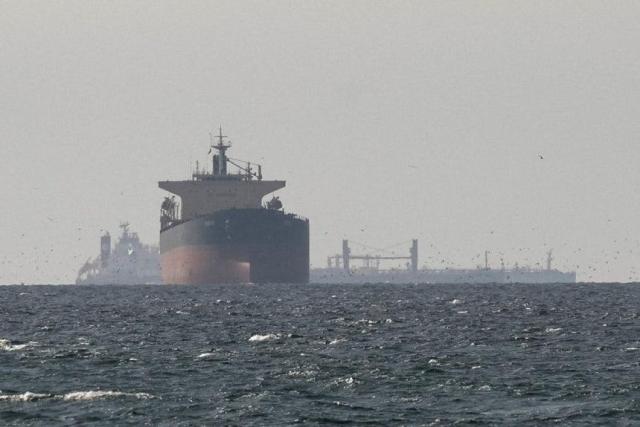
The Strait of Hormuz is a key energy corridor linking the Persian Gulf and the Gulf of Oman. Before the war, about 20 million barrels a day of oil and gas moved through the strait, roughly one-fifth of global oil consumption.
The fee system is fueling debate over Iran’s control of the strait. The Guardian reported that Iran’s 10-point peace plan includes charging up to $2 million (about 2.9 billion won) per vessel. Ships seeking passage would be required to submit information on cargo, destination and beneficial ownership, then pay the fee and obtain approval before transiting a designated route under IRGC escort, the report said.
The reported exemption for Russia underscores Iran’s use of the strait as a diplomatic and economic pressure tool — pressing the United States and the West with fees and demands to lift blockades, while carving out exceptions for friendly countries.
The scope of any exemptions remains unclear. Jalali did not specify whether eligibility would be based on a ship’s flag, its cargo, or how long exemptions would apply. His comment that “I don’t know what will happen in the future” also left unanswered whether Russia’s exemption would be permanent.
* This article has been translated by AI.
Copyright ⓒ Aju Press All rights reserved.