

Marriage has long carried an element of transaction, even when it is wrapped in the language of love. The film “Materialists” captured that idea with a blunt line from a couple manager who builds matches by salary, looks, education and age: “Love is a variable, and marriage is a calculation.”
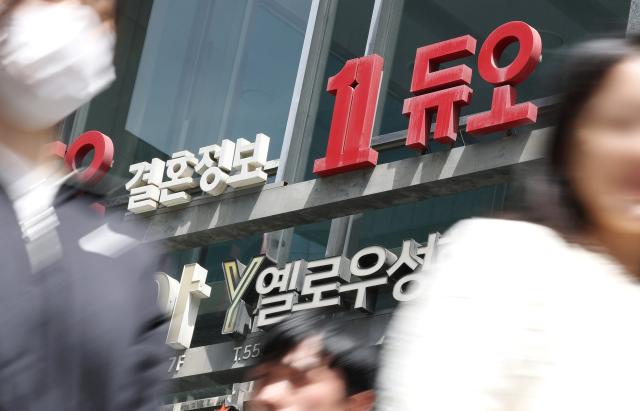
That logic depends on collecting ever more personal information. But the more complete the calculation becomes, the more exposed people can be. A data breach at Duo, South Korea’s largest matchmaking company, laid bare that risk when sensitive personal information on 430,000 members was leaked.
The leaked material went far beyond names and contact details. It included height, weight, blood type and religion, as well as marital history, family relationships, workplace, financial capacity and health status — a profile that can describe a person’s life in numbers.
The breach also raised questions about how such data was handled. Of the 430,000 affected, 300,000 were members whose contracts had already ended and whose data should have been destroyed, the article said. Instead, the information was kept and ultimately fell into hackers’ hands.
The company’s response drew additional criticism. The article said Duo failed to meet a requirement to report the breach within 72 hours after recognizing it, and victims learned of the leak later through news reports.
South Korea’s Personal Information Protection Commission imposed an administrative fine of about 1.2 billion won. Spread across the victims, that amounts to about 2,800 won per person — less than the price of a cup of coffee, the article noted.
The article said the penalty reflects limits in the current system, including rules tied to revenue and reductions based on company size. But it argued the larger issue is why people disclose so much while expecting so little protection in return.
Unlike breaches involving platforms or telecom companies, the article said, the information entrusted to matchmaking firms is not just a record of consumer behavior. It can shape a person’s social standing and identity, and once exposed it can become an irreversible vulnerability.
A scene in the film poses a simple question: “Why do people insist on getting married?” The answer is equally direct: “Because they’re lonely. And because they need hope.”
The article said what people are buying is not a set of conditions but relief from anxiety — reassurance that their choice is not wrong. Matchmaking companies sell that reassurance and, in exchange, accumulate vast power through data.
In a market where marriage is treated as a deal, the article argued, trust should be the most valuable asset. Instead, it said, trust is treated as cheap, and the costs of that complacency fall most heavily on individuals.
* This article has been translated by AI.
Copyright ⓒ Aju Press All rights reserved.