

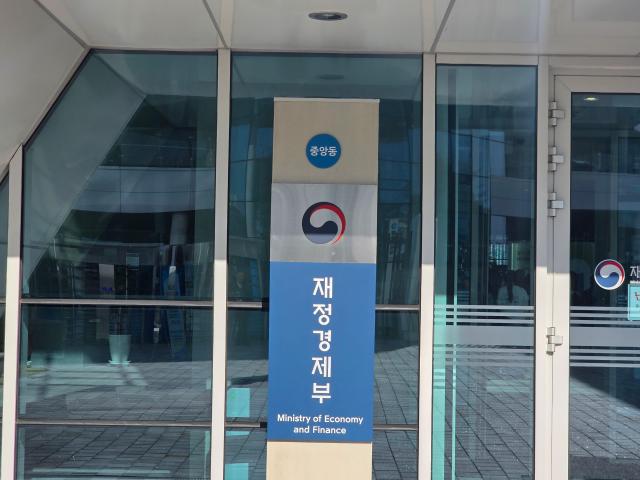
The Ministry of Economy and Finance said on the 29th that lead firms are companies or business groups recognized by relevant ministries as contributing to supply chain stability by introducing, producing or providing items and services tied to economic security under the Framework Act on Supporting Supply Chain Stabilization for Economic Security. Since the law took effect in 2024, a total of 187 lead firms have been designated. The designation period is generally three years from the initial selection date.
The government plans to jointly announce the selection plan for one month starting on the 30th and complete the process by June. Companies or business groups seeking designation must submit a “supply chain stabilization plan” to the relevant ministry by next month’s 29th for review, detailing their business, links to economic security items, plans to diversify sourcing and other stabilization measures, as well as financial status and implementation capacity.
With the situation in the Middle East dragging on, the ministry said stable procurement of economic security items and services has become more important. The government plans to prioritize firms that propose measures such as diversifying import sources, expanding production bases at home and abroad, developing import-substitution technologies, and increasing stockpiles. Final designees will receive benefits including preferential interest rates as priority recipients of support from the Supply Chain Stabilization Fund.
Lee Seung-wook, the ministry’s director general for economic supply chain planning, said recent developments in the Middle East have exposed weak points and bottlenecks in domestic supply chains, making structural improvements for stabilization and diversification more important. He said the government will maintain close communication and consultations with lead firms, which he described as central to domestic supply chain stability.
* This article has been translated by AI.
Copyright ⓒ Aju Press All rights reserved.