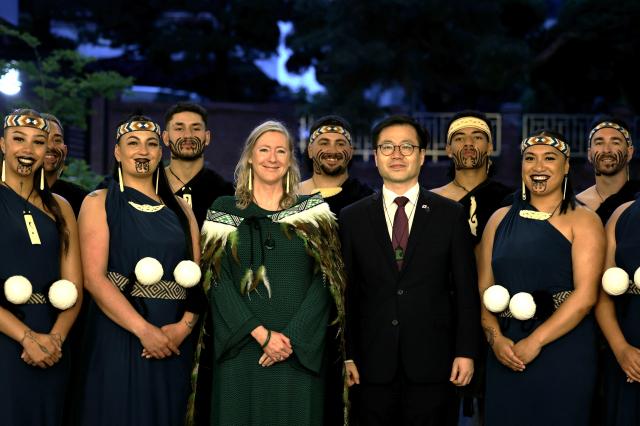
SEOUL, May 08 (AJP) - New Zealand Ambassador Dawn Bennet hosted an evening of traditional Māori performance at her Seoul residence on Thursday, emphasizing the deep-seated societal parallels between New Zealand and South Korea. The event brought together influential guests to witness indigenous cultural displays, signaling a continued commitment to soft-power diplomacy between the two nations.
The two nations share a history that predates their modern economic ties, beginning with the Korean War when New Zealand deployed more than 6,000 personnel to the peninsula, according to the New Zealand Ministry for Culture and Heritage. Today, that relationship is defined by a comprehensive free trade agreement and a shared vision for the Indo-Pacific region.
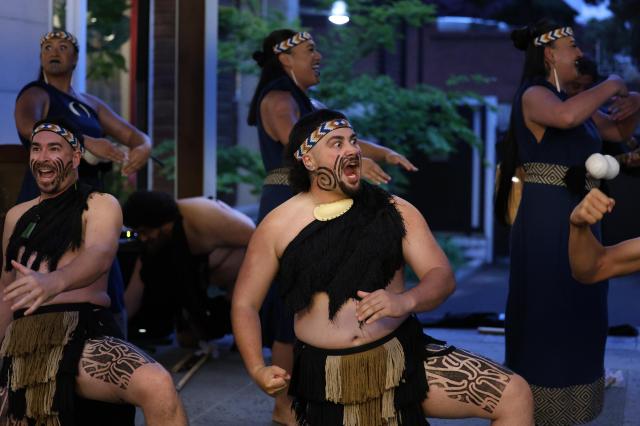
The guest list for New Zealand Culture Night 2026 included approximately 100 South Korean lawmakers, diplomats, scholars, and business leaders. The evening featured a performance by the Hiwa Crew, a group previously recognized for their appearance at the National Museum of South Korea during the Mana Moana exhibition.
The performance focused on kapa haka, a Māori performing art that combines vocal music, rhythmic movement, and storytelling. Bennet explained that the art form is essential for passing on indigenous history and language to future generations.
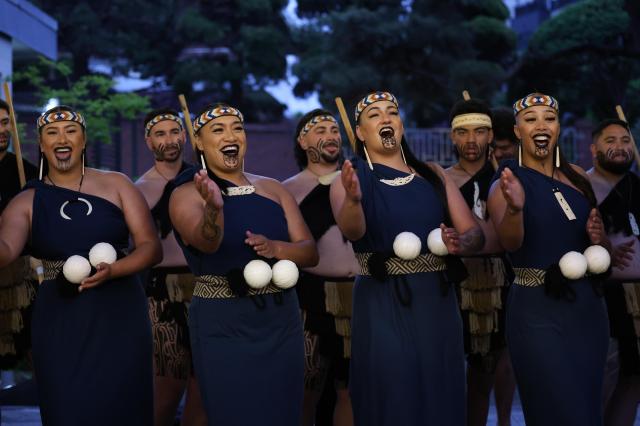
"Kapa haka is a treasured Māori performing art that brings together song, chant, movement, expression, and storytelling," Bennet said. "It is a way of passing on history, values, language, and identity, from one generation to the next."
During her address, the ambassador identified direct parallels between Māori and South Korean social foundations, specifically the emphasis on lineage and respect for elders. She noted that both cultures value the concept of individuals being shaped by their broader communities.
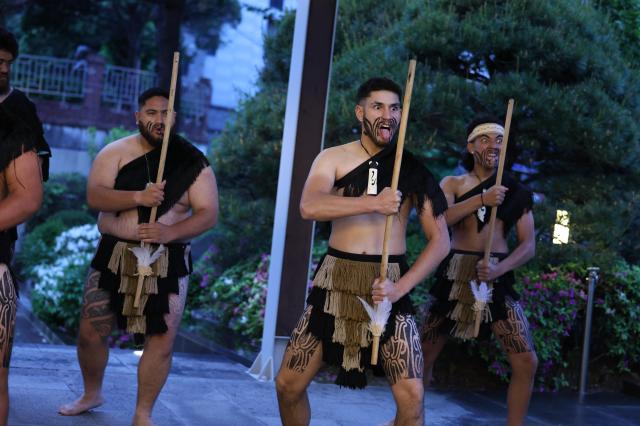
"There is much that connects Māori and Korean cultures," Bennet said. "For example, ancestry, which we call whakapapa, respect for elders, hospitality, and the concept of individuals being shaped by the communities they come from."
The event also welcomed members of Te Rūnanga o Te Āti Awa, a Māori tribal authority that arrived in Seoul on the day of the event. The group participated in the haka, a traditional dance of focus and strength, alongside waiata, which are melodic songs of joy and warmth.
"Through kapa haka, Māori communities affirm their connection to the land of Aotearoa, New Zealand; to their ancestors; and to one another," Bennet said.
Copyright ⓒ Aju Press All rights reserved.