

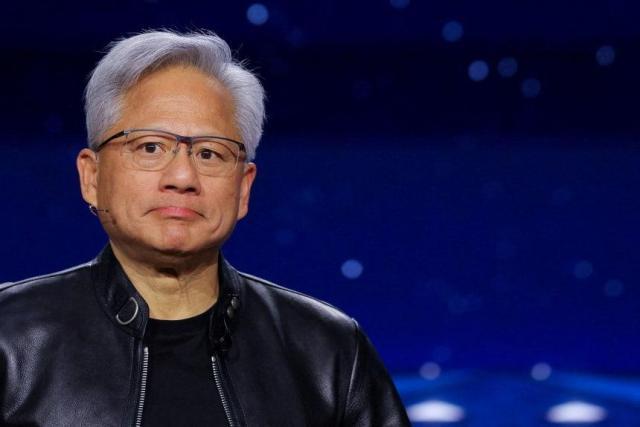
In an interview with Bloomberg TV at a Dell-hosted event on May 18, Huang stated, "I believe the Chinese market will open up over time." He noted that while he accompanied then-President Donald Trump on a visit to China, no immediate agreement regarding the H200 sales was reached.
The U.S. government previously granted purchase approvals for the H200 to about ten Chinese companies, including Alibaba, Tencent, ByteDance, and JD.com, as well as Lenovo and Foxconn.
However, the export approvals have not yet translated into actual sales. According to Reuters, no deliveries of the H200 have been made despite the U.S. authorization, as approvals from Chinese authorities and purchasing decisions from companies are still pending.
China's industrial policies also present a variable. The country is accelerating the development of its domestic AI semiconductor industry and views reliance on U.S. technology as a strategic vulnerability. Reuters reported that China is taking a cautious approach to purchasing high-performance AI chips from the U.S., contributing to delays in H200 transactions.
For NVIDIA, reviving sales of high-performance AI chips in China is a critical challenge. The ongoing U.S.-China tech conflict and export controls have significantly restricted NVIDIA's sales of AI chips in China. Huang has emphasized that the Chinese AI semiconductor market represents an opportunity worth approximately $50 billion.
* This article has been translated by AI.
Copyright ⓒ Aju Press All rights reserved.