

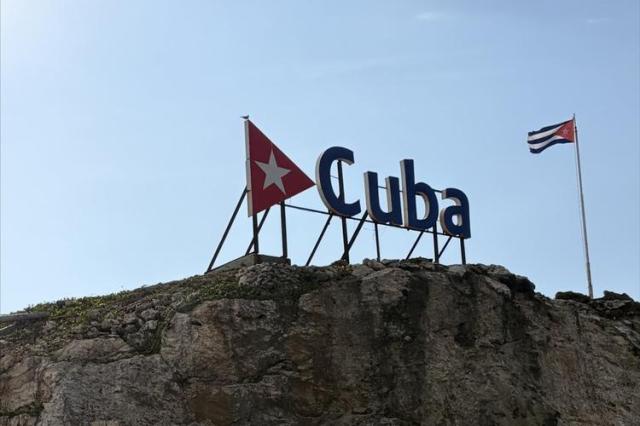
The U.S. is ramping up its pressure on Cuba through sanctions, legal actions, and security measures. As tensions continue in the Middle East, Cuba has emerged as another target for the Trump administration.
On May 18, the U.S. Department of the Treasury's Office of Foreign Assets Control (OFAC) announced the addition of the Cuban Intelligence Directorate (DI) and nine high-ranking Cuban officials to its Specially Designated Nationals (SDN) list. This group includes ministers from the communications, energy, and justice departments, as well as military and intelligence personnel.
Those sanctioned will have their U.S. assets frozen and will be prohibited from engaging in transactions with U.S. individuals and businesses. This action follows an executive order signed by President Donald Trump on May 1, which allows for sanctions against foreign financial institutions and companies that engage with key Cuban state-owned enterprises, effectively putting third-country businesses at risk of sanctions as well.
Legal pressure is also on the horizon. The U.S. Department of Justice is reportedly preparing to indict Raúl Castro, the former President of the National Assembly, in connection with the 1996 shootdown of a civilian aircraft belonging to the humanitarian group Brothers to the Rescue. Raúl, the brother of Fidel Castro and a symbolic figure of the current regime, is at the center of this legal scrutiny.
In the security realm, concerns about Cuba's military capabilities are being highlighted. Axios reported that Cuba has acquired over 300 military drones from Russia and Iran since 2023. There are indications that Cuban military authorities have discussed drone tactics targeting U.S. military bases in Guantanamo Bay and naval vessels, as well as Key West, Florida.
U.S. intelligence agencies do not believe an attack from Cuba is imminent or that any plans for an actual attack are in the execution phase. However, the U.S. is framing Cuba's drone capabilities and its ties to Russia and Iran as a security threat in the Western Hemisphere, using this rationale to support sanctions and legal actions.
The U.S. strategy aims to pressure Cuba's external financial networks, reinforce the narrative of security threats, and target the regime's historical significance.
This pressure coincides with Cuba's internal energy crisis, exacerbating the situation. The country is facing significant power shortages due to fuel shortages and aging power plants. The Cuban Electric Union (UNE) has projected a power deficit of 2,080 megawatts, which accounts for 65% of the total power needed.
Cuba has responded strongly. President Miguel Díaz-Canel stated on X (formerly Twitter) that "Cuba poses no threat to any country." He warned that if a military attack from the U.S. materializes, it would lead to "bloodshed" and incalculable consequences for regional peace. Carlos Fernández de Cossío, Cuba's Deputy Foreign Minister, also criticized the U.S., claiming that the anti-Cuba campaign in the U.S. is making baseless accusations to justify military action.
* This article has been translated by AI.
Copyright ⓒ Aju Press All rights reserved.