

Samsung Electronics' labor union has postponed a planned strike just over an hour before it was set to begin. The potential for the company's first-ever total strike has been averted for now, easing concerns in the industry about disruptions to semiconductor production and the global supply chain.
According to industry sources on May 20, the Samsung Electronics union's joint action committee announced in a directive to members that "the total strike scheduled for May 21 to June 7 is postponed until further notice." The union plans to hold a vote on the tentative wage agreement from 9 a.m. on May 23 to 10 a.m. on May 28, 2026.
As a result, the strike that was set to begin on May 21 has been halted just before it could materialize. Although the tentative agreement has not yet been finalized, the union's decision to withdraw the strike card has significantly reduced uncertainties regarding the operation of Samsung's semiconductor production lines.
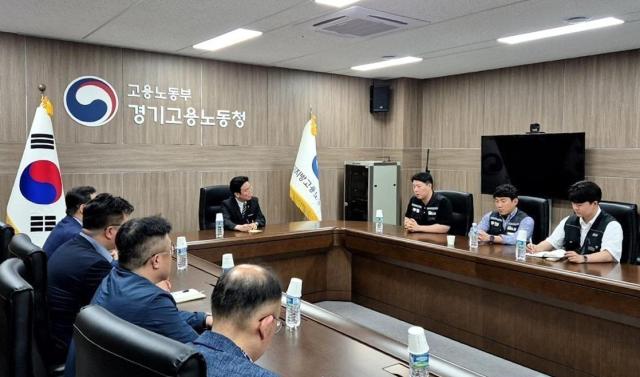
This postponement is seen as a result of government mediation working at a critical juncture. The labor and management teams resumed negotiations around 4:40 p.m. in Suwon, Gyeonggi Province, under the leadership of Labor Minister Kim Young-hoon. After a third round of mediation by the Central Labor Relations Commission ended in failure the previous day, it appeared that the strike would proceed on May 21. However, the negotiations were reopened just before the strike, leading to a last-minute turnaround.
The two sides had been engaged in mediation at the government office in Sejong since May 18, but they could not narrow their differences over performance bonus criteria and the institutionalization of compensation systems. The second meeting adjourned past midnight, and the third meeting the following morning also ended without agreement.
Immediately after the negotiations broke down, the union announced it would proceed with the strike as planned on May 21. Samsung Electronics issued a statement asserting that "there should be no strike under any circumstances," and pledged to continue efforts to resolve the issues through further negotiations and direct dialogue. As both sides maintained firm positions, concerns grew in the industry about the likelihood of an actual strike.
However, the situation changed when negotiations resumed under the Labor Minister just a day before the strike. The government reportedly pressured both sides to reach a voluntary agreement, considering the potential impact of a strike on semiconductor production and the national economy. The business community had also expressed concerns that a strike could disrupt not only production but also the supply chains of partner companies and exports.
With the postponement of the strike, Samsung Electronics has temporarily alleviated fears of production disruptions in the semiconductor sector. This is particularly significant in businesses where timely delivery to global clients is crucial, such as high-bandwidth memory and foundry services. A prolonged strike risk could have had unavoidable repercussions.
However, if the tentative agreement is rejected in the member vote, the potential for a total strike could reignite, leading analysts to view this decision as more of a "temporary reprieve" than a complete resolution. Additionally, the core issues of performance bonus criteria and compensation for loss-making divisions remain unresolved and could resurface in the future. Internal decision-making processes and representation issues within the union also remain as separate challenges.
An industry insider remarked, "This postponement of the strike is a significant event not only for Samsung Electronics but for the entire South Korean semiconductor industry. However, if the underlying conflict structure remains unchanged, similar crises could arise again at any time."
* This article has been translated by AI.
Copyright ⓒ Aju Press All rights reserved.