

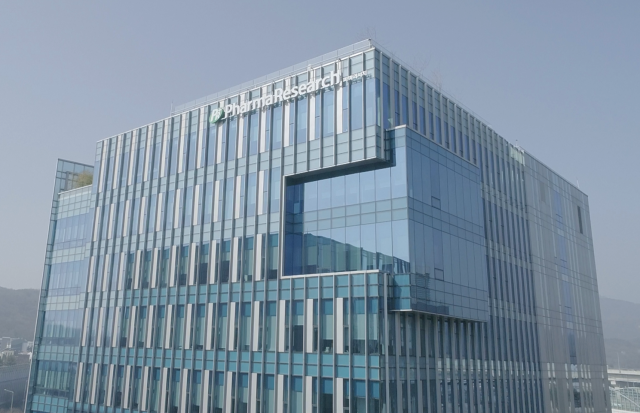
PharmaResearch is solidifying its position in the medical aesthetic market with its skin booster, Rejuran. This injectable product utilizes polynucleotide (PN) derived from salmon reproductive cells. As demand for skin regeneration procedures remains steady, the company is combining its clinic-based repeat treatment structure with its cosmetics business to sustain growth.
According to industry reports, PharmaResearch recorded a consolidated revenue of 146.1 billion won and an operating profit of 57.3 billion won in the first quarter of this year. These figures represent increases of 25% and 28%, respectively, compared to the same period last year. Analysts attribute this growth to rising domestic demand for medical devices, expansion in the cosmetics sector, and increased global exports. Notably, export revenue in the first quarter reached 58.8 billion won, a 30% increase year-on-year.
Rejuran's competitive edge lies in its revenue structure based on repeat treatments. While the treatment cycles for some products, such as Sculptra and Juvederm, typically occur once a year, Rejuran sees demand for treatments more than twice a year. This consistency allows clinics to maintain a steady influx of returning patients, making it a staple in their treatment portfolios.
As the medical aesthetic market continues to grow, competition in South Korea is intensifying. With sustained demand and increasing interest in Korean beauty medical services, the market is expanding. Kim Hyun-seok, a researcher at Hyundai Motor Securities, noted that concerns are rising regarding PharmaResearch's market dominance due to the launch of extracellular matrix (ECM) skin booster products by domestic competitors and aggressive capacity expansions.
PharmaResearch is also broadening its reach in the global market. The company has seen a continued increase in medical device exports, particularly in Europe, with first-quarter exports totaling 21.1 billion won. It is strengthening its presence through global conferences and networking with medical professionals, focusing on key European countries.
Additionally, PharmaResearch is extending its medical device-based brand into consumer goods, creating a structure where treatment experiences lead to cosmetic purchases. In the first quarter, cosmetics sales reached 42.2 billion won, marking a 51% increase year-on-year, the highest growth rate among all business divisions. This strategy reduces marketing cost burdens while maintaining profitability through a repeat revenue structure linked to medical device treatments.
An industry insider remarked, "Korean medical aesthetic products are gaining recognition in overseas markets for their high price competitiveness relative to quality. Products like Rejuran, which secure both a clinic network and brand awareness, are likely to maintain their competitiveness in the global market."
* This article has been translated by AI.

Copyright ⓒ Aju Press All rights reserved.