

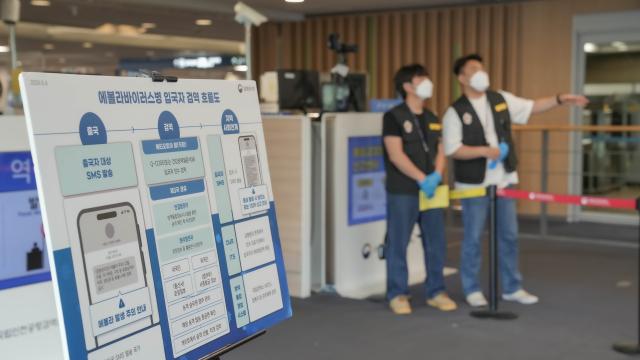
On June 8, the Ministry announced that it would distribute guidelines titled 'Workplace Prevention Measures for Ebola Virus Disease' to businesses nationwide in an effort to proactively prevent the disease's entry and spread within workplaces.
This initiative follows a meeting held by the Korea Disease Control Agency on May 28 to assess the situation regarding overseas infections. The guidelines aim to enable companies with overseas operations or frequent travel to Africa to respond quickly in the event of an outbreak.
According to the guidelines, employers must designate a quarantine manager before any overseas travel and establish an emergency contact system with the Korea Disease Control Agency (1339) and local health authorities. They are particularly advised to avoid or postpone non-essential trips to high-risk areas, such as the Democratic Republic of the Congo.
During trips, employees are instructed to adhere strictly to personal hygiene practices, such as handwashing, and to avoid contact with wildlife or corpses. If symptoms such as fever arise while abroad, they should immediately notify their headquarters and the embassy, and cooperate with relevant authorities for evacuation and treatment.
The government emphasized the importance of monitoring after returning home. Workers should be checked for fever and other unusual symptoms for the maximum incubation period of 21 days, and employers are encouraged to utilize remote work or paid leave to minimize the risk of secondary infections in the workplace.
The Ministry also noted that employers could face liability if they neglect health measures to prevent infectious diseases and an infection occurs. This underscores that managing overseas travelers is not merely a recommendation but is directly linked to workplace safety and health management obligations.
Ryu Hyun-cheol, head of the Occupational Safety and Health Agency, stated, "Ebola virus disease has a high fatality rate and strong transmissibility, making thorough preemptive measures in workplaces crucial. I urge strict adherence to the step-by-step procedures from pre-trip training to monitoring for 21 days after returning."
* This article has been translated by AI.
Copyright ⓒ Aju Press All rights reserved.