

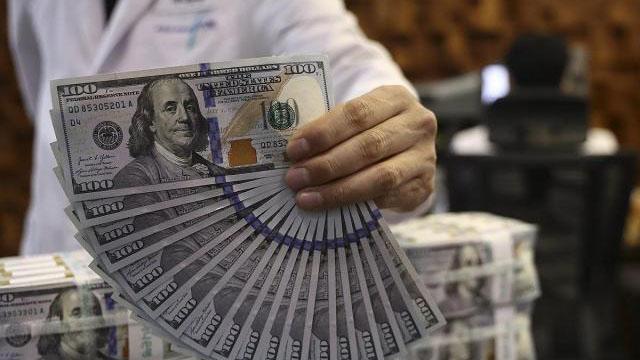
The Bloomberg Dollar Spot Index fell by 0.3% that afternoon, marking its largest single-day drop since June 6.
During a White House event, Trump told reporters, "We just made a great deal on the war with Iran," adding that only final adjustments to the documents remain. He suggested that the agreement could be signed as early as this weekend in Europe and stated that if the deal is finalized, the Strait of Hormuz would be reopened.
However, the Iranian government has not officially confirmed whether it will accept the deal. The Iranian Foreign Ministry expressed a cautious stance, stating that the country's "red lines" must be maintained during negotiations.
Following Trump's remarks, the risk premium associated with the Middle East quickly diminished in financial markets. International oil prices fell, and U.S. Treasury yields also declined. The easing of concerns over a prolonged conflict and potential disruptions in the Strait of Hormuz led to expectations of lower energy prices and inflationary pressures.
Alex Cohen, a foreign exchange strategist at Bank of America, noted that the news heightened expectations for an imminent peace agreement, contributing to the dollar's weakness. Previously, the dollar had strengthened due to a preference for safe-haven assets and rising oil prices following attacks by the U.S. and Israel on Iran.
In the options market, the cost of hedging against a stronger dollar has decreased. However, some traders still maintain an optimistic outlook on the dollar, suggesting that the actual signing of the agreement and the normalization of shipping through the Strait of Hormuz will be key factors influencing future exchange rate trends.
* This article has been translated by AI.
Copyright ⓒ Aju Press All rights reserved.