

In the "Recent Economic Trends (Green Book)" released on June 13, the Ministry of Finance stated, "Our economy is continuing its recovery trend based on increased exports and improved financial markets," while also noting that "uncertainties in external conditions persist."
The phrase "downside risks to the economy due to the Middle East situation," mentioned in last month's Green Book, was omitted this month. This change is interpreted as reflecting the imminent peace talks between the U.S. and Iran, along with a booming semiconductor market, a strong stock market, and rising exports.
In fact, the KOSPI index rose by 28.5% in May, reaching 8,476.15, bolstered by expectations of improved corporate performance amid the semiconductor boom. The market capitalization increased by 1,525.6 trillion won over the month, with foreign ownership rising to 40.01%.
Exports also continued to perform well, with May exports totaling $87.75 billion, a 53.2% increase compared to the same month last year. This marks the largest monthly performance on record, exceeding $80 billion for three consecutive months. Notably, semiconductor exports surged by 169.4% to $37.16 billion, accounting for approximately 42% of total exports, resulting in a trade surplus of $26.95 billion.
However, rising international oil prices and increased exchange rate volatility due to heightened tensions in the Middle East are fueling inflation concerns. The consumer price inflation rate in May reached 3.1%, marking the first time in 26 months that it surpassed 3%. The won-dollar exchange rate rose to 1,507.9 won by the end of May. The government is closely monitoring these trends, as high oil prices and exchange rates could increase inflationary pressures and corporate burdens.
With ongoing uncertainties stemming from the prolonged conflict in the Middle East, the number of employed individuals decreased in May, raising concerns about employment conditions. The number of employed persons fell to 29.12 million, a decrease of 40,000 compared to the same month last year, marking the first decline in 17 months.
In particular, manufacturing employment dropped by 140,000, the largest decline since February 2019. This downturn is attributed to sluggish performance in the automotive and plastics sectors, as well as supply chain disruptions due to the extended conflict in the Middle East.
Production indicators showed some stagnation. Overall industrial production fell by 0.6% in April, influenced by declines in manufacturing, services, and construction. However, the leading composite index's cyclical component rose by 0.6 points from the previous month, indicating expectations for future economic improvement.
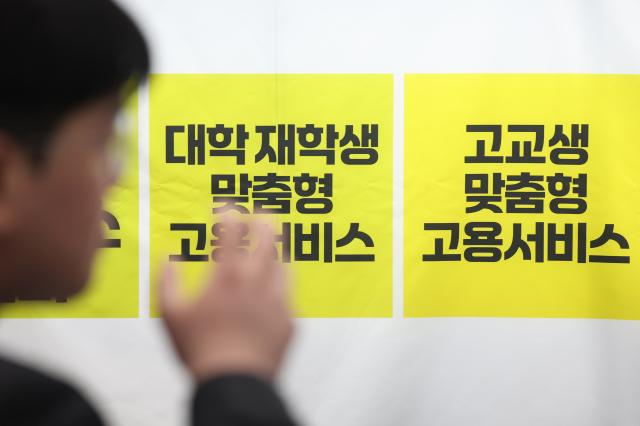
The government plans to closely monitor the potential long-term implications of the Middle East situation, fluctuations in international commodity prices, and changes in trade environments in major countries, as these factors will influence domestic economic conditions, inflation, and employment trends. Improving youth employment remains a top priority, with a commitment to closely examine employment trends across different sectors and demographics to swiftly implement necessary measures.
* This article has been translated by AI.
Copyright ⓒ Aju Press All rights reserved.