SEOUL, June 17 (AJP) - Credit card spending by foreign tourists in South Korea reached an all-time monthly high in May, fueled by a surge in visitors adopting everyday local lifestyle trends, the Korea Tourism Organization said Wednesday.
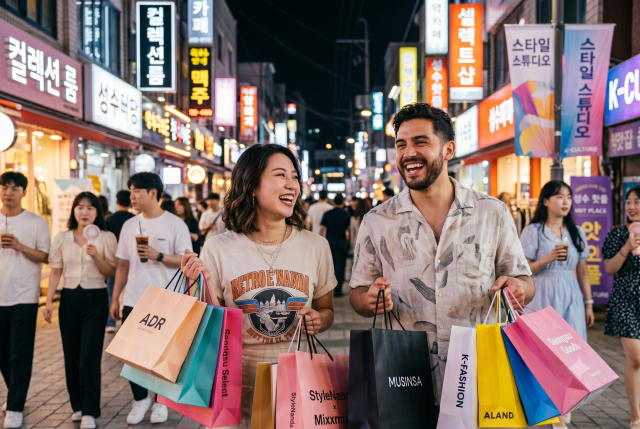
Over the last few years, global interest in South Korean culture has shifted from entertainment like music and television to everyday fashion, beauty, and wellness. This growing fascination has changed how tourists shop, drawing them away from traditional souvenirs and into local neighborhoods to experience how residents live.
Total foreign credit card spending reached 2.1 trillion won ($1.3 billion) in May. This represents a 67.1 percent jump from the same month last year, marking the highest growth rate since 2023. The KTO reported that spending has split into two main tracks: younger global tourists driving lifestyle purchases and Chinese visitors dominating high-end luxury sales.
In Seoul districts like Seongsu and Myeongdong, tourists are buying limited-edition custom clothing and outdoor streetwear, a popular local style known as gorpcore. A similar trend is visible in the beauty sector, where visitors are combining cosmetic treatments with purchases of pharmaceutical-grade recovery creams. This routine has led to a massive spike in premium pharmacy sales in both Seoul's hipster district, Seongsu, and Haeundae, the beachside tourist district in the southern port city of Busan. Spending on toys and amusement machines also surged by 191.4 percent, largely due to pop-up stores selling limited-edition character merchandise.
Meanwhile, credit card transactions by Chinese tourists more than tripled compared to last year, fueling a boom in the luxury market. Watch and jewelry sales in Seoul's affluent Cheongdam-dong neighborhood jumped 135 percent, with the average transaction hitting 12.15 million won. This appetite for high-end goods also spread to Jeju Island, driving up spending on private villas, upscale resorts, and luxury accessories.
"This analysis shows that foreign tourist consumption is moving beyond a simple recovery phase and is becoming segmented by commercial district, industry, and nationality," said Lee Mi-sook, head of the KTO tourism data hub team. "We will continue to provide data-driven insights so that local governments and the industry can capture these changes early and respond preemptively."

Copyright ⓒ Aju Press All rights reserved.