

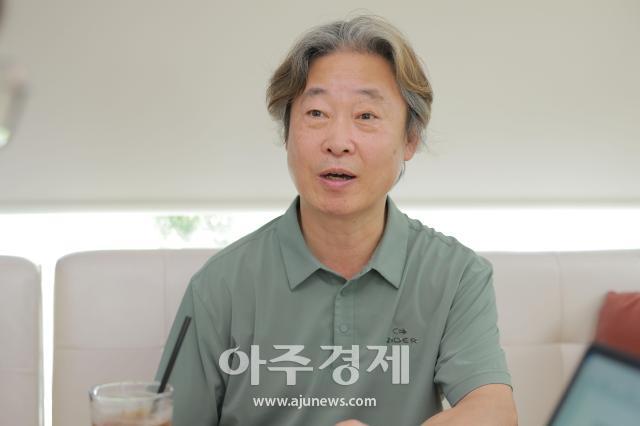
In an interview with Aju Economy on June 16, Kim remarked, "The value of workers' dedication and effort should not be undermined. However, if bonuses become wages, companies may face the question of whether workers can forfeit their wages during tough times."
As demands for profit-sharing among large companies like Samsung Electronics and SK Hynix grow, Kim emphasized the importance of seeking social solutions rather than resorting to blanket criticism. He noted, "It is not right to resent workers in large corporations for receiving substantial bonuses. From a national perspective, when workers earn more, tax revenues increase. However, we must continue efforts to ensure equitable distribution."
Regarding proposals to legislate that the distribution of performance bonuses be decided at shareholder meetings rather than through labor negotiations, Kim expressed caution. He stated, "We need to consider whether this is a matter that can be legally enforced," and stressed the importance of public discourse on performance bonuses to ensure they are appropriately allocated.
As potential solutions, Kim suggested institutional mechanisms such as employment stability funds, social solidarity funds, and employee stock ownership plans. He emphasized, "We must create an environment where the value of workers grows alongside corporate growth," and called for labor unions to engage with the community through social solidarity funds.
Kim Kwang-sik is known for leading a 36-day general strike during the IMF financial crisis in response to Hyundai's mass layoffs. He stated, "We cannot only present one side of the story. Having experience as both a labor representative and a public institution executive, I believe it is crucial to maintain balance and harmony."
He added, "While we can achieve through struggle, we should not misuse the phrase that both labor and management have won. When one side wins, the other becomes the loser. We need a labor-management relationship that fosters shared future value."
* This article has been translated by AI.
Copyright ⓒ Aju Press All rights reserved.