

On June 17, following its regular meeting of the Federal Open Market Committee (FOMC), the Fed announced it would maintain its target range for the federal funds rate at 3.50% to 3.75%.
This decision was unanimous among committee members. The statement noted, "Economic activity continues to expand at a solid pace and employment gains remain strong, but inflation is still above our 2% target."
Market attention has shifted from the decision to hold rates steady to the changing views of committee members regarding future rate adjustments. According to the economic projections released that day, the median forecast for the federal funds rate at the end of the year is now 3.8%, up from the 3.4% projected in March. This indicates a greater likelihood of holding rates steady or increasing them rather than cutting them this year.
The views of individual committee members have also shifted toward tightening. According to Reuters, among the 19 policymakers, nine believe that "rates need to be raised this year." Of these, six think that more than one increase is necessary. In contrast, eight members prefer to maintain the current level, and one anticipates a cut. This marks a significant change from March, when no members expected further increases.
The economic outlook reflects inflationary pressures. The Fed has raised its forecast for the personal consumption expenditures (PCE) inflation rate to 3.6% for this year, a substantial increase from the 2.7% projected in March. The core PCE inflation rate, excluding food and energy, is now expected to rise from 2.7% to 3.3%. However, the forecast for real GDP growth this year has been lowered from 2.4% to 2.2%.
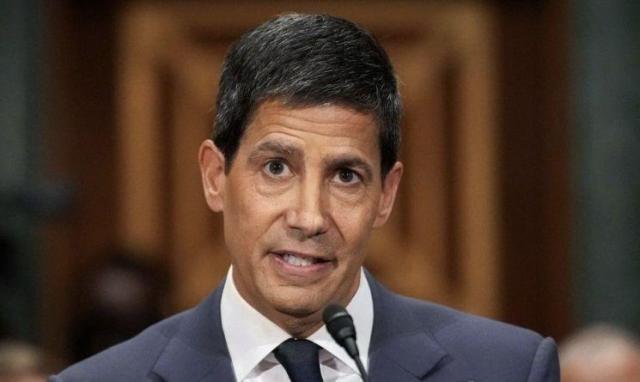
In his first FOMC press conference, Chair Kevin Warsh emphasized a shift in the Fed's operational approach rather than committing to specific future rate levels. He stated, "We will establish dedicated teams in five areas: inflation, policy communication, economic data utilization, productivity and labor markets, and balance sheet management." This suggests potential changes in how the Fed communicates its policies, including the dot plot and forward guidance.
The market has reacted to this changing sentiment. In the short-term interest rate futures market, the likelihood of an additional rate hike by September has increased compared to maintaining the current level. Investors who had anticipated cuts are now focusing on inflationary pressures from the Middle East and the Fed's altered policy stance.
While this FOMC meeting resulted in no change to the interest rate, the message was not neutral. The Fed acknowledged that "the economy and employment remain solid" while significantly raising its inflation forecasts, and many members left the door open for further tightening. Future monetary policy will likely depend on how rising energy prices affect overall inflation and the price expectations of consumers and businesses.
* This article has been translated by AI.
Copyright ⓒ Aju Press All rights reserved.