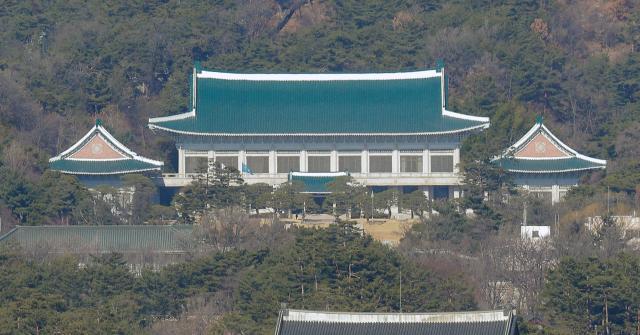
SEOUL, July 24 (AJP) - South Korea will closely consult with the U.S. after Washington announced a new 12.5 percent tariff on South Korean goods the previous day, Cheong Wa Dae said on Friday.
The Office of the U.S. Trade Representative (USTR) said its investigation under the Section 301 of the Trade Act launched in March found that 60 economies had failed to adopt or enforce bans on imports of goods made with forced labor, leading it to impose tariffs ranging from 10 percent to 12.5 percent on those economies.
The new tariff over "dubious" forced labor concerns came after a U.S. court ruled in February that Trump's sweeping reciprocal tariffs imposed under the International Emergency Economic Powers Act (IEEPA) were unlawful, prompting Washington to pursue alternative tariff measures.
The latest tariff announcement follows a broader tariff-related deal reached last fall between the two countries to lower reciprocal tariffs on Korean exports from 25 percent to 15 percent.
With the 12.5 percent tariff now in place, a separate probe into alleged overproduction, which targets countries whose output exceeds domestic demand, is also underway, although Washington has yet to announce any tariffs related to overproduction.
But Cheong Wa Dae stressed that both sides share an understanding that the deal reached last year should be implemented as agreed. It also vowed to work with U.S. officials to ensure the final tariff rate remains at the 15 percent level agreed upon by the two countries, even as Washington continues separate investigations into overproduction issues.
Industry Minister Kim Jung-kwan, who is currently visiting the U.S, and Trade Minister Yeo Han-koo are expected to meet with officials from the U.S. Department of Commerce and the USTR to discuss ways to prevent further tariff increases and clarify how the ongoing U.S. investigations could affect Korean exporters.
The Office of the U.S. Trade Representative (USTR) said its investigation under the Section 301 of the Trade Act launched in March found that 60 economies had failed to adopt or enforce bans on imports of goods made with forced labor, leading it to impose tariffs ranging from 10 percent to 12.5 percent on those economies.
The new tariff over "dubious" forced labor concerns came after a U.S. court ruled in February that Trump's sweeping reciprocal tariffs imposed under the International Emergency Economic Powers Act (IEEPA) were unlawful, prompting Washington to pursue alternative tariff measures.
The latest tariff announcement follows a broader tariff-related deal reached last fall between the two countries to lower reciprocal tariffs on Korean exports from 25 percent to 15 percent.
With the 12.5 percent tariff now in place, a separate probe into alleged overproduction, which targets countries whose output exceeds domestic demand, is also underway, although Washington has yet to announce any tariffs related to overproduction.
But Cheong Wa Dae stressed that both sides share an understanding that the deal reached last year should be implemented as agreed. It also vowed to work with U.S. officials to ensure the final tariff rate remains at the 15 percent level agreed upon by the two countries, even as Washington continues separate investigations into overproduction issues.
Industry Minister Kim Jung-kwan, who is currently visiting the U.S, and Trade Minister Yeo Han-koo are expected to meet with officials from the U.S. Department of Commerce and the USTR to discuss ways to prevent further tariff increases and clarify how the ongoing U.S. investigations could affect Korean exporters.
Copyright ⓒ Aju Press All rights reserved.