The order directs U.S. authorities to deny citizenship to children born to foreign nationals who entered the country after misrepresenting the purpose of their travel to give birth there. It also instructs immigration officials to tighten visa screening and deny entry to those suspected of traveling to the United States for that purpose.
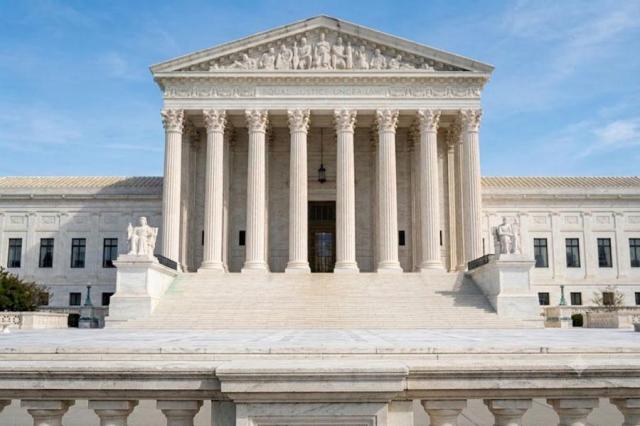
The measure comes after the U.S. Supreme Court blocked in June a broader executive order seeking to end automatic birthright citizenship for children born in the U.S., ruling that the 14th Amendment to the U.S. Constitution guarantees citizenship to most children born on U.S. soil.
Trump said the new order was intended to "adjust" the administration's approach while preserving its broader immigration agenda.
Under the order, children born to women who concealed plans to give birth in the U.S. while applying for tourist visas would not qualify for U.S. citizenship. The order also applies to children born in the U.S. to foreign diplomats and certain individuals designated by U.S. authorities as members of terrorist organizations or hostile foreign entities.
The order further authorizes the State Department and the Department of Homeland Security to deny visas to applicants suspected of traveling for birth tourism. It also calls for entry bans on foreigners found to have previously engaged in the practice and allows sanctions against individuals or organizations that facilitate such trips.
The White House said the policy is intended to curb what it describes as abuse of the U.S. immigration system. Speaking after signing the order, Trump claimed that "hundreds of thousands" of people had benefited from birth tourism.
While the order is expected to affect many foreign nationals who have sought U.S. citizenship for their children by giving birth in the country, analysts say it could also have implications for South Koreans, some of whom have taken a similar approach with their children's future overseas education in mind.
Although the number of South Korean parents traveling to the U.S. solely to give birth has declined in recent years, the practice continues, with U.S. authorities having already tightened scrutiny of visa applications involving suspected cases since 2020.
Immigration experts say the latest order is likely to lead to even stricter visa interviews and increased scrutiny of pregnant travelers from countries including South Korea, even when they are visiting for legitimate personal reasons.
The latest executive order could still face legal challenges, as critics argue that the U.S. Constitution protects birthright citizenship in most cases. It remains to be seen whether the Trump administration can enforce the restrictions without conflicting with the Supreme Court's ruling.
AJP Takeaways:
- U.S. President Donald Trump signed an executive order on Aug. 6, 2026 directing U.S. authorities to deny citizenship to children born to foreign nationals who entered the United States after misrepresenting their travel purpose in order to give birth there.
- The Aug. 6, 2026 executive order instructs U.S. immigration officials to tighten visa screening and deny entry to travelers suspected of visiting the United States for the purpose of giving birth, a practice known as "birth tourism."
- The order follows a June 30, 2026 U.S. Supreme Court ruling that struck down a broader Trump executive order seeking to end automatic birthright citizenship, with the Court ruling that the 14th Amendment to the U.S. Constitution guarantees citizenship to most children born on U.S. soil.
- Under the Aug. 6, 2026 order, children born to women who concealed plans to give birth in the United States while applying for tourist visas would not qualify for U.S. citizenship.
- The order authorizes the U.S. State Department and the U.S. Department of Homeland Security to deny visas to applicants suspected of traveling to the United States for birth tourism, impose entry bans on foreigners previously found to have engaged in the practice, and impose sanctions on individuals or organizations that facilitate such trips.
Copyright ⓒ Aju Press All rights reserved.