

Journalist

Kim SeongSeo
biblekim@ajunews.com
-
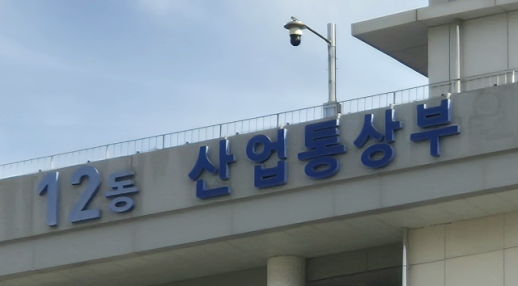 South Korea's Ministry of Trade Accelerates AI Adoption with New Expert Hires The Ministry of Trade is accelerating the adoption of artificial intelligence (AI) in its internal administrative processes by hiring private sector experts dedicated to planning and implementing AI initiatives. On May 22, the ministry launched an AI Innovation Advisory Group composed of external experts and held its first kickoff meeting. The ministry aims to promote AI transformation (AX) to create an efficient industrial and trade work environment, focusing on building AI governance, introducing customized AI services, and enhancing the AI capabilities of its staff. While the government has recently intensified its AX efforts, security concerns have posed significant limitations. To address this, the Ministry of Trade plans to hire private sector experts to oversee the planning and execution of AI governance. This move is interpreted as a step toward establishing an organizational framework for AI innovation. Additionally, the ministry will form and operate an AI Pioneer Group consisting of practical staff members leading AI innovation. Regular meetings of the advisory group will be held to explore ways to expand AI adoption. Considering the separation between internal administrative networks and external internet networks, the ministry will set up a private AI portal that provides the latest AI models and services used by private institutions on the external network. On the internal network, the ministry plans to introduce the intelligent work management platform, OnAI, which will be gradually distributed by the Ministry of the Interior and Safety in the first half of the year. Starting next year, the ministry will also pursue the development of an AI platform tailored to its specific functions, including industry and resources, trade, standards, and certification. To enhance the AI capabilities of its internal staff, the ministry will regularly hold practical AI training sessions and lectures by external experts to improve employees' understanding and skills in utilizing AI. Oh Seung-cheol, head of the Planning and Coordination Office at the Ministry of Trade, stated, "To enhance productivity and innovate work methods, it is essential to expand AI functionalities centered around internal employees, increasing their participation and utilization. We aim to create an AI work environment that ultimately improves the quality of services for citizens and businesses."* This article has been translated by AI. 2026-05-23 16:07:32
 -
 Government to Increase Waste Incineration Fee for Out-of-Region Waste 정부가 폐기물 소각시설이 있는 지방자치단체가 다른 지자체 폐기물을 처리할 때 추가로 받는 수수료의 가산금이 10%에서 20%로 올리는 방안을 추진한다. 공공 소각시설 설치 사업의 재정 지원은 확대한다. 기후에너지환경부는 22일 경제관계장관회의에서 이런 내용의 공공 소각시설 조기 확충 방안을 보고했다. 올해부터 수도권에서 생활폐기물 직매립이 금지되면서 수도권 쓰레기가 충청 등 타 지자체로 옮겨져 처리되는 문제가 발생하고 있다. 생활폐기물을 그대로 묻지 못하고 소각하거나 재활용품을 골라내는 작업을 거친 뒤 잔재물만 묻을 수 있는 조치가 시행됐지만 수도권 지자체들이 공공 소각시설을 제때 확보하지 못했기 때문이다. 특히 생활폐기물 직매립 금지가 2030년 전국으로 확대 시행되는 만큼 정부는 공공 소각시설 확충에 속도를 낼 예정이다. 우선 폐기물 처리수수료 가산금을 현행 폐기물 처리 수수료의 10%에서 20%로 늘린다. 가산금은 지자체가 공공 소각시설에서 다른 지자체 생활폐기물을 처리해줄 때 폐기물 처리 수수료에 더해 추가로 받는 금액이다. 이를 통해 주민 지원 기금을 더 확보하고 소각시설 주민 수용성을 높인다. 공공 소각시설 설치 사업 지방재정투자심사는 기후부가 행정안전부와 협의해 면제한다. 올해 5월 기준 사업 계획이 구체화한 20개 공공 소각시설 설치 사업이 1차 연도 지방재정투자심사 면제된다. 수도권에서는 부천시·의정부시·김포시·구리시·과천시, 충청권에서는 세종시·충주시·영동군·아산시, 호남권에서는 전주시·담양군·고흥군·영암군·장성군·완도군, 영남·강원권에서는 대구시·김천시·고령군·창녕군·철원군 등의 지방재정투자심사가 면제된다. 국고 지원 대상은 확대된다. 소각시설 설치비뿐 아니라 기존 시설을 철거하는 비용과 부지 매입비도 국고를 지원한다. 공공 소각시설 설치 사업 관련 설계 적정성 검토는 계획설계 단계에선 검토받지 않도록 절차를 간소화한다. 사업방식과 관련해서는 턴키 방식과 정액 지원 사업 등 행정절차에 드는 시간이 짧은 사업방식을 우선해서 지원한다. 국고 지원액을 최초 산정액으로 고정해 총사업비 관리 대상에서 제외되는 정액 지원 사업의 경우 국고 보조율을 확대한다. 기후부는 '공공 소각시설 확충 지원단'을 통해 사업 추진 상황을 지속해서 점검한다. 또 환경영향평가 관련 사항을 사전에 검토해 환경영향평가 협의가 장기화하는 것을 막겠다는 계획이다. 김성환 기후에너지환경부 장관은 "생활폐기물 발생지 처리 원칙이 현장에서 제대로 작동하기 위해서는 공공 처리기반을 제때 갖추는 것이 핵심"이라며 "직매립 금지 제도의 전국 시행에 차질없도록 현장의 문제를 지속적으로 해결해 나갈 것"이라고 말했다.* This article has been translated by AI. 2026-05-23 10:52:18
 -
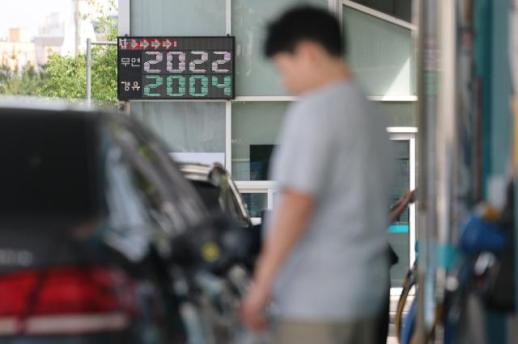 South Korea Freezes Sixth Oil Price Cap Amid Global Market Stability The South Korean government has decided to freeze the sixth oil price cap, marking the fourth time since the second cap was implemented. Previously announced every two weeks, the oil price caps will now be adjusted every four weeks. The Ministry of Trade, Industry and Energy announced on May 21 that the sixth oil price cap, effective from midnight on May 22, will maintain the prices at 1,934 won per liter for regular gasoline, 1,923 won for diesel, and 1,530 won for kerosene. The government implemented the oil price cap system on March 13 in response to rising inflation pressures due to international oil prices exceeding $100 per barrel. The initial cap set prices at 1,724 won for regular gasoline, 1,713 won for diesel, and 1,320 won for kerosene. The second cap, effective from March 27, set the prices at 1,934 won for gasoline, 1,923 won for diesel, and 1,530 won for kerosene. The third and fourth caps were also frozen, with the current prices remaining unchanged. The decision to freeze the price cap again was influenced by the lack of significant changes in international circumstances since the last adjustment. The cumulative factors contributing to price increases continue to exert pressure on inflation and the cost of living. Yang Gi-wook, head of the Ministry's Resource Security Division, stated, "While there seemed to be progress in the ceasefire negotiations between the U.S. and Iran, they are currently at a standstill, and the U.S.-China summit has not yielded clear results. International oil prices are hovering around the $100 mark, and there have been no significant changes since the fourth price cap decision." He added, "The cumulative increase factors for gasoline have slightly risen to the upper 200 won range, while diesel and kerosene have decreased to the mid-300 won and mid-400 won ranges, respectively." Sales of oil products continue to decline compared to the previous year. In May, gasoline sales decreased by 2% and diesel by 6% compared to the same month last year. Over the past ten weeks since the price cap was implemented, gasoline sales dropped by 8%, and diesel sales fell by 8% compared to the same period last year. Prices at gas stations have mostly remained stable. The government has also decided to extend the adjustment period for the price cap from two weeks to four weeks. Previously, the Ministry adjusted the price cap every two weeks to respond quickly to market changes. However, with the ongoing stalemate in the Middle East conflict, international oil price volatility has decreased. This change aims to enhance predictability and stability for gas station operators, the general public, and drivers reliant on their vehicles for economic activity. Yang emphasized, "If there are changes in the situation, we will adjust the price cap regardless of the schedule. If the situation in the Strait of Hormuz changes, we will immediately begin adjustments. If there are no changes in the Strait of Hormuz, the likelihood of stabilization appears low, so we will monitor the situation closely." Regarding the recent agreement to pursue an oil swap system with Japan during the Korea-Japan summit, he noted, "We have reached a consensus on the general direction, but we need to specify the details through discussions with private companies. Japan has significant reserves, but South Korea has superior refining capabilities, suggesting there may be mutually beneficial solutions to explore." He further explained, "Given Japan's relatively long territory, it may be effective to utilize Ulsan's refining facilities for areas adjacent to the East Sea. We have examined various aspects, including storage facilities, leading to the Korea-Japan agreement. Further details will be developed in the future."* This article has been translated by AI. 2026-05-21 22:04:46
 -
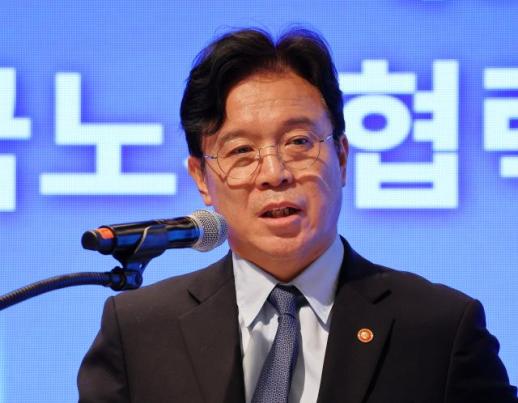 Labor Minister Discusses People-Centered AI Transition with ILO Chief Labor Minister Kim Young-hoon stated on May 21 that as the world faces significant changes due to artificial intelligence (AI) and digital transformation, a "people-centered AI transition" is more important than ever. He emphasized the need to create a model that harmonizes technological innovation with labor rights protection in collaboration with the International Labor Organization (ILO). During a meeting with ILO Director-General Gilbert Houngbo, who is visiting South Korea, the two discussed ways to strengthen strategic cooperation and expand South Korea's role within the ILO. This was Houngbo's first visit to the Ministry of Labor since taking office in October 2022. The discussions included topics such as the direction of people-centered AI policies, the South Korean government's approach to realizing a labor-respecting society, and enhancing partnerships in ILO cooperation projects, as well as ways to elevate South Korea's status within the ILO. Kim reflected on his past experiences representing the labor sector at ILO conferences, stating, "I was deeply impressed by the ILO's commitment to realizing people-centered labor values based on tripartism. It is particularly meaningful for me to welcome the ILO Director-General as the Labor Minister today." He noted that while technological innovation has historically created new opportunities, it has also significantly altered labor market structures and jobs. "In this era of transition, the direction of technological advancement must focus on people, ensuring that labor is not excluded," he said. Kim added, "South Korea aims to fulfill its role as a responsible nation amid the AI transition and changes in the international community. The Ministry of Labor intends to lead the AI transition in employment administration and internal operations provided to the public." He reiterated that a society where labor is respected and everyone can work happily is a universal core value promoted by the ILO. "The spirit of the ILO's Philadelphia Declaration, which asserts that labor is not a commodity but a right and value deserving respect, remains a solid foundation that we will actively participate in discussions to spread throughout the international community," he stated. Houngbo expressed gratitude for South Korea's proposal for a global AI initiative, emphasizing the need for international cooperation to create quality jobs and facilitate a people-centered transition in the AI era. Meanwhile, Houngbo's visit to South Korea will continue until May 22, during which he is scheduled to meet with the President and labor representatives, as well as visit the Seoul Employment Center.* This article has been translated by AI. 2026-05-21 20:58:20
 -
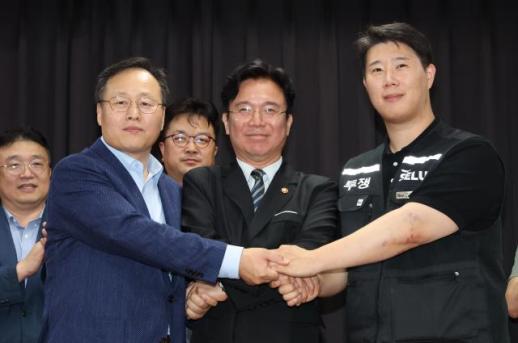 Labor Minister Facilitates Dialogue, Mediator Helps Resolve Samsung Wage Negotiations Samsung Electronics and its labor union reached a dramatic agreement just a day before a planned strike, with the involvement of labor authorities playing a significant role. Minister of Employment and Labor Kim Young-hwan facilitated dialogue between the two sides, while Park Soo-geun, chair of the Central Labor Relations Commission, focused on bridging their differences. Observers noted that the situation could have escalated into a crisis if emergency mediation powers had been activated, but the worst was averted. On May 21, relevant departments reported that Minister Kim began mediating the negotiations between Samsung Electronics and its labor union at 4 p.m. the previous day. Following the failure of the second post-adjustment meeting earlier that morning, the likelihood of an unprecedented strike at Samsung Electronics increased, prompting Kim to lead both parties back to the negotiation table, ultimately resulting in a tentative agreement. During the first post-adjustment meeting, which took place from May 11 to 13, the union declared a breakdown in negotiations. However, Kim persuaded both sides to resume talks during meetings on May 15 and 16, where he reportedly shared his past experiences in labor movements to build rapport with the union. Throughout the two rounds of post-adjustment meetings, Kim remained at the government complex in Sejong, engaging in behind-the-scenes discussions with both parties. After the second post-adjustment meeting failed, Park Soo-geun remarked, "There were many opposing views, but Minister Kim helped us, and many people contributed to making progress." After the breakdown of the post-adjustment talks, Kim facilitated further negotiations. While en route to the Gyeonggi Employment and Labor Office, he posted on social media, "Hope blooms in despair. It’s not over until it’s over." Following six hours of negotiations, he successfully mediated a tentative agreement, preventing a potential 0.5 percentage point drop in the country's GDP due to a strike. While Kim supported the negotiations behind the scenes, Park took an active role as a mediator, working to narrow the gap between the two sides during marathon meetings that lasted three days and included various proposals. This collaborative effort allowed both parties to find common ground, leading to the creation of a tentative agreement. After the agreement was reached, Minister Kim stated, "Chairman Park played a significant role in narrowing the gaps, and I believe he contributed greatly to resolving the remaining issues." The mediation by labor authorities is seen as having prevented a deterioration in labor-management relations. The business community expressed concerns that, given Samsung Electronics' significant role in the economy, a strike could have necessitated the activation of emergency mediation powers. Conversely, labor representatives maintained that discussions about activating emergency mediation powers, which limit fundamental rights, were inappropriate. As the government hinted at the possibility of invoking these powers, the labor-management relationship was on the brink of crisis, but mediation successfully averted this outcome.* This article has been translated by AI. 2026-05-21 17:21:00
 -
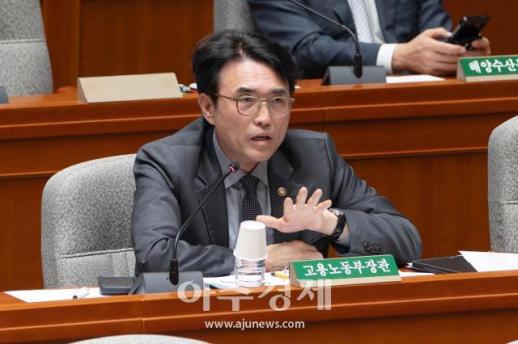 Labor Deputy Minister Warns of Potential Employment Crisis Amid Middle East Tensions Kwon Chang-jun, the Deputy Minister of Employment and Labor, stated on May 21 that the recent instability in the Middle East could lead to significant employment shocks, warning that small signs of trouble may escalate into a broader crisis. He emphasized the need for proactive measures to prevent employment instability from spreading. During the eighth emergency meeting on labor conditions with representatives from the plastic and textile industries, Kwon assessed the impact of the prolonged conflict in the Middle East on these sectors. He also gathered feedback on challenges faced by the industries to explore necessary support measures to prevent an employment crisis. The industries are currently grappling with rising raw material costs due to supply chain disruptions stemming from the Middle East. The instability in the supply of naphtha has led to increased prices, raising concerns particularly in the plastic sector regarding profitability due to rising synthetic resin costs, and in the textile sector due to higher polyester fiber prices. According to the Ministry of Employment and Labor, the number of insured workers in the plastic manufacturing sector has decreased to 175,000 as of last month, continuing a downward trend since January of last year. The textile manufacturing sector has 88,000 insured workers, a decline that has persisted since September 2021, while the clothing manufacturing sector has seen a drop to 46,000 since October 2016. In response, industry representatives have requested multifaceted support to prevent the situation from escalating into an employment crisis. They highlighted the need for employment retention packages and solutions to address labor shortages. Kwon assured that he would seek various support measures to ensure timely assistance where it is needed. Kwon stated, "We will swiftly reform necessary systems and enhance support to enable companies to actively work towards retaining employment. We will simplify the eligibility criteria and procedures for employment retention subsidies to actively recognize and support those in need." He also noted that the designation of special employment support industries has been adjusted to allow for quicker responses to on-the-ground situations, reducing the assessment period for quantitative criteria from 12 months to 6 months. Kwon pledged to review designation criteria based on industry-specific crisis situations and significantly enhance support for training and job stability. To attract job seekers, he mentioned that incentives would be provided for youth employment through the Youth Job Leap Grant, particularly targeting small and medium-sized enterprises in regions where the plastic and textile industries are concentrated. He emphasized the plan to hold job demand days in these areas to provide focused recruitment support services. Kwon urged, "Please communicate openly about how government support can effectively align with on-site needs. I will take your voices as crucial signals and listen carefully to consider the necessary support together." He concluded by stating, "We will remain vigilant to the warnings coming from the field and will promptly review and respond to necessary measures. If the government and industry maintain their awareness and work together, we can overcome this crisis."* This article has been translated by AI. 2026-05-21 15:12:17
 -
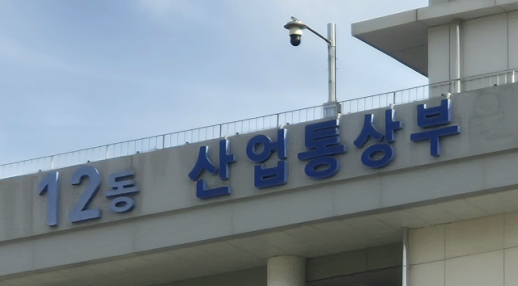 South Korea and EU Hold Supply Chain Policy Dialogue Amid Global Instability The South Korean government is resuming supply chain policy discussions with the European Union (EU) for the first time in over two years. This initiative comes as geopolitical tensions in the Middle East have heightened supply chain vulnerabilities. On May 21, the Ministry of Trade, Industry and Energy held the "2nd Korea-EU Supply Chain Policy Dialogue" in Seoul with the EU's Directorate-General for Growth. South Korea was represented by Deputy Minister Moon Shin-hak, while the EU delegation was led by Director-General Kirsten Jorna. The Korea-EU supply chain policy dialogue was established to expand existing industrial policy discussions to include supply chains, launching its first meeting in December 2023 following a summit between the two sides. This meeting, which resumed after two years and five months, aimed to assess the current state of cooperation in supply chain and industrial policy and discuss subsequent measures. Global supply chains have been significantly impacted by geopolitical risks, including the prolonged Russia-Ukraine conflict, rising tensions in the Middle East, and intensified U.S.-China strategic competition, leading to increased uncertainty in the supply of raw materials, energy, and critical components. Particularly concerning is the recent blockage of the Strait of Hormuz, a strategic chokepoint through which a significant portion of the world's oil maritime traffic passes, contributing to volatility in the international energy market. In response, both sides shared their policies for stabilizing supply chains amid ongoing disruptions caused by geopolitical conflicts and the closure of the Strait of Hormuz. The South Korean delegation introduced a supply chain bill aimed at establishing a multi-agency support system and an early warning system to quickly detect signs of supply crises for critical items such as materials, components, and equipment. They also exchanged views on the EU's current status and plans for building a supply chain monitoring system. Discussions also covered trends in industrial policy and key legislative directions. The South Korean side emphasized the need for the EU's industrial acceleration law and other major policies to be designed and implemented in a way that strengthens the close linkage of supply chains between the two regions. Cooperation in strategic industries, including critical minerals and batteries, as well as investment collaboration between companies, were also key agenda items. The Ministry of Trade, Industry and Energy plans to continue expanding cooperation in supply chains for strategic industries such as critical minerals and batteries, while strengthening economic security and industrial policy collaboration with the EU. Deputy Minister Moon stated, "Korea and the EU are strategic partners that share universal values of freedom, human rights, and the rule of law, and we have significant potential for complementary cooperation in advanced industries and supply chains. I hope this dialogue leads to tangible outcomes and becomes a key channel for solidifying supply chain stabilization and industrial cooperation between Korea and the EU."* This article has been translated by AI. 2026-05-21 12:27:00
 -
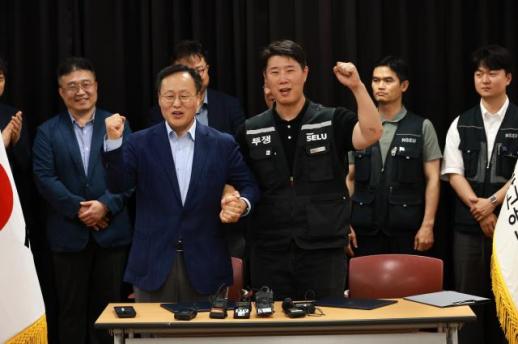 Samsung Electronics Avoids Major Strike as Union Votes on Tentative Agreement Samsung Electronics and its labor union reached a tentative agreement just hours before a planned strike. Labor Minister Kim Young-hoon intervened in the negotiations, which lasted six hours at the Gyeonggi Employment and Labor Agency, leading to the agreement. On May 20, the union's joint action headquarters announced that the planned strike from May 21 to June 7 would be postponed until further notice. All members are expected to participate in a vote on the tentative wage agreement from May 23 at 9 a.m. to May 28 at 10 a.m. Choi Seung-ho, chairman of the union's joint action headquarters, expressed gratitude for the government's mediation efforts and acknowledged the internal conflicts that had caused public concern. He stated, "We have reached a tentative agreement just hours before the strike and decided to postpone it. The vote will take place from May 22 to 27." Yeom Young-gu, head of the Samsung Electronics DS People Team, apologized to employees for the prolonged negotiations and thanked the union and the government for their efforts. He emphasized the importance of the agreement in fostering a cooperative labor-management culture and committed to implementing the terms faithfully. Minister Kim remarked, "Our support for democracy stems from our belief in the power of dialogue to address common challenges. I extend my sincere gratitude to both parties for reaching a tentative agreement through autonomous negotiations." He acknowledged the anxiety felt by the public amid challenging domestic and international conditions and credited the government's role in facilitating dialogue. "This is a growing pain, and I believe it demonstrates the K-competitiveness of resolving issues through conversation," he added. Regarding the specifics of the agreement, Kim noted that while there were contentious issues, both sides made concessions to find a solution. Choi explained that the company agreed to postpone the distribution method for loss-making divisions for one year, which had been a point of contention. Yeom added that the company and the union shared a common goal and worked collaboratively to resolve the issues, highlighting the minister's contributions to the successful conclusion of the negotiations. The tentative agreement was reached after the labor committee's mediation failed earlier that morning. Kim emphasized the government's commitment to facilitating dialogue and understanding the reasons behind the breakdown in negotiations to find a way forward. He concluded by stating that while principles are important, there are no absolute exceptions, and he was pleased that the company accepted the agreement. Yeom noted that the agreement reflects a commitment to rewarding performance while adhering to fundamental principles. 2026-05-20 23:22:13
 -
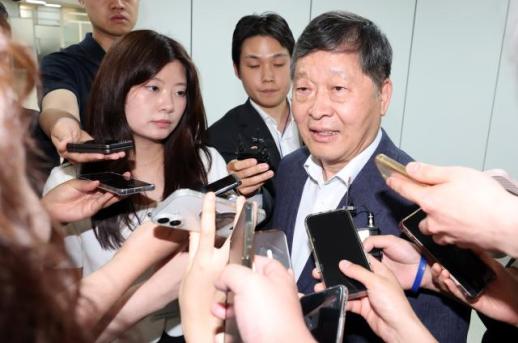 Samsung Electronics Labor Negotiations Continue Amid Stalemate Samsung Electronics' labor negotiations entered their second day on May 19, with Park Soo-geun, chairman of the Central Labor Relations Commission, stating that while both sides are making concessions, two key issues remain unresolved. He noted, "There is a possibility of reaching an agreement, but it is difficult to say at this point." Speaking to reporters as he entered the meeting room after a break, Park commented on the ongoing difficulties in reaching a consensus, saying, "The two most important issues have not been narrowed down." The Central Labor Relations Commission has been conducting the second day of negotiations for Samsung Electronics since 10 a.m. at the government complex in Sejong. The meetings are closed to the public. During the break, Park indicated that a proposal might be forthcoming, saying, "It should come out. It’s still uncertain, but there is a possibility this evening." He added that there has been some progress in narrowing the differences between the two sides and that negotiations on distribution rates by sector are ongoing. Choi Seung-ho, chairman of the Samsung Electronics Union's joint action headquarters, who had not made any statements before entering the meeting, expressed his commitment to creating a proposal that would satisfy union members. When asked if they were maintaining their stance on institutionalizing performance bonuses, he replied, "Yes," before entering the meeting room without further comments. Lee Myung-gu, head of the People Team for Samsung Electronics' Device Solutions (DS) division, stated before the meeting, "We will do our best until the end," before proceeding into the meeting. Samsung Electronics and its labor union began the second round of negotiations at the request of Minister of Employment and Labor Kim Young-hoon. In the previous day's meeting, both sides outlined their positions and engaged in discussions on key issues, including the criteria and caps for performance bonuses. The Central Labor Relations Commission plans to listen to both sides and find common ground to prepare a mediation proposal. However, if the meetings extend, they may continue until May 20. The first round of negotiations held on May 11-12 also concluded in the early hours of May 13. The government has indicated it may invoke emergency mediation rights if a strike at Samsung Electronics materializes. The union has announced that a strike could begin on May 21. 2026-05-19 15:09:28
 -
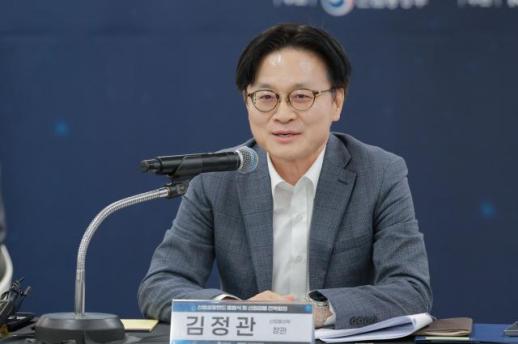 Industry Minister Thanks Gas Stations for Efforts Amid Middle East Crisis Kim Jeong-gwan, the Minister of Industry, Trade and Energy, stated on May 19 that the stability of domestic oil prices is largely due to the efforts of local gas stations. He expressed hope that the government, businesses, and citizens can work together to navigate the ongoing crisis stemming from the Middle East. On this day, Minister Kim visited the "Dae Won Self-Service Gas Station" in Guro-gu, Seoul, where he held a meeting with representatives from gas stations recognized as "good gas stations." The designation of good gas stations was initiated by the citizen group "Energy and Oil Market Monitoring Group" following the implementation of the maximum price system for petroleum products on March 13. To date, a total of 334 gas stations have been recognized as good gas stations across four rounds of selections. These stations sell fuel at prices approximately 14 to 15 won lower per liter than the national average, while 24 stations that have been selected more than twice offer prices 19 to 21 won lower per liter. To encourage the price stabilization efforts of these gas stations, the government is enhancing its promotion and support for good gas stations. A dedicated banner for good gas stations has been established on the Korea National Oil Corporation's Opinet website, and they can also be found on major navigation apps like T-map, Naver Maps, and Kakao Maps. Additionally, gas stations that are selected five times will receive a special designation as "super good gas stations," along with an exclusive offline mark and government awards as incentives. Currently, the average price of gasoline at gas stations nationwide is 2,011 won per liter, while diesel is at 2,006 won. According to the Ministry of Finance and Economy, the implementation of the maximum price system has resulted in a price reduction effect of 0.6 percentage points in March and 1.2 percentage points in April. Minister Kim expressed deep gratitude to the many stakeholders in the gas station industry, stating, "I hope the war in the Middle East ends soon and that all market economies can return to normal." The government is set to decide on the sixth maximum price system for petroleum products on May 21. The Ministry of Industry has been implementing the maximum price system since March 13, as international oil prices have exceeded $100 per barrel, increasing inflationary pressures. The initial maximum prices set for regular gasoline, diesel, and kerosene were 1,724 won, 1,713 won, and 1,320 won per liter, respectively. Following this, the second maximum price was established on March 27, setting regular gasoline at 1,934 won, diesel at 1,923 won, and kerosene at 1,530 won. The third to fifth maximum price systems, implemented at two-week intervals, have remained unchanged.* This article has been translated by AI. 2026-05-19 14:46:59