

Journalist

Kim SeongSeo
biblekim@ajunews.com
-
 Minister Kim Jong-kwan Expresses Urgency Against Samsung Electronics Strike Kim Jong-kwan, the Minister of Trade, Industry and Energy, stated on May 19 that he feels a "desperate need" to prevent the planned strike at Samsung Electronics. He acknowledged that while everyone understands the workers' demands, the potential impact of the strike is a concern for the entire nation. During a meeting of the National Assembly's Trade, Industry, Energy, Small and Medium Enterprises Committee, Minister Kim expressed caution about the situation, saying, "If we cannot even address the potential negative effects of a strike, what can our society achieve in the future?" He emphasized the urgency and concern surrounding the issue. Regarding a recent court's temporary injunction decision, he remarked, "It seems inappropriate to discuss what is right or wrong at this moment." He also mentioned that he is in close discussions with the Minister of Employment and Labor on various matters related to the emergency mediation authority. On the same day, the labor and management sides of Samsung Electronics were engaged in a second round of post-adjustment discussions at the Central Labor Relations Commission. Park Soo-geun, the chair of the Commission, indicated that a proposal for mediation is expected, stating, "It should come out, and while it’s not ready yet, there is a possibility this evening." He noted that there has been some narrowing of differences between the two sides and that negotiations on distribution rates by sector are ongoing. The Commission plans to listen to both sides and find common ground for a mediation proposal. However, if the discussions extend for too long, they may continue into May 20. The first round of post-adjustment discussions, held on May 11-12, concluded in the early hours of May 13. The government has indicated that it may invoke emergency mediation authority if the Samsung Electronics strike materializes. The union has announced that the strike is set to begin on May 21.* This article has been translated by AI. 2026-05-19 14:09:19
 -
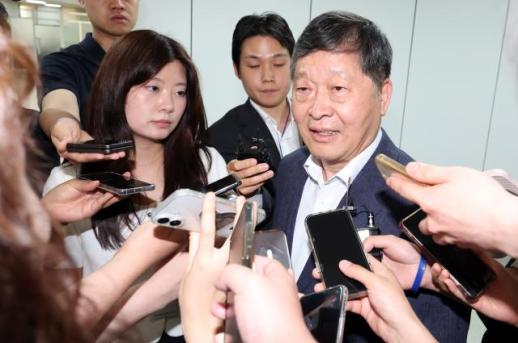 Samsung Electronics Strike Countdown: Mediation Talks Gain Momentum Samsung Electronics is entering the second day of mediation talks, with the possibility of a proposal from the Central Labor Commission. The commission is holding the second day of mediation talks from 10 a.m. to 7 p.m. on May 19 at the government complex in Sejong. The meeting is closed to the public. Park Soo-geun, chair of the Central Labor Commission, indicated during a break that a proposal may be forthcoming, stating, "It should come out. It’s still early, but there’s a possibility this evening." He noted that some differences between the parties have narrowed, saying, "A little," and mentioned that negotiations on sector-specific distribution rates are ongoing. Choi Seung-ho, chair of the joint action committee of the Samsung Electronics union, who had not made any statements before entering the meeting, said, "We will create a proposal that maximizes member satisfaction." When asked if they are maintaining their stance on institutionalizing performance bonuses, he replied, "Yes." Lee Myung-gu, head of the People Team for Samsung Electronics' Device Solutions (semiconductor division), stated before entering the meeting, "We will do our best until the end." As he entered the meeting, Park responded to a question about whether the opinions of both sides are converging, saying, "Some are narrowing," and added that they would confirm the differences from the morning session. Regarding the mediation proposal, he explained, "We will see if both sides can reach an agreement; if it seems unlikely, we will present it. For now, there is still a possibility of an agreement between the two parties, so we will decide after observing." He stated that a draft of the mediation proposal has not yet been prepared. Samsung Electronics and its union are engaged in the second round of mediation talks at the request of Minister of Employment and Labor Kim Young-hoon, ahead of a planned strike on May 21. In the previous day's meeting, both sides outlined their positions and began negotiations on key issues such as the criteria and caps for performance bonuses. The Central Labor Commission plans to listen to both sides and find common ground to prepare a mediation proposal. However, if the meeting extends, it may continue until May 20. The first round of mediation held on May 11-12 also concluded in the early hours of May 13. The government has indicated that it may invoke emergency mediation powers if the strike at Samsung Electronics materializes. The union has announced that the strike is set to begin on May 21, just two days away. 2026-05-19 13:55:18
 -
 South Korea Allocates $10 Million to Support Jobs Amid Middle East Conflict The South Korean government is stepping up job support in regions expected to be affected by the ongoing conflict in the Middle East. On May 19, the Ministry of Employment and Labor announced plans to expand the Regional Industry Customized Job Project, also known as the “Buttress Project,” targeting eight cities and provinces where industries are concentrated and likely to suffer from the conflict's impact. Concerns have arisen over rising oil prices and a slowdown in domestic demand due to the conflict. The Korea Development Institute (KDI) noted in its May economic trends report released on the 12th that while the effects of the conflict were not immediately visible in March's economic indicators, ongoing disruptions in oil transportation are increasing production costs and posing downside risks to the economy. Additionally, the National Data Agency's employment trends for April revealed that the number of employed persons increased by only 74,000, marking the smallest gain in 16 months. In response, the ministry has bolstered its employment crisis response by adding 12 billion won to the previously allocated 45 billion won budget for this year. The ministry reviewed project proposals submitted by nine cities and provinces and selected eight regions in urgent need of support, distributing a total of 13 billion won. The allocations include 2 billion won each for Daegu (textiles), Daejeon (logistics and transportation), Chungbuk (plastics and cosmetics), and Gyeongnam (equipment and metals). Busan (ports and transportation) and Jeju (tourism transportation) will receive 1.5 billion won each, while Gyeonggi (petrochemicals, plastics, and textiles) and Jeonbuk (chemicals and rubber) will each receive 1 billion won. Each local government will implement job support packages tailored to the characteristics of their regional industries. For example, support will be provided for the stabilization of living and housing for workers in freight transportation and tourism, along with retention bonuses for long-term employees. Additionally, living support funds will be offered to employees of companies maintaining employment, as well as reemployment support funds for those transitioning to new jobs. The ministry plans to allocate the budget to local governments in May to ensure swift implementation of the projects on the ground. Minister of Employment and Labor Kim Young-hoon stated, "Through this supplementary budget, we hope that local industries and workers facing difficulties due to the Middle East conflict can quickly overcome the employment crisis. We will carefully listen to the voices from the field and work to create a job environment that aligns with local economic conditions."* This article has been translated by AI. 2026-05-19 13:07:51
 -
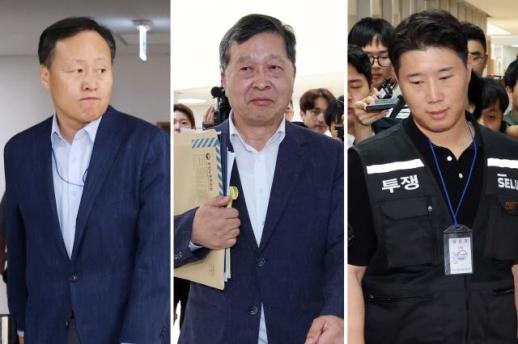 Samsung Electronics Strike Looms as Mediation Talks Continue As the second day of mediation by the Central Labor Relations Commission (CLRC) unfolds, attention is focused on whether Samsung Electronics and its labor union can find common ground. The CLRC is conducting the second day of mediation talks for Samsung Electronics' 2026 negotiations from 10 a.m. to 7 p.m. at the government complex in Sejong. The meeting is closed to the public. Prior to entering the meeting, Choi Seung-ho, chairman of the Samsung Electronics union's joint action headquarters, refrained from making any comments. Ye Myung-gu, head of the Device Solutions (DS) division's people team, stated, "We will do our best until the end" before entering the meeting room. Park Soo-geun, chairman of the CLRC, commented upon entering the meeting that some opinions are being narrowed down, saying, "We will confirm the differences that existed this morning." He added regarding the mediation proposal, "We will assess whether a resolution is possible between the two parties and will present a proposal if it appears unlikely. However, there is still a possibility for an agreement, so we will decide after observing the situation." He also noted that a draft proposal has not yet been prepared. The negotiations come ahead of a planned strike on May 21, following a request from Minister of Employment and Labor Kim Young-hoon to resume mediation talks starting the previous day. During the prior meeting, both sides outlined their positions and engaged in discussions over key issues such as performance-based pay criteria and limits. The CLRC believes that both sides are making progress. Park Jang-beom, a mediation officer at the CLRC, remarked, "Both parties have been proactive. We have heard enough from both sides, and we have seen some changes in the various proposals discussed, which have progressed smoothly so far." As the meeting continues, there is keen interest in whether the two sides will reach an agreement. The CLRC plans to listen to both parties and find common ground to formulate a mediation proposal. However, if the meeting extends, it may continue into May 20. The first round of mediation held on May 11-12 also concluded in the early hours of May 13. The government has indicated that it may invoke emergency mediation powers if the strike at Samsung Electronics becomes a reality.* This article has been translated by AI. 2026-05-19 11:28:03
 -
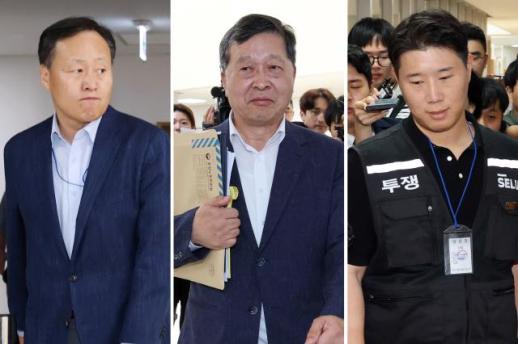 Samsung Electronics Strike Looms as Mediation Talks Continue Samsung Electronics and its labor union are entering the second day of mediation by the Central Labor Relations Commission, with both sides seeking common ground ahead of a potential strike. The commission is holding a closed-door meeting from 10 a.m. to 7 p.m. at the Government Sejong Building on May 19. Prior to the meeting, Choi Seung-ho, head of the joint action committee for the Samsung Electronics union, refrained from making comments. However, Yeom Myung-gu, head of the People Team for the Device Solutions division, stated, "We will do our best until the end" before entering the meeting. The negotiations come as Samsung Electronics prepares for a strike scheduled for May 21, following a request from Minister of Employment and Labor Kim Young-hoon to engage in mediation starting the previous day. During the initial meeting, both sides outlined their positions and discussed key issues, including the criteria and caps for performance bonuses. The commission has indicated that progress is being made. Park Jang-beom, a mediation officer, noted, "Both sides have been proactive. We have heard enough from both parties and are assessing whether there have been any changes to the various proposals discussed so far. The process has been smooth." As the meeting continues, there is keen interest in whether the two sides will find common ground. The commission plans to gather feedback from both parties and develop a mediation proposal. However, if discussions extend, the meeting may continue into the early hours of May 20, similar to the first mediation session held on May 11-12, which concluded in the early hours of May 13. The government has also indicated that it may invoke emergency mediation powers if the strike materializes.* This article has been translated by AI. 2026-05-19 10:20:12
 -
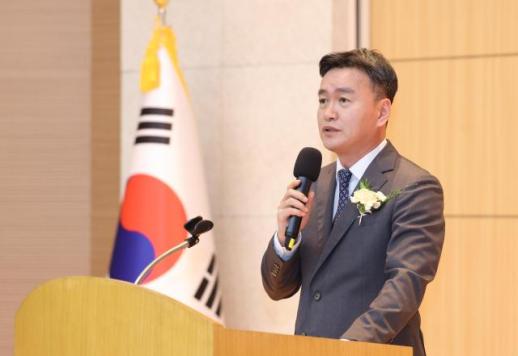 New Customs Chief Lee Jong-wook Announces Overhaul of Border Monitoring System Lee Jong-wook, the newly appointed Customs Commissioner, stated on May 18 that he plans to completely redesign the border monitoring system to safeguard citizens from transnational crimes such as drug trafficking and gun smuggling. He also pledged to develop multifaceted and effective policies to support exports and imports. During his inauguration ceremony at the Daejeon government complex, Lee highlighted ongoing challenges, including supply chain disruptions due to the Middle East crisis, uncertainties in global trade barriers, and the spread of transnational crimes like drug trafficking. He emphasized the growing public demand for strict law enforcement to support export-import businesses and eradicate unfair practices in society. Lee outlined plans to reconstruct the monitoring and enforcement network based on entry routes, enhance the collection and utilization of domestic and international crime information, expand international joint enforcement systems, and develop sophisticated risk analysis techniques to elevate inspection protocols. He stressed the need to bolster organization, personnel, and equipment to create a robust and impenetrable border against smuggling. Regarding export-import support, he committed to swiftly implementing comprehensive measures to protect small and medium-sized manufacturing enterprises and provide focused support for advanced technology industries, such as semiconductors, which are vital for the future national economy. He also promised to address minor inconveniences and challenges faced by businesses on the ground and to boldly innovate unreasonable regulations to enhance the business environment. Additionally, Lee announced plans to establish a law enforcement system capable of combating economic crimes related to trade and foreign exchange transactions. He vowed to take strict action against malicious tax evasion and to achieve a significant transformation in customs administration through artificial intelligence and digital innovation. He reiterated his commitment to providing all necessary support in customs administration to overcome the economic shocks caused by the ongoing Middle East crisis and to enhance the resilience of the national economy. Lee quoted the famous Japanese warlord Takeda Shingen, saying, "People are the castle, the walls, and the moat." He emphasized that excellent policies and systems must be backed by the strength of those who implement them, aiming to create a healthy customs service characterized by communication, cooperation, and a balance of results and accountability.* This article has been translated by AI. 2026-05-18 19:26:41
 -
 Increase in Banner Installation Ahead of Local Elections; Labor Ministry Urges Safety Compliance As the nationwide local elections approach in two weeks, labor authorities are urging candidates to take precautions against accidents that may occur during the installation and removal of campaign banners. According to the Ministry of Employment and Labor on May 18, a surge in banner work is expected ahead of the June 3 local elections, the ninth of its kind. Each candidate is allowed to post banners up to twice the number of administrative districts they represent. In cases where electoral districts overlap, the total number of banners must be allocated according to the established regulations for each election. This means that with 7,829 candidates registered for this election, there could be a significant number of banners displayed. Particularly, the installation and removal of banners often involve working from rooftops, ladders, or aerial work platforms, which increases the risk of falls. Given that these activities are concentrated and competitive during the election campaign period, thorough preparations are essential. In fact, following the eighth nationwide local elections in 2022, there were a total of 350 industrial accidents related to banner work, with fall-related incidents accounting for 49.4% (173 cases) of the total. In response, the Labor Ministry has urged candidates to pay special attention to preventing accidents during banner installation and removal. They have posted key accident cases and a safety checklist on their website and sent guidance text messages to registered candidates. The ministry emphasized the importance of adhering to basic safety measures, including: wearing protective gear such as helmets during work, conducting pre-checks on equipment like ladders and aerial work platforms, securely stabilizing ladders to prevent falls, prohibiting movement while on elevated platforms, and deploying traffic controllers during road work. Oh Young-min, Director of the Safety and Health Supervision Bureau at the Labor Ministry, stated, "The installation and removal of banners carry a high risk of falls, and a moment of negligence can lead to serious accidents. It is crucial that basic safety rules are followed during the election campaign to prevent accidents."* This article has been translated by AI. 2026-05-18 13:52:00
 -
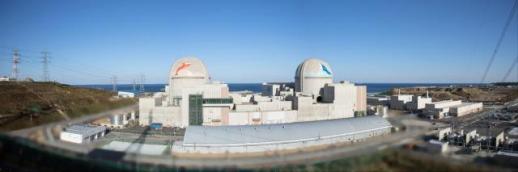 Korea's Proposed Nuclear Decommissioning Standards May Set Global Benchmark Amid rising global demand for nuclear decommissioning, South Korea's proposed standards for the process are gaining traction as potential international benchmarks. The Ministry of Trade, Industry and Energy announced on May 18 that South Korea's 'nuclear decommissioning' standard, the first of its kind, has received approval as a new work item standard (NP) from nine member countries, including the United States, China, and Japan, at the International Organization for Standardization (ISO) in June 2023. This approval follows over three years of discussions within the Technical Committee 85 (Nuclear). The standard encompasses general requirements applicable throughout the entire nuclear decommissioning process, from defining key terms to planning, execution, and management. South Korea aims to finalize the international standard (IS) by December 2027, having begun to gather input from various countries. The global nuclear decommissioning market is on the rise, with industry experts predicting that over 400 to 600 reactors worldwide will enter the decommissioning phase by 2050. The market size is estimated to reach approximately 500 trillion won. However, only a few countries, including the United States, Germany, Japan, and France, have commercial nuclear decommissioning experience, indicating a high barrier to entry due to the complexities involved in handling radioactive waste, contamination removal, radiation safety management, and site restoration. Should South Korea's proposed decommissioning procedures and technologies be recognized as global standards, it could enhance the influence of the Korean model in the international nuclear decommissioning market. The National Standards Agency plans to sequentially develop nine international standards addressing detailed technologies related to radioactive contamination removal and disposal, waste management, and site restoration. Notably, experts from the International Atomic Energy Agency (IAEA) will participate in this standardization effort to ensure alignment with international nuclear safety standards. This collaboration is expected to position South Korea's leadership in establishing international standards that could serve as practical benchmarks for the global nuclear decommissioning industry. Kim Dae-ja, head of the National Standards Agency, stated, "The establishment of this standard marks a significant advancement for our country in leading international standards in the nuclear decommissioning field. We will also take the lead in establishing de facto standards through organizations like ISO and ASME (American Society of Mechanical Engineers) to support the export competitiveness of K-nuclear."* This article has been translated by AI. 2026-05-18 13:09:42
 -
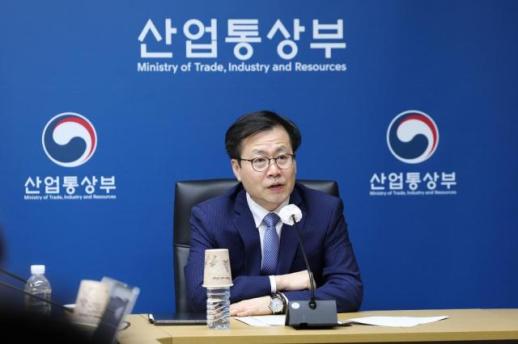 Yeo Han-goo: Accelerating Ongoing Trade Negotiations for Swift Results Yeo Han-goo, head of the Trade Negotiation Bureau at the Ministry of Trade, Industry and Energy, stated on May 18 that in light of the ongoing uncertainties in the global trade environment and the expanding protectionist measures by major countries, it is essential to accelerate ongoing trade agreement negotiations to achieve prompt results for South Korean companies' stable market access. Yeo made these remarks during the 56th Trade Promotion Committee meeting held at the Seoul Chamber of Commerce and Industry, attended by relevant government departments. He emphasized the importance of close cooperation between the government and industry to proactively respond to these challenges. The meeting addressed several key topics, including the current trends in World Trade Organization (WTO) discussions and future responses, the status of European Union (EU) steel measures and response plans, updates on recent trade agreement negotiations, and plans for consultations related to Section 301 of the Trade Act with the United States. Participants analyzed the domestic impacts following the failure to reach an agreement on the extension of the e-commerce moratorium and the TRIPS moratorium during the recent 14th WTO Ministerial Conference (MC-14) and General Council meetings. The e-commerce moratorium maintains a duty-free practice for electronic transmissions, while the TRIPS moratorium postpones disputes regarding non-violation situations under intellectual property agreements. Previously, Yeo had discussed the moratorium extension at the WTO MC-14 held in Cameroon from March 26 to 30. However, due to opposition from some member countries, the agreement was not finalized. The Ministry expressed regret over the failure to extend the moratorium during the WTO General Council meeting held in Geneva on June 6-7. The government plans to collaborate with like-minded countries to push for the moratorium extension and actively participate in discussions on WTO reforms. Additionally, the meeting reviewed recent developments regarding the EU's steel measures and discussed cooperation plans. It also assessed the progress of major trade agreements, including the Korea-India Comprehensive Economic Partnership Agreement (CEPA) and the Korea-Mongolia CEPA, aiming to achieve results within the year. Furthermore, updates were shared regarding the ongoing Section 301 investigation by the U.S. Trade Representative (USTR). Yeo stated, "We will actively take on a leadership role that matches our country's status, which has grown through free trade, in the discussions on restoring the WTO and multilateral systems. We will do our utmost to secure a stable trade environment for our companies and maximize national interests by utilizing various channels, including the WTO, trade agreements, and bilateral consultations."* This article has been translated by AI. 2026-05-18 13:07:56
 -
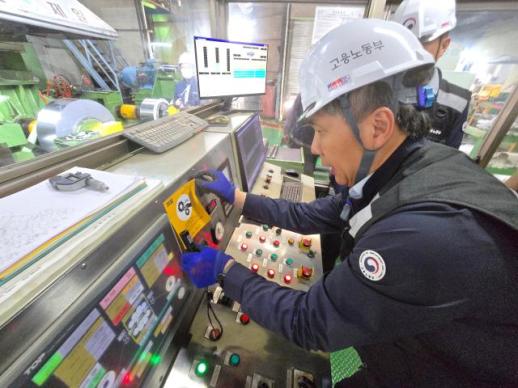 Labor Ministry Reports Increase in Manufacturing Injuries, Urges Safety Measures Despite a downward trend in industrial accident fatalities in the first quarter of this year, the number of entrapment accidents in the manufacturing sector has increased, prompting labor authorities to conduct inspections. On May 15, the Ministry of Employment and Labor announced that Ryu Hyun-cheol, head of the Industrial Safety and Health Agency, led surprise inspections alongside local officials and safety inspectors to eradicate entrapment accidents in manufacturing. According to the ministry's statistics for the first quarter of 2026, the number of industrial accident fatalities decreased to 113, down 24 (17.5%) from the same period last year. This marks the lowest number of fatalities recorded for the first quarter since the ministry began compiling such data, with 98 deaths reported, a decrease of 31 (24.0%) from 129 fatalities in the first quarter of the previous year. However, fatalities in the manufacturing sector rose sharply to 52, an increase of 23 (79.3%) compared to 29 deaths a year earlier. The number of fatal accidents also rose to 39, up 10 (34.5%) from 29 in the same period last year. A significant factor contributing to this rise was a surge in fatalities from fire, explosion, and rupture incidents, which increased by 14 (700%) to 16 deaths due to a fire incident in March. Other causes of fatalities included entrapment (8 deaths), crushing and overturning (7 deaths), collisions (5 deaths), and being struck by objects (5 deaths). In response, labor authorities are focusing on ensuring compliance with key safety protocols, such as shutting off power during maintenance and inspections, to prevent entrapment accidents in manufacturing. Ryu also conducted an unannounced visit to a metal product manufacturing facility in Gimpo, where entrapment incidents have repeatedly occurred, to assess safety management practices. The inspections revealed several safety hazards, including the absence of protective covers on rotating machinery, lack of safety railings at openings, and inadequate measures to prevent slips due to oil leaks. Immediate improvements were ordered for these risks. Ryu emphasized that slippery conditions caused by oil leaks and mist could lead to major accidents, similar to the recent fire incident, and called for fundamental measures to eliminate these hazards. Ryu Hyun-cheol stated, "Ensuring safety is a fundamental responsibility that companies must fulfill. Workplace safety cannot be compromised or negotiated. To prevent repeated entrapment accidents, it is essential to turn off power during machine maintenance and repairs. This basic principle of power shutdown must be strictly adhered to in the field to save lives."* This article has been translated by AI. 2026-05-15 23:48:00