
Journalist
Arthur I. Cyr
davekim0807@ajupress.com
-
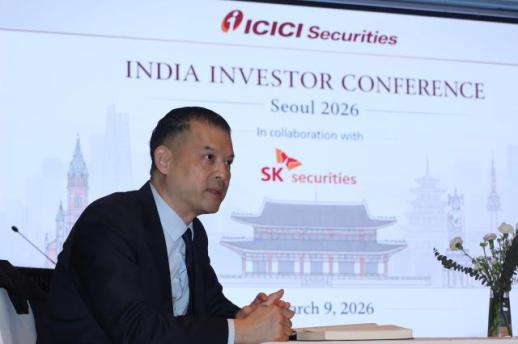 Korea and India beef up institutional financing to prepare for expanding business ties SEOUL, March 09 (AJP) - Institutional financing links between South Korea and India are gaining traction as the world's most populous nation accelerates economic expansion and seeks advanced manufacturing capabilities in sectors ranging from small modular nuclear reactors to defense and shipbuilding. A closed-door investor relations conference jointly hosted by SK Securities and India's ICICI Group in Seoul on Monday underscored the growing momentum. The event drew major Korean institutional investors including Korea Investment & Securities, Mirae Asset Securities and the National Pension Service, alongside prominent Indian conglomerates such as the Adani Group. "There is a lot of complementarity between the two countries' industries," said Patrick Han, head of global business at SK Securities. "Financial institutions can play a key role in facilitating foreign direct investment and industrial cooperation." India, now the world's fifth-largest economy with a gross domestic product of roughly $4.1 trillion, has emerged as an increasingly attractive destination for Korean capital. The United Nations projects the country's economy will expand about 6.6 percent in 2026, maintaining its position as the fastest-growing major economy. Despite the momentum, economic ties remain relatively underdeveloped compared with their potential. Trade between the two countries reached about $26.9 billion in the 2024–25 fiscal year, according to combined data from Seoul and New Delhi. For India, South Korea ranks as a mid-tier trading partner. For Korea, however, the Indian market still accounts for only around 3 percent of total exports — far behind its major destinations such as China, the United States and Vietnam. Similarly, Korean investment in India remains modest. According to India's Ministry of External Affairs and the India Brand Equity Foundation, cumulative Korean foreign direct investment in India has totaled roughly $6.7 billion since 2000, placing Korea around the 13th-largest investor. A broader estimate by the Indian government suggests cumulative investment may be closer to $10 billion, with about $929 million flowing into India in 2024 alone. Market participants say the relatively low base leaves significant room for expansion as both economies seek to diversify supply chains and investment partnerships. Nuclear sector opens new opportunities One area drawing particular interest from investors is India's newly liberalized nuclear energy sector. India's parliament passed legislation in December 2025 allowing private companies for the first time to participate in the country's nuclear power industry, opening the door for foreign investors and technology providers. Frederick Peter Jones, co-founder of Fairwood Nuclear and a veteran energy executive who previously served as a strategic adviser to the president of the Organization of the Petroleum Exporting Countries, attended the conference specifically to explore investment opportunities related to small modular reactors. "India is very interested in SMRs and all forms of energy, including green energy like solar and wind," Jones said. "Energy demand is enormous, and the country is looking at every possible option." India has allocated 20,000 crore rupees, or about $2.16 billion, for SMR research and development under a new Nuclear Energy Mission. The government aims to deploy at least five domestically developed SMRs by 2033. Defense cooperation deepens The conference also highlighted expanding opportunities in the defense sector, where Korean technology has gained increasing attention following renewed tensions along the India-Pakistan border. India is preparing to induct an additional 100 K9 Vajra-T self-propelled howitzers manufactured by Hanwha Aerospace, reflecting deepening defense ties between the two countries. Korean companies have also demonstrated the viability of the Indian capital market through successful listings. Shares of LG Electronics India surged about 50 percent on their market debut in October 2025 after the initial public offering attracted the strongest investor demand for an Indian listing since 2008. Hyundai Motor India had earlier raised about $3.3 billion in October 2024 in what was then India's largest-ever IPO. Shipbuilding emerges as another pillar Shipbuilding is emerging as another promising area for bilateral industrial cooperation. Korean shipbuilders are exploring potential technology transfers for conventional vessels such as tankers and bulk carriers to Indian partners, potentially providing an alternative to China's dominance in the segment. In an interview with AJP earlier this year, Indian Ambassador to South Korea Gourangalal Das said New Delhi is actively seeking Korean expertise to build up its domestic shipbuilding industry. "There is huge demand for ships in India," Das said. "Korea brings a lot of value in terms of technology and competence, and it is a trusted partner." India is backing that ambition with one of its most comprehensive industrial policy drives in decades. Under the country's Union Budget announced last year, New Delhi unveiled a large-scale shipbuilding support program combining financing assistance, cost subsidies and cluster-based industrial development. The initiative is aligned with the government's long-term road maps — Maritime India Vision 2030 and Amrit Kaal Vision 2047 — which aim to position India among the world's top 10 shipbuilding nations by 2030 and among the top five by 2047. Infrastructure hurdles remain Despite growing financial and industrial cooperation, logistical barriers remain. One persistent obstacle is the lack of direct air connections between the two countries' major business centers. There are currently no direct flights between Mumbai and Seoul, forcing travelers to transit through hubs such as Hong Kong, Singapore or Bangkok. Industry officials say improving connectivity could significantly boost financial and business exchanges. The partnership between SK Securities and ICICI Group is expected to extend beyond financial services. Follow-up meetings scheduled this week will involve major Korean conglomerates in industries including automobiles, shipbuilding, semiconductors and batteries as both sides explore new investment and technology partnerships. The discussions also come ahead of a state visit to India that New Delhi is organizing for later this year, according to Ambassador Das. 2026-03-09 17:37:41
 -
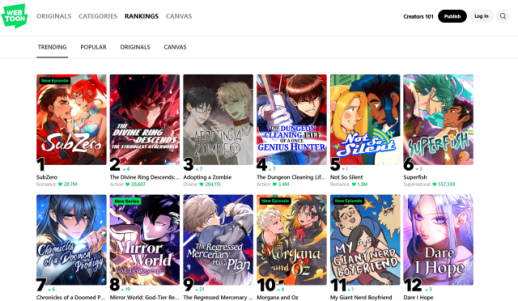 Webtoon Entertainment's simultaneous global releases boost revenue by up to 200% in piracy fight SEOUL, March 09 (AJP) - Webtoon Entertainment, a Naver-controlled company, announced that a pilot program releasing Korean-language webcomics simultaneously across global markets drove payment revenue up by as much as 200 percent, underscoring the platform's intensifying campaign to claw back earnings lost to piracy. The Nasdaq-listed company said Monday that it had tested the initiative on four original Korean titles — including "Childhood Friend Complex" — that are serialized in English, French, Thai and Indonesian. By aligning global release dates with the Korean-language service for series returning from hiatuses of five months to a year, the platform eliminated translation delays that had long left overseas readers reliant on pirate sites for the latest chapters. The results showed that "Childhood Friend Complex" recorded the sharpest surge at about 208 percent in global payment revenue compared to its eight-week pre-hiatus average, other top webtoons following the spike as well. Weekly readership also climbed across all four titles, with "Lee Seop's Romance" posting the highest gain at 82 percent. The company attributed the gains largely to the absorption of paying users who had previously turned to unlicensed translation sites during the gap between Korean and global publication. Titles typically struggle to recover pre-hiatus readership and revenue levels after prolonged breaks, making the immediate rebound all the more notable. "Simultaneous releases demand close collaboration between creators and the platform," Kim Yong-soo, president of Webtoon Entertainment, said. "We will build a fast, efficient translation support system to minimize the burden on creators while working to protect the revenue that has been siphoned off by illegal sites." The simultaneous release strategy operates in tandem with Webtoon Entertainment's proprietary anti-piracy technology, Toon Radar, which uses artificial intelligence to embed invisible identifiers in webtoon images and track unauthorized distribution. The company said the number of titles illegally copied on the day of their official release fell by about 80 percent as of November compared to the average for the first three quarters of the year. 2026-03-09 11:33:47
 -
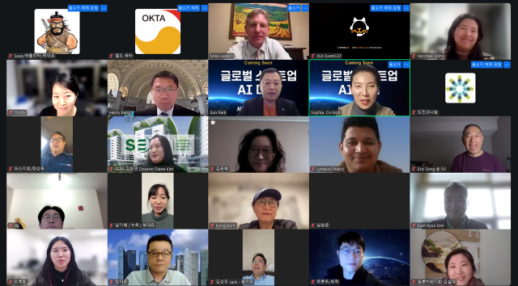 World-OKTA wraps up entrepreneurship training for global AI startup hopefuls SEOUL, March 09 (AJP) - The World Federation of Overseas Korean Traders Associations (World-OKTA) said on Monday it has completed a four-day online entrepreneurship training program designed to sharpen the skills of aspiring founders ahead of its 2026 OKTA Global AI Startup Pitch Competition slated for March 31 in Seoul. Faculty from UC Berkeley, Stanford University and San Jose State University, alongside active venture capital professionals based in Silicon Valley, delivered six sessions spanning AI-driven idea discovery, venture capital investment structures, AI business model design and emerging trends in AI agent technology. "Graduates of this program will receive certificates and be invited to the hybrid-format finals of the Global Startup Competition on March 30," said Sun Park, World-OKTA's branch president of Atlanta. "We also plan to establish a World-OKTA global startup alumni network so that participants can continue to grow as a lasting entrepreneurial community." The initiative builds on the momentum of World-OKTA's inaugural startup competition held in Incheon's Songdo last October, where about 100 startups participated and overseas venture capitalists committed a combined $600,000 in investment. Among the recipients, hydrogen alternative energy developer Viologen secured $500,000 and sleep apnea biotech firm MD Staage raised $100,000. This year's competition, to be held at COEX Magok Convention Center in western Seoul, aims to identify and nurture innovative AI startups led by Korean entrepreneurs worldwide and connect them with global investors and market opportunities. 2026-03-09 10:56:26
 -
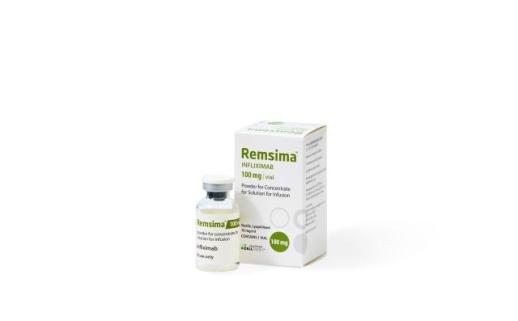 Celltrion solidifies biosimilar dominance across key Asian markets SEOUL, March 09 (AJP) - Celltrion has tightened its grip on major Asian biosimilar markets, with several of its flagship products commanding leading market shares in Singapore, Hong Kong, Thailand and Malaysia, buoyed by an aggressive direct-sales push and a steady pipeline of new launches. Data from IQVIA showed that Celltrion's autoimmune treatment Remsima (infliximab) held the top prescription spot across all four markets as of the third quarter of 2025, capturing 93 percent of the market in Singapore, 77 percent in Hong Kong, 73 percent in Thailand and 65 percent in Malaysia. The company's oncology portfolio has also gained considerable traction. Breast and gastric cancer treatment Herzuma (trastuzumab) secured market shares of 87 percent in Thailand, 57 percent in Hong Kong and 51 percent in Malaysia, while blood cancer drug Truxima (rituximab) held 90 percent in Singapore and 79 percent in Thailand — all ranking first in their respective categories. In Singapore, Celltrion's adalimumab biosimilar Yuflyma has overtaken the original biologic to claim the second-highest market share. The company's Singapore unit plans to roll out a 20mg dosage of Yuflyma alongside the existing 40mg option ahead of upcoming adalimumab tenders, aiming to widen its competitive edge. Celltrion has also launched Yuflyma in Malaysia and Thailand. Celltrion's Thai subsidiary has forged long-term partnerships with every university hospital in the country, where Remsima, Truxima and Herzuma are now used as the sole biosimilar in each of their categories. The firm is broadening its product lineup across the region, with plans to secure approval for Stoboclo-Osenvelt (denosumab) in Singapore this year and to introduce three new products — Steqeyma (ustekinumab), Vegzelma (bevacizumab) and Omlyclo (omalizumab) — in Thailand. "We are elevating prescription outcomes on the back of product competitiveness and supply stability in Asia's tender-driven markets, and positive perceptions of Celltrion products are spreading rapidly," a company spokesperson said. "We will devote our full efforts to deepening the performance of existing products while ensuring the timely launch of new ones." 2026-03-09 10:16:21
 -
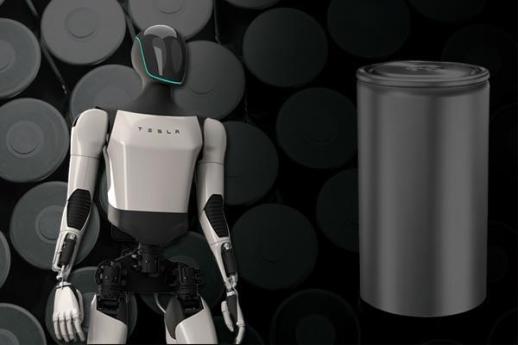 Korean makers bet on ultra high-nickel batteries to challenge China's supremacy SEOUL, March 06 (AJP) - South Korea is positioning ultra high-nickel batteries as its trump card in the global battery war, betting that a widening technology gap with China and fresh regulatory tailwinds from Europe will reshape the competitive landscape for premium electric vehicles and humanoid robots. The push comes at a pivotal moment, with the European Union this week unveiling its Industrial Acceleration Act (IAA) — a policy framework that effectively erects a double-layered protective barrier around Europe's clean-technology industries. The Middle East conflict, now entering its second week, has also introduced an unexpected variable. Brent crude has surged more than 36 percent this year, a shock that could accelerate the global shift toward electrification and sharpen demand for the high-density batteries in which Korean manufacturers specialize. The technology gap At the center of Korea's strategy is ultra high-nickel cathode technology — batteries in which nickel content exceeds 94 percent. These cells deliver 30 to 40 percent higher energy density than the widely used NCM 811 standard, translating into longer driving ranges for electric vehicles and extended operational hours for robots. South Korean cathode maker L&F became the first company in the world to mass-produce cathode materials with 95 percent nickel content late last year, and is now pushing toward 97 percent. Chinese battery giants CATL, CALB and EVE Energy, by contrast, have yet to overcome yield challenges above 90 percent nickel. Korean battery executives estimate the technology gap at more than two years — a margin that widens further when combined with Korea's head start in 46-series cylindrical cell formats. Tesla and the humanoid robot catalyst Tesla's decision to adopt ultra high-nickel cells for its premium lineup has handed Korean suppliers a powerful tailwind. The U.S. automaker has been scaling back its in-house battery production efforts and increasingly sourcing finished cells from partners. The shift effectively ended Tesla's direct cathode procurement from L&F but redirected demand through LG Energy Solution. LG Energy Solution began shipping batteries made with L&F's ultra high-nickel cathode materials to Tesla in the second half of last year, with the cells powering the Model Y Long Range and other premium variants. Tesla also plans to equip its Optimus humanoid robot with high-nickel cells, adding a new layer of demand. The arrangement has reshaped traditional supply hierarchies. LG Energy Solution selected L&F over its own parent company LG Chem as a cathode supplier, because L&F was the only producer capable of delivering ultra high-nickel materials at commercial scale. The humanoid robot market could amplify that advantage. TrendForce forecasts global shipments of humanoid robots will exceed 50,000 units this year, representing more than 700 percent year-on-year growth, with high-nickel ternary lithium batteries expected to dominate the segment. By contrast, LFP batteries, which dominate the low-cost EV market, lack the energy density required for bipedal machines that must fit batteries into compact torso or backpack compartments. That limitation gives Korean NCM battery makers a natural advantage — even in China's fast-growing robotics market. Europe tightens the screws The EU's Industrial Acceleration Act adds another strategic dimension. Under the legislation, industries in which a single non-EU country holds more than 40 percent of global manufacturing capacity face strict investment conditions — a provision widely interpreted as targeting China. Korea's big three battery makers — LG Energy Solution, Samsung SDI and SK On — all operate production facilities in Europe, putting them in a stronger position than Chinese competitors facing dual regulatory scrutiny. Korean manufacturers once held roughly 80 percent of Europe's EV battery market in 2022, but that share has since dropped to about 35 percent. Industry observers say the IAA could trigger a supply-chain reorganization that allows Korean players to reclaim part of the lost ground. "Hyundai, Kia and Korean battery makers with European plants are expected to expand their market share, and exports from Korean factories are also likely to increase," said Chang Jung-hoon, analyst at Samsung Securities. "Unlike the U.S. Inflation Reduction Act, the IAA treats FTA partner countries on equal footing with EU members. Companies simply need to keep sourcing from any single country — namely China — below 40 percent," Chang said. "The legislation also requires EU-origin battery cells, which will pressure Chinese firms seeking to expand capacity in Europe but benefits Korean companies that have already established meaningful local production." Middle East war and the bigger picture The escalating Middle East conflict adds another layer of uncertainty. The Strait of Hormuz, through which roughly 20 percent of globally traded crude oil flows, has become an active flashpoint. China, India, Japan and South Korea together account for nearly 70 percent of shipments through the strait. Historically, rising oil prices strengthen the economic case for electrification. But the conflict may also dampen China's EV export momentum. Lithium prices in China have fallen sharply amid weakening demand expectations, even as Morgan Stanley forecasts a global lithium supply deficit of about 80,000 metric tons this year. Still, the near-term picture remains challenging for South Korea. Data released by SNE Research showed global EV battery usage reached 71.9 gigawatt-hours in January, up 10.7 percent year-on-year, but Korea's three major battery makers all recorded negative growth. Their combined global market share fell 4.3 percentage points to 12.0 percent, dragged down in part by a 30.2 percent slump in U.S. EV sales after purchase subsidies under the Inflation Reduction Act expired in late September. Supply volumes from SK On and Samsung SDI fell 21.3 percent and 24.4 percent respectively. By contrast, CATL expanded installed capacity by 25.7 percent, lifting its market share to 45.2 percent for the month. Despite China's dominance in volume, some analysts say the longer-term trajectory could look different. SNE Research argues the battery market is shifting away from a pure volume-driven competition toward a phase where price competitiveness, product value and supply-chain stability must be balanced — a dynamic that could ultimately favor Korea's strength in premium high-density batteries. Market projections point in the same direction. The global high-nickel cathode materials market is expected to expand from $7.27 billion in 2025 to $22.26 billion by 2034, according to Precedence Research. "The high-nickel market is in a bit of a lull right now. LFP still dominates segments such as energy storage, where cost and stability matter most," said Kim Ki-jae, professor of battery science and engineering at Sungkyunkwan University. "High-nickel cells could come into their own once the humanoid robot market opens up in earnest — but the real game has not started yet." 2026-03-06 14:07:01
 -
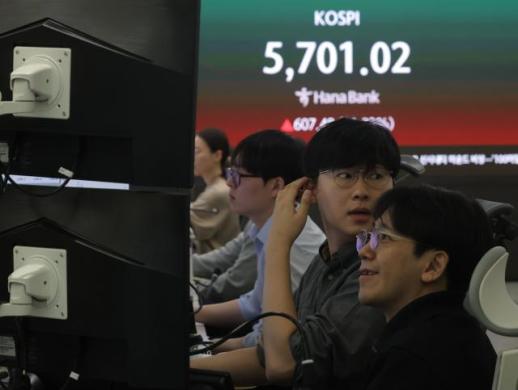 Seoul issues strong verbal intervention after two-day rout, markets rebound SEOUL, March 05 (AJP) -Seoul authorities issued a strong verbal intervention to calm markets Thursday, signaling readiness to deploy large-scale liquidity if needed after the country’s stock market suffered its steepest two-day rout on record following the outbreak of war in the Middle East. Officials reassured investors that Seoul stands ready to tap a 100 trillion won ($75 billion) market stabilization program should financial volatility intensify, as the benchmark KOSPI plunged more than 20 percent in two sessions, rattled by soaring oil prices and geopolitical risks stemming from U.S.-Israeli strikes on Iran. President Lee Jae Myung urged financial authorities to swiftly execute the stabilization package if needed during an emergency Cabinet meeting in Seoul. “The crisis in the Middle East is worsening the global economic and security environment,” Lee said. “I ask that the 100 trillion won market stabilization program prepared to preempt instability in funding markets be executed and managed promptly and appropriately.” Lee instructed ministries to draw up contingency plans and actively respond to heightened volatility in financial markets, including equities and foreign exchange. Financial Services Commission Chairman Lee Eok-won said regulators have already convened multiple financial market monitoring meetings and reiterated that authorities are prepared to operate the stabilization program “at full readiness.” “We have delivered preemptive stabilization messages to the market and will actively operate a market stabilization program worth 100 trillion won plus additional measures if needed,” he said. “Given the high level of uncertainty, we will maintain maximum vigilance to stabilize financial markets and minimize spillover effects on the real economy.” Separately, the Financial Supervisory Service (FSS) held an emergency meeting with market experts to assess the recent spike in volatility and review the outlook for domestic equities. Participants — including strategists from global investment banks, brokerage research heads and analysts from the Korea Capital Market Institute — said the latest market swings were driven largely by geopolitical risks from the Middle East crisis and short-term profit-taking after the market’s strong rally earlier this year. Despite the sharp correction, experts broadly agreed that the underlying fundamentals of South Korea’s equity market remain intact and that the shock could prove temporary. They noted that corporate earnings remain solid and the government’s push for shareholder-friendly policies has strengthened market conditions in recent months, suggesting that excessive declines could form meaningful support levels. Before the Middle East conflict erupted, analysts had been steadily revising upward their 2026 KOSPI forecasts, citing improving corporate profitability and structural reforms in the capital market. FSS Senior Deputy Governor Hwang Sun-oh said regulators are reviewing a range of contingency measures and stand ready to implement phased responses under emergency stabilization plans if necessary. “We are closely examining various response options with the highest level of vigilance,” Hwang said. Authorities also warned that they would take a zero-tolerance approach to misinformation and market manipulation during the period of heightened volatility. “Criminal acts such as the distribution of fake news or price manipulation that exploit public anxiety must be thoroughly blocked,” President Lee said. “Those attempting to profit by causing confusion in the national economy will be held strictly accountable.” The stock and currency market sharply rebounded Thursday. The KOSPI is up 10 percent and KOSDAQ 12.6 percent higher as of 11:30 a.m.. The dollar is quoted at 1,463.80, down from Wednesday close of 1,476.6. 2026-03-05 11:33:41
 -
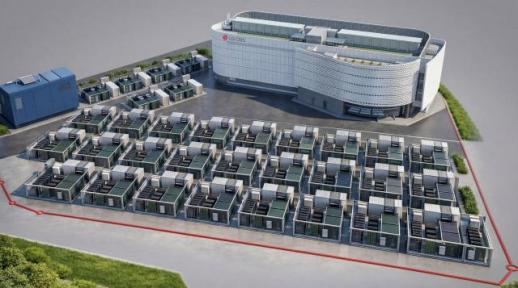 LG CNS launches modular AI data center deployable in six months SEOUL, March 05 (AJP) - LG CNS unveiled a container-based AI data center called "AI Box" that can be built in about six months, aiming to capture growing demand for rapid AI infrastructure deployment. The modular system shown Thursday houses up to 576 graphics processing units in a single container with 1.2 megawatts of server power capacity. Traditional data centers typically require about two years to construct, making the shortened timeline a potential advantage for enterprise customers seeking quick expansion of AI computing capabilities. The company said the standardized design allows customers to start with a single container and scale up to hyperscale capacity by combining dozens of units. AI Box integrates technologies from multiple LG Group affiliates, including cooling distribution units and air conditioning systems from LG Electronics and battery systems for uninterruptible power supplies from LG Energy Solution. "AI Box, which provides integrated AI servers, power, cooling and operations, will lead a new paradigm in the data center business," said Cho Heon-hyeock, Datacenter Business Unit Vice President at LG CNS. "We will expand the business to global markets including Southeast Asia and North America based on successful cases in the domestic market." The company plans to deploy its first AI Box at its Busan Global Cloud Data Center site and eventually build a campus of about 50 units on the 27,179-square-meter property to serve domestic AI infrastructure demand. 2026-03-05 10:24:33
 -
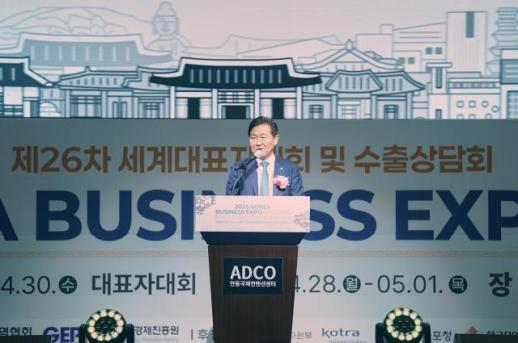 World-OKTA to host K-pop charity concert marking 45th anniversary SEOUL, March 05 (AJP) - The World Federation of Overseas Korean Traders Associations (World-OKTA) will hold a K-pop charity concert on April 1 at KBS Arena Hall in Seoul to mark its 45th anniversary, the organization said. The event, titled "OK Live Concert," represents the trade group's first official cultural project since its founding in 1981. World-OKTA operates about 140 chapters across 70 countries and has focused primarily on supporting Korean businesses abroad and fostering next-generation business leaders. "K-pop has become a global cultural language that connects young people around the world," an event organizer said. "We aim to present a new international exchange platform that combines economy and culture on the occasion of our 45th anniversary." The concert will feature performers spanning multiple genres, including trot singer Song Ga-in, K-pop vocalist Hyolyn, and hip-hop duo Dynamic Duo. World-OKTA said the lineup reflects its goal of bridging senior business leaders with younger generations through cultural engagement. The organization has positioned the event as a hybrid platform combining live performances with networking programs and brand partnership opportunities. The trade group said it is exploring the possibility of expanding the concert into a global tour in major cities. Sponsorship and partnership models are also under consideration. World-OKTA was founded in 1981 to build economic networks among overseas Korean entrepreneurs and support Korean small and medium-sized enterprises seeking international expansion. 2026-03-05 10:06:08
 -
 Middle East Crisis: Korean industries grapple with renewed oil shock SEOUL, March 03 (AJP) - The widening Middle East crisis, triggered by U.S.-Israeli attacks on Iran and Tehran's closure of the Strait of Hormuz, is poised to ripple across South Korea's industrial landscape — compounding pressure on the struggling petrochemical sector while opening fresh prospects for defense exporters. The joint U.S.-Israeli airstrikes on Iran, launched on Feb. 28, killed Supreme Leader Ayatollah Ali Khamenei and triggered retaliatory Iranian missile and drone strikes against U.S. military assets across the Gulf and multiple Arab states. As of Tuesday, fighting had entered a third day with no ceasefire in sight, and U.S. President Donald Trump outlined a four- to five-week timetable for the campaign. Brent crude surged more than 6 percent in Monday trading, briefly approaching $80 a barrel, while European gas prices spiked nearly 40 percent after Qatar halted LNG output at a major facility following intercepted drone threats. Analysts warn that a sustained disruption to Hormuz traffic could push oil above $100 a barrel. The strait carries about 20 percent of the world's crude oil and one-fifth of global LNG. South Korea's exposure is acute as the country imports 70.7 percent of its crude oil and 20.4 percent of its LNG from the Middle East, according to the Korea International Trade Association. Should detour routes become necessary, maritime freight rates could climb 50 to 80 percent, with insurance premiums surging as much as sevenfold akin to the levels of past Gulf crises. The Organization of the Petroleum Exporting Countries said Sunday it would raise output by 206,000 barrels per day in April, but that increase amounts to only a fraction of the roughly 15 million to 20 million barrels per day that normally transit the strait. For now, experts say the risk of a drawn-out conflict remains limited. "Predictions of a prolonged war are not widespread, given Iran's missile-launch capacity and other constraints," said Yoon Jae-sung, an analyst at Hana Securities. "The possibility of a short-term disruption to South Korea's crude oil procurement is limited." Yoon cautioned, however, that a full Hormuz blockade would have far more severe consequences than the energy shock triggered by the Russia-Ukraine war. "Massive supply disruptions would be inevitable not only for crude oil, petroleum products, gas and fertilizer, but also for petrochemicals, and short-term price spikes would follow," Yoon said, pointing to S-Oil, SK Innovation, Unid and Lotte Fine Chemical as companies relatively better positioned to weather volatility. Petrochemicals hit at worst possible timing The conflict arrives at one of the worst possible moments for South Korea's petrochemical industry, the world's fourth-largest producer of ethylene and propylene. The sector has been mired in losses since 2021, battered by Chinese overcapacity and chronically weak margins. Spot cash margins for naphtha-fed steam crackers in Northeast Asia stood at minus $293 per metric ton as of mid-February, according to Chemical Market Analytics by OPIS. South Korea is one of the world's largest importers of naphtha, the crude oil derivative that serves as the primary feedstock for its petrochemical complexes. About 80 percent of ethylene's selling price is tied to naphtha procurement costs. When oil rises, naphtha follows — but producers cannot pass on higher costs in a global market flooded with Chinese supply. The government approved its first major restructuring project just last week. On Feb. 25, the Ministry of Trade, Industry and Energy signed off on the "Daesan No. 1" plan, merging Lotte Chemical and HD Hyundai Chemical operations with a 2.1 trillion won ($1.43 billion) support package. Lotte Chemical's 1.1-million-metric-ton-per-year ethylene cracker will be shut over three years. The deal marks the first consolidation under a broader roadmap targeting a national reduction of up to 3.7 million metric tons of cracking capacity across the Daesan, Yeosu and Ulsan complexes. The restructuring was designed for a low-price, oversupply environment — a sudden crude spike upends those calculations entirely. Freight shock amplifies cost pressure Fuel volatility has already triggered sharp spikes in charter rates for very large crude carriers (VLCCs). Following the U.S.-Israeli strikes, VLCC charter costs surpassed $400,000 per day. Rates that had hovered in the low $200,000 range nearly doubled within days as Iran escalated threats to Hormuz. Projections suggest that if a blockade materializes, charter fees could climb as high as $800,000 per day. According to freight indices for the Middle East–to–East Asia route, the Worldscale index reached 410.44 on Monday, translating into a Time Charter Equivalent of $423,736 per day. That represents more than a twofold increase from Feb. 27 — just before the conflict erupted — when the index stood at 224.72 and TCE at $218,154. Compared with January levels, when TCE averaged $78,793, tanker freight costs have surged more than fivefold in roughly a month. Defense emerges as the clear industrial upside The sole industrial upside from widening armed conflict lies in defense. Korea's defense exports to the Middle East tripled from $241 million in 2019 to $747.5 million in 2024, according to the Export-Import Bank of Korea. The broader Middle East and North Africa region accounted for 27 percent of global arms imports between 2020 and 2024, with regional defense spending projected to reach $255.8 billion by 2029. "Even if the war ends early, weapons imports in the Middle East could increase over the mid- to long term as countries hedge against follow-up Iranian attacks and lingering uncertainty," said Chae Woon-sam, an analyst at Hana Securities. "Not only U.S. defense firms, but Korean defense companies are also expected to benefit from rising regional demand." The conflict has exposed Gulf states' vulnerability to missile and drone strikes, with attacks hitting airports, military bases and residential areas across Qatar, Jordan, Kuwait and Bahrain. That exposure is likely to accelerate demand for the air defense and missile interception systems South Korean firms have been actively marketing. Hanwha Aerospace signed a $3.2 billion Cheongung-II air defense contract with Saudi Arabia in November 2023 and a $3.5 billion missile system deal with the UAE in January 2022. On Feb. 8, Defense Minister Ahn Gyu-back traveled to Riyadh for talks during the World Defense Show 2026, where 40 Korean firms showcased hardware and the two countries signed a new memorandum of understanding on joint defense research and development. Hana Securities said the recent wave of missile strikes has heightened the urgency of regional air defense stockpile replenishment, placing LIG Nex1 in a strong position. The Cheongung-II, often referred to as "Korea's Patriot," could emerge as a competitive mid-tier alternative to the U.S.-made Patriot system, which faces supply constraints and carries a higher price tag. "The Cheongung-II's cost-effectiveness and delivery timelines position it as a viable complement to the Patriot for mid-tier air defense," Chae said. "The unit cost of its interceptor missiles is less than half that of the Patriot's." Experts at the Washington Institute have noted that South Korean defense systems appeal to Middle Eastern buyers seeking to counter Iran's expanding drone and missile capabilities while diversifying beyond sole dependence on U.S. suppliers. Korean systems are designed to integrate with U.S.-supplied command-and-control networks, offering Gulf states redundancy without undermining existing alliance structures. The near-term outlook remains complicated. Iranian strikes on Gulf infrastructure have forced Korean firms to scale back on-the-ground operations. Hanwha, which employs about 123 workers at its Bismayah New City construction project in Iraq, activated emergency safety protocols. Korean Air suspended its Incheon–Dubai route, while shipping companies HMM and Pan Ocean prepared contingency detour plans. Any prolonged closure of Gulf airspace and sea lanes would delay deliveries, joint ventures and research cooperation — even as strategic demand for Korean defense systems grows. 2026-03-03 14:55:09
 -
 Hyundai Motor Group unveils autonomous robot for high-risk firefighting SEOUL, March 03 (AJP) - Hyundai Motor Group released a video showcasing a new autonomous firefighting robot designed to penetrate high-risk disaster zones where human entry is restricted. The "physical AI" solution revealed Tuesday targets environments with collapsing structures, toxic gas, or extreme heat to secure the "golden time" for fire suppression. Developed with the National Fire Agency, the robot features an advanced 6X6 in-wheel motor system that allows for 360-degree rotation on the spot. It moves at about 50 km/h—roughly twice as fast as a running human—and can scale 300mm vertical obstacles or steep warehouse ramps. To overcome blinding smoke, the unit utilizes AI-enhanced thermal imaging and infrared cameras to transmit high-definition data to operators in real-time. It also deploys a high-pressure photoluminescent hose that glows in the dark, serving as a literal lifeline for firefighters to find their way out. "The true value of this robot is not merely its heat resistance or fire suppression power, but its role as a ‘Physical AI’ that operates in actual disaster sites," said Kim Seung-ryong, acting commissioner of the National Fire Agency. He added that the technology marks a "great transition" toward a hybrid era where humans and robots overcome their respective limits. The robot saw its first combat deployment during a factory fire in Eumseong, North Chungcheong Province, on Jan. 30. Beyond active suppression, the platform functions as a mobile data hub, capturing smoke density and temperature levels to refine its machine-learning algorithms. Hyundai Motor Group plans to evolve the system into a fully autonomous "firefighting response platform" capable of analyzing fire origins and calculating the most efficient suppression methods independently. The group said it remains committed to developing technologies that support "uniformed heroes" and ensure public safety. 2026-03-03 13:31:30