

Journalist

Han Young-hoon
han@ajunews.com
-
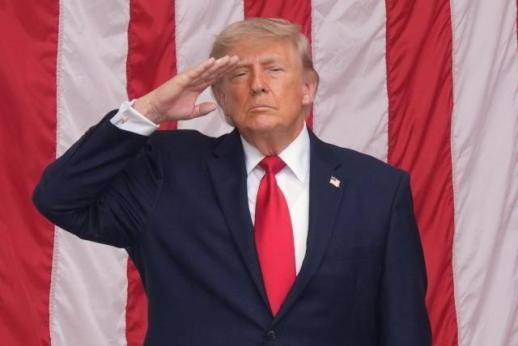 Trump Shares Draft Agreement to End War with Iran with Allies President Donald Trump has shared a draft agreement aimed at ending the war with Iran with allied nations, including Israel. This marks a significant step as discussions on a ceasefire move into the document review phase. However, the draft does not immediately resolve the Iranian nuclear issue and retains control over the Strait of Hormuz, suggesting that final agreement may face challenges. According to The Guardian on May 28, the ceasefire proposal was shared with allies amid concerns that further violations could derail negotiations. The U.S. and Iran continue to engage in talks mediated by Pakistan and Qatar. Pakistani Foreign Minister Mohammad Ishaq Dar is scheduled to meet with U.S. Secretary of State Marco Rubio in Washington on May 29. The key focus of the agreement is the normalization of the Strait of Hormuz. The draft includes provisions to reopen the strait to commercial shipping and lift U.S. port blockades on Iran. It also allows Iran access to up to $12 billion in frozen assets held abroad due to sanctions. The goal is to restore commercial operations to pre-war levels within 30 days. The nuclear issue has been set aside for separate negotiations. The draft outlines a plan for discussions lasting up to 60 days regarding the future of Iran's nuclear program. Topics include stockpiles of enriched uranium, a temporary halt on further enrichment, oversight by the International Atomic Energy Agency (IAEA), and Iran's commitment not to pursue nuclear weapons. For Israel, the terms are difficult to accept. The draft does not demand immediate and definitive nuclear commitments from Iran and reportedly includes Lebanon within the scope of a permanent ceasefire, placing a significant burden on Israel. The scope of sanctions relief remains unclear. The Guardian reported that the draft is less specific than Iran's proposals regarding the lifting of oil and petrochemical export sanctions. Iran insists on the unconditional release of frozen assets. The issue of tolls in the Strait of Hormuz also presents a point of contention. The draft reportedly allows for passage through Hormuz without tolls. However, Iran is negotiating separately with Oman to impose fees under the guise of 'navigation services.' President Trump has publicly warned of a strong response if Oman reaches an agreement with Iran that includes tolls. The U.S. has placed sanctions on Iran's maritime organization, the Persian Gulf Maritime Authority. Treasury Secretary Scott Besant has warned that countries involved in toll collection, including Oman, could face sanctions. The Iranian Revolutionary Guard Corps (IRGC) has reaffirmed its control over the Strait of Hormuz. The IRGC stated, "In the last 24 hours, we have granted passage to 26 commercial and oil tankers," and warned that any unauthorized navigation would be considered a hostile act. They also reported intercepting four vessels attempting to pass while turning off their Automatic Identification Systems (AIS) the previous night. The ceasefire remains unstable. The U.S. has reported striking Iranian drone operations near Hormuz, while Iran has targeted U.S. bases in Kuwait. Limited clashes between the two sides have not yet halted indirect communications. However, there are concerns that if shipping companies attempt to transit Hormuz without Iranian permission, the ceasefire established on April 8 could collapse. While sharing the ceasefire proposal has advanced negotiations, key issues blocking a final agreement remain unresolved. The nuclear issue has been deferred to future discussions, and the control of Hormuz, tolls, the scope of sanctions relief, and the inclusion of Lebanon in the ceasefire have yet to be clarified.* This article has been translated by AI. 2026-05-29 08:56:00
 -
 Anthropic Valuation Reaches $965 Billion, Surpassing OpenAI The valuation of the U.S. artificial intelligence startup Anthropic has soared to $965 billion, surpassing that of OpenAI among private AI companies. On May 28, local time, Reuters and The Wall Street Journal reported that Anthropic secured $65 billion in a Series H funding round. Following this investment, its valuation was recognized at $965 billion, marking a more than 2.5-fold increase from $380 billion just three months earlier when it raised $30 billion in February. The key driver behind this valuation surge is rapid growth in revenue. According to Reuters, Anthropic's annualized revenue has exceeded $47 billion. The Wall Street Journal anticipates that the company's second-quarter revenue will more than double to $10.9 billion compared to the previous quarter, with a possibility of posting its first quarterly operating profit. This growth has been fueled by demand for enterprise services and coding tools. Anthropic's model, Claude, is utilized for task automation and as a support tool for developers. Notably, the rapid adoption of Claude Code, a tool for developers, has allowed Anthropic to expand its customer base among businesses. Domestic companies have also participated in this investment. Samsung Electronics and SK Hynix have joined Micron as strategic infrastructure partners, although individual investment amounts have not been disclosed. This move is seen as a strategy to secure memory and semiconductor supply chains necessary for large-scale AI facilities. The competition for computing resources has intensified as well. Anthropic has committed to spending over $100 billion on Amazon Web Services (AWS) technology over the next decade. Amazon has also announced plans to invest up to $25 billion in Anthropic. According to Reuters, citing The Information, Anthropic is set to spend $200 billion over five years on Google Cloud and chips. However, costs remain a variable. Continued investments in semiconductors, power, and data centers are necessary for model development. Even as revenue grows rapidly, computing expenses are expected to increase concurrently. The fact that Anthropic's valuation has surpassed that of OpenAI signals strong market expectations. Industry insiders interpret this as an indication that the company must demonstrate profitability while managing its expenditure burdens.* This article has been translated by AI. 2026-05-29 07:44:00
 -
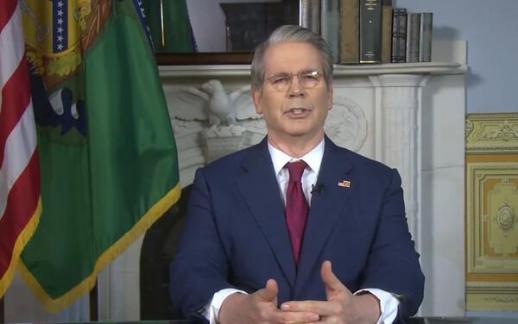 U.S. Treasury Secretary Signals Possible Agreement with Iran Scott Vesant, the U.S. Treasury Secretary, has indicated the possibility of an agreement in negotiations for an extension of the ceasefire with Iran. However, he clarified that this should not be interpreted as a definitive agreement. The U.S. is keeping the door open for negotiations while insisting on key conditions, including a ban on tolls for passage through the Strait of Hormuz and the initiation of nuclear talks. On May 28, Vesant responded positively to questions from reporters regarding the potential for an agreement with Iran, stating, "The final decision rests with President Donald Trump." He emphasized that Trump would not accept a 'bad deal.' Vesant's comments came shortly after reports emerged that the negotiating teams from both countries were nearing a temporary agreement for a 60-day ceasefire extension. This proposal reportedly includes the resumption of commercial shipping through the Strait of Hormuz and the commencement of negotiations addressing Iran's nuclear program. However, neither the White House nor Iranian officials have officially confirmed the final agreement. The key conditions set by the U.S. include free passage through the Strait of Hormuz and the initiation of nuclear negotiations. The issues at stake regarding the Strait involve a ban on tolls, while the nuclear discussions focus on limiting Iran's nuclear activities and verification methods. On the same day, Vesant stated on X that any attempts to impose tolls in the Strait of Hormuz would not be tolerated. He also warned Oman, which has played a mediating role, against involvement in or support for such plans. He made it clear that individuals and entities involved could face sanctions from the Treasury Department. Washington has also implemented additional sanctions, targeting eight vessels and international companies linked to Iran's military-related oil sales. This move signals that while discussions on extending the ceasefire and easing sanctions are ongoing, the U.S. aims to prevent oil imports from being used to fund military activities.* This article has been translated by AI. 2026-05-29 07:30:00
 -
U.S. Treasury Secretary Signals Possible Agreement with Iran Scott Vesant, the U.S. Treasury Secretary, has indicated the possibility of an agreement in the ongoing negotiations for an extension of the ceasefire with Iran. However, he clarified that this does not imply a definitive agreement. The U.S. is keeping the door open for negotiations while insisting on key conditions, including the prohibition of tolls in the Strait of Hormuz and the initiation of nuclear talks. On May 28, Vesant responded positively to questions from reporters regarding the potential for an agreement with Iran. He stated, "The final decision rests with President Donald Trump," emphasizing that Trump would not accept a 'bad deal.' Vesant's comments came shortly after reports emerged that the negotiating teams from both countries were nearing a preliminary agreement for a 60-day ceasefire extension. This proposal reportedly includes the resumption of commercial shipping in the Strait of Hormuz and the commencement of negotiations addressing Iran's nuclear program. However, both the White House and Iranian officials have yet to officially confirm the final agreement. The key conditions set by the U.S. focus on ensuring free passage in the Strait of Hormuz and starting nuclear negotiations. The issues at stake include the prohibition of tolls in the Strait and the limitations and verification methods concerning Iran's nuclear activities. On the same day, Vesant stated on X that any attempts to impose tolls in the Strait of Hormuz would not be tolerated. He also warned Oman, which has played a mediating role, against involvement in or support for such plans, indicating that the Treasury could impose sanctions on relevant individuals and entities. Washington has also taken additional sanctions measures. On the same day, the Treasury targeted eight vessels and international companies linked to Iran's military-related oil sales. This move signals that while discussions about extending the ceasefire and easing sanctions are ongoing, the U.S. remains committed to preventing oil imports from being used to fund military activities.* This article has been translated by AI. 2026-05-29 07:30:00
-
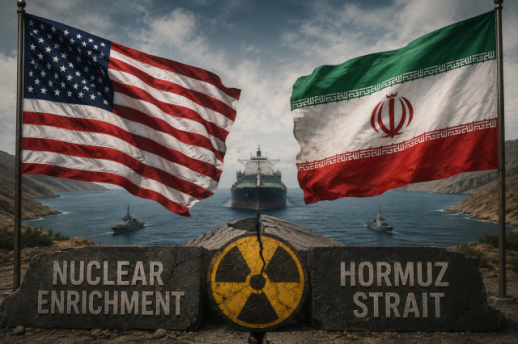 U.S. and Iran Move Toward 60-Day Ceasefire Extension The United States and Iran are nearing a tentative agreement to extend their ceasefire by 60 days, which would include reopening the Hormuz Strait and resuming nuclear negotiations. However, the deal remains unconfirmed pending final approval from President Donald Trump and official acknowledgment from Iran. According to reports from AP, Axios, and Reuters on May 29, the negotiating teams from both countries have drafted a memorandum of understanding to extend the current ceasefire. This draft reportedly includes provisions for the resumption of commercial shipping and the initiation of talks regarding Iran's nuclear program. A key focus of the draft is the Hormuz Strait. It is said to include clauses for the removal of mines reportedly installed by Iran and the elimination of tolls for vessel passage. In response, the U.S. is considering lifting its maritime blockade on ships entering Iranian ports and reviewing exemptions for oil export sanctions. The Strait of Hormuz is a vital maritime route for oil and liquefied natural gas (LNG) in the Gulf region. Following the U.S.-Iran conflict, restrictions on shipping by Iran and U.S. blockade measures have contributed to instability in energy markets. The U.S. is pursuing a dual strategy of negotiation and pressure. According to Reuters, the U.S. has warned Oman, which has acted as a mediator, not to engage in or support any toll imposition plans. Treasury Secretary Scott Bensent stated that sanctions could be imposed on relevant individuals and entities. On May 28, the Treasury Department also imposed additional sanctions targeting eight vessels and international companies involved in Iran's military-related oil sales. Iran has withheld official confirmation of the tentative agreement. State and semi-official media outlets have indicated that reports of a U.S.-proposed ceasefire extension are premature, emphasizing that no final agreement has been reached. They have also criticized U.S. pressure on Oman and highlighted claims that the U.S. has violated the ceasefire. Military tensions remain high. Recent clashes in the region have involved U.S. forces and Iranian entities. Reuters reported that U.S. officials confirmed strikes on Iranian drones and military facilities, which Washington described as defensive measures, while Tehran labeled them a violation of the ceasefire. This tentative agreement appears more as a temporary measure to prevent a resumption of hostilities rather than a comprehensive peace deal. While it may help avoid immediate conflict, key issues such as limitations on Iran's nuclear program, the scope of sanctions relief, and the role of Israel remain unresolved. Markets are interpreting this as a reduction in risk compared to previous conditions. As expectations for an extension grow, international oil prices have weakened, and the New York stock market has risen. However, since the agreement is still pending final approval, volatility in the energy and shipping markets is likely to continue for the foreseeable future.* This article has been translated by AI. 2026-05-29 07:18:00
 -
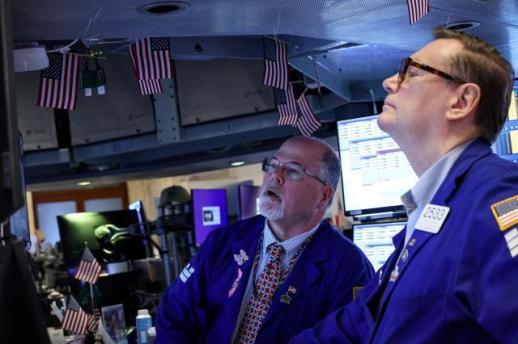 U.S. Stocks Close at Record Highs Amid Hopes for Extended U.S.-Iran Ceasefire U.S. stocks closed higher on expectations of an extended ceasefire between the U.S. and Iran. Despite concerns over inflation and slowing growth, optimism surrounding reduced geopolitical tensions bolstered investor sentiment. The S&P 500 and Nasdaq both set record closing highs for the third consecutive day. On May 28, the Dow Jones Industrial Average rose 24.69 points (0.05%) to close at 50,668.97, according to Reuters. The S&P 500 increased by 43.27 points (0.58%) to finish at 7,563.63, while the Nasdaq climbed 242.74 points (0.91%) to end at 26,917.47. The driving force behind the gains was the report of a potential extension of the U.S.-Iran ceasefire. Reuters reported that the U.S. and Iran have agreed on a draft to extend the ceasefire for 60 days, pending approval from President Donald Trump. However, Iranian news agency Tasnim noted that the draft has not yet been finalized or confirmed. The market reacted strongly to the possibility of reduced risks in the Middle East. Recent tensions, including the Iran conflict and disruptions in the Strait of Hormuz, had previously driven up both oil prices and inflation. As hopes for a ceasefire extension grew, concerns over energy-driven inflation eased, reviving interest in riskier assets. However, economic indicators remain a concern. The Personal Consumption Expenditures (PCE) price index for April rose at its fastest pace in three years. Additionally, the first-quarter GDP growth rate was revised down to an annualized 1.6%. With growth slowing and inflation remaining high, the Federal Reserve faces increased pressure regarding its monetary policy. Sector-wise, technology and healthcare stocks contributed significantly to the index gains. Microsoft shares rose 3.5% following reports of a new coding model launch. Eli Lilly gained 4% after CVS Health announced it would resume coverage for the obesity treatment, Zepbound. Snowflake's stock surged 36% after it raised its annual product revenue outlook and announced a $6 billion AI infrastructure contract with Amazon Web Services (AWS) over five years. Dollar Tree shares jumped nearly 18% after raising its annual profit forecast, while Best Buy's stock rose 15.8% as its second-quarter sales outlook exceeded market expectations. International oil prices showed mixed results. West Texas Intermediate (WTI) crude oil closed up 0.25% at $88.90 per barrel, while Brent crude fell 0.62% to $93.71 per barrel. The yield on the 10-year U.S. Treasury note decreased to 4.453%, and the dollar index fell 0.27% to 99.02.* This article has been translated by AI. 2026-05-29 07:00:00
 -
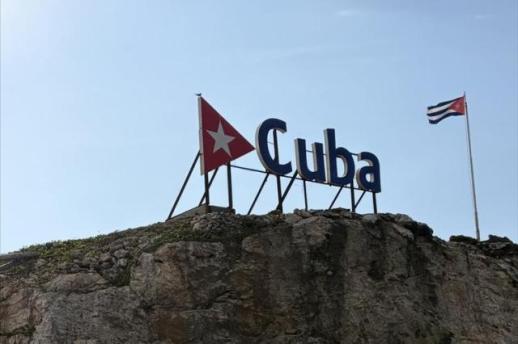 Axios: U.S. Prepares for Potential Collapse of Cuban Regime Reports indicate that the Trump administration is preparing scenarios in response to the potential collapse of the Cuban regime. The U.S. is applying pressure on the Cuban government through sanctions while also reviewing military plans in case of increased internal turmoil. According to Axios on May 28, U.S. officials believe that the Trump administration sees the potential for the Cuban government to collapse as early as this summer. However, President Trump has not authorized an invasion and reportedly prefers a peaceful transition of power. The U.S. strategy primarily focuses on economic pressure. A senior official described this approach as "accelerationism," stating, "We are not trying to topple the regime immediately. There are stages to this." This suggests a strategy to destabilize the regime while keeping options open for response if chaos ensues. Military responses are also being considered. Axios reported that the U.S. Southern Command, which oversees operations in the Caribbean, conducted a government-wide simulation exercise last month in preparation for the situation in Cuba. An official noted, "All options are on the table, but there are no plans for an invasion or any imminent action." The Trump administration's concern about potential unrest this summer is linked to ongoing power shortages and food crises in Cuba. The combination of extreme heat, power outages, and food shortages could lead to large-scale protests. Additionally, the Trump administration is targeting funding sources. On May 1, President Trump signed an executive order imposing secondary sanctions on companies dealing with the Cuban military-run conglomerate GAESA. Following this, Canadian mining company Sherritt International and shipping companies CMA CGM and Hapag-Lloyd reportedly ceased operations in Cuba. Political and legal actions have also followed. Secretary of State Marco Rubio emphasized the sanctions against GAESA as a key message of pressure on Cuba. The U.S. Department of Justice revealed that former Cuban National Assembly President Raúl Castro has been charged with conspiracy to commit murder and the killing of Americans in connection with the 1996 Brothers to the Rescue plane shootdown incident. However, U.S. officials are cautious about interpretations suggesting imminent military intervention. This month, the U.S. announced a $100 million aid package for the Cuban people, which will be distributed through the Catholic Church and charitable organizations rather than the government. The Cuban government views U.S. actions as an attempt to justify military intervention. Foreign Minister Bruno Rodríguez claimed in an interview with Fox News that the U.S. and Secretary Rubio are manipulating public opinion to legitimize military action.* This article has been translated by AI. 2026-05-29 06:56:00
 -
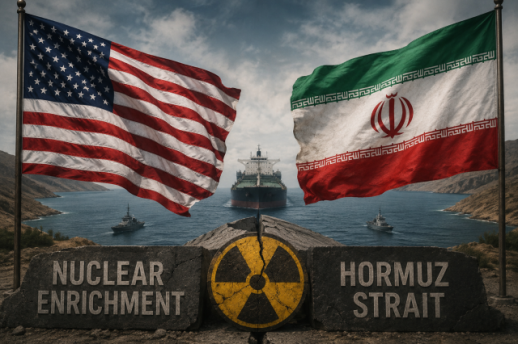 Iran Media Reports US-Iran Ceasefire Agreement Not Finalized Iran's TASS news agency reported that the ceasefire extension agreement between the United States and Iran has not yet been finalized. This comes amid reports that both sides have tentatively agreed to a 60-day extension, with Iran clarifying its position on the interpretation of a final deal. On May 28, Reuters cited sources close to the negotiations, stating that the draft of the agreement has not been finalized and that the approval process is still pending. According to Reuters, while the U.S. and Iran have reached a tentative agreement to extend the ceasefire for 60 days, approval from President Donald Trump and confirmation from Iranian leadership are still required. The tentative agreement reportedly includes discussions on Iran's nuclear program, sanctions relief, and navigation issues in the Strait of Hormuz during the extension period. However, as the final draft and approval process remain incomplete, specific conditions may change. The TASS report appears to counter claims from U.S. and Western media suggesting that an agreement is imminent. Iran emphasizes that coordination on the draft and confirmation from its leadership are still necessary, indicating a desire to leave room for negotiation on issues related to its nuclear program, sanctions relief, and navigation conditions in the Strait of Hormuz.* This article has been translated by AI. 2026-05-29 06:40:00
 -
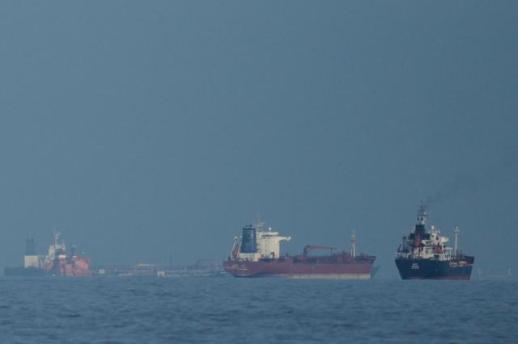 U.S. Warns of Punishment for Those Involved in Hormuz Toll Collection The United States has warned that it will punish individuals and organizations involved in the collection of tolls in the Hormuz Strait. This warning comes as Iran attempts to establish a toll collection system under the guise of navigation management, which the U.S. has made clear it will not recognize even during ongoing negotiations. On May 28, U.S. Treasury Secretary Scott Vesent stated on X (formerly Twitter) that "the U.S. government will not tolerate any attempts to implement a toll system in the Hormuz Strait." He specifically mentioned Oman, warning that "individuals and organizations that directly or indirectly support related activities could also be subject to sanctions." Oman, a country bordering Iran across the Strait, has played a mediating role between the U.S. and Iran. The U.S. mentioning Oman publicly is seen as a measure to prevent any involvement by Oman in Iran's toll collection plans. The U.S. has already designated Iranian organizations involved in this effort for sanctions. The Treasury Department classified the Persian Gulf Shipping Authority (PGSA), which Iran established to manage navigation in the Strait, as a funding mechanism for the Islamic Revolutionary Guard Corps (IRGC). According to the Treasury, the PGSA requires vessels to provide navigation permit information, mandates adherence to designated routes, and imposes fees. Indirect payments are also at risk of sanctions. According to Reuters, the Treasury's Office of Foreign Assets Control (OFAC) previously warned that payments made in the form of charitable donations or indirect transfers are not permitted. This includes nominal donations or digital asset payments that could also be subject to penalties. This warning comes amid ongoing discussions about extending the ceasefire between the U.S. and Iran and resuming navigation in the Strait. Reuters, citing sources, reported that both sides have agreed to a 60-day extension of the ceasefire and the lifting of navigation restrictions, although final confirmation from both countries is still pending.* This article has been translated by AI. 2026-05-29 06:28:00
 -
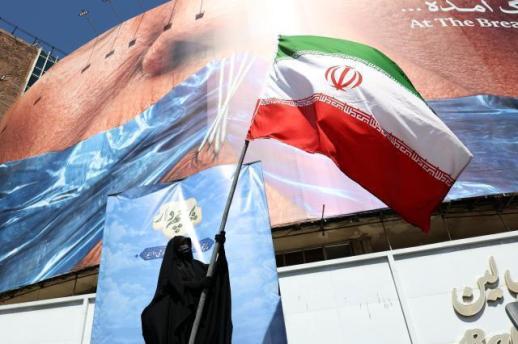 Iranian Military Launches Missiles at 'Specific Targets' in Southern Iran The Iranian military launched missiles toward specific targets in southern Iran on the night of May 28, according to the Fars news agency. The Guardian reported that the destination of the missiles remains unclear, and there has been no confirmation of any damage. Details about the targets, including their location and nature, have not been disclosed. It is also uncertain whether this missile launch is directly linked to other military activities occurring in the Gulf region on the same day. This news comes amid heightened tensions in the Strait of Hormuz and the Gulf area. On the same day, Mehr news agency reported that the Iranian military conducted warning shots toward vessels near the Strait of Hormuz. The Guardian also noted ongoing incidents involving U.S. and Iranian forces. On the diplomatic front, discussions are ongoing regarding an extension of the ceasefire. Reports indicate that the U.S. and Iran are considering a 60-day extension and the initiation of final agreement negotiations, but Iranian officials have stated that no agreement has been finalized. The missile launch complicates the situation, making it difficult to determine the intended target. However, it is seen as a variable that increases uncertainty in the context of military tensions and ceasefire negotiations.* This article has been translated by AI. 2026-05-29 06:20:00