

Journalist

Hwang Jin-hyun
jinhyun97@ajunews.com
-
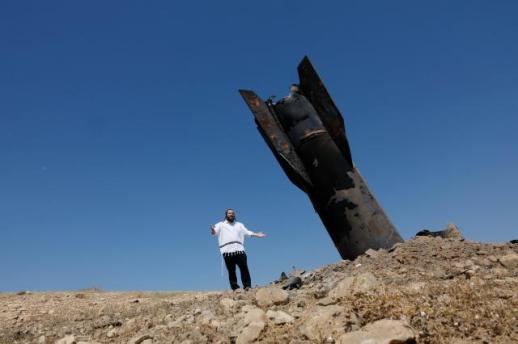 Israel-Iran Conflict Escalates with Attacks on Air Defense and Petrochemical Facilities Israel and Iran are engaged in a military conflict marked by reciprocal attacks on air defense and petrochemical facilities. Additionally, Yemen's Iran-aligned Houthi rebels have announced plans to block Israeli vessels from navigating the Red Sea, raising concerns that the conflict could extend beyond the Persian Gulf and the Strait of Hormuz. On June 8, the Israeli military announced via social media platform X (formerly Twitter) that it had completed a large-scale strike against Iran's strategic air defense systems. The military stated that these systems had been deployed across Iran during the "Roaring Lion Operation" to restore the capabilities of a weakened regime, and claimed that the recent airstrikes had dismantled these defenses. The conflict has also escalated to include energy-related facilities. The Islamic Revolutionary Guard Corps (IRGC) of Iran reported that Israel had attacked its petrochemical facilities, prompting a retaliatory strike against similar Israeli facilities. According to the semi-official Fars News Agency, the IRGC stated, "In response to the U.S.-Israeli attacks, we targeted a similar factory in the northern Israeli city of Haifa with missile strikes." The IRGC further asserted, "The Zionist regime (Israel) has initiated a dangerous game by attacking the oil industry and civilian facilities. The scope of this conflict will expand to all energy targets in the region, and the consequences for the global economy will be the responsibility of the United States, a major arsonist in this field." The escalation followed Israeli airstrikes on Beirut, Lebanon, which prompted Iran to retaliate by launching 11 ballistic missiles at northern Israel the previous evening. In response, Israel conducted airstrikes on major cities in Iran, including Tehran, early that morning. Concerns about maritime logistics are also growing. The Houthi rebels issued a statement declaring a total ban on Israeli shipping in the Red Sea, stating, "We prohibit all Israeli maritime operations in the Red Sea, and any movement by the enemy will be considered a legitimate military target." The Houthis, part of Iran's so-called "Axis of Resistance," have been attacking commercial vessels passing through the Bab-el-Mandeb Strait since the outbreak of the Gaza conflict in 2023, citing support for the Palestinian militant group Hamas. Their attacks have led to a more than 40% decrease in shipping traffic through the Red Sea. With Iran blocking the Strait of Hormuz, there are fears that instability could extend to the Bab-el-Mandeb Strait, potentially delivering a devastating blow to global energy transport and logistics.* This article has been translated by AI. 2026-06-08 17:42:00
 -
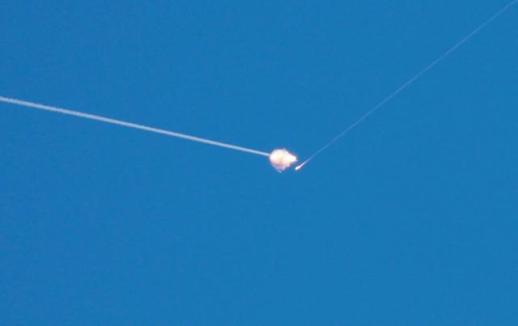 Iran Claims U.S. Involvement in Israeli Attacks, Hints at Further Action Tensions between Iran and Israel have escalated again after two months of relative calm, with Iran accusing the United States of being involved in Israel's renewed attacks. On June 8, during a regular briefing, Iranian Foreign Ministry spokesman Esmail Baghaei stated, "No one believes that the Zionist regime (Israel) acts without prior coordination and cooperation with the U.S. in our region. We still have information that the U.S. is coordinating with this regime in both offensive and defensive areas." He added, "While it is always debatable whether the Zionist regime listens to the U.S., the responsibility of the U.S. as a party to the ceasefire is clear. Regardless of whether the U.S. directly violates the ceasefire or does so through the Zionist regime in Lebanon, the U.S. bears responsibility, and it must account for the escalation of tensions." The current conflict began when Israel launched airstrikes on Beirut, Lebanon, on June 7, despite opposition from U.S. President Donald Trump. In retaliation, Iran fired missiles at Israel on the night of June 7 and the morning of June 8, prompting Israel to respond with airstrikes on major cities in Iran, including Tehran. Iran has demanded that the U.S. cease hostile actions against Lebanon as a condition for a ceasefire. Baghaei warned that these attacks could negatively impact negotiations between the U.S. and Iran. He stated, "Such incidents undoubtedly raise suspicions. We are still exchanging messages with the U.S. amid severe distrust." He further emphasized that Israel's actions in the region cannot be separated from U.S. policy, criticizing the contradictory attitudes and confusing statements from the U.S. as complicating diplomatic processes. He added, "The actions of the past 24 hours will only exacerbate this confusion." Baghaei also hinted at the possibility of further Iranian responses, stating, "We will act wherever necessary, as required by our national interests and security. We will not allow Israel and the U.S. to rely solely on general statements for maintaining a ceasefire while repeatedly attacking. " He acknowledged that the military conflict would inevitably affect diplomatic processes, saying, "The diplomatic efforts initiated to end the forced war will naturally be impacted. If the reason for negotiations is undermined, that process will also be affected." However, he clarified that diplomatic channels have not been completely severed. Baghaei noted, "Message exchanges are ongoing," and mentioned that the visit of Pakistan's Interior Minister to Tehran was part of efforts to continue dialogue. He characterized Iran's response the previous night as "entirely defensive actions under the U.N. Charter." In response to the U.S. claim of being unaware of the Lebanese attack, he suggested, "This implies that Israel is deceiving the U.S., or that there is cooperation and division of roles between the U.S. and Israel. Based on experience, the latter is more accurate."* This article has been translated by AI. 2026-06-08 17:06:00
 -
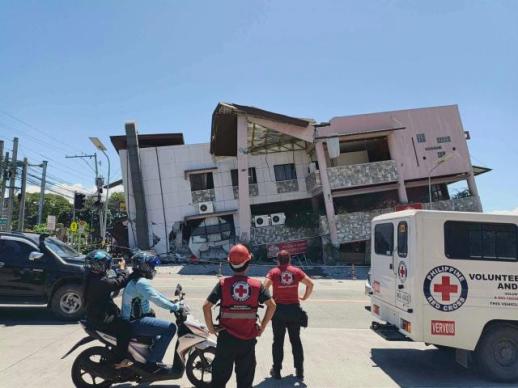 7.8 Magnitude Earthquake Strikes Southern Philippines, Leaving 12 Dead and Over 200 Injured A 7.8 magnitude earthquake struck southern Philippines on June 8, resulting in at least 12 fatalities and over 200 injuries. According to the U.S. Geological Survey (USGS) and the European-Mediterranean Seismological Centre (EMSC), the quake occurred at 7:37 a.m. local time in the waters south of Mindanao Island. The USGS reported that the epicenter was located approximately 60 kilometers south of General Santos City in South Cotabato province, at a depth of 55.2 kilometers. The EMSC initially recorded the earthquake at a magnitude of 8.1 before revising it to 7.8. The Philippine Institute of Volcanology and Seismology identified the epicenter as being about 32 kilometers southwest of the village of Maasim in Sarangani province, with a depth of 33 kilometers. Following the initial quake, several strong aftershocks, including one measuring 6.5, were reported, with tremors felt as far away as Malaysia. According to the Associated Press, at least 12 people have died and more than 200 have been injured, primarily due to collapsing buildings. The damage was concentrated in General Santos, a port city with a population of over 700,000. Rod Sosemeña, a regional director of the Philippine National Disaster Risk Reduction and Management Council, reported that at least seven people died and around 130 were injured in General Santos. Some small buildings collapsed, and several structures, including key access bridges, sustained dangerous cracks. As a result of the earthquake, General Santos International Airport was temporarily closed, and 17 domestic flights were canceled. An additional five fatalities were reported in South Cotabato, Davao Occidental, and Balut Island. A tsunami was also observed along the nearby coast following the earthquake. The Pacific Tsunami Warning Center stated that the tsunami threat had mostly passed about five hours after the quake. Teresito Bacolcol, head of the Philippine Institute of Volcanology and Seismology, reported no damage or casualties from the tsunami so far. Waves of up to one meter were recorded in Sultan Kudarat and Sarangani provinces. An 83-centimeter tsunami was measured off the coast of Sulawesi, Indonesia, prompting the Malaysian Meteorological Department to issue a tsunami warning for Sabah on Borneo. The Philippines is located in the Pacific Ring of Fire, an area prone to frequent earthquakes and volcanic eruptions. It is also considered one of the most disaster-prone countries, affected annually by about 20 typhoons and tropical storms.* This article has been translated by AI. 2026-06-08 16:24:00
 -
 Iran and Israel Clash Again, Oil Prices Surge Over 4% Despite President Donald Trump's calls for restraint, Iran and Israel have engaged in military conflict again, just two months after a ceasefire. Concerns over escalation and uncertainty surrounding U.S. negotiations with Iran have led to a more than 4% surge in international oil prices. On June 8, local time, the Israeli military reported that it had struck military targets in western and central Iran. The Islamic Revolutionary Guard Corps (IRGC) claimed that Israel used air-launched ballistic missiles. The Israeli military stated, "We targeted Iran's surface-to-surface missile launchers and infrastructure unrelated to the energy sector." The Israeli attack followed missile launches from Iran aimed at Israel. The IRGC had previously announced an attack targeting the Ramat David airbase near Nazareth. The Israeli military confirmed that missiles were fired from both Iran and Yemen towards Israel and activated its defense systems to intercept them. The military clashes were triggered after Israel conducted airstrikes on the outskirts of southern Beirut, Lebanon, on June 7. The Israeli military described the strikes as targeting Hezbollah positions, stating they were a response to rockets fired by Hezbollah towards northern Israel. Iran retaliated against Israel's attack on Lebanon, leading to Israel's counterattack on Iran. The Washington Post noted that this was the first Iranian attack on Israel since a ceasefire was brokered by the U.S. on April 8. Additionally, the ceasefire between Israel and Lebanon, also mediated by the U.S., appears to have been undermined. As ceasefires have been repeatedly broken, concerns about escalation are rising, impacting the energy market. With instability in the Middle East, expectations for the normalization of oil transport through the Strait of Hormuz have diminished. As of 3:28 PM KST, Brent crude futures rose 4.80% to $97.56 per barrel, while West Texas Intermediate (WTI) futures increased by 4.59% to $94.70. Trump's Efforts for Ceasefire Before World Cup The latest exchanges occurred shortly after President Trump urged both sides to refrain from escalating the conflict. According to Axios, Trump spoke with Israeli Prime Minister Benjamin Netanyahu on June 7, expressing optimism about achieving a favorable outcome and requesting restraint from further attacks. In a phone interview with Fox News on the same day, Trump stated regarding Iran, "This attack will not help negotiations," adding, "What I want to tell Iran is, you fired missiles, so stop and return to the table for an agreement." However, Trump maintains that he is still committed to a diplomatic resolution despite the renewed military clashes. In a phone interview with the Financial Times following Iran's attack on Israel, he stated that Iran's missile strike would not affect his willingness to pursue diplomatic solutions. He also commented on whether Netanyahu would accept a U.S. agreement with Iran, saying, "He will have no choice," and emphasized, "I make all the decisions; it’s not his decision." Trump is particularly focused on achieving a ceasefire in the Iran conflict before the North American World Cup begins on June 11. He indicated that negotiations with Iran could progress toward an agreement on Monday, Tuesday, or Wednesday of this week. This suggests a push for a memorandum of understanding (MOU) that would extend the ceasefire for 60 days and initiate denuclearization talks ahead of the World Cup. However, there are concerns that more than just phone calls will be needed to curb Israel's military actions in Lebanon. According to the influential Arab media outlet Al Jazeera, Trita Parsi, co-founder of the Quincy Institute, stated, "If you want to stop Netanyahu and make him align with U.S. interests, a simple phone call won't suffice." Parsi identified U.S. intelligence access and a multi-layered air and missile defense system as key pressure points. He argued that measures must be taken to limit Israel's operational range and effectively strip Iran of its ability to strike, asserting that without active U.S. support, Netanyahu cannot carry out such operations.* This article has been translated by AI. 2026-06-08 15:39:00
 -
 Xi Jinping Visits North Korea for First Time in Seven Years Xi Jinping, the President of China, arrived in Pyongyang on June 8 for a two-day state visit, marking the first visit by a Chinese leader to North Korea in seven years. State-run China Central Television (CCTV) reported that Xi arrived around noon local time. During his visit, he is expected to hold talks with North Korean leader Kim Jong Un to discuss strengthening North Korea-China relations, economic cooperation, and the situation on the Korean Peninsula. This marks the first face-to-face meeting between the two leaders since Kim's visit to Beijing in September 2025 for China's Victory Day celebrations. According to CCTV, Kim and his wife Ri Sol-ju personally welcomed Xi and his wife Peng Liyuan at Pyongyang's Sunan Airport. Footage showed the couples applauding as they greeted each other. Video released by China's Xinhua News Agency showed Xi's Air China plane landing at Sunan Airport, where a red carpet was laid out and North Korean and Chinese flags were displayed side by side. Welcome banners in both Korean and Chinese read, "Warmly welcome Comrade Xi Jinping, General Secretary of the Communist Party of China and President of the People's Republic of China," and "Long live the unbreakable friendship and unity between the peoples of China and North Korea." The footage also featured North Korean security personnel on motorcycles and a military honor guard. After arriving at the airport, Xi is expected to travel with Kim to Kim Il Sung Square for an official welcome ceremony. The two leaders are anticipated to discuss the development of North Korea-China relations, ways to expand economic cooperation, and the regional situation surrounding the Korean Peninsula. Xi's delegation includes Cai Qi, the head of the Central Secretariat of the Communist Party, and Wang Yi, the head of the Central Foreign Affairs Commission and Foreign Minister.* This article has been translated by AI. 2026-06-08 14:06:00
 -
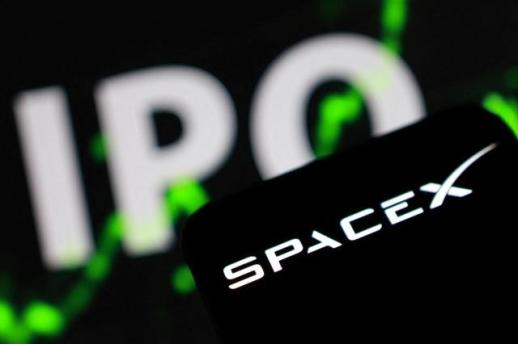 Concerns Rise Over Market Volatility Ahead of SpaceX IPO As SpaceX prepares for its record-breaking initial public offering (IPO), concerns are growing about potential volatility in global stock markets. Fortune reported on June 7 that while there is increasing enthusiasm on Wall Street for buying shares ahead of the SpaceX IPO, significant buying demand could lead to the sale of other assets, thereby increasing overall market volatility. SpaceX plans to sell over 555 million shares at $135 each, aiming to raise at least $75 billion. This would push the company's valuation beyond $1.75 trillion. If underwriters exercise additional allocation options due to high demand, the total amount raised could increase to $85.7 billion. The final offering price is expected to be set on June 12, with trading on Nasdaq anticipated to begin on June 13 under the ticker symbol 'SPCX.' Greg Boutle, head of U.S. equity derivatives strategy at BNP Paribas, noted in a report that while the market can likely absorb much of the capital flow related to SpaceX, the issue lies in the potential for these flows to accumulate in the same direction. He estimated that the available shares during the SpaceX IPO could reach around $75 billion, and if $30 billion in passive buying, retail investor chasing, leveraged ETFs, and options flows converge simultaneously, it could strain the liquidity of the stock. This could lead to a heightened risk of price distortion if everyone attempts to buy or sell at once. Market observers are noting that the SpaceX IPO could disrupt existing capital flows in the stock market. Although S&P Dow Jones has decided not to change its rules for early inclusion of SpaceX in the S&P 500, Nasdaq 100 regulations have been adjusted. This is expected to generate buying demand from passive funds linked to tech-focused indices. Such buying demand is likely to be offset by sales of other stocks. Boutle estimated that retail and passive investors might sell around $50 billion worth of other stocks to fund their SpaceX purchases. If SpaceX shares perform strongly after the IPO, this figure could increase. There are predictions that recently surging artificial intelligence (AI) and semiconductor stocks could be among those sold. A significant portion of retail investors' assets is tied up in popular tech stocks, and given the substantial rise in AI-related companies' stock prices in recent years, these could be targeted for liquidation. Boutle suggested that the sharp decline in the New York stock market on June 6, led by semiconductor stocks, could be an early signal of such price distortions. He projected that the volume of sales from retail investors liquidating recently high-flying stocks and leveraged products to invest in SpaceX could be substantial. The SpaceX IPO may also signal the beginning of a wave of IPOs from major tech companies, adding to market pressures. Fortune noted that OpenAI and Anthropic are also planning to go public this year, and demand for investments in these key AI firms is expected to be high. Additionally, secondary offerings from other big tech companies, including Alphabet, the parent company of Google, are raising concerns about whether the market can absorb all the newly available shares.* This article has been translated by AI. 2026-06-08 13:33:00
 -
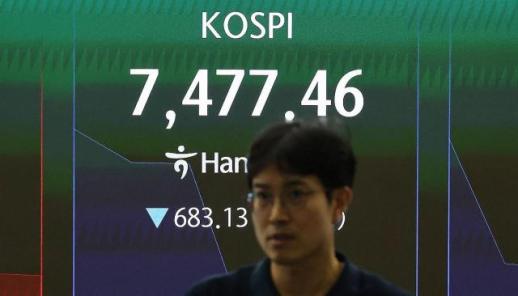 Asian Markets Plunge Amid Tech Sell-Off and Economic Concerns Asian stock markets experienced significant declines on June 8, driven by a sell-off in artificial intelligence (AI) and semiconductor stocks, concerns over U.S. interest rate hikes, escalating tensions in the Middle East, and the upcoming SpaceX initial public offering (IPO). According to Reuters and the Nihon Keizai Shimbun (Nikkei), major Asian markets showed substantial losses from the start of trading. As of 10:28 a.m., the KOSPI index had fallen by more than 8%, triggering the first stage of a circuit breaker at 9:03 a.m. Reuters reported that the KOSPI was down approximately 17% from its record high set the previous week. Samsung Electronics saw a decline of about 9%, while SK Hynix dropped nearly 6%, leading the downturn among semiconductor and AI-related stocks that had previously driven market gains. Earlier, the Korea Exchange activated a sell-side circuit breaker for the KOSPI at around 9:34 a.m. This measure is triggered when the KOSPI 200 futures price falls by more than 5% compared to the previous trading day for one minute, halting program sell orders for five minutes. At the time of the circuit breaker activation, KOSPI 200 futures were down 6.26% at 1216.85. The sharp decline was directly influenced by a significant drop in AI and semiconductor stocks on U.S. markets over the weekend. The tech-heavy Nasdaq index fell by 4.2%, while the Philadelphia Semiconductor Index (SOX) plummeted by 10%. Additionally, strong U.S. employment data raised concerns about potential interest rate hikes by the Federal Reserve, compounded by ongoing uncertainties surrounding the U.S.-Iran ceasefire. Furthermore, the anticipated SpaceX IPO this week is seen as an additional burden on the market. SpaceX is expected to finalize its offering price and begin trading this week, with the possibility of subsequent large-scale IPOs from companies like Anthropic and OpenAI, raising concerns that significant capital raises could absorb liquidity from other assets. Japan's stock market also faced steep declines, with the Nikkei 225 index dropping 4.4% from the start of trading. AI and semiconductor stocks, which had previously driven market gains, were particularly affected, with sell orders concentrated on companies like Advantest, Tokyo Electron, and SoftBank Group. Taiwan's TAIEX index fell by 5%, while Chinese and Hong Kong markets also experienced declines of 1% to 2%. Bob Savidge, head of macro strategy at BNY, told Reuters, "The narrative that 'AI drives everything' has been shaken. The key question remains whether this correction is a healthy pause after a nine-week stock rally or if it marks a peak."* This article has been translated by AI. 2026-06-08 10:39:00
 -
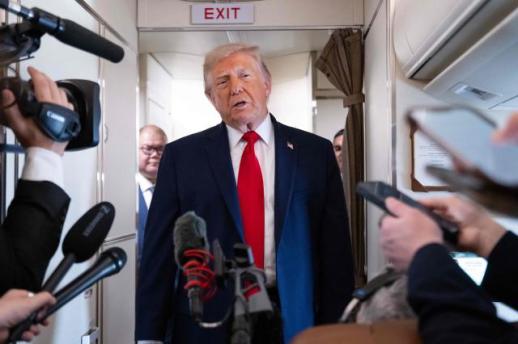 Trump's Approval for Economic Policy Hits Record Low Amid Inflation Concerns Voter dissatisfaction with President Donald Trump's handling of inflation and economic policy is on the rise. A survey conducted by Financial Times (FT) in partnership with polling firm Focal Data revealed that Trump's job approval ratings across ten categories are predominantly negative. In the category of 'inflation and cost of living,' only 18% of respondents rated his performance positively, while 69% expressed disapproval, marking the largest gap recorded since FT began this survey. This disapproval rate has increased by 10 percentage points compared to the previous month, according to FT. Discontent over inflation has also spread among Republican supporters. Among Republican voters, 43% rated Trump's performance in this area negatively, a significant rise from 26% just a month ago. A clear majority of voters, 67%, attributed rising food prices to Trump's policies. Even among Republican supporters, 53% agreed with this assessment. Conversely, fewer than 8% of all voters credited Trump's policies for a decrease in food prices. FT noted that in April, the most recent period for which official statistics are available, retail food prices rose by 2.9% compared to the previous year, the highest increase since 2023. Notably, prices for fruits and vegetables surged by 6.1%. The inflation statistics for May are set to be released on June 10. Bloomberg's survey of economists predicts an average increase of 4.2%, potentially marking the highest rate in three years. FT explained that disruptions in shipping through the Strait of Hormuz due to the Iran conflict and rising international oil prices are contributing to increased gasoline and diesel prices in the U.S., which in turn is affecting the prices of other goods. Overall evaluations of economic policy were also negative. In the survey, 64% of voters indicated that the U.S. economy is heading in the wrong direction, while only 26% believed it is on the right track, a slight decline from 29% the previous month. According to FT, the average monthly job growth in the U.S. over the past three months was 188,000, a significant improvement from the dismal average of 10,000 in 2025. However, the wage growth rate in May was 3.4% year-over-year, falling short of the recent inflation rate of 3.8%. When asked to evaluate Trump's performance across various areas, 'national debt and government spending' received a positive rating of 22% and a negative rating of 59%. 'Tariffs and trade' scored 26% positive and 57% negative. 'Iran' received 26% positive and 56% negative, while 'housing' was rated 22% positive and 51% negative. 'Jobs and the economy' garnered 28% positive and 55% negative. 'Healthcare' received 28% positive and 51% negative, 'foreign policy' scored 30% positive and 50% negative, and 'artificial intelligence (AI)' had 24% positive and 38% negative. However, 'immigration and border security' showed a narrower gap, with 41% positive and 46% negative. Trump's overall job approval rating stands at 37% positive and 56% negative, showing little change. In the upcoming federal midterm elections on November 3, 50% of respondents indicated they would support the Democratic candidate, while 45% favored the Republican candidate. This marks a narrowing gap from the previous month's survey, which showed 52% support for Democrats and 44% for Republicans. The White House maintains that inflationary pressures are temporary. Kush Desai, a spokesperson for the White House, stated to FT, "The disruptions caused by Iran's attempts to hinder the free flow of energy are creating temporary chaos. Once the effects of our policies take hold and the threat of Iranian terrorism is neutralized, Americans will see inflation slow, gasoline prices drop, and economic growth accelerate." This survey was conducted from May 29 to June 1 among 1,537 registered voters in the U.S., with a margin of error of ±2.5 percentage points at a 95% confidence level.* This article has been translated by AI. 2026-06-08 10:00:00
 -
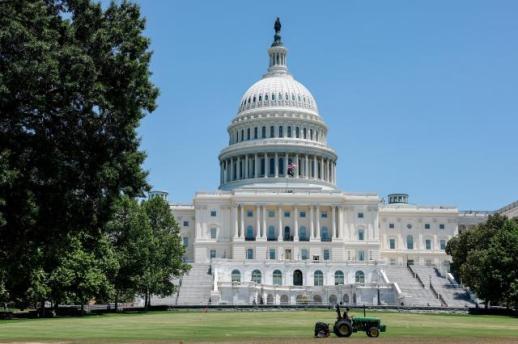 U.S. Defense Bill Includes Ban on Building Naval Vessels Overseas, Impacting Korean Shipbuilding Cooperation The U.S. House Armed Services Committee has passed the National Defense Authorization Act (NDAA) for fiscal year 2027, which prohibits the use of funds for constructing U.S. Navy combat vessels at overseas shipyards. This development raises concerns about potential disruptions to the shipbuilding cooperation project between South Korea and the United States, known as MASGA (Making American Shipbuilding Great Again). On June 7, Democratic Congressman Jared Golden of Maine stated on his website that the NDAA provision approved by the House Armed Services Committee early that morning could block the Navy's plans for overseas shipbuilding contracts. The NDAA is an annual bill that authorizes budget expenditures and policy directions for the Department of Defense, requiring passage by both the House and Senate before being signed into law by the President. The House Armed Services Committee passed the NDAA for fiscal year 2027 on June 5, with a vote of 44 in favor and 12 against, following several rounds of amendments. Two amendments proposed by Congressman Golden were also approved during this process. One of these amendments specifically blocks the Navy's overseas shipbuilding plans. It includes language stating that no funds from the fiscal year 2027 Navy budget can be obligated or used for contracts to purchase combat vessels to be constructed at foreign shipyards. Golden emphasized, "U.S. military spending should support American jobs. The idea of constructing any part of our surface fleet on foreign soil with foreign labor is morally unacceptable. I appreciate my colleagues on the committee recognizing the essence of this plan, which poses a threat to American industry, jobs, and national security." The bill will now proceed to a vote in the full House. After that, it will undergo reconciliation with the NDAA passed by the Senate, so it remains uncertain whether Golden's amendments will be included in the final bill. However, if this provision is maintained in the final legislation, it could hinder the U.S. Department of Defense's recent efforts to leverage the capabilities of allied shipyards, including those in South Korea, in acquiring next-generation naval vessels. This could also impact the momentum of the South Korea-U.S. shipbuilding cooperation initiative, MASGA.* This article has been translated by AI. 2026-06-08 09:51:00
 -
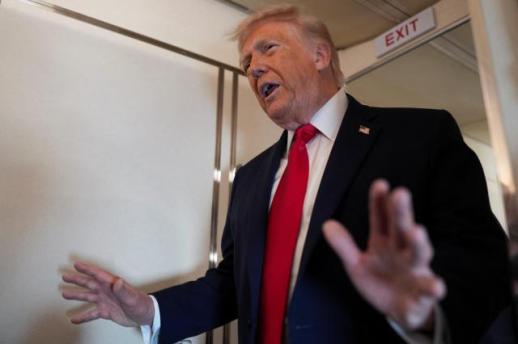 Trump: Netanyahu Has No Choice but to Accept Iran Deal Donald Trump, the President of the United States, stated that Israeli Prime Minister Benjamin Netanyahu will have no choice but to accept any agreement the U.S. reaches with Iran. In a phone interview with the Financial Times on June 7, Trump said regarding Netanyahu's acceptance of a U.S. deal with Iran, "He will have no choice." He emphasized, "I make all the decisions; it’s not his decision." This statement came shortly after Iran launched ballistic missiles toward northern Israel, citing support for Hezbollah. Earlier, the Israeli military had attacked Hezbollah positions in Beirut, Lebanon, which are backed by Iran. Trump reportedly spoke with Netanyahu about an hour before making his comments. He had previously indicated to Axios that he would call Netanyahu to advise against retaliation against Iran as he pursued an agreement. In his interview with the Financial Times, Trump asserted that Iran's missile attack would not affect his commitment to seeking a diplomatic resolution. He stated, "It will have no impact on the agreement," adding, "We will see how it ends. But their attack was completely ineffective," describing it as part of a longstanding conflict that has persisted for thousands of years or, depending on how one calculates, for 47 years. The Financial Times noted that Trump did not specify whether a deal with Iran was imminent. However, he had previously mentioned to Fox News that only a few days remained until an agreement could be reached before the attacks occurred. Trump expressed confidence that negotiations were ongoing, stating, "I believe the agreement is still in progress. We will see what happens." He emphasized that while the agreement could be finalized based on its content and conditions, the recent events would not affect it. He also reaffirmed his stance that military action could be taken if no agreement is reached. Trump explained, "Not reaching an agreement means one of two things: either we will address additional targets that we have not previously handled militarily, or it could mean that we continue to maintain a maritime blockade against Iran," noting that this blockade is likely stronger than any attack on Iran.* This article has been translated by AI. 2026-06-08 08:24:00