
Journalist

Park Boram
ram07@ajunews.com
-
 SK Chemicals, J2H Biotech sign MOU on drug development; Dongkook launches skincare brand SK Chemicals, J2H Biotech sign MOU to expand joint new-drug development SK Chemicals said March 26 it signed a memorandum of understanding with J2H Biotech to strengthen cooperation on joint development of new drugs. The agreement is aimed at exploring collaboration on J2H pipelines for metabolic dysfunction-associated steatohepatitis, or MASH, and idiopathic pulmonary fibrosis, or IPF. J2H will share results from ongoing research with SK Chemicals, and the two companies plan to discuss development strategy and specific cooperation options. Founded in 2014, J2H is a biotech company developing drug candidates focused on metabolic diseases and cancer. Its MASH candidate, J2H-1702, has completed a Phase 2a trial and confirmed treatment effects, and the company is preparing to enter a global Phase 2b trial to further verify efficacy in a broader patient group. Its IPF candidate is in preclinical research. SK Chemicals said it will review the candidates’ development potential and commercial viability based on available data and then define whether to proceed with joint development and the scope of cooperation. Dongkook Pharmaceutical launches “LUONCELL” derma-science cosmetics brand Dongkook Pharmaceutical said March 26 it launched LUONCELL, a functional cosmetics brand whose name combines “LUX,” “ON” and “CELL.” The company said the products apply two proprietary complexes: “Happy Cell Complex” and “TECA Bioheal Complex.” Happy Cell Complex combines alpine skullcap, GABA and Spanish licorice root extract, which the company said helps protect irritated skin and support recovery of skin condition. TECA Bioheal Complex combines six bio ingredients, including TECA extracted from centella asiatica and PDRN, the company said. Among five LUONCELL products, the “High Lift Gel Mask,” a silicone gel mask, is billed as the first in South Korea to feature 1,300 vacuum suction plates. The company said the patented plates create vacuum tunnels to help active ingredients absorb more effectively and can also help reduce swelling. Osstem Implant says Ukrainian health delegation visited Seoul headquarters Osstem Implant said March 26 that Ukrainian government health officials, representatives of local medical equipment companies and international development and relief organizations visited its Twin Tower headquarters in Seoul’s Gangseo district on March 20. The delegation, led by Yevhen Honchar, deputy minister of health of Ukraine, toured key facilities including Osstem Implant’s central research institute and product showroom, the company said. Ukraine is pursuing its “Health Strategy 2030,” aimed at building a system that guarantees all citizens access to needed medical services, according to the company. The delegation also held cooperation talks earlier that day at a Korea-Ukraine business roundtable hosted by the Korea Health Industry Development Institute. Osstem Implant said it sees potential cooperation in areas including dental prosthetics and facial trauma reconstruction to help restore quality of life for war veterans, as well as in establishing dental implant policy. GC Biopharma’s varicella vaccine wins marketing approval in Guatemala GC Biopharma said March 26 that its varicella vaccine, Varicella Joo, received marketing approval from Guatemala’s Ministry of Public Health and Social Assistance. The company said it is the first time the vaccine has been approved in a Latin American country. It plans to accelerate expansion into individual countries in the region while continuing supply through the Pan American Health Organization, or PAHO. Varicella Joo is a live vaccine using GC Biopharma’s in-house MAV/06 strain. The company said it is the world’s first varicella vaccine made without any antibiotics in the manufacturing process, eliminating the risk of adverse reactions from residual antibiotics such as kanamycin, neomycin and erythromycin and maximizing product safety. In long-term follow-up clinical results, the neutralizing antibody rate after vaccination was 99% to 100%, and antibody persistence was shown to be comparable to leading global products, the company said. The company also said that after being listed in a World Health Organization position paper, the vaccine has received international evaluation comparable to global vaccines based on the Oka strain, and cross-prescribing has become possible. It said it plans to broaden the vaccine’s use in global markets. Kwangdong Pharmaceutical holds annual shareholders meeting Kwangdong Pharmaceutical said March 26 it held its 53rd annual shareholders meeting at Kwangdong Gwacheon Tower in Gwacheon, south of Seoul. Results disclosed at the meeting showed the company posted consolidated revenue of 1.6595 trillion won last year, maintaining a growth trend. On a separate basis, revenue totaled 1.0110 trillion won, marking the first time the company entered the “1 trillion won club” on a standalone basis. Separate operating profit was about 30.6 billion won, a slight improvement in profitability. Shareholders approved all agenda items as proposed, including approval of the 53rd financial statements and consolidated financial statements, partial amendments to the articles of incorporation, appointment of inside director Park Sang-young, appointment of outside director Lee Jae-won as an audit committee member, and approval of the cap on directors’ compensation. The company said the articles amendments codified an independent director system and advanced plans to establish new committees as part of ESG management to strengthen transparent governance.* This article has been translated by AI. 2026-03-26 18:06:00
 -
 Celltrion Expansion, HLB Tissue Bank License, Aribio Alzheimer’s Trial Update and More Celltrion to expand new drug-substance production in Songdo, investing 1.2 trillion won Celltrion said March 24 it will secure additional manufacturing capacity, including a major expansion at its headquarters campus in Songdo, Incheon, with investment exceeding 1 trillion won. The company said the plan is intended to meet rising global demand for biopharmaceuticals and strengthen manufacturing competitiveness. The investment will be carried out in phases from this year through 2030 and includes infrastructure expansion across the Songdo campus, a U.S. production base and domestic sites. At Songdo, Celltrion will invest 1.2265 trillion won to expand Plants 4 and 5 simultaneously, bringing total capacity to 180,000 liters. The new facilities will apply automation and smart-factory technology, the company said, enabling production ranging from small-batch, multi-product runs to large-scale manufacturing. It said the system is expected to support faster production of future biosimilars and new drugs. Celltrion also finalized the scale of an expansion at its Branchburg, New Jersey, facility to strengthen competitiveness in the U.S. market. It plans to increase capacity there from 66,000 liters to 75,000 liters, securing total drug-substance production capacity of 141,000 liters. The Branchburg site is expected to play a key role in local supply for the Celltrion Group and in expanding its contract manufacturing (CMO) business, the company said. Celltrion is also moving to strengthen drug-product production. A new drug-product facility being expanded at Songdo is nearing completion within the year and, once operational, will be able to produce 6.5 million liquid vials annually. Combined with the maximum output of the Plant 2 drug-product line, Songdo would have total capacity of 10.5 million vials, the company said. A new drug-product plant planned for an industrial complex in Yesan, South Chungcheong province, has secured its site and is scheduled to begin design work within the year. Celltrion said that once the Yesan plant is completed and Celltrion Pharm’s planned expansion of prefilled syringe (PFS) production is finished, the group would be able to internalize about 90% of its global drug-product needs. The company said it expects significant manufacturing cost savings compared with overseas drug-product CMO production. HLB Life Science wins tissue bank license, expanding human tissue graft business HLB Life Science said March 24 it has obtained a tissue bank license and will move ahead with expanding its human tissue graft business. The approval provides a foundation to handle human tissues including bone, cartilage, fascia and skin, the company said. The product HLB Life Science will distribute, “Freedom Inject Refill,” is an injectable acellular dermal allograft derived from human tissue. Using acellular dermis as its raw material, it is used to treat damaged tissue such as ligaments, tendons and muscles and to support surgical procedures, the company said. The company said the material is produced by removing cells and fat components from skin-derived tissue while preserving extracellular matrix components needed for tissue regeneration, including collagen. It is expected to be used broadly for reconstruction, regeneration and recovery of damaged soft tissue and joints. Initial supply targets include orthopedic surgery, neurosurgery, obstetrics and gynecology, and urology clinics nationwide, with distribution to be expanded gradually, the company said. Aribio says ADPD 2026 presentation supports reliability of global Phase 3 data for AR1001 Aribio said March 24 that Sharon Sha, a Stanford University professor and the global principal investigator, presented an update on the global Phase 3 program for its oral Alzheimer’s disease treatment candidate AR1001 at ADPD 2026 in Copenhagen. POLARIS-AD is a large global Phase 3 trial evaluating the efficacy and safety of AR1001 (30 mg, once daily) in patients with early Alzheimer’s disease. A total of 1,535 patients are enrolled across 13 countries in North America, Europe and Asia, making it the largest trial among oral treatments currently in development, the company said. In the presentation, Sha said, “The baseline demographic characteristics and cognitive and functional indicators in POLARIS-AD are similar to those in existing global registration trials, and no unexpected safety signals have been observed to date.” Sha also highlighted what Aribio described as AR1001’s mechanistic differentiation. “AR1001 has very high blood-brain barrier (BBB) permeability, and its selectivity for PDE5 is superior to PDE6 and PDE11, resulting in fewer side effects than drugs in the same class,” she said. Aribio said this could be a competitive advantage in a market where long-term use is required. Aribio said it plans to release top-line data from the global Phase 3 trial in the third quarter and is aiming to submit a new drug application to the U.S. Food and Drug Administration in the second half of the year. Hugel’s Wellage runs mobile pop-up events to deepen consumer engagement Hugel said March 24 that its clinical cosmetics brand Wellage expanded offline consumer outreach through hands-on events. In collaboration with Beauty+, Wellage held a three-day “moving pop-up” from March 19 to 21 at university campuses and around Seongsu-dong. The company said the event was designed to strengthen brand experience among its core targets, including college students and the MZ generation, and drew about 2,800 visitors over three days. Wellage ran trial programs for its flagship “Real Hyaluronic Blue 100 Ampoule” and its new “Real Hyaluronic Soothing Cream,” and held a participatory product-draw event to gather consumer feedback, the company said. Daewoong Pharmaceutical signs supply deal with TR for digital spirometry device “The Spiro Kit” Daewoong Pharmaceutical said March 24 it signed a supply agreement with TR for a digital spirometry device, “The Spiro Kit,” and will strengthen sales to clinics, hospitals and health screening centers nationwide. Under the agreement, TR will handle development and manufacturing, while Daewoong Pharmaceutical will oversee distribution, sales and marketing through its nationwide network, the company said. Daewoong described the deal as a strategic partnership combining a medical device developer’s technology with a pharmaceutical company’s sales infrastructure. TR is expected to secure stable sales channels and marketing capabilities, while Daewoong Pharmaceutical adds a digital medical device to its business portfolio, it said. The companies said the partnership is aimed at meeting rising demand for pulmonary function tests as South Korea’s national health screening system is revised. With pulmonary function testing (PFT) formally added to general health screenings starting this year, people ages 56 and 66 will have an opportunity to detect major respiratory diseases such as chronic obstructive pulmonary disease (COPD) earlier through screenings, the company said.* This article has been translated by AI. 2026-03-24 17:06:28
 -
 Celltrion to Invest 1.2265 Trillion Won to Expand Songdo Drug-Substance Plants Celltrion said Tuesday it will move to secure new production capacity, including a major expansion at its headquarters campus in Songdo, Incheon, with investment topping 1 trillion won. The company said the plan is aimed at meeting rising global demand for biopharmaceuticals and strengthening manufacturing competitiveness. The expansion will be carried out in phases from this year through 2030 and will cover infrastructure at its Songdo campus, U.S. production base and other domestic sites. At the Songdo campus, Celltrion will invest 1.2265 trillion won to expand Plants 4 and 5 at the same time, bringing total capacity to 180,000 liters. The new facilities will apply automation and smart-factory technology, the company said, enabling production ranging from small batches of multiple products to large-scale manufacturing. Celltrion said this should also speed preparations to produce future biosimilars and new drugs. To bolster competitiveness in the U.S. market, Celltrion said it has finalized the scale of an expansion at its Branchburg, New Jersey, facility. It plans to increase capacity there from 66,000 liters to 75,000 liters, securing total drug-substance (DS) capacity of 141,000 liters. The Branchburg site is expected to play an important role in local supply for the Celltrion Group and in expanding its contract manufacturing (CMO) business, the company said. Celltrion is also pushing to strengthen drug-product (DP) manufacturing. A new DP facility being expanded at the Songdo campus is nearing completion within the year and, once operating, will be able to produce 6.5 million liquid vials annually. Combined with the maximum output of the DP line at Plant 2, total DP capacity in Songdo would reach 10.5 million vials, the company said. A new DP plant planned for an industrial complex in Yesan, South Chungcheong province, has already had its site finalized, with design work scheduled to begin within the year. Celltrion said that once the Yesan DP plant is completed and a planned expansion of Celltrion Pharm’s prefilled syringe (PFS) production facilities is finished, the group would be able to internalize about 90% of its global DP needs. The company said it expects significant manufacturing cost savings compared with overseas DP CMO production. Celltrion said it is closely reviewing safety management systems for all ongoing construction projects. All expansion projects across the group, including Plants 4 and 5, will proceed with safety as the top priority, it said. A Celltrion official said the investment decision was made to respond to surging global demand for biopharmaceuticals while strengthening cost competitiveness and supply stability. “We will build manufacturing infrastructure that covers the CMO business as well, centered on the growth engines of new drugs and biosimilars,” the official said.* This article has been translated by AI. 2026-03-24 10:12:00
 -
 LG Chem-Licensed Gout Drug Enters Phase 3 Trial in China; Other Korea Pharma Updates LG Chem-licensed gout drug enters Phase 3 trial in China LG Chem said March 23 that Innovent Biologics, which holds the China license for its gout drug candidate Tigulixostat, has begun dosing the first patient in a Phase 3 clinical trial in China. Innovent, known for developing new cancer and immunology drugs, has recently added related programs including a gout-flare treatment as it moves into the gout market. The Phase 3 study will enroll 600 gout patients and compare Tigulixostat with febuxostat, an existing uric acid-lowering drug. The trial will assess the rate of achieving target serum uric acid levels at week 24 and long-term safety over one year of use. In a Phase 2 trial Innovent conducted independently in China, all dose groups showed a stronger uric acid-lowering effect than febuxostat and favorable safety, LG Chem said. CHA Biotech, Novartis Korea to cooperate on 'K-Bio CIC Open Innovation Center' CHA Biotech and Novartis Korea said March 23 they signed a strategic memorandum of understanding to build an open-innovation cooperation framework based on CGB, the Cell Gene Bioplatform. The companies said they will set up a system to identify promising biotech startups, support commercialization and help them expand globally. CHA Biotech said it is accelerating efforts to build a global biotech ecosystem around CGB, which is being constructed in Pangyo Second Techno Valley. The cluster is designed to link research and development, clinical work, manufacturing and business development, centered on cell and gene therapies. The 'K-Bio CIC Open Innovation Center' will adopt a model from the Cambridge Innovation Center. The partners said the hub will provide shared lab infrastructure, global network connections, clinical access, links to GMP manufacturing and global business development support. Osstem Pharma launches pharmacy-only oral care brand 'Okchi' Osstem Pharma said March 23 it is entering the pharmacy distribution market with Okchi, a functional oral care brand. The first product is a whitening toothpaste designed for ongoing whitening through brushing. The company cited rising demand for professional-grade whitening products and said it will focus on pharmacy-only distribution. The toothpaste contains 3.0% hydrogen peroxide, the maximum allowed under standard manufacturing criteria for over-the-counter tooth whitening products, the company said. It said dental school clinical testing confirmed efficacy: in a test using the same main ingredient, the tooth brightness improvement rate was 85.13% after four weeks, and the improvement effect was confirmed in 100% of cases after 12 weeks. Osstem Pharma said it will expand the lineup in April with two additional products focused on protecting sensitive teeth and preventing cavities, mainly through pharmacy channels. Bukwang Pharm to co-promote Servier's Arthyl and Vastinan, strengthening cardiovascular portfolio Bukwang Pharmaceutical said March 23 it held a co-promotion agreement ceremony with Servier Korea on March 17 for seven Arthyl and Vastinan products. The products include five hypertension treatments — Arthyl tablets 4 mg and 8 mg, Arthyl Arginine tablets 5 mg and 10 mg, and Arthyl Plus Arginine tablets — and two angina treatments, Vastinan tablets and Vastinan MR sustained-release tablets. The companies said they will begin full-scale joint marketing April 1, dividing sales and marketing roles by hospital size. Servier Korea will cover accounts with 300 beds or more, the companies will jointly cover 100 to 299 beds, and Bukwang will handle institutions with fewer than 100 beds. SK Bioscience signs contract manufacturing deal with IDT for MSD Ebola vaccine SK Bioscience said March 23 it signed a contract development and manufacturing agreement with IDT for finished-dose development and production tied to a second-generation Zaire Ebola vaccine project being pursued with Merck & Co. and the International Vaccine Institute. The company said the deal followed a January announcement by CEPI, the Coalition for Epidemic Preparedness Innovations, of about $30 million in development funding for the project. The second-generation vaccine effort aims to address the complexity of the current manufacturing process and the burden of ultra-cold distribution. SK Bioscience said the focus is to improve manufacturing yield and thermal stability to strengthen supply stability and access. Under the agreement, SK Bioscience will produce the drug substance, while IDT will handle finished-dose development and manufacturing using its CDMO expertise and facilities.* This article has been translated by AI. 2026-03-23 18:00:00
 -
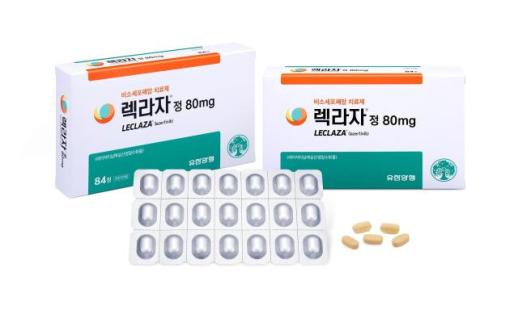 Open Innovation Becomes Key Model Behind South Korea’s Homegrown Drug Development Open innovation is taking hold as a strategy to improve the efficiency of new drug development, as companies seek to share risk and speed commercialization in an industry that requires heavy spending and long timelines. Industry officials said March 19 that partnerships between pharmaceutical companies and biotech firms are expanding. Drugmakers can reduce research burdens by bringing in outside technology, while biotech startups gain funding and clinical development support. A leading example is Yuhan Corp.’s lung cancer drug Lekraza. The non-small cell lung cancer targeted therapy was developed by Oscotec and licensed to Yuhan in 2015 at the preclinical stage. Yuhan later licensed it out to global drugmaker Janssen for up to 1.4 trillion won while Phase 1 trials were underway. Under the deal, Janssen holds development and commercialization rights, while Yuhan retains rights in South Korea. Of Yuhan’s 33 pipeline programs, 17 are sourced externally. Jung Yoon-taek, head of the Korea Pharmaceutical Industry Strategy Institute, said a model in which biotech ventures develop early technology, traditional drugmakers raise its value through clinical trials, and then transfer it to global companies is efficient in terms of specialization and division of labor. Open innovation is also extending beyond licensing into investment. Traditional drugmakers are joining promising biotechs as strategic investors, taking early stakes in growth potential. DongKoo Bio & Pharma recently bought 1 billion won of a 27 billion won convertible bond issued by Genome & Company. Since 2020, it has invested about 3.5 billion won in Genome & Company through equity purchases and additional buying. DongKoo Bio & Pharma is strong in manufacturing and sales of dermatology and urology prescription drugs, but antibody-drug conjugates, or ADCs, are considered technically demanding and high-risk. The investment is seen as a move to deepen its partnership by supporting Genome & Company’s ADC-focused drug development. Co-development is also being used to improve the odds of success. Canarpta Therapeutics, an ADC design specialist, has bispecific ADC technology that targets two markers at the same time. GC 녹십자 invested a total of 7 billion won in Canarpta Therapeutics in two rounds in 2020 and 2023, and the companies are jointly developing the bispecific ADC KNP-701. Lotte Biologics also joined the effort, investing 1.2 billion won in 2023 to participate in co-developing an ADC platform. Handok is also pursuing open innovation, jointly developing the bile duct cancer treatment tovesimig with ABL Bio and Compass Therapeutics. It aims to launch the drug in South Korea in 2027 as its own new medicine. Bile duct cancer is a rare cancer with few treatment options, and Handok is seeking to shift from a business centered on in-licensed products to one that holds its own new drugs. Handok signed a licensing agreement with ABL Bio, the original developer of tovesimig, securing rights in South Korea. An industry official said domestic companies have limited research and development resources compared with global drugmakers, making collaboration around technologies with higher chances of success a practical choice. With the domestic market saturated, the official added, open innovation is not merely optional but a way to survive by operating efficiently with less capital.* This article has been translated by AI. 2026-03-19 15:51:00
 -
 CDMO Market Heats Up as Drugmakers Compete on Development Know-How, Not Just Capacity Contract development and manufacturing organizations, or CDMOs, are expanding rapidly beyond contract manufacturing into research and development, but industry officials say adding facilities alone is unlikely to secure an edge. They note that competition for orders is shifting from simple production pricing to development capabilities, and that as the market grows, specialization is increasingly determining winners and losers. Industry officials said March 18 that CDMOs provide a high-barrier service model, handling biopharmaceutical R&D, clinical production and commercial manufacturing for clients that lack sufficient production capacity. The business requires advanced process technology, skilled workers and the ability to meet strict regulatory requirements. Lee Seung-gyu, vice chairman of the Korea Bio Association, said companies must realistically assess whether they can endure the early years after building a CDMO plant. “After building a CDMO factory, you have to keep it going for three to five years,” Lee said. “CMO is about manufacturing capability, but CDMO also requires development capability. You need a clear strategy on what area to focus on.” The sector also tends to generate follow-on deals once a relationship is established, prompting analysis that CDMOs must move beyond simple outsourced production and become strategic partners across the full drug development process to survive. Jeong Yun-taek, head of the Korea Pharmaceutical Industry Strategy Institute, urged companies to strengthen expertise in specific high value-added technologies rather than broad, general-purpose offerings. He said the ability to provide end-to-end services — from process development and analytical method development to clinical and commercial production — will be a key differentiator. Traditional drugmakers are also entering CDMO businesses by leaning on their strengths. Boryung, citing production and quality capabilities built in oncology drugs, signed a CDMO contract last year with Zuellig Pharma tied to supplying the cytotoxic anticancer drug Alimta (pemetrexed) to seven Southeast Asian countries. The company plans to begin supplying the product to seven countries, including the Philippines, Thailand and Malaysia, starting in 2027. ST Pharm, an affiliate of the Dong-A Socio Group, is focusing on an oligonucleotide CDMO business, a key raw material for ribonucleic acid, or RNA, medicines. It completed construction of a “second oligo building” at its Banwol campus in Ansan, Gyeonggi Province, as it seeks to expand global orders. Kyongbo Pharmaceutical, a subsidiary of Chong Kun Dang, is building an antibody-drug conjugate, or ADC, plant in Asan, South Chungcheong Province.* This article has been translated by AI. 2026-03-18 17:54:53
 -
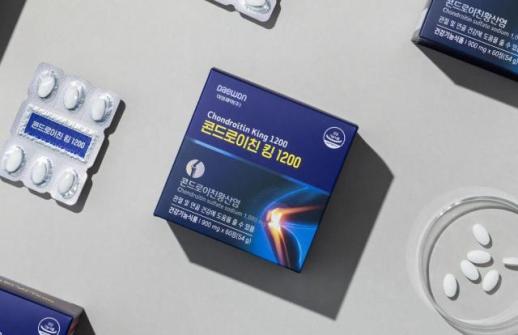 Korean Pharma and Medtech Updates: New Chondroitin Supplement, China Dividend Win, AI Project, CGM Study, FDA Fast Track, KGMP Renewal Daewon Pharmaceutical launches “Chondroitin King 1200” with individually approved functional ingredient Daewon Pharmaceutical said March 18 that its health supplement brand Daewon Health has launched “Chondroitin King 1200,” a functional health food that may help support joint and cartilage health. The product’s main ingredient is chondroitin sulfate, which has been recognized by the Ministry of Food and Drug Safety for joint and cartilage health functionality. The company said it is the first and only individually approved functional ingredient used in a chondroitin health supplement made by a domestic pharmaceutical company. Daewon said it selected an ingredient with more than 90% purity and the same structure as chondroitin found in human cartilage. Users can take two tablets once a day to supplement 1,200 milligrams of the main ingredient. The company said a human study also verified improvements in objective indicators related to joint health management. In a 90-day intake test involving 137 men and women ages 40 to 75, it said there were significant improvements in levels of inflammation-related factor TNF-α and inflammation-inducing factor COX-2. Ilyang Pharmaceutical wins final ruling in China undistributed profits dispute Ilyang Pharmaceutical said March 18 that its final victory in a dispute over undistributed profits with its Chinese joint venture, Tonghua Ilyang, was selected as a model case in an official work report by China’s top judicial body. The company said the Supreme People’s Court included the dividend-rights dispute in the “five major cases in China’s judicial field” released in its work report to the National People’s Congress. The court described the case as a representative judicial example showing “opening up to the outside world through equal protection,” and as “a model case for protecting the rights and interests of foreign investors and resolving international investment disputes.” Ilyang said the key point in the report was a ruling ordering Tonghua Ilyang to pay dividends of about 18 billion won in undistributed profits, allowing recovery of the full amount that had been tied up for more than three years. Mogam Institute joins government-led K-Moonshot AI research program Mogam Institute for Biomedical Research said March 18 that it was selected on March 11 as a partner institution for the Ministry of Science and ICT’s nationwide artificial intelligence research and innovation program, the “K-Moonshot” project, and signed a memorandum of understanding. K-Moonshot is a mission-driven program aimed at boosting productivity in science and technology research through AI and tackling key national missions. Participating organizations will cooperate to build an AI-based research innovation ecosystem by providing AI resources, conducting joint R&D and collaborating on data use. Mogam said it will participate as a partner in the “advanced bio and new drug development” area among 12 national missions. The institute said it plans to use its AI-based drug development capabilities to help improve productivity and research efficiency in the drug development process. Handok, Seoul Pharmacists Association sign MOU on CGM-based counseling model Handok and the Seoul Pharmacists Association said March 18 they signed an agreement the previous day at Handok’s headquarters in Yeoksam-dong to cooperate on research into pharmacist services and personal health management based on continuous glucose monitoring, or CGM. The partners said the goal is to build practical evidence that standardized education, counseling and behavior-coaching services can be provided systematically using CGM data. They also aim to develop guidance on standardized CGM use and diabetes education guidelines that can be applied in pharmacies. The study will be led by the Seoul Pharmacists Association and will involve 150 participants. Subjects will be divided into three groups based on whether they wear a CGM device and the level of pharmacist intervention: a non-wearing group; a wearing group without pharmacist intervention; and a wearing group that receives pharmacist counseling. The non-wearing group will receive basic medication guidance. The wearing group without pharmacist intervention will also receive training on how to use the device. The wearing group with pharmacist counseling will have regular counseling at least once a week. Researchers will analyze changes in blood glucose patterns and the overall effects of pharmacist counseling based on these differences. Ildong’s Idience cancer drug candidate Venadaparib gets FDA fast-track designation Idience, Ildong Pharmaceutical Group’s oncology drug development affiliate, said March 18 that the U.S. Food and Drug Administration granted fast-track designation for its targeted anticancer drug candidate Venadaparib. Fast track is an FDA program intended to speed development and review of drugs for serious conditions when they may offer meaningful improvement over existing therapies or address unmet medical needs. With fast-track status, a developer can consult more closely with the FDA during development and may use expedited procedures such as rolling submissions and applying for priority review. Venadaparib is a next-generation PARP inhibitor designed to suppress cancer by selectively acting on PARP1, an enzyme involved in repairing DNA damage in cells. The company said the FDA designated it in 2022 as an orphan drug for gastric cancer. Osstem Implant’s K1 plant renews KGMP compliance certification Osstem Implant said March 18 that its K1 (Orange Tower) implant manufacturing plant was recertified by the Ministry of Food and Drug Safety as compliant with Korea Good Manufacturing Practice, or KGMP, standards for medical device manufacturing and quality control. The company said K1 has built a strict quality management system across all processes to produce and supply high-quality products. It operates “management by six key processes” and a “five-step precision inspection system,” and is aiming for a defect rate of 100 parts per million, or no more than one defect per 10,000 units. Osstem said it runs a full inspection system from raw material receipt through shipment of finished products, while continuing investments to upgrade manufacturing conditions, including clean rooms, deionized water facilities and robotic processes. The company said it has built the same level of quality management at its nearby K2 plant. K2, which began full operations in the second half of 2023, has a total floor area of 13,699 square meters (about 4,144 pyeong) and an annual maximum capacity of 12 million implant sets. Osstem said K2 is scheduled to undergo a regular audit in April for KGMP compliance certification.* This article has been translated by AI. 2026-03-18 17:03:22
 -
 SK Biopharm JV, Samjin Pharma, Hecto Group, Medytox and Gil Medical Center updates SK Biopharm JV Mentis Care begins joint research with Emory School of Medicine on AI seizure detection and real-time prediction SK Biopharm said March 17 that its joint venture, Mentis Care, has started a joint study with Emory University School of Medicine to develop an artificial intelligence model to detect seizures and predict them in real time. The two-year project aims to build a general-purpose AI model that can be used across settings, from precision hospital equipment to wearable devices. The partners plan to develop a transformer-based EEG foundation model designed to perform consistently across different environments, from the standard clinical 10-20 EEG system to reduced-channel wearable EEG. The goal is to establish the technical basis for continuous epilepsy monitoring in everyday life. The work will focus on five areas: large-scale data curation and a standardized preprocessing pipeline; a high-performance seizure-detection foundation model; validation across patient groups and recording environments; adaptation to reduced-channel wearable EEG systems; and expansion of a real-time pre-seizure prediction module. SK Biopharm said the research is at an early stage, and any eventual product would require further development, clinical trials, and review and approval by relevant regulators. Samjin Pharmaceutical hires Lee Ye-jin as new head of marketing Samjin Pharmaceutical said March 17 it has hired Lee Ye-jin, a veteran with more than 20 years of experience across global drugmakers overseeing marketing, sales and market access, as its new head of marketing. Lee graduated from Chung-Ang University’s College of Pharmacy and held key roles at Janssen Korea, including medical representative and product manager, as well as market access work involving strategies for health insurance listing and appropriate drug pricing, the company said. Samjin said Lee also served as a Bayer headquarters-certified training manager, designing product education programs to strengthen the clinical expertise of sales staff and introducing and establishing patient-centered sales techniques in the Korean market. Hecto Group to hold employee blood drive as part of its Hecto& social contribution project Hecto Group said March 17 it will run a two-day blood donation campaign for employees from March 19 to 20 under its “Hecto&” initiative. The company described the program as an ESG effort to promote social value and a sustainable culture of giving, now in its ninth round. About 160 employees from key affiliates have signed up, including IT-based information services company Hecto Innovation, fintech firm Hecto Financial, data specialist Hecto Data and global healthcare company Hecto Healthcare, it said. Hecto Group said it will provide participants with Hecto Healthcare’s “O2 Booster Fresh” product and delivery gift certificates to encourage voluntary participation. Blood donation certificates collected through the campaign will be delivered to the Korea Pediatric Cancer Foundation, the company said. Medytox says study finds strong heat stability for Innotox, the world’s first liquid botulinum toxin Medytox said March 17 that a comparative study supporting the heat stability of its non-animal, liquid botulinum toxin product Innotox was published in the international aesthetic surgery journal “Aesthetic Surgery Journal Open Forum.” The study compared Innotox with a powdered toxin product under conditions meant to resemble combination procedures using energy-based aesthetic devices such as high-intensity focused ultrasound and radiofrequency. The products were exposed to 60 degrees Celsius for 25 minutes. The powdered comparator uses human serum albumin as an excipient. Based on changes in potency measured by mouse median lethal dose (LD50), Innotox maintained nearly the same titer after heat exposure, Medytox said. Under the same conditions, the powdered toxin products showed potency declines of up to 51%, it said. The research team suggested polysorbate 20 and L-methionine in Innotox may contribute to resistance against protein denaturation and high-temperature heat exposure. Gachon University Gil Medical Center signs MOU with drug safety institute on medication safety research Gachon University Gil Medical Center said March 17 it signed a memorandum of understanding with the Korea Institute of Drug Safety and Risk Management on March 16 to cooperate on medication safety research based on health care data. The hospital said the agreement follows its participation in a project to expand a common data model and is intended to build a cooperative framework and strengthen capabilities for drug safety analysis research. The signing ceremony was held in the Women’s Cancer Center conference room with hospital President Kim Woo-kyung and Research Vice President Seonwoo Woong-sang, along with institute President Son Soo-jung and Acting Headquarters Director Jeong Hyeon-ju, the hospital said. Under the agreement, the two sides plan to cooperate in areas including information exchange on the use and standardization of health care data, information sharing for analysis of drug safety information, and exchanges in education, research, technology and personnel.* This article has been translated by AI. 2026-03-17 17:03:00
 -
 South Korea to Inspect 2,100 Restaurants Near BTS Event Sites Ahead of Comeback South Korea’s Ministry of Food and Drug Safety said March 17 it will conduct advance hygiene inspections and food-poisoning prevention outreach at about 2,100 restaurants near BTS comeback event sites, including Gwanghwamun, Namdaemun and Dongdaemun Design Plaza (DDP), through March 21. The ministry said the effort is aimed at raising sanitation standards ahead of an expected surge in visitors during the events and preventing consumer harm, including overcharging. Inspectors will focus on hygienic handling of food and kitchens, whether expired food is stored or used, and compliance with price-display rules, the ministry said. The ministry said it will also distribute sanitation supplies such as disinfectant and hygienic gloves to nearby restaurants and promote basic food-safety practices, including handwashing, to visitors. It said it plans to continue inspections around BTS concert venues in Goyang and Busan. The ministry said it will keep strengthening inspections of food and beverage facilities and education on preventing food poisoning to help ensure food-safety incidents do not occur at large gatherings.* This article has been translated by AI. 2026-03-17 14:27:00
 -
 Frequent Nosebleeds in Spring May Signal Seasonal Allergic Rhinitis, Not Stress "My child suddenly gets nosebleeds a lot." That is a common concern among parents who visit clinics in March. With the new school year starting, repeated nosebleeds can prompt worries that a child is struggling at school or keeping problems to themselves. But the most common cause this time of year is often not psychological stress. It is frequently seasonal allergic rhinitis, as the nasal lining dries out and becomes irritated. In many cases, the issue is physical rather than emotional. Spring can be a difficult season for people with rhinitis. Pollen begins to circulate, and irritants such as yellow dust and fine particulate pollution increase. Large day-to-night temperature swings and dry air can leave the nasal lining easily dried and sensitive. When the lining is inflamed, it can become thinner and itchier, with a stronger sensation of irritation. Children may rub or pick at their noses, and the weakened tissue can bleed with minor contact. Some wake to find blood on a pillow after touching their nose during sleep. This is especially common among preschoolers and younger elementary school students. Allergic rhinitis can be confused with a common cold because symptoms overlap. One early clue is fever. Repeated clear runny nose without fever, along with mucus dripping down the back of the throat, points more toward rhinitis. Fever and overall fatigue suggest a viral cold. Duration also matters. Colds typically improve in about a week, but rhinitis can last for months as long as the trigger remains in the environment. Complaints such as "It feels like my child has a cold all month" are often linked to rhinitis. Itching is another hallmark. Rhinitis often causes intense itching of the nose and eyes. If a child frequently rubs their eyes or repeatedly scrunches their nose, allergic rhinitis may be the cause. Cold-related nasal discharge tends to thicken over time, while allergic rhinitis more often keeps producing clear, watery discharge. More accurate diagnosis requires tests to distinguish conditions. Doctors may examine the inside of the nose with a nasal endoscope and use skin-prick or blood tests to check reactions to specific allergens. Allergic rhinitis is also associated with family history; if one parent has an allergic disease, the likelihood is higher. Rhinitis is not just a minor nuisance. Kim Seong-won, a professor of otolaryngology at Seoul St. Mary’s Hospital of the Catholic University of Korea, said it is not life-threatening, but chronic cases can cause sleep problems and reduced concentration and may lead to sinusitis, making management important. He said it can affect a growing child’s learning and daily life. Experts say rhinitis should be managed rather than endured. Washing bedding in hot water of at least 60 degrees and maintaining appropriate indoor temperature and humidity can help. Reducing dust-collecting items such as carpets, fabric sofas, heavy curtains and stuffed animals is also recommended. Switching to leather furniture or using blinds instead of curtains can help lower dust mite levels. Daily care can also matter. Kim said prolonged dry weather can dry the nasal lining and worsen symptoms. He recommended using a humidifier to keep target humidity at 50% or higher and spraying saline in the nose every 30 minutes to an hour to keep the lining moist. Environmental changes alone may not fully prevent symptoms because pollen, fine dust and school conditions cannot be controlled. In those cases, medication is used alongside lifestyle measures. Antihistamines can reduce runny nose and sneezing, though they can also dry the nasal lining, so use is typically adjusted based on symptoms. Steroid nasal sprays are among recommended treatments. Many parents hesitate because of the word "steroid," but unlike oral steroids, these act locally on the nasal lining and are absorbed into the bloodstream only minimally. They can be used by children and older adults. However, they generally need to be used consistently for at least two weeks before anti-inflammatory effects appear. By contrast, decongestant sprays that quickly open a blocked nose should be limited. They temporarily work by constricting blood vessels in the nasal lining, but should be used only for up to five days. They may be appropriate for short-term use in urgent situations, such as when congestion prevents sleep or when a person must fly. For long-term treatment, immunotherapy is considered a fundamental approach for allergic rhinitis. Kim said sublingual immunotherapy, which does not require injections and is considered safe, can help reduce discomfort from allergic rhinitis and improve quality of life.* This article has been translated by AI. 2026-03-16 17:15:00