

Journalist

SoHee Baek
shinebaek@ajunews.com
-
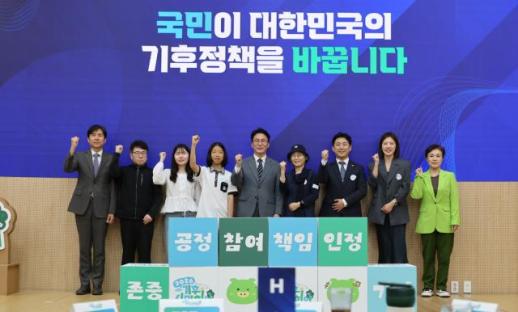 Launch of South Korea's Climate Citizen Assembly, the World's First Permanent Body The Climate Citizen Assembly, the world's first permanent national-level body for climate discussions, has been launched in South Korea. Prime Minister Kim Min-seok attended the assembly's launch on May 16, where he expressed his commitment to incorporating the recommendations generated by citizens into government policy. "The Climate Citizen Assembly represents a new model of climate governance where citizens actively participate in policy formation and implementation, rather than being mere subjects of policy," he stated. He emphasized the importance of democratic values of participation and deliberation, hoping the assembly would serve as a model for practical solutions. He also noted the government's plans to integrate artificial intelligence and energy transition efforts to find new pathways for overcoming the climate crisis while promoting economic growth. Global Climate and Environment Ambassador Kang Geum-sil proposed a 'Green First' initiative that integrates decarbonization and nature conservation into daily life. She expressed hope that people would embrace the discomfort and challenges of this transition as a new way of living. The Climate Citizen Assembly, established under the Carbon Neutrality Basic Act, consists of a 220-member citizen participation group that will identify issues and propose policies through discussions. The selection of the citizen participation group considered various demographic factors, including youth, people with disabilities, the elderly, and multicultural families. The Prime Minister's Office stated, "This is the world's first permanent national-level body for climate citizen discussions, allowing all citizens to participate equally in addressing climate issues through deliberation." In January, the Presidential Committee on Climate Crisis held a related forum, declaring the assembly as the first of its kind to be institutionalized at the national level globally. They assured that the policy recommendations derived from citizen participation and deliberation would be reviewed and adopted as part of the climate agenda, ensuring their effective implementation.* This article has been translated by AI. 2026-05-16 17:04:10
 -
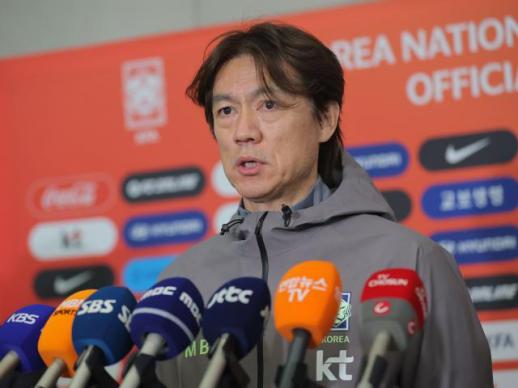 Son Heung-min Named to South Korea's 2026 World Cup Roster South Korea's national soccer team coach Hong Myung-bo announced the 26-player roster for the upcoming 2026 World Cup on May 16. The announcement took place at the KT Gwanghwamun Building in Seoul and included star player Son Heung-min of LAFC, along with three reserve players. This will be Son's fourth World Cup appearance, following previous tournaments in Brazil in 2014, Russia in 2018, and Qatar in 2022. He is joined by key European players such as Lee Kang-in (Paris Saint-Germain), Kim Min-jae (Bayern Munich), and Lee Jae-sung (Mainz). Jens Castrop (Borussia Mönchengladbach), a dual-national player, has made history as the first foreign-born player to be included in South Korea's World Cup squad. The selection of defender Lee Gi-hyeok from Gangwon FC also stands out. Although he has only one previous cap from the 2022 East Asian Cup against Hong Kong, he has made the final roster, filling in for the injured Kim Joo-sung (Hiroshima). Three young prospects, Kang Sang-yoon and Jo Wi-je (both Jeonbuk), along with 19-year-old goalkeeper Yoon Gi-wook (Seoul), will join the team as training partners. The national team will depart for a pre-camp in Salt Lake City, Utah, via Incheon International Airport on May 18. Overseas players, including Son, are expected to join the team directly upon arrival. During their time in the U.S., the team will play friendly matches against Trinidad and Tobago and El Salvador before moving to their base camp in Guadalajara, Mexico, on June 5. In the group stage, South Korea will face the Czech Republic, Mexico, and South Africa in succession.* This article has been translated by AI. 2026-05-16 16:57:55
 -
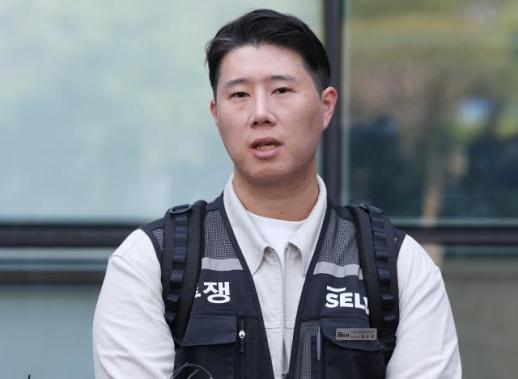 Samsung Electronics and Labor Union to Resume Negotiations After Leadership Change Samsung Electronics and its labor union have agreed to resume negotiations on May 16, following the replacement of the company's chief negotiator as requested by the union. According to Yonhap News, Choi Seung-ho, chairman of the Samsung Electronics branch of the Samsung Federation of Trade Unions, announced that the chief negotiator has been changed from Vice President Kim Hyung-ro to Yeom Young-gu, head of the Device Solutions People Team. Choi noted, "I have been informed that not all agenda items are ready yet," adding that Yeom is on his way and a meeting is planned. Choi also mentioned that Vice President Kim has agreed to participate in the negotiations without making statements to facilitate understanding of the process. Regarding Samsung Electronics Chairman Lee Jae-yong's public apology, Choi stated, "Employees joined the union due to a breakdown of trust with the company. In the Device Solutions division, 85% of employees are union members, essentially making them all part of the union."* This article has been translated by AI. 2026-05-16 16:03:45
 -
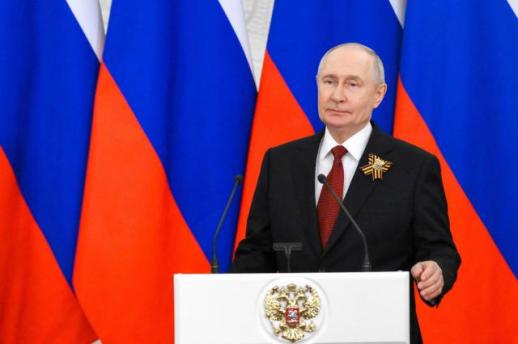 Putin to Officially Visit China on May 19-20 at Xi Jinping's Invitation The Kremlin announced on May 16 that Russian President Vladimir Putin will officially visit China for two days starting May 19. According to Yonhap News, the Kremlin stated that Chinese President Xi Jinping invited President Putin, and noted that the visit coincides with the 25th anniversary of the Treaty of Good-Neighborliness and Friendly Cooperation between the two countries. During the visit, President Putin is expected to hold a summit with President Xi to discuss key issues in bilateral relations, ways to strengthen their comprehensive partnership and strategic cooperation, and major international and regional matters. The two leaders will also participate in events commemorating the 'Russia-China Year' (2026-2027), and following their summit, they plan to issue a high-level joint statement and sign agreements between their governments. Additionally, President Putin will meet with Chinese Premier Li Qiang during his visit to discuss trade and economic cooperation, the Kremlin added. This visit comes just four days after U.S. President Donald Trump concluded his own visit to China, drawing attention to the timing. The last in-person meeting between President Putin and President Xi took place in September of last year during the 80th anniversary parade of the victory in World War II held in Beijing, where North Korean leader Kim Jong Un also joined the two leaders to showcase the close ties among Russia, China, and North Korea.* This article has been translated by AI. 2026-05-16 15:54:46
 -
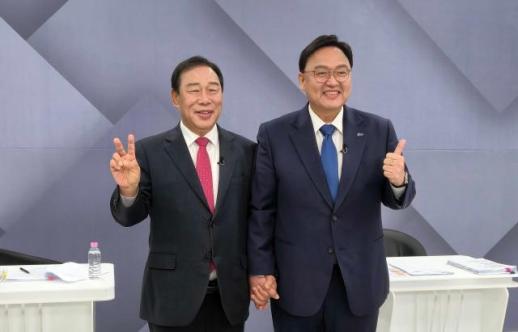 Sejong Mayor Candidates Focus on Buddhist Faith Ahead of Election On May 16, the first weekend following the registration of candidates for the June 3 local elections, the candidates for Sejong Mayor engaged with the community ahead of Buddha's Birthday. According to Yonhap News, Jo Sang-ho, the Democratic Party candidate, expressed his intention to attend a celebratory ceremony at Sejong Lake Park, stating, "I wish for peace and happiness in Sejong City alongside the citizens as we approach Buddha's Birthday." He added, "I will listen to the voices of the citizens every weekend and incorporate their feedback into my policies." Choi Min-ho, the People Power Party candidate, remarked, "Reflecting on the spirit of 'Jariita,' which teaches that benefiting others also benefits oneself, I constantly ponder what I can do for the country." He urged citizens to carefully consider who can genuinely lead the development of Sejong City. Both candidates plan to visit the Sejong Lotus Flower Festival, which begins at 7:30 PM near the lake park, to garner support. The Sejong Lotus Flower Festival is a Buddhist ceremony where participants light a fire on the Lotus Flower Peak, purifying their hearts and wishing for blessings. Sejong City hosts this annual festival to preserve the local intangible heritage known as 'Sejong Buddhist Lotus Flower Ritual.' Last year, the festival attracted over 100,000 visitors, solidifying its status as a representative local event. Earlier in the day, Jo Sang-ho met with hikers at the entrance of Obongsan Mountain and visited a badminton tournament at the Jochiwon Citizens' Gymnasium to cheer on the players. Choi Min-ho attended a senior citizens' celebration and a sports event to raise his profile, and in the afternoon, he sought support at a Family Month commemorative event.* This article has been translated by AI. 2026-05-16 15:36:50
 -
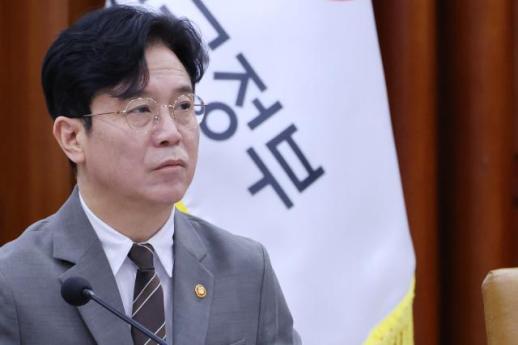 Labor Minister Kim Young-hoon Meets Samsung Executives to Mediate Union Dispute Five days before a planned general strike by the Samsung Electronics union, Labor Minister Kim Young-hoon met with the company's executives to urge the resumption of labor-management dialogue and to mediate the ongoing dispute. According to Yonhap News on May 16, the Ministry of Labor announced that Kim met with Samsung executives for about an hour on the same day. The ministry stated, "Minister Kim explained the government's position and the content of his discussions with the labor union during a meeting yesterday, urging the management to actively engage in dialogue to resolve the issues at hand." On the previous day, Kim had met with Choi Seung-ho, chairman of the Samsung Electronics branch of the Samsung Group's largest union. The union is demanding a fixed performance bonus of 15% of operating profit and the abolition of the upper limit on bonuses during negotiations. However, the management maintains that it will uphold the existing system while offering flexible bonuses without limits, leading to a stalemate between the two sides. The union plans to conduct a general strike from May 21 to June 7, expecting participation from up to 50,000 members.* This article has been translated by AI. 2026-05-16 15:18:42
 -
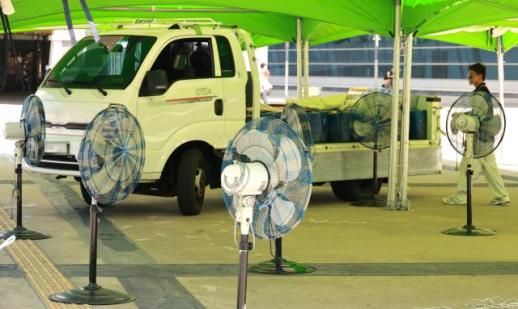 Weather Forecast: Mostly Clear and Warm Nationwide with Highs of 31°C in Seoul and 33°C in Daegu On Sunday, May 17, the weather will be mostly clear across the country, with rising daytime temperatures leading to warm conditions. Most regions, including the capital area, will enjoy clear skies, making it a suitable day for outdoor activities. However, with significant temperature differences between day and night, residents should dress accordingly in the morning and evening. Morning lows are expected to range from 12 to 19 degrees Celsius, while daytime highs will reach between 25 and 33 degrees, which is above average for this time of year. In major cities, the forecasted daytime highs are as follows: Seoul 31°C, Chuncheon 31°C, Gangneung 30°C, Daejeon 31°C, Jeonju 31°C, Gwangju 32°C, and Daegu 33°C. Incheon and Busan are expected to see highs of 27°C, while Jeju is forecasted at 25°C. Fine dust levels are predicted to be in the 'good' to 'moderate' range across all regions. Starting May 17, the moon's gravitational pull will cause higher tides, so caution is advised for low-lying coastal areas to prevent safety incidents. Waves are expected to reach heights of 0.5 to 1.0 meters in the East Sea, and around 0.5 meters in the West and South Seas. In the offshore waters, approximately 200 kilometers from the coast, wave heights are forecasted to be between 0.5 and 1.0 meters in the East, West, and South Seas.* This article has been translated by AI. 2026-05-16 15:12:44
 -
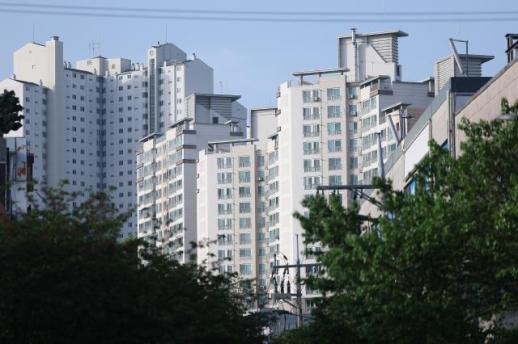 Seoul Housing Prices Rise After End of Capital Gains Tax Exemption Seoul's housing prices have resumed their upward trend following the end of the capital gains tax exemption. Even Gangnam has turned positive, while areas like Seongbuk and Jongno have recorded their highest growth rates since statistics began, reflecting significant increases in mid-priced apartment clusters. According to the Korea Real Estate Agency's April national housing price trend survey released on May 15, the comprehensive housing price index for Seoul rose by 0.55%. The overall demand in mid-priced areas has driven this increase. Among the districts, Gwangjin recorded the highest growth rate at 0.96%, primarily in major complexes in Junggok and Guui-dong. Seongbuk followed with a 0.92% increase, focusing on smaller units in Seongbuk and Gileum-dong, while Nowon saw a 0.79% rise centered around large complexes in Wolgye and Junggye-dong. Seodaemun and Dongdaemun also reported increases of 0.78% and 0.77%, respectively, mainly in Bukgajwa-Hongun-dong and Dapsimni-Hwigyeong-dong. Gangseo (0.87%) benefited from redevelopment projects in Gayang and Yeomchang-dong, while Yeongdeungpo (0.83%) saw growth in the station areas of Sin-gil and Yangpyeong-dong. Gwanak (0.74%) and Guro (0.72%) also experienced increases, particularly in Sinlim and Bongcheon-dong, and Gaebong and Gocheok-dong, respectively. However, Gangnam recorded a decline of -0.22% in April, particularly in high-priced areas like Apgujeong and Gaepo-dong. However, the mood shifted dramatically this month following the end of the capital gains tax exemption. According to the Korea Real Estate Agency, in the second week of May, apartment prices in Gangnam rose by 0.19%, marking a turnaround after 12 weeks of decline. Major areas such as Songpa (0.35%), Seocho (0.17%), and Yongsan (0.21%) also increased their growth rates. The upward trend in the outer regions, where mid-priced apartments are concentrated, is also accelerating. In the second week of May, Seongbuk (0.54%) and Jongno (0.36%) recorded their highest growth rates since statistics began. Areas with strong real demand, such as Seodaemun, Gangseo, Dongdaemun, and Nowon, continued to see upward momentum, contributing to the overall increase in the market. Consequently, Seoul's apartment prices rose by 0.28% in the same week, significantly up from the previous week's 0.15%. This marks the largest increase since the fourth week of January this year. Analysts suggest that the surge in urgent sales aimed at tax savings, which occurred after the announcement of the end of the capital gains tax exemption, has led to a simultaneous decrease in listings and an increase in prices. The Ministry of Land, Infrastructure and Transport is encouraging listings by expanding the exemption from residency obligations in designated land transaction areas from certain multi-homeowners to all homes with tenants. Yoon Soo-min, a real estate expert at NH Nonghyup Financial Group, noted, "Price impacts vary by region. Areas with many mid-priced apartments have steady demand, making price stabilization challenging, while high-priced apartments have limited demand, suggesting a more stable trend may continue." Nam Hyuk-woo of Woori Bank's real estate research institute stated, "The upward trend has resumed, particularly in so-called 'value-for-money areas' that offer less price burden and good living conditions. Areas like Seodaemun, Dongdaemun, and Gangseo have a small gap between actual transaction prices and listing prices, resulting in lower buyer resistance, and there appears to be an influx of demand from lower-tier to higher-tier areas." * This article has been translated by AI. 2026-05-15 14:37:48
 -
Seoul Housing Prices Rise After End of Capital Gains Tax Exemption Seoul's housing prices have resumed their upward trend following the end of the capital gains tax exemption. Even Gangnam has turned positive, while areas like Seongbuk and Jongno have recorded their highest growth rates since statistics began, reflecting a significant increase in mid-priced apartment areas. According to the Korea Real Estate Agency's April national housing price trend survey released on May 15, the comprehensive housing price index in Seoul rose by 0.55%. The increase was driven by strong demand in mid-priced areas. By district, Gwangjin saw the highest growth rate at 0.96%, primarily in the Junggok and Guui-dong areas. Seongbuk followed with a 0.92% increase, focusing on small to medium-sized apartments in Seongbuk and Gileum-dong, while Nowon recorded a 0.79% rise, mainly in the large complexes of Wolgye and Junggye-dong. Seodaemun (0.78%) and Dongdaemun (0.77%) also saw increases in areas like Bukgajwa and Hong-eun-dong, and Dapsimni and Huigyeong-dong, respectively. Gangseo (0.87%) showed growth in redevelopment areas of Gayang and Yeomchang-dong, Yeongdeungpo (0.83%) in the station areas of Singil and Yangpyeong-dong, Gwanak (0.74%) in Sinlim and Bongcheon-dong, and Guro (0.72%) in Gaebong and Gocheok-dong. However, Gangnam reported a decline of -0.22% in April, particularly in high-priced areas like Apgujeong and Gaepo-dong. However, the mood shifted dramatically this month following the end of the capital gains tax exemption. According to the Korea Real Estate Agency, the apartment sale prices in Gangnam rose by 0.19% in the second week of May, marking a turnaround after 12 weeks of decline. Major areas like Songpa (0.35%), Seocho (0.17%), and Yongsan (0.21%) also increased their growth rates. The rise in prices is also accelerating in the outer areas where mid-priced apartments are concentrated. In the second week of May, Seongbuk (0.54%) and Jongno (0.36%) recorded their highest growth rates since statistics began. Areas with strong demand, such as Seodaemun, Gangseo, Dongdaemun, and Nowon, continued to see upward trends, contributing to the overall increase in the market. Consequently, Seoul's apartment sale prices rose by 0.28% in the same week, significantly up from 0.15% the previous week. This marks the largest increase since the fourth week of January this year. Analysts suggest that the surge in sales aimed at tax savings, which occurred before the end of the capital gains tax exemption, has depleted available listings, leading to a simultaneous decrease in inventory and an increase in prices. The Ministry of Land, Infrastructure and Transport is encouraging listings by expanding the exemption of occupancy requirements in designated land transaction areas from certain multi-homeowners to all homes with tenants. Yoon Soo-min, a real estate expert at NH Nonghyup Financial Group, noted, "Price impacts vary by region. Areas with many mid-priced apartments have steady demand, making price stabilization difficult, while high-priced apartments have limited demand, suggesting a more stable trend may continue." Nam Hyuk-woo from Woori Bank's real estate research institute stated, "The upward trend has resumed, particularly in so-called 'value-for-money areas' where price burdens are lighter and living conditions are favorable. Areas like Seodaemun, Dongdaemun, and Gangseo have a small gap between transaction prices and listing prices, resulting in lower buyer resistance, and there seems to be an influx of demand from lower-tier to higher-tier areas." * This article has been translated by AI. 2026-05-15 11:36:45
-
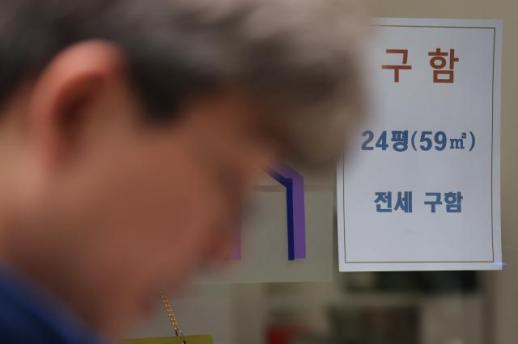 Korea's Housing Market Faces Dual Pricing After Lease Law Implementation Research from the Korea Research Institute for Human Settlements indicates that the introduction of the two lease laws has led to a rapid increase in new rental prices, creating a distinct "dual pricing" structure between new and renewal contracts. On May 14, the institute released its report titled "Analysis of Recent Changes in the Housing Rental Market Structure and Policy Implications," noting that "recently, new prices have exceeded renewal prices, indicating a shift toward a preference for renewal contracts." According to Park Jin-baek, a deputy research fellow at the institute, rental prices are rising again, particularly in the Seoul metropolitan area, while monthly rents are increasing across all regions. In Seoul, a reciprocal relationship has been observed in the short term, where prices and the usage rate of the contract renewal request (renewal rate) influence each other. In the long term, prices tend to move first, followed by changes in the renewal rate. As rental prices continue to rise in the Seoul metropolitan area, the usage rate of renewal requests has also increased. During periods of rising rental prices, tenants actively exercise their renewal rights to avoid further increases, while in declining price phases, the incentive to move through new contracts leads to a decrease in the renewal rate. The institute concluded that the high price volatility in Seoul's rental market is a key factor influencing tenants' decisions to exercise their renewal rights. An analysis of the impact of rental and sales prices in the national housing rental market from 1986 to 2025 confirmed a bidirectional interaction between rental and sales prices. While short-term fluctuations in sales prices affect rental prices, the reverse effect of rental price changes on sales prices occurs over a longer time lag. Recently, the price transfer effect from the overheated sales market around 2020 has intensified. The cumulative response of rental prices to a 1% increase in sales prices over 24 months peaked at 7.28% between 2010 and 2014 but has since weakened, remaining around 3% in recent times. The influence of rental prices on sales prices appears with a medium to long-term lag (3 to 9 months), with the magnitude of the shock response increasing over time. The cumulative response of sales prices to a 1% increase in rental prices has sharply expanded since the 2010s, peaking at 1.24% between 2015 and 2019, and has remained around 1% recently. The introduction of the land transaction permission system has not significantly affected rental listings but has noticeably reduced sales listings. The researchers recommend several measures to stabilize the housing rental market, including restructuring rental supply, enhancing the role of public rentals, and managing rental liquidity. They argue for a shift in the rental supply structure from individual landlords to corporate long-term rentals. They also emphasize the need to establish a stable rental supply foundation that meets public requirements for rental price stabilization and tenant housing security. To curb excessive liquidity inflow into the rental market, they suggest expanding the application of the total debt service ratio (DSR). Park Jin-baek stated, "We should expand the DSR application for rental loans to non-homeowners, excluding vulnerable groups, and reflect tenants' rental deposits in landlords' DSR calculations."* This article has been translated by AI. 2026-05-14 16:27:24