

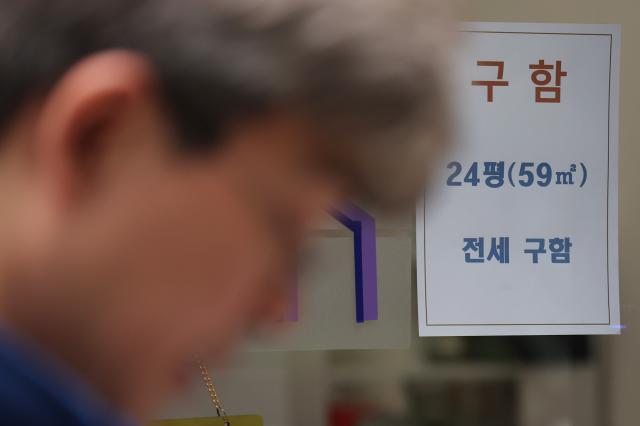
Research from the Korea Research Institute for Human Settlements indicates that the introduction of the two lease laws has led to a rapid increase in new rental prices, creating a distinct "dual pricing" structure between new and renewal contracts.
On May 14, the institute released its report titled "Analysis of Recent Changes in the Housing Rental Market Structure and Policy Implications," noting that "recently, new prices have exceeded renewal prices, indicating a shift toward a preference for renewal contracts."
According to Park Jin-baek, a deputy research fellow at the institute, rental prices are rising again, particularly in the Seoul metropolitan area, while monthly rents are increasing across all regions.
In Seoul, a reciprocal relationship has been observed in the short term, where prices and the usage rate of the contract renewal request (renewal rate) influence each other. In the long term, prices tend to move first, followed by changes in the renewal rate.
As rental prices continue to rise in the Seoul metropolitan area, the usage rate of renewal requests has also increased. During periods of rising rental prices, tenants actively exercise their renewal rights to avoid further increases, while in declining price phases, the incentive to move through new contracts leads to a decrease in the renewal rate. The institute concluded that the high price volatility in Seoul's rental market is a key factor influencing tenants' decisions to exercise their renewal rights.
An analysis of the impact of rental and sales prices in the national housing rental market from 1986 to 2025 confirmed a bidirectional interaction between rental and sales prices.
While short-term fluctuations in sales prices affect rental prices, the reverse effect of rental price changes on sales prices occurs over a longer time lag.
Recently, the price transfer effect from the overheated sales market around 2020 has intensified. The cumulative response of rental prices to a 1% increase in sales prices over 24 months peaked at 7.28% between 2010 and 2014 but has since weakened, remaining around 3% in recent times.
The influence of rental prices on sales prices appears with a medium to long-term lag (3 to 9 months), with the magnitude of the shock response increasing over time. The cumulative response of sales prices to a 1% increase in rental prices has sharply expanded since the 2010s, peaking at 1.24% between 2015 and 2019, and has remained around 1% recently.
The introduction of the land transaction permission system has not significantly affected rental listings but has noticeably reduced sales listings.
The researchers recommend several measures to stabilize the housing rental market, including restructuring rental supply, enhancing the role of public rentals, and managing rental liquidity.
They argue for a shift in the rental supply structure from individual landlords to corporate long-term rentals. They also emphasize the need to establish a stable rental supply foundation that meets public requirements for rental price stabilization and tenant housing security.
To curb excessive liquidity inflow into the rental market, they suggest expanding the application of the total debt service ratio (DSR). Park Jin-baek stated, "We should expand the DSR application for rental loans to non-homeowners, excluding vulnerable groups, and reflect tenants' rental deposits in landlords' DSR calculations."
* This article has been translated by AI.
Copyright ⓒ Aju Press All rights reserved.