

Journalist

KWONKYUHONG
spikekwon@ajunews.com
-
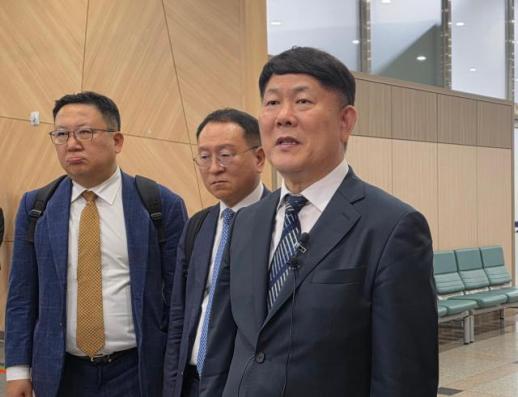 Tire Bank Chairman Kim Jung-kyu Sentenced to Three Years for Tax Evasion Kim Jung-kyu, chairman of Tire Bank, has been sentenced to three years in prison for tax evasion involving concealed ownership of sales points. Although the total amount of tax evasion was reduced due to the expiration of the statute of limitations on some charges, the penalties remained significant. On June 2, the third criminal division of the Daejeon High Court, led by Judge Kim Byeong-sik, overturned the previous ruling and sentenced Kim to three years in prison and a fine of 14.1 billion won for violations of the Act on the Aggravated Punishment of Specific Crimes (tax offenses). The court ruled that some amounts should be dismissed due to the expiration of the statute of limitations, in accordance with the Supreme Court's directive. Kim was indicted in October 2017 for allegedly evading approximately 8 billion won in comprehensive income tax by disguising the ownership of some Tire Bank sales points as being operated by individual owners. He reportedly used methods such as underreporting cash sales and minimizing transaction details. Additionally, he faced charges for issuing and receiving false tax invoices, despite having a de facto employment relationship with the consignment sales point operators. He was also accused of evading around 90 million won in capital gains tax from stock transfers. In January 2019, the first trial court found Kim guilty and sentenced him to four years in prison and a fine of 10 billion won. However, the court did not enforce immediate detention at that time, citing the need to protect Kim's right to defense. Following an administrative lawsuit, the initially reported tax evasion amount of 8 billion won was reduced to 5.5 billion won. During the appeals process, additional evidence submitted by Kim's defense team further adjusted the acknowledged tax evasion amount to 3.9 billion won. However, the second trial court overturned the not guilty verdict on the false tax invoice charges, which had been deemed innocent in the first trial. As a result, in July of last year, the appellate court sentenced Kim to three years in prison and a fine of 14.1 billion won, leading to his immediate detention in court. In a subsequent appeal, the Supreme Court overturned the previous ruling in January and sent the case back to the Daejeon High Court. The court indicated that some amounts from the total of 3.9 billion won in tax evasion for the years 2008 to 2015 should have been dismissed due to the expiration of the statute of limitations. Consequently, the final acknowledged tax evasion amount in this retrial was reduced to 3.15 billion won. Nevertheless, the court rejected all other grounds for appeal raised by Kim's defense team, maintaining the sentence of three years in prison and a fine of 14.1 billion won.* This article has been translated by AI. 2026-06-02 15:36:00
 -
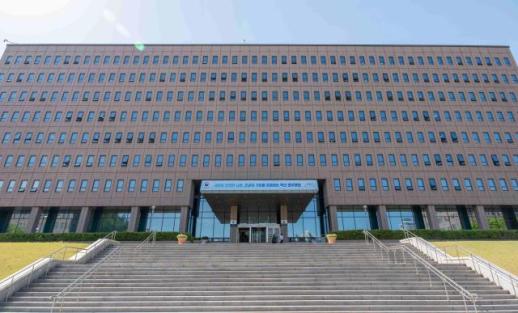 South Korea's Justice Ministry Publishes Legal Guide for Companies Entering Australia A practical guide has been developed to support South Korean companies in entering the Australian market and addressing local legal risks. On June 2, the Ministry of Justice announced the publication of the "Legal Guide for Overseas Expanding Companies - Australia Edition" to help domestic businesses accurately understand Australia’s legal and regulatory environment as they pursue operations there. Australia is one of the countries with high demand for South Korean companies, particularly in sectors like mining, manufacturing, and real estate. However, unlike South Korea's civil law system, Australia follows a common law system and has its own regulatory framework, making thorough preparation and legal analysis essential for market entry. The Ministry of Justice created this guide to help companies already in Australia or preparing to enter the market easily understand the local legal system and effectively respond to potential legal risks during their business operations. The guide is designed to be practical, allowing companies to use it directly in the field. The publication covers key legal areas necessary from the initial entry to operation, including the Foreign Investment Review Board (FIRB) process, company formation and governance, regulations related to real estate investment and development, labor and employment law, tax systems, and competition and consumer law. It also addresses recent legal issues gaining prominence in Australia, such as unfair contract terms, environmental, social, and governance (ESG) concerns, and directors' responsibilities related to climate risks. The Ministry has been operating the "International Legal Support Team for Overseas Expanding Small and Medium Enterprises" to address international legal challenges faced by these businesses. Since September 2024, it has published a series of guides covering the legal systems and investment environments of major target countries, starting with Germany, followed by the United Arab Emirates (UAE), Japan, and now Australia. Recently, the Ministry also distributed materials to guide South Korean companies on issues related to the blockade of the Strait of Hormuz, addressing force majeure and response strategies amid rapidly changing international circumstances. The Ministry explained that the publication of the Australia edition is part of its multifaceted legal support initiatives for businesses. Justice Minister Jeong Seong-ho stated, "Australia offers various opportunities for our companies, but it also requires careful legal scrutiny. I hope this guide serves as a reliable resource to support new challenges and achievements in the Australian market and contributes meaningfully to enhancing economic cooperation between the two countries." The Ministry plans to continue identifying the needs of overseas expanding companies and publish legal guides for various countries. This initiative aims to strengthen practical international legal support systems, enabling small and medium-sized enterprises and small business owners to operate stably in unfamiliar regulatory environments while enhancing their international competitiveness.* This article has been translated by AI. 2026-06-02 15:03:00
 -
 South Korea Revives Committee to Recover Assets from Pro-Japanese Collaborators The South Korean government is taking steps to recover assets unjustly accumulated by pro-Japanese collaborators, aiming to restore historical justice. On June 2, the government announced the re-establishment of the Pro-Japanese Property Investigation Committee and the enactment of the Special Act on the National Confiscation of Property of Pro-Japanese Collaborators. This marks the committee's revival after 16 years of inactivity. The new legislation will take effect on December 2, six months after its announcement. To ensure a smooth launch of the newly formed committee, a meeting of relevant ministries was held today under the auspices of the Blue House. The meeting focused on discussing specific cooperation strategies among ministries to lay a solid foundation for the committee's successful operation. Notably, the meeting led to the establishment of a preparatory team for the Pro-Japanese Property Investigation Committee under the Ministry of Justice. This team will be responsible for designing the committee's organization and operational plans, as well as gathering preliminary data to support the committee's activities. Justice Minister Jeong Seong-ho stated, "The announcement of the Pro-Japanese Property Confiscation Act has reestablished the institutional foundation for recovering pro-Japanese assets. The Ministry of Justice will work closely with relevant ministries to ensure that the newly initiated committee launches without any issues and receives the necessary support and preparation."* This article has been translated by AI. 2026-06-02 14:57:00
 -
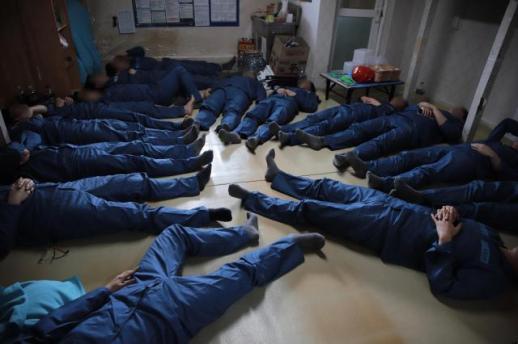 Justice Ministry Defends Air Conditioning Installation in Prisons The Justice Ministry has clarified that the recent decision to install air conditioning in prisons is aimed at protecting inmates vulnerable to heat-related illnesses. On June 2, the ministry issued a statement explaining that the cooling systems will be installed in the hallways of housing units, providing indirect cooling to mitigate rising temperatures. They anticipate that this will also improve working conditions for correctional officers. The ministry stated, "We are focusing on enhancing cooling systems in housing units where elderly, disabled, and ill inmates reside, as they are particularly susceptible to heat-related illnesses." It also noted that some women's housing units were included in the plan after considering overcrowding, physical characteristics, and living conditions. Additionally, the ministry emphasized its ongoing efforts to combat heat and prevent heat-related illnesses, which include operating cooling shelters and providing ice water. The installation of air conditioning is seen as a necessary measure to protect vulnerable inmates. A representative from the Correctional Headquarters told Aju Economy that they provide inmates with two 500ml bottles of ice water daily, but do not offer special treats like ice cream or fruit punch. They urged the public to understand that the enhancement of cooling systems is a minimal necessary measure to ensure the safety and well-being of inmates sensitive to extreme heat. Earlier this year, the Justice Ministry announced a budget of 1.2 billion won to improve cooling systems in correctional facilities. However, the announcement has sparked criticism online, with comments on portal sites expressing concerns such as, "Tax money is being used to install air conditioning for criminals," and, "There are people living without air conditioning in goshiwons (small rooms)," as well as calls for increased air conditioning in military barracks for soldiers protecting the country. 2026-06-02 10:42:00
 -
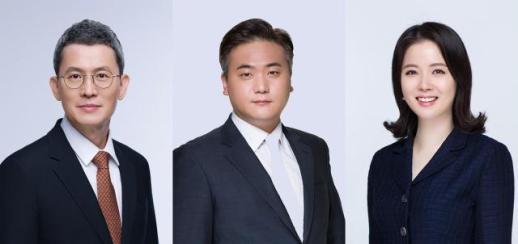 Sejong Law Firm to Host Seminar on Labor Legislation Trends Post-Local Elections Sejong Law Firm, led by Managing Partner Oh Jong-han, announced on June 2 that it will hold a hybrid seminar titled "Labor Legislation Trends After the Local Elections" on June 8 at 2 p.m. in the seminar room on the 24th floor of Sejong Grand Seoul. Following the local elections, discussions are expected to intensify regarding the implementation of labor pledges by the Lee Jae-myung administration, including the worker presumption system, the Basic Law for Workers, retirement age extension, and the abolition of the comprehensive wage system along with reduced working hours. The Sejong Labor Group aims to provide insights into the legislative trends and progress related to these key labor issues, as well as to identify potential legal challenges that may arise if new laws are enacted. The seminar will also offer practical strategies for companies to proactively respond to these changes. The seminar will begin with opening remarks from Kim Min-seok, a senior advisor who previously served as the Vice Minister of Employment and Labor. The first session will feature Cho Chan-young, an attorney who joined Sejong early last year after working as a judge in the Labor Division of the Seoul High Court, discussing the worker presumption system and the Basic Law for Workers. Next, attorney Yoon Hye-young, who has extensive experience with cases related to wage peak systems, will address retirement age extension and age discrimination. Finally, Kim Jong-soo, head of the Sejong Labor Group, will outline key issues surrounding the abolition of the comprehensive wage system and working hour measurement. Managing Partner Oh Jong-han remarked, "The worker presumption system and retirement age extension are critical issues that could significantly impact the labor and industrial sectors, similar to the Yellow Envelope Law. I hope this seminar will help assess labor legislation trends in light of changes in the political and policy environment, enabling companies to respond more strategically to future regulatory changes." Participation in the seminar is available both in-person and online, with inquiries for registration directed to the Sejong Planning Office at seminar@shinkim.com. Additionally, the Sejong Labor Group, led by Kim Jong-soo, consists of approximately 50 attorneys and experts, and has been strengthening its capabilities, including the recent recruitment of Lee Seung-jae, an attorney from Kim & Chang. The group is proactively responding to significant changes in labor policies and legislative environments, providing comprehensive legal services that encompass collective labor relations, industrial safety, and serious accidents.* This article has been translated by AI. 2026-06-02 09:33:00
 -
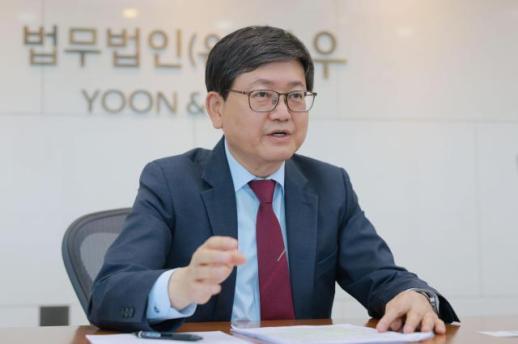 Legal Expert Im Seo-jung Advocates for Social Responsibility in Corporate Profit Sharing Recently, the labor negotiations regarding performance bonuses at Samsung Electronics concluded successfully with active government mediation. However, the labor union of Samsung's non-semiconductor DX division is protesting against receiving lower bonuses compared to the semiconductor (DS) division, and this discontent is spreading to other companies such as Kakao, LG, and Hyundai Motor. Aju Economy spoke with Im Seo-jung, a legal advisor at Hwawoo Law Firm and a former vice minister of the Ministry of Employment and Labor, who has over 30 years of experience in the field, to discuss the essence of the situation and his views on recent labor issues. Im stated, "As global competition intensifies, we must question whether it is appropriate to demand that a significant portion of operating profit be directly linked to labor performance. This could lead to feelings of relative deprivation among workers in small and medium-sized enterprises and the younger generation." He added, "The method of unilaterally determining performance distribution by companies can no longer be sustained. The performance bonus system must not undermine long-term competitiveness, and corporate performance should also be approached from a social responsibility perspective." Below are excerpts from the interview with Im. - SK Hynix has provided employees with performance bonuses exceeding 100 million won, intensifying labor disputes over bonus calculations in large companies like Samsung Electronics. Although a government-mediated agreement was reached, what impact do you foresee on the wage systems of small and medium-sized enterprises and the industry as a whole? The recent debate over performance bonuses is not merely about how much more one receives. It raises a fundamental question about how our society shares corporate performance and based on what criteria. However, the demands from the Samsung Electronics union regarding performance bonuses have sparked significant social criticism beyond simple labor disputes. After experiencing a prolonged period of poor corporate performance and structural crises before the recovery of the semiconductor market, we must question whether it is appropriate to demand that a significant portion of operating profit be directly tied to labor performance. Furthermore, the issue of social equity felt by the general public cannot be overlooked. The wage gap between regular employees in large corporations and those in small and medium-sized enterprises is already considerable, potentially leading to feelings of relative deprivation among workers in smaller firms and the youth. That said, we should not view workers' demands for performance distribution negatively. The previous method of unilateral determination by companies can no longer be sustained. The solution lies not in competitive amounts or power struggles. Transparency in the criteria for calculating performance bonuses is necessary, and the bonus system must not undermine long-term competitiveness. Additionally, corporate performance should not be seen solely as a labor-management issue but should also be approached from a social responsibility perspective. The issue of performance bonuses is not simply about giving more or less. Labor rights are important, and so are shareholder rights. However, what is more crucial is social acceptability and sustainability. Both labor and management must move beyond merely asserting their rights to consider the future competitiveness of the company and the balance of society as a whole to create a healthy performance-sharing model. - Discussions surrounding the Yellow Envelope Law (amendments to Articles 2 and 3 of the Labor Union Act) are heating up. In particular, if the 'expansion of the employer's scope' is realized, it is expected that primary companies will have to negotiate directly with subcontractor unions, leading to significant confusion in the field. The core of the Yellow Envelope Law consists of three main points: first, expanding the scope of employers; second, broadening the scope of labor disputes; and third, limiting liability for damages related to disputes. Among these, I believe the most immediate and direct impact on industrial sites will come from the expansion of the employer's scope. Until now, our labor law system has judged employer responsibility based on the employment contract relationship. In other words, rights and obligations have been structured around direct employment relationships where wages are paid and personnel authority is exercised. However, the amended law expands the concept of employer based on actual influence or control. This could lead to significant changes in the traditional labor law structure. Ultimately, what companies will need after the Yellow Envelope Law is not just a simple legal defense strategy but management capabilities to adapt to the new labor relations order. The government will also strive to ensure that the system quickly takes root in the industrial field and operates in the direction of bridging gaps and fostering coexistence, but this will not be easy in a situation where distrust between labor and management runs deep. In this regard, minimizing conflicts in the field while creating realistic solutions will become increasingly important. - The introduction of AI and automation is rapidly changing the nature of jobs. With an increasing number of workers in 'legal blind spots' such as platform workers, what measures can be taken to address the dual structure gap in the labor market? The spread of AI, robots, and the digital economy can widen the gap between high-skilled and low-skilled workers. Jobs that are difficult to categorize under traditional employment concepts, such as platform workers, special employment workers, and freelancers, are rapidly increasing. The growth rates of industries and companies are also diverging significantly. While some large corporations are generating high profits and providing performance bonuses, small and medium-sized enterprises are simultaneously facing labor shortages and low productivity issues. In this structure, wage disparities and gaps in employment stability are bound to widen. I believe it is necessary to establish a special committee under the President or the Speaker of the National Assembly to improve the dual structure of the labor market. This committee should include not only labor experts but also experts in economics, industry, fair trade, social security, and education and vocational training to provide neutral assessments and solutions. Subsequently, labor and management, along with stakeholders, should participate in discussions to create a social consensus. A key task will be to enhance the productivity and payment capacity of small and medium-sized enterprises while expanding minimum social security and labor rights protections regardless of employment type. Discussions on the labor union system and representation issues should also be included, along with strengthening job retraining and transition support systems in response to AI transitions. The state and companies must jointly support the movement between jobs that are disappearing due to technological changes and those that are being created. This issue cannot be resolved through short-term measures every time there is a change in government. Addressing the dual structure of the labor market is not just a matter of reconciling interests between current labor and management; it is also directly related to opportunities for future generations. Therefore, it should be approached as a national task to enhance the sustainability of our economy and labor market, transcending the short-term interests of the government and labor. - There is ongoing social discussion regarding the legal extension of the retirement age and the continued employment system. From the perspective of companies, concerns about labor cost burdens and the encroachment on youth jobs are significant. Do you believe that extending the retirement age without introducing a wage peak system or job-based pay system is feasible? As the age for receiving national pension benefits rises to 65 by 2033, the current legal retirement age remains at 60. This creates a so-called 'income gap period.' However, many companies in our country still have a wage system that is heavily based on seniority. As years of service and age increase, wages also rise. While it is generally true that older workers accumulate experience and skills, there are concerns that productivity and wages may diverge due to factors such as health, job characteristics, and adaptability to technological changes. This is why discussions about wage peak systems or job-based pay systems continue to arise. However, extending the retirement age without such systems is realistically challenging. Ultimately, sustainable solutions should not be approached as a binary issue of extending retirement age or not, but rather in the context of balancing the entire labor market. We must protect the lives of older workers while also safeguarding opportunities for the younger generation and considering the sustainability of companies. - With the Lee Jae-myung administration in power, labor inspections by the Ministry of Employment and Labor have become much more sophisticated and stringent compared to the past. The focus on the abuse of comprehensive wage systems and wage arrears has expanded. What 'labor inspection trends' should companies pay close attention to in order to manage legal risks? Recent changes in labor inspection policies indicate that the philosophy and methods of inspections themselves are undergoing significant changes, not just an increase in the number of inspections. Since the Lee Jae-myung administration took office, the title of labor inspectors has been changed to labor supervision officers, and the workforce is expected to expand from about 3,000 to 5,000 next year. However, what companies should focus on more than the numbers is the change in inspection methods. In the past, inspections were primarily regular, but in the future, there is a high likelihood that unannounced inspections, planned inspections, and integrated inspections combining industrial safety and labor will be expanded. Particularly, there is a greater possibility that legal actions will be taken immediately based on the severity of violations, rather than first providing opportunities for correction as in the past. This means that for companies, the approach of 'responding when problems arise' may have limitations. Therefore, companies must establish a system for ongoing checks on working hours, wage system operations, appropriateness of comprehensive wages, workplace harassment response systems, and safety management systems. Ultimately, the future trend of labor inspections will depend on how precisely companies are required to operate their human resources and labor management. - Social dialogue through the Economic and Social Council (ESC) often stalls. What do you think are the reasons for the increasing difficulty in finding common ground between labor's participation and the government's mediation proposals? Do you believe a 'new framework for dialogue' is necessary to overcome this? I believe there are several structural reasons why the ESC has not been achieving results as expected. First, there is the issue of representation, second, the issue of the implementation structure after agreements, and third, the deep-seated mutual distrust among labor, management, and the government. Social dialogue should ideally be a process of designing a shared future rather than merely adjusting short-term interests. If the limitations that have been raised regarding the ESC, such as improving representation, enhancing operational methods, and strengthening the implementation of agreements, are addressed, significant progress can be expected. However, simply changing the name of the dialogue body or creating a new organization will not automatically resolve the issues. Fundamentally, a change in the perception of social dialogue among labor, management, and the government is necessary. Additionally, the government and the National Assembly must also make efforts to respect the results of social agreements and reflect them in policies and legislation. - The number of 'NEET' youth has recently surpassed 400,000, reaching an all-time high, highlighting the ongoing issue of youth employment. Additionally, human rights violations and fatalities among foreign workers continue to occur annually, negatively impacting South Korea's international reputation. The issues of youth employment and foreign workers may appear to be separate issues at first glance, but they actually represent structural problems within our labor market. The recent increase in 'NEET' youth exceeding 400,000 cannot be viewed simply as an economic issue. There are various reasons, but fundamentally, the number of jobs that young people want to pursue is decreasing, and the dual structure of the labor market is also a contributing factor. There remains a significant gap in wages, benefits, and working conditions between large corporations and small and medium-sized enterprises, as well as between regular and non-regular workers, and young people's perceptions of work are changing. The younger generation now values the meaning of work, work-life balance, growth potential, and fairness more than simply having a job for survival. However, the current labor market still largely retains the structures of the past industrialization era. Ultimately, both the government and companies need to change their roles. The issue of foreign workers also extends beyond mere human rights concerns to encompass our industrial structure and workforce policies. Many industries, including agriculture, manufacturing, construction, and caregiving, have become difficult to sustain without foreign labor. Issues such as restrictions on changing workplaces, language barriers, lack of information, inadequate living conditions, and insufficient safety management contribute to repeated human rights violations. In particular, the recurrence of industrial accidents and fatalities among foreign workers must be taken very seriously. It is no longer feasible to view this as merely an issue of individual employers' misconduct; it may be a structurally connected result of outsourcing dangerous work, inadequate safety training, poor communication, and management blind spots. This can be evaluated as a labor rights issue in the international community and can affect South Korea's international reputation. A shift in perspective is needed to view foreign labor not just as a source of labor supply but as members of the labor market, and there is a need to consider improvements in the workplace mobility system and rights protection mechanisms. Basic infrastructure such as housing, safety training, and interpretation support should also be strengthened, and the industrial safety management system should be improved to reflect the characteristics of foreign workers. Future labor policies should expand to include not only those within the existing labor market but also those outside or on the margins. 2026-06-01 16:06:00
 -
 Special Prosecutor to Publicly Summon Yoon Suk Yeol on June 6 The second comprehensive special prosecutor team, led by Kwon Chang-young, has decided to publicly summon former President Yoon Suk Yeol. This will mark the first time Yoon appears before the media while restrained by handcuffs. On June 1, the special prosecutor's office announced during a briefing at its Gwacheon office that Yoon would appear publicly on June 6, Saturday, to uphold the public's right to know. On that day, Yoon will arrive in a transport vehicle from the Seoul Detention Center and will be presented in front of reporters while restrained, in accordance with detention center regulations. However, the special prosecutor's office has requested that only one camera reporter and one journalist be allowed due to space constraints. When asked about the stance of Yoon's legal team regarding the public summons, a special prosecutor official stated, "They did not particularly oppose it." However, they added that the situation could change the day before the appearance, so they are monitoring the response. Contrary to the special prosecutor's position, Yoon's legal team issued a statement saying, "We are in discussions with the special prosecutor's office, and the public appearance has not been definitively confirmed." Yoon is accused of instructing the National Intelligence Service and others to convey messages to the international community justifying the declaration of martial law shortly after the December 3 martial law was announced. This will be Yoon's first appearance before the special prosecutor's team. The team is currently investigating former National Intelligence Service chief Jo Tae-yong as a suspect for his involvement in the alleged insurrection. Yoon is also scheduled to appear before the special prosecutor's team again on June 13 to be questioned as a suspect regarding charges of being a leader of a rebellion under military law. However, the special prosecutor's office has not confirmed whether this will also be a public summons. Additionally, there are no confirmed plans for public summonses for other individuals under investigation, including First Lady Kim Keon-hee and former Minister of the Interior and Safety Lee Sang-min. During the briefing, Special Prosecutor Kim Ji-mi stated that investigations are intensifying, having questioned 15 suspects and 40 witnesses last week. Notably, they have secured internal testimonies indicating that preparations for the martial law declared on December 3, 2024, began as early as November 2023. Kim revealed, "According to the investigation results of former Joint Chiefs of Staff Chairman Kim Myung-soo, many officials advised against the legality of deploying troops to the National Assembly at the time of the martial law declaration, but their concerns were ignored." As a result, the special prosecutor's office has summoned and is investigating former Fire Chief Heo Seok-gon and former Deputy Fire Chief Lee Young-pal, who are suspected of involvement in the insurrection. They plan to summon former National Intelligence Service Deputy Director Hong Jang-won on June 5 to focus on his actions leading up to the lifting of martial law on December 4. The investigation into allegations of covering up the case involving Kim's involvement is also expanding. The special prosecutor's office has charged Choi Jae-hoon, the former head of the Anti-Corruption Division at the Seoul Central District Prosecutors' Office, with the crime of falsifying official documents related to the Deutsche Motors stock manipulation case. The special prosecutor's office believes that Choi predetermined the conclusion of the investigation that cleared Kim of any wrongdoing in October 2024 and manipulated data during the report revision process. They have completed searches of his mobile phone and the Supreme Prosecutors' Office's information and communication division. Furthermore, in connection with the allegations of covering up the luxury bag investigation, the special prosecutor's office has seized the mobile phones of three personnel from the Ministry of Justice's personnel department from May 2024 and requested forensic analysis from the National Forensic Service. The special prosecutor's office has also completed the analysis of seized items related to the allegations of changing the route of the Seoul-Yangpyeong Expressway and plans to investigate the circumstances surrounding the declaration of nullification with the relevant officials from the Ministry of Land, Infrastructure and Transport during former Minister Won Hee-ryong's tenure. Additionally, in relation to the allegations of covering up the Unification Church investigation, the special prosecutor's office will continue to exert pressure by executing search warrants on the mobile phones of four police executives, including former National Police Chief Yoon Hee-keun. 2026-06-01 15:00:00
 -
 Korean Bar Association Expresses Regret Over Court's Reduction of Attorney Fees The Korean Bar Association, led by President Kim Jung-wook, recently expressed regret over a series of court rulings that retroactively reduce attorney fees agreed upon between lawyers and clients. In a statement on June 1, the association emphasized that "the principle that contracts must be upheld is fundamental to our judicial order," asserting that agreements made freely by the parties involved should be respected. It stressed that court intervention should be limited to exceptional cases with clear and reasonable grounds. The association particularly criticized the courts for applying a double standard specifically to attorney fee agreements. It noted, "When compared to the strict standards under which the Supreme Court did not easily invalidate coercive gift documents from the Chun Doo-hwan military regime, the courts are undermining the validity of attorney fee agreements based on an abstract notion of equity." The Korean Bar Association clarified that attorney fees are not simply calculated mechanically but are determined by considering the complexity of the case, the expertise required, and the anticipated risks. It argued that the courts' retrospective scrutiny of fees undermines the professionalism of legal work and jeopardizes legal stability. The association also pointed out the ambiguity surrounding the criteria for fee reductions. It claimed, "If the relatively easy and broad acceptance of fee reductions in litigation contracts is due to judges' familiarity with this area, it could result in an unreasonable differentiation of the legal profession from other fields without rational justification." The statement concluded that the retrospective reduction of attorney fee agreements should be approached cautiously, considering not only the specifics of individual cases but also the equity with other professions and the judiciary's self-restraint in the realm of private autonomy. Additionally, the association criticized the courts' outdated perspective of viewing clients as unilateral underdogs in contractual relationships, especially in today's world where clients have access to diverse information due to advancements in communication technology. A representative from the Korean Bar Association warned, "If the stability of fee agreements is compromised, lawyers will avoid taking on high-risk cases, ultimately depriving citizens of access to quality legal services." The representative urged the judiciary to recognize that attorney fee agreements are a foundational institutional support for the independence of the legal profession and to exercise restraint in post-facto interventions. Moving forward, the Korean Bar Association plans to closely monitor judicial decisions to ensure that attorneys' rights to fair fee claims are not infringed upon, while also continuing efforts to improve relevant legal principles and systems.* This article has been translated by AI. 2026-06-01 10:18:00
 -
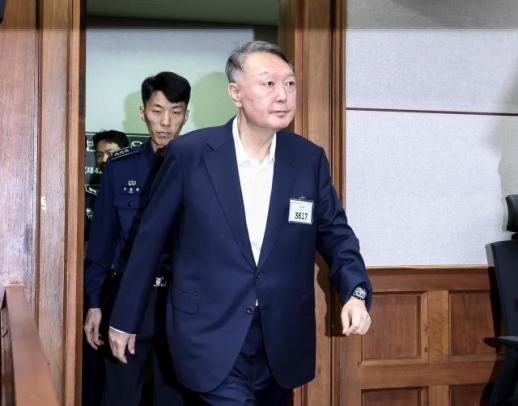 Yoon Suk Yeol Faces Eight Trials Simultaneously; Life Sentence for Rebellion, Acquitted of Perjury Yoon Suk Yeol, who is currently serving a life sentence for leading a rebellion following the declaration of martial law on December 3, was recently acquitted of perjury charges in a separate trial. He is facing a total of eight trials, with a verdict expected next month in a case involving the receipt of polling data without charge. According to legal sources on May 31, the Seoul Central District Court's Criminal Division 32, presided over by Judge Ryu Kyung-jin, acquitted Yoon of perjury on May 28. This marks the third first-instance verdict among the eight trials he is currently undergoing, and it is the first acquittal. Previously, the special prosecutor's team for the rebellion case had sought a two-year prison sentence for Yoon. Yoon was charged with providing false testimony during a trial involving former Prime Minister Han Duck-soo, where he appeared as a witness. He was accused of falsely claiming that he had planned a Cabinet meeting before Han's recommendation on the day martial law was declared. At the time, Yoon stated, "Cabinet members are not puppets just to maintain appearances; isn’t this question too reflective of a subjective opinion?" The special prosecutor's team deemed this statement to be perjury. However, the court ruled that Yoon's testimony about attempting to convene a legally constituted Cabinet meeting was merely a subjective evaluation and did not contradict the facts. Currently, there are four cases related to the rebellion, including the perjury charge. The main rebellion trial resulted in a life sentence in February, and an appeal is currently underway at the Seoul High Court's Criminal Division 12-1, led by Judge Lee Seung-cheol. However, this trial has been suspended due to a request from Yoon's legal team to disqualify the judges. Following the rejection of this request, Yoon's team has filed a further appeal. It appears that the trial will not resume until the Supreme Court issues a final decision. In a separate case involving the obstruction of an arrest warrant execution, the sentence has been increased from five to seven years. On April 29, the Seoul High Court's Criminal Division 1, presided over by Judge Yoon Seong-sik, imposed a heavier sentence than the initial five-year term. This case has been assigned to the Supreme Court's Division 3, and a definitive ruling is expected by July 29, which is the deadline for sentencing under the rebellion special prosecution law. Yoon has also been indicted in a separate investigation led by the Kim Geon-hee special prosecutor's team for allegedly receiving polling data without charge from political broker Myung-tae Kyun. The first-instance verdict for this case is set for June 23, with the special prosecutor seeking a four-year prison sentence. Additionally, a case involving violations of the Public Official Election Act for disseminating false information during the 20th presidential election is scheduled for a verdict on July 10. If a fine of over 1 million won is imposed, the People Power Party will be required to return approximately 40 billion won in election expenses, which could have significant political repercussions. The trial concerning allegations of investigative pressure and aiding a fugitive, initiated by the Marine Corps special prosecutor's team, is also progressing. During a hearing on May 27, key witness Lim Gi-hoon, former presidential secretary for defense, testified that the so-called 'VIP anger' indeed existed, suggesting a potentially unfavorable outcome for Yoon in future proceedings. The trial regarding allegations of instructing the deployment of drones to Pyongyang to justify the declaration of martial law is set for a first-instance verdict on June 12, with the special prosecutor seeking a severe sentence of 30 years. Another case involves the alleged aiding of a fugitive by appointing former Defense Minister Lee Jong-seop as ambassador to Australia to evade investigation, which is currently being heard in the Seoul Central District Court's Criminal Division 22, presided over by Judge Jo Hyung-woo. 2026-05-31 15:21:00
 -
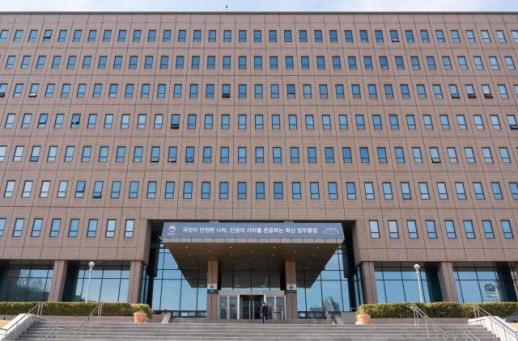 South Korea Expands Top-Tier Visa Program to Attract Global Science Talent The South Korean government is set to expand its Top-Tier visa program, offering significant incentives to attract world-class science and technology talent. The program will now include professors and researchers in the science and technology fields, aiming to secure 2,000 outstanding foreign professionals by 2030. On May 31, the Ministry of Justice and the Ministry of Science and ICT announced that the new "science and technology Top-Tier visa" system will be implemented starting in June. This improvement is designed to streamline the process by closely linking talent recommendations from the Ministry of Science and ICT with visa evaluations by the Ministry of Justice, significantly lowering barriers for skilled professionals to enter the country. The Ministry of Science and ICT is pursuing a "Brain to Korea" strategy, which aims to attract a total of 2,000 foreign scientists, including 350 top-tier scholars, by 2030. To facilitate this, a "one-stop electronic system" will be launched to ensure that visa issuance can be completed within two weeks when universities, research institutes, or corporate labs seek to recruit foreign experts. The criteria for obtaining a Top-Tier visa focus on demonstrating global research excellence. Applicants must meet at least one of the following requirements: be a recipient of an internationally recognized award such as the Nobel Prize or Fields Medal, be an author of papers in the top 1% of citations, hold triadic patents (registered simultaneously in the U.S., Japan, and Europe), or have experience as an assistant professor at a top 100 global university or as a lead researcher at one of the world's top 500 companies. Even if applicants do not fully meet the quantitative criteria, promising researchers with significant potential can still be recommended through a qualitative assessment by a joint review committee from both ministries. Selected Top-Tier visa holders will receive exceptional benefits for themselves and their families. Upon application, they will be granted a residency visa (F-2) that allows for immediate employment and settlement, along with a preferential entry card. Notably, the residency period required for obtaining permanent residency (F-5) will be significantly reduced from five years to three years. Accompanying family members, including parents and domestic helpers, will also be allowed to stay, enhancing stability for their settlement. The program will not only provide visas but also comprehensive support services from entry to daily life. Upon arrival at the airport, new arrivals will receive protocol services, and dedicated consultants will assist with foreign registration, communication service setup, real estate contracts, and psychological counseling to minimize initial settlement challenges. Justice Minister Jeong Seung-ho expressed optimism, stating, "This system improvement will strengthen the foundation for the swift influx of outstanding foreign science and technology talent into domestic research environments." Deputy Minister of Science and ICT Bae Kyung-ho also emphasized the importance of inter-ministerial cooperation, noting that not only research opportunities but also living conditions and visa support systems must work seamlessly to encourage individuals to choose Korea. This initiative is expected to enhance the global research capabilities of domestic institutions and lay the groundwork for South Korea to become a leading nation in attracting scientific and technological talent.* This article has been translated by AI. 2026-05-31 15:18:00