

Journalist

KWONKYUHONG
spikekwon@ajunews.com
-
 Special Prosecutors Seek Arrest Warrant for Former KTV Director Lee Eun-woo on Sedition Charges The second special investigation team led by Kwon Chang-young is pursuing the arrest of Lee Eun-woo, the former director of KTV (Korean Broadcasting System), on charges of promoting sedition following the declaration of martial law on December 3, 2024. On May 18, the special investigation team announced in a press release that it had applied for an arrest warrant for Lee on sedition charges. The team alleges that Lee used his authority over news broadcasts and scrolling news on the public channel to repeatedly and intensively report news justifying the legitimacy of the martial law and proclamations from December 3 to December 13, while selectively blocking and deleting news that criticized or opposed these actions. The special investigation team explained the rationale behind the warrant request. After reviewing records from a previous investigation that did not lead to charges against Lee, they found that he had lost the media's essential role of checking and monitoring state power. This was evident not only during the martial law period but also after its repeal, as he supported and protected the forces involved in the sedition. Consequently, they decided to reopen the investigation under the comprehensive special prosecution law. Currently, Lee is under investigation for allegedly instructing his staff to remove subtitles that stated "martial law is illegal" during the declaration and for directing the news team to focus on the president and proclamations while excluding political news. Earlier, on May 15, during a sentencing hearing, the sedition special investigation team sought a five-year prison sentence for Lee.* This article has been translated by AI. 2026-05-18 23:52:58
 -
 Shinsegae Group CEO Dismisses Starbucks Korea Head Amid Controversy Shinsegae Group Chairman Jeong Yong-jin has dismissed Sohn Jung-hyun, CEO of Starbucks Korea (SCK Company), following a marketing event that sparked public outrage on the anniversary of the Gwangju Uprising. On May 18, Shinsegae Group announced that Chairman Jeong had officially notified Sohn of his dismissal. Jeong reportedly expressed his anger upon learning of the marketing controversy involving the Starbucks Korea app and website, instructing that the strongest disciplinary measures be taken against those responsible. The controversy began with a tumbler promotion that Starbucks Korea launched on May 15. On the anniversary of the Gwangju Uprising, the company used phrases such as 'Tank Day' and 'Bang on the Desk' in its promotional materials, which evoked memories of suppression and torture during the military dictatorship. These phrases quickly spread across online communities and social media, leading to widespread criticism that the company was intentionally belittling the Gwangju Uprising and the 1987 torture death of activist Park Jong-cheol. Chairman Jeong recognized the seriousness of the situation, noting that it occurred on a national day of remembrance for the painful chapters of modern Korean history. Following his directive, Shinsegae Group conducted a thorough internal investigation, resulting in the decision to dismiss the CEO. In addition to Sohn, the executive responsible for planning and overseeing the event was also dismissed. The company initiated immediate disciplinary procedures against all employees involved in the execution of the promotion. Starbucks Korea issued an apology shortly after the incident and distributed an official statement from Sohn. However, the Mart Industry Labor Union strongly pressured Shinsegae, demanding an end to what they termed 'anti-historical actions.' In a statement, Shinsegae Group announced plans to thoroughly review its marketing and operational processes to prevent similar incidents in the future and to significantly enhance educational programs aimed at fostering a proper historical awareness within the organization.* This article has been translated by AI. 2026-05-18 23:25:20
 -
 Samsung Electronics and Labor Union End First Day of Mediation Ahead of Strike As a strike deadline approaches, Samsung Electronics and its labor union concluded the first day of mediation at the Central Labor Relations Commission without significant progress. On May 18, Samsung Electronics and the joint labor struggle headquarters began their first day of mediation at the Central Labor Relations Commission in Sejong City at 10 a.m. The meeting wrapped up around 6:20 p.m., approximately 40 minutes earlier than the scheduled 7 p.m. end time. After the negotiations, Choi Seung-ho, chairman of the Samsung Electronics branch of the Samsung Group's labor union, told reporters, "The union is sincerely engaging in negotiations," adding that they would return for discussions at 10 a.m. the following day. However, Choi refrained from commenting on the company's stance, the likelihood of reaching an agreement, or various issues surrounding the potential strike, including a court's injunction against labor actions. Yeom Myung-gu, the chief negotiator for the company, also left without making any statements. The negotiations were divided into morning and afternoon sessions. In the morning, both sides presented their positions and demands, while the afternoon focused on contentious issues. The primary point of contention is the criteria for performance bonuses (OPI and excess profit bonuses). The union is demanding a shift from the current economic value-added (EVA) basis to operating profit for calculating bonuses, as well as an increase in the payment ceiling. In contrast, the company has expressed reluctance to make drastic changes to the existing system due to uncertainties in the business environment. The Central Labor Relations Commission evaluated the day's negotiations positively. Park Soo-geun, a mediator from the Commission, indicated a willingness to reach an agreement when asked if a proposal would be made the next day, saying, "That should be the case." Park Jeong-beom, the Commission's mediation director, noted, "Both sides engaged very actively in negotiations, and we heard sufficient opinions from both parties," adding that the meeting proceeded smoothly overall. After the first day of negotiations yielded no significant outcomes, both sides will reconvene for the second day of mediation at 10 a.m. on May 19. The Commission plans to narrow the differences between the two sides by 7 p.m. that day. However, given the substantial differences in positions, there is a possibility that the meeting could extend into the night or even continue until May 20. The union has stated that if negotiations break down, they will proceed with the planned strike on May 21. Despite the government's warning of invoking emergency mediation powers to forcibly halt the strike, the union remains steadfast in its plans.* This article has been translated by AI. 2026-05-18 23:21:15
 -
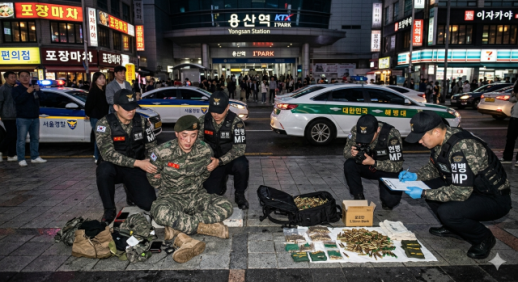 Drunken Marine Found with Live Ammunition During Leave A Marine on leave has been placed under military investigation after being found intoxicated and in possession of live ammunition. Authorities suspect the Marine may have smuggled the ammunition during training. According to the Marine Corps, on May 16, police received a report of a man passed out from intoxication near Yongsan Station in Seoul. Upon arrival, officers identified the man as Marine A, who was on leave. During a search of A's belongings, police discovered multiple rounds of live ammunition. Recognizing the seriousness of the situation, they promptly transferred A's custody to military police. Investigations revealed that A had participated in combat training at the Korea Combat Training Center (KCTC) in Inje, Gangwon Province, prior to his leave. During questioning, A reportedly admitted to taking some unused live ammunition from the training without returning it. The KCTC training is known for its realistic combat scenarios, which involve the use of significant amounts of live ammunition. Military authorities are now exploring the possibility that A intentionally concealed the ammunition by exploiting weaknesses in the ammunition handling and return process following the training. Under current military law, unauthorized removal of military property, including firearms and ammunition, is strictly prohibited. As a result, A is likely to face legal consequences. Additionally, the Marine Corps plans to conduct a comprehensive review of ammunition management practices at frontline units to prevent similar incidents in the future.* This article has been translated by AI. 2026-05-18 23:12:59
 -
 Court Limits Samsung Electronics Union Strike, Emphasizes Semiconductor Process Obligations Samsung Electronics' labor union received a significant setback just three days before its planned general strike, as a court largely upheld the company's request to prohibit strike actions. On May 18, the Suwon District Court's Civil Division 31, led by Judge Shin Woo-jung, granted most of Samsung's injunction against the union's planned strike activities. The court cited Article 38, Section 2 of the Labor Union Act, which mandates that operations to prevent damage to work facilities or deterioration of materials and products must continue normally even during disputes. The court defined "normal" operations as maintaining the same conditions as during regular times, without any significant changes or disruptions. Consequently, the court ordered the union to maintain staffing levels and operational capacity for safety measures, damage prevention, and wafer preservation at the same levels as on regular weekdays and weekends. Any actions to halt or obstruct these operations, as well as any coercion of union members to do so, were also prohibited. To ensure compliance with this decision, the court imposed substantial financial penalties. If the union violates the ruling, it will be required to pay Samsung between 200 million and 300 million won per day, while individual union leaders face penalties of 20 million to 30 million won daily for any breaches. The court emphasized the global significance of the semiconductor industry, noting that damage to precision semiconductor facilities could incur enormous costs and time for recovery. It stated that production disruptions could lead to significant losses across various sectors, including automotive, home appliances, and information technology, which cannot be compensated through monetary damages. However, the court did acknowledge some basic rights of the union, rejecting certain claims from Samsung, such as prohibiting the use of threats during efforts to persuade members to join the strike and requests to ban the occupation of certain facilities. In response to the court's ruling, the union decided not to file an immediate appeal. It stated that it would prepare for a lawful strike within the boundaries permitted by the law. The union had previously announced plans for a large-scale strike involving about 50,000 participants, set to begin on May 21 and last for 18 days. Currently, Samsung Electronics and the union are engaged in final negotiations at the Central Labor Relations Commission regarding improvements to the performance bonus system. The union is demanding the elimination of the performance bonus cap and a formalization of calculations based on operating profits, while the company has promised top-tier compensation but has shown reluctance to institutionalize these changes. The government is closely monitoring the negotiations to facilitate a smooth resolution. Prime Minister Kim Min-seok indicated in a recent public address that all possible measures, including urgent mediation, would be considered to protect the national economy.* This article has been translated by AI. 2026-05-18 23:11:18
 -
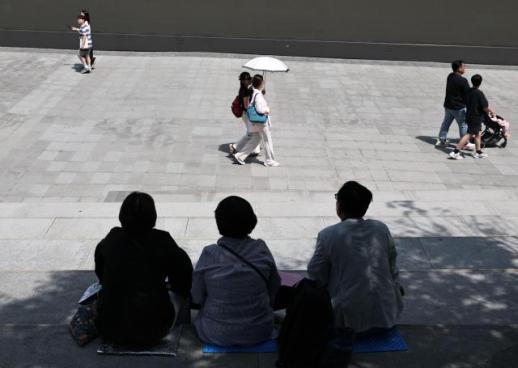 Weather Forecast: Continued Heat with Daytime Temperatures Above 30 Degrees On Tuesday, May 19, early summer weather is expected to continue across the country, with heat intensifying. In particular, daytime temperatures are forecasted to exceed 30 degrees Celsius, especially in the Gyeongsang region, necessitating caution for health management. According to the Korea Meteorological Administration, the morning low temperatures nationwide are expected to range from 14 to 20 degrees Celsius, while daytime highs will be between 24 and 33 degrees Celsius. In Daegu and southern Gyeongbuk, the maximum perceived temperature may rise to around 31 degrees Celsius, indicating a hot midday. However, temperatures are expected to drop quickly after sunset, resulting in a significant temperature difference of about 15 degrees Celsius, so appropriate clothing choices are advised. The sky will be partly cloudy nationwide, gradually becoming overcast from the evening. Thanks to favorable atmospheric dispersion, fine dust levels are expected to remain at 'good' to 'moderate' levels across all regions, making outdoor activities manageable. Sea conditions will be relatively calm across all waters. In the East Sea, wave heights will be between 0.5 and 1.0 meters, while in the West Sea and South Sea, wave heights will remain around 0.5 meters. In the offshore waters, wave heights will be 0.5 to 1.0 meters in the East Sea and 0.5 to 1.5 meters in the West and South Seas.* This article has been translated by AI. 2026-05-18 22:43:37
 -
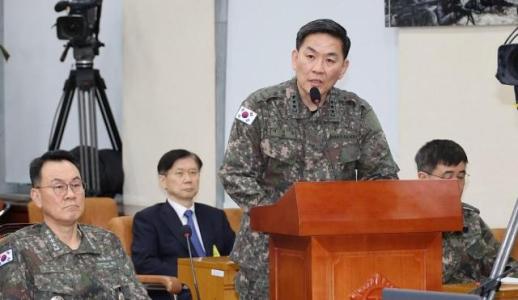 Former Legal Chief of Capital Defense Command Questions Constitutionality of Emergency Declaration During the emergency declaration on December 3, 2024, the former legal chief of the Capital Defense Command expressed doubts about its constitutionality upon reading the official statement. On May 18, at the Seoul Central District Court, the trial of former Commander Lee Jin-woo, who faces charges related to insurrection, continued. Colonel Moon Sang-won, the former legal chief of the Capital Defense Command and current head of the Gangwon Regional Army Prosecutor's Office, testified about the events surrounding the emergency declaration. Before his testimony, Colonel Moon stated that he found it difficult to face his former superior, Commander Lee. In response, the court installed a partition between the witness stand and the defendant's seat to prevent them from seeing each other. Colonel Moon began his testimony only after confirming the partition was in place. During questioning by the special prosecution team, Colonel Moon recounted the situation during the emergency declaration, stating, "After the emergency was declared, I received a notification for an emergency assembly and encountered the presidential statement and the first emergency proclamation through news from portal sites while in a taxi heading to the unit." He added, "The content of the statement cited legislative dictatorship and anti-state actions as justifications, but as a legal professional, I had serious doubts about its constitutionality and legality." He specifically noted that the first article of the proclamation, which banned all political activities of the National Assembly and local councils, was particularly perplexing, as it seemed to violate the principle of separation of powers. Upon arriving at the unit, Colonel Moon headed to the command and control center but did not encounter Commander Lee there. He testified that orders had already been issued to deploy troops to the National Assembly, and the situation was extremely chaotic. "It was confusing to determine where the orders were coming from, whether from the Army Headquarters, the Joint Chiefs of Staff, or somewhere in Yongsan," he said. The special prosecution team engaged in a debate with Commander Lee's defense regarding the legality of deploying Capital Defense Command troops to the National Assembly. They pressed Colonel Moon on whether the command's general operational manuals or training for hybrid warfare included directives for blocking the National Assembly or arresting lawmakers. Colonel Moon responded, "I have never seen any content in the Capital Defense Command manuals that involves sending troops to the National Assembly for large-scale infiltration or responding to lethal weapons." He also stated he did not recall any mention of supporting counterintelligence operations for joint investigations or arrests during the emergency situation. In contrast, Commander Lee's defense argued that the Capital Defense Command's mission primarily focused on responding to terrorism at key facilities in Seoul, and that the legal chief mainly handled disciplinary or administrative tasks, thus lacking knowledge of operational terminology or specific situations. Colonel Moon countered, saying, "If legal terminology is involved, it is my duty as an expert to verify and provide advice." Furthermore, Commander Lee's attorney claimed that testimonies from former Capital Defense Command 1st Security Battalion Commander Jo Sung-hyun and others, who stated they received orders to arrest lawmakers, were unreliable, asserting that Commander Lee was focused on maintaining control of the command center and dismissed any claims of arrest orders as perjury. However, Colonel Moon supported Commander Jo's testimony, stating, "Commander Jo considers his subordinates like family, and I want to emphasize that the accounts of the subordinates who were in the car during the deployment to the National Assembly are likely accurate." In closing, Colonel Moon shared a personal story about how his father, originally from Masan, Gyeongnam, passed down a tie he wore during the June Democratic Uprising in 1987. He remarked, "My father believed that because of the events in Gwangju in May 1980, we were able to safely protest and achieve direct elections in June 1987. The past helps the present, and the dead assist the living. I hope this trial becomes a beacon of light for our democracy," before leaving the courtroom. The court plans to make a final judgment on Commander Lee's involvement in the insurrection based on further witness testimonies and evidence regarding Commander Jo and other related individuals.* This article has been translated by AI. 2026-05-18 20:48:00
 -
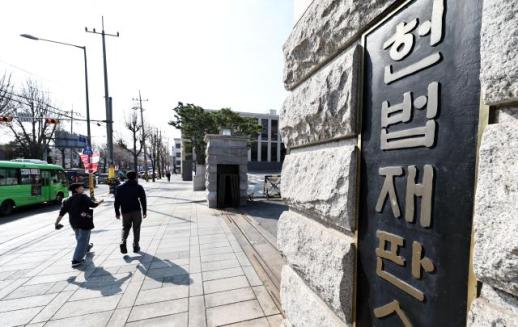 Asian Constitutional Experts Gather in Seoul to Discuss Future of Constitutional Jurisprudence Constitutional experts from across Asia are convening in Seoul to share insights on constitutional values and judicial experiences in response to rapidly changing societal dynamics. On May 18, the Asian Constitutional Court Union (AACC) announced that it is hosting the "5th International Conference of Researchers" from today until May 21. The conference, themed "Recent Trends and Issues in Constitutional Law," aims to reflect on the constitutional journeys of various countries amid the global changes since 2018. Particularly, the event will address the implications of constitutional amendments and key rulings experienced by different nations in light of various issues such as the pandemic, technological advancements, and social conflicts, providing a platform for sharing concrete legislative achievements. The agenda includes three sessions and a comprehensive session. The first session, held immediately after the opening ceremony on May 19, will focus on "Constitutional Amendments Since 2018," followed by the second and third sessions, which will cover "Major Constitutional Court Rulings" and "Key Legislative Developments," respectively, featuring in-depth presentations and discussions from member institutions. Around 40 experts, including judges and researchers from the 15 member institutions of the AACC, as well as invited guests, will participate to strengthen the unity of the Asian constitutional community. Since hosting the AACC Research Office in 2017, the Constitutional Court has played a pivotal role as a hub for Asian constitutional jurisprudence by alternating the hosting of international conferences for judges and researchers every two years. A court official stated, "Through this conference, we aim to share South Korea's experiences as a leading institution in global constitutional jurisprudence with countries in Asia and contribute to the promotion of human rights and the advancement of democracy in the region."* This article has been translated by AI. 2026-05-18 14:47:11
 -
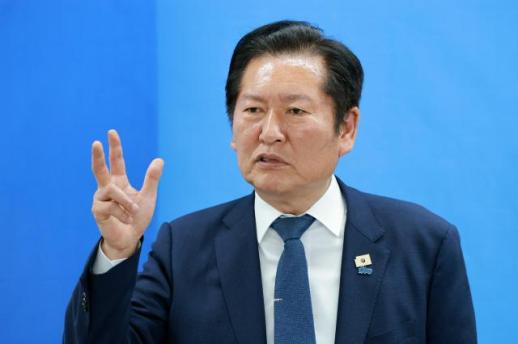 Democratic Party Reports Threats Against Leader Jeong Cheong-rae to Police As the June 3 local elections approach, the Democratic Party has reported to the police threats of a terror plot targeting its leader, Jeong Cheong-rae. The party leadership is taking the matter seriously and has indicated a strong response as the official campaign period nears. On May 17, Kang Jun-hyun, spokesperson for the Democratic Party's central election campaign committee, stated at a press conference that "reports of collective terror plotting are coming in from group chat rooms on social media." He added that the party has formally requested the police to conduct a swift investigation and ensure thorough protection for Jeong. Kang emphasized that the situation involves serious criminal implications, noting that expressions beyond mere anger, including recruitment for assassination, have been mentioned. "We will respond firmly, considering this a major crime involving potential accomplices," he said. In response to the emerging threats against Jeong, the National Police Agency has decided to activate protective measures earlier than planned, ahead of the official campaign start date of May 21. There are speculations within political circles that the allegations may be linked to independent candidate Kim Kwan-young, who has had recent conflicts with the party over nominations. However, a Democratic Party official responded cautiously, stating, "The connection to specific local party members using anonymous accounts should be clarified through investigation." Jeong addressed reporters after attending a mass at Nabawi Catholic Church in Iksan, saying, "Recruiting an assassination squad is a serious crime. I cannot stop my activities, but I will meet the public with a more humble attitude. If anyone reflects on their mistakes and confesses, I will appeal for leniency to the authorities."* This article has been translated by AI. 2026-05-17 15:27:00
 -
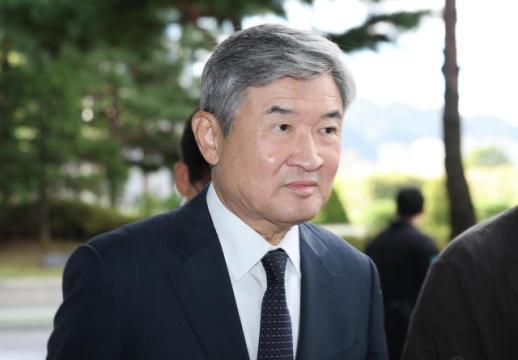 Verdict Expected for Former National Intelligence Chief Jo Tae-yong on May 21 Jo Tae-yong, the former head of the National Intelligence Service, is set to receive a verdict on charges of dereliction of duty and violating the National Intelligence Service Act for failing to report the planned emergency martial law declaration to the National Assembly. According to legal sources, the Seoul Central District Court's Criminal Division 32, led by Judge Ryu Kyung-jin, will hold the first-instance verdict hearing on May 21 for Jo, who has been indicted and detained since last November. Jo was arrested by the special prosecutor's team led by Cho Eun-seok for allegedly failing to fulfill his duties as the head of the National Intelligence Service during the emergency martial law declared on December 3, 2024. The special prosecutor's team determined that Jo neglected his responsibilities by not informing the National Assembly about former President Yoon Suk-yeol's plans for the martial law declaration, despite receiving reports from former NIS Deputy Director Hong Jang-won that the military was dispatched to arrest key political figures, including Lee Jae-myung and Han Dong-hoon. Additionally, after the martial law was lifted, Jo is accused of providing closed-circuit television (CCTV) footage of Hong's movements only to the ruling People Power Party while withholding similar footage of his own movements from the opposition Democratic Party, violating the prohibition against political involvement as stipulated in the National Intelligence Service Act. Jo also faces charges of perjury for allegedly providing false testimony to the National Assembly and the Constitutional Court, as well as submitting false responses to the National Assembly's investigation into the martial law allegations. Furthermore, he is accused of participating in the destruction of evidence related to the deletion of information from the secure phone of former President Yoon and Deputy Director Hong. During the closing arguments held on April 3, the special prosecutor's team requested a seven-year prison sentence for Jo, stating, "The defendant was aware of the unconstitutional and illegal martial law declaration plans by the president but completely ignored his constitutional duty to prevent or report it to the National Assembly." They emphasized that the head of a national intelligence agency facilitating a conspiracy to commit insurrection and attempting to destroy evidence afterward is a serious offense. In contrast, Jo's defense team firmly denied all charges throughout the trial, asserting his innocence. They argued that Jo was not in a position to be fully aware of the president's martial law declaration plans and that even if he had known, he lacked the authority to physically or legally prevent the president's decision to mobilize the military. They contended that the NIS itself was not directly involved in executing the martial law and that the submission of CCTV footage was merely a routine administrative task without any political intent to assist a specific party. They also maintained that the deletion of secure phone information was part of the agency's security protocols, not an act of evidence destruction. The upcoming verdict for Jo is expected to establish legal standards regarding the role of intelligence leaders in national crises. Legal experts suggest that if Jo's testimony during the Constitutional Court impeachment trial is ruled as perjury, it could serve as strong evidence supporting the illegality of former President Yoon's martial law declaration process.* This article has been translated by AI. 2026-05-17 11:45:54