

Journalist

Ki Su-jeong
violet1701@ajunews.com
-
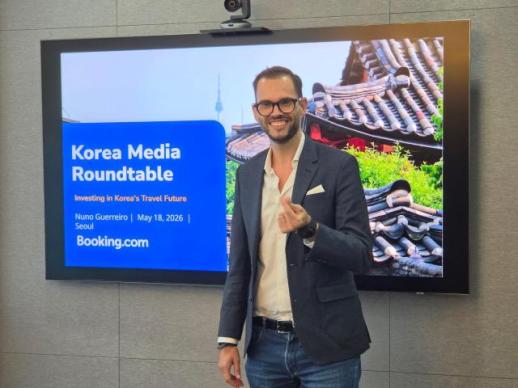 Booking.com Targets 30 Million Tourists with Hyper-Personalization in K-Small Cities "Without generative artificial intelligence (AI), we would never have discovered hidden gems in Korea, allowing seamless payments in local currency. The combination of AI search and local fintech will break down barriers for foreign tourists and drive them to small cities," said Nuno Guerreiro, Booking.com's Director for North Asia-Pacific. As the global travel platform celebrates its 30th anniversary, Booking.com is leveraging its 'Hyper-Personalization' technology to globalize local tourism in Korea. The goal is to disperse foreign tourists, currently concentrated in major cities like Myeongdong in Seoul, to boost local economies. This initiative aligns with the South Korean government's push for balanced regional development, aiming for an early achievement of 30 million inbound tourists. During a press briefing in central Seoul on May 18, Guerreiro highlighted the paradigm shift in the global travel industry and the potential of the Korean market. Having joined Booking.com in 2007 and spent 18 years in various global roles, he has focused on the Asian market for the past seven years. "We aim to expand the appeal of Korean tourism, which is currently concentrated in major cities, to a national level through hyper-personalization technology," he stated. The global travel industry has experienced unprecedented growth following the pandemic. According to Booking Holdings' first-quarter results, the number of nights booked increased by 6% year-over-year to 338 million. The total booking value rose by 15% to $53.8 billion, while quarterly revenue grew by 16% to $5.5 billion, demonstrating strong growth momentum. With support for over 40 languages and nearly 29 million accommodations, Booking.com's infrastructure has been a solid foundation for its growth. ◆ Hyper-Personalization as a Ticket to K-Small Cities: "Avoiding Crowds with AI" The Korean market boasts explosive inbound demand, ranking third in Asia for traveler searches from May to August this year. Booking.com is betting on the activation of 'local small city tourism' to distribute this demand nationwide. The dominance of individual travelers (82.9%) chasing K-culture has shifted the focus of the inbound tourism market. Additionally, 67% of all travelers want to discover new 'alternative destinations' using AI to avoid crowds at popular tourist spots. Hyper-personalization technology is key to overcoming the physical and psychological barriers that travelers face when heading to small cities. Its natural language-based AI search network identifies attractions in these areas, while a seamless payment infrastructure allows global travelers to pay in their local currency using platforms like Naver Pay and Kakao Pay. For instance, travelers from Brazil or the U.S. can book a small hanok accommodation in Gyeongju without facing any inconveniences related to currency exchange or payment refusals. In the first quarter of this year, the growth rate of Booking Holdings' payment platform surged by 24% year-over-year, with 72% of total booking transactions processed on the platform. In fact, customer data revealed that Gyeongju ranked first as the 'most hospitable city in Korea for 2026,' followed by Jeonju, Seogwipo, and Sokcho, showcasing a boom in regional tourism. The recent increase in long-term stays of over seven days, particularly among active seniors and multi-generational travelers, is also a positive sign for the activation of small city tourism. ◆ High Level of Technology Adoption: The Dominance of 'Connected Trip' Guerreiro identified 'high-value tourism' and 'hyper-personalized experiences' as key trends for 2026, driven by the remarkable technology adoption in the Korean market. According to Booking.com, 69% of Korean travelers used AI during their trips, 19 percentage points higher than the global average. In the Asia-Pacific region, 95% of consumers expressed optimism about AI usage, and 93% wanted AI features in future travel. Notably, the success of Booking.com's 'Connected Trip,' a one-stop service established over 20 years ago, is particularly evident in Korea. The usage rate for booking three or more elements, such as flights, accommodations, and activities, is 26% in Korea, significantly higher than the global average of 17%, demonstrating market sophistication. Guerreiro emphasized, "Our mission goes beyond simply attracting foreign tourists; we aim to lay the groundwork for sustainable growth for local communities. We will actively engage with the Korean government and relevant agencies to turn this vision into reality."* This article has been translated by AI. 2026-05-19 10:23:03
 -
 Travel Industry Shifts Focus to Exclusive Experiences The domestic travel industry is moving away from traditional package deals that bundled flights and accommodations. Instead, companies are focusing on building unique digital ecosystems to retain customers while promoting hyper-personalized themed products that cater to niche consumer preferences, such as pet-friendly travel and sports enthusiasts. ◆ Building Exclusive Customer Bases with Mobile Ecosystems and AI Platform companies are leveraging their IT capabilities to establish exclusive customer bases. Kyowon Group's pet-friendly hotel, Kinok, has integrated a QR code-based pet identification registration and management feature through its dedicated app. This initiative aims to provide personalized services based on accumulated data, going beyond simple reservations. Nol Universe has introduced a 'Chat Accommodation' service in the motel category, utilizing interactive AI named Nori. The AI handles routine inquiries in real-time, connecting users to partner operators only for more complex questions. This approach reduces wait times for users and alleviates operational burdens for partners, accelerating digital transformation. ◆ The Rise of the '2040 Enthusiasts' as Key Consumers Major travel agencies are expanding their content-driven themed product offerings to capture the so-called 'enthusiast consumers' who immerse themselves in specific interests. Modu Tour has launched a high-end baseball package that includes a Major League Baseball expert accompanying travelers throughout their trip, providing game previews and interactive programs. Despite the price nearing 8 million won per person, early bookings from passionate baseball fans have been strong. In a similar vein, the company has partnered with the social learning platform Runnable to create an all-in-one 'Run Trip' that combines participation in the December Mount Fuji Marathon with local travel. In fact, Modu Tour's themed travel product booking rate surged by 65% in the first quarter of this year compared to the same period last year, with the 2040 generation making up 87% of users, establishing itself as a key demographic. ◆ Tailored Seasonal Products for High Value The traditional short-distance market is also adopting a diversification strategy, moving away from a supplier-centric approach. In April, Modu Tour sent 19,556 travelers to China, marking a 31% increase from the previous year. Demand for summer peak season bookings has skyrocketed by over 105%. In response, the company has refined its offerings, targeting the 2040 generation with urban culinary experiences in Shanghai and Qingdao, as well as desert experiences in Inner Mongolia, alongside traditional scenic products aimed at older travelers. For Japan's Hokkaido, the company has developed a product that guarantees accommodation in the Biei area, where securing lodging during the summer peak is challenging, combining a relaxed itinerary with local cuisine for a differentiated high-value travel experience. ◆ Efforts to Discover Targeted Exclusive Products through Market Validation There are active attempts to identify exclusive products by thoroughly validating market potential in advance. Hana Tour recently held a travel contest, raising the weight of 'product viability assessment' to 50% to evaluate marketability. This led to the selection of final proposals such as a 'Swiss ESG Train Journey' reflecting the values of a famous celebrity, a 'Daddy and Me Osaka' itinerary designed for affluent relationships, and a 'Small Salon Trip' combining wellness with single accommodations for customers over 40. These proposals will undergo product refinement and are set to be officially launched on June 1. Industry insiders note, "The criteria for consumers choosing travel have shifted from simply 'where to go' to 'who to experience deeply with and what to do.' The ability of travel agencies to create high-quality itineraries that reflect customers' nuanced lifestyles will determine their survival in the market."* This article has been translated by AI. 2026-05-19 09:06:00
 -
 Park Chan-wook Receives France's Prestigious Cultural Honor France takes immense pride in its cultural heritage, and it is rare for the nation to award its highest cultural honor to a foreign artist. Director Park Chan-wook has received this prestigious accolade, making him only the fourth Korean to do so. Since the early 2000s, the French cultural community has shown a special affection for Park, often referring to him as "Cannes Park". This recognition, however, carries significant weight as it reflects a diplomatic achievement acknowledging South Korea's cultural depth, which meets the stringent standards of Western mainstream society. This award should not be dismissed as merely a reflection of the success of K-movies or the trend of K-culture. It signifies a rise in the status of South Korea, moving beyond an era where economic growth and export figures defined its advancement. Now, culture and the arts, which encapsulate a nation's philosophy and ideals, represent its true maturity. South Korea, once a passive recipient of Western culture, has now established itself as a source of inspiration and philosophical discourse. Despite the abundance of cinematic giants worldwide, France's enthusiasm for Park Chan-wook is clear. His work exemplifies the pinnacle of "auteur theory," which the French film critics hold in high regard. After winning the Jury Prize at the Cannes Film Festival in 2004 for "Oldboy," Park has consistently pushed boundaries with films like "Thirst," "The Handmaiden," and "Decision to Leave," never resorting to complacent self-replication. Park's lens delves into the darker aspects of humanity, exploring themes of desire, sin, and redemption. He masterfully controls provocative subjects with stunning visuals while posing philosophical questions, satisfying the French intellectual appetite for cinema as both art and philosophy. His unique ability to present universal aesthetics wrapped in Korean sentiment has elevated him to the ranks of cinematic masters. His meticulous craftsmanship and perfectionism, which do not falter in the face of Hollywood's vast resources, have garnered respect even from the most discerning sectors of Western cinema. The significance of this award diverges sharply from the commercial success of K-pop idols or dramas. While global streaming services have expanded the reach of Korean content, the steadfastness of auteur directors like Park strengthens the foundation and sustainability of K-culture. The industrial power that generates hundreds of millions in revenue from single projects and attracts millions of global fans is crucial, but the respect for a nation's philosophy and aesthetics in the global arena is paramount. A single well-crafted artwork or a masterful creator can wield more influence than dozens of diplomats. This recognition is a vital component of South Korea's soft power, underscoring the need to view culture not merely as a revenue source but as a measure of national dignity. Well-honed cultural assets transcend generations, and their value increases over time. However, it is essential not to become complacent in the glory of this honor. The current reality of the Korean film industry is sobering. The sector is experiencing a severe downturn, with skyrocketing ticket prices and fierce competition from global streaming platforms leading to a stark polarization of the box office. Even major productions with budgets in the hundreds of millions are struggling, and investment capital is rapidly drying up. In a market dominated by strict financial logic, the proliferation of formulaic films reliant on safe box office strategies and star casting is stifling creative diversity. In such a homogenized system, the emergence of a "second Park Chan-wook" seems uncertain. Independent and artistic films from emerging directors, which should present fresh perspectives and provocative narratives, are often unable to secure screening opportunities, depriving them of audiences. The birth of a cinematic master is not solely the result of individual genius. A supportive environment that allows for seemingly reckless experimentation and enables emerging creators to recover from painful failures is essential. Effective government support for creative endeavors, expansion of seed funds, and industry-wide efforts to reform the monopolistic structure of screens are more urgent than ever. France's tribute to Park Chan-wook serves as a painful reminder of our own neglect of a precarious ecosystem. If we fail to confront the deep shadows hidden behind the bright spotlight, the golden age of Korean cinema may fade into mere past glory. Transforming the weight of this honor into a catalyst for industry-wide reform is the true challenge that lies ahead.* This article has been translated by AI. 2026-05-18 12:41:36
 -
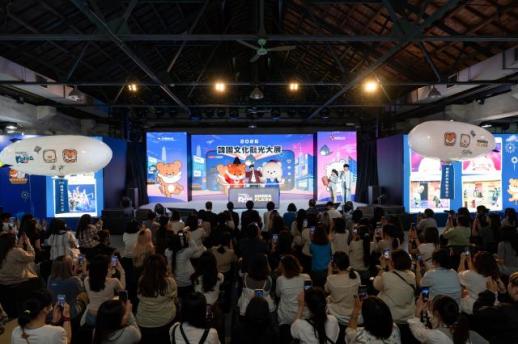 2.32 million Taiwanese tourists attracted as K-Tourism Roadshow promotes central region The Korea Tourism Organization, led by President Park Seong-hyeok, successfully concluded a large-scale K-Tourism Roadshow in Taipei aimed at attracting Taiwanese tourists, a key market for South Korea, and promoting regional tourism. Taiwan has a high preference for regional tourism, with nearly half of its visitors to South Korea using local airports, making it a crucial target to overcome the crisis of regional decline. According to the Korea Tourism Organization on May 18, the "2026 K-Tourism Roadshow" held from May 15 to 17 at the popular cultural space Huashan 1914 in Taipei drew significant local attendance. Last year, 1.89 million Taiwanese tourists visited South Korea, setting a record for the second consecutive year following 2024. In the first quarter of this year, the number of Taiwanese visitors to South Korea also surged by 37% compared to the same period last year, reaching 540,000. ◆ Focus on Central Tourism Year with Cheongju Airport as a Hub The central theme of this roadshow was the "Central Tourism Year." Following last year's "Southern Tourism Year" centered around Gimhae Airport, this year’s focus shifted to Cheongju Airport, highlighting six regions: Gangwon, Chungbuk, Sejong, Daejeon, Chungnam, and Jeonbuk. Each local government set up special booths to showcase their unique content. Notably, cast members from the popular Taiwanese variety show "Hi Business Season 7," which recently filmed in Gangneung and Sejong, took the stage to share their experiences, boosting local interest in central region tourism. ◆ Monsta X and Chef Jung Ho-young Promote K-Lifestyle Marketing efforts featuring well-known personalities in Taiwan proved effective. Monsta X's Minhyuk introduced cycling destinations in South Korea during the opening talk concert, while Chef Jung Ho-young, popular from the show "Black and White Chef 2," demonstrated signature dishes from the central region, including Daejeon kalguksu, Sejong fried chicken, and Jeonju bibimbap. Cheerleader Nam Min-jeong, active in the Taiwanese professional baseball scene, also contributed to promoting her hometown of Daejeon. Additionally, a lifestyle pop-up booth themed "K-everything" received positive feedback. Hyundai Department Store and BGF Retail (CU) showcased K-fashion and cuisine, while a K-musical showcase featuring "Uncomfortable Convenience Store" added to the attractions. Hoo Soo-young, head of the Korea Tourism Organization's Taipei office, stated, "Taiwan is a key market for regional tourism, recording the highest growth rate in the first quarter for visitors to South Korea. With a goal of attracting 2.32 million visitors this year, we will continue to develop tailored products like 'Taiwan Only' to drive foreign tourist inflow to the regions." 2026-05-18 08:58:14
 -
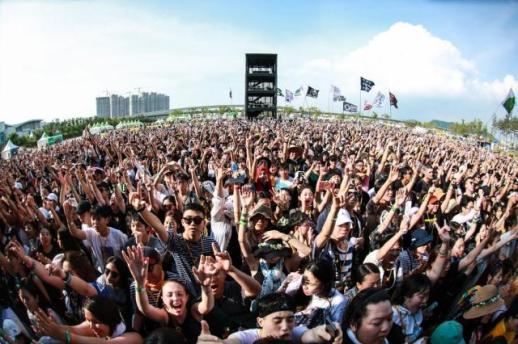 South Korea Aims to Boost Regional Tourism with Global Tourism Zones and Festivals To address the disproportionate concentration of foreign tourists in Seoul, where over 80% of visitors stay, the South Korean government is focusing on revitalizing regional tourism. The plan involves designating local hubs outside the Seoul metropolitan area and Jeju as "global tourism zones" to enhance their capacity for foreign visitors. Additionally, the government aims to promote ten major "global festivals" to attract tourists to these regions. On May 18, the Ministry of Culture, Sports and Tourism announced the launch of a two-track strategy to boost regional tourism. This initiative goes beyond one-time budget support and aligns with recent efforts to amend the Tourism Promotion Act. The goal is to innovate both the infrastructure (tourism zones) and the offerings (festivals) to provide a breakthrough for struggling local economies. Seeking True 'Local' Global Tourism Zones The ministry will accept applications from local governments for the "Global Tourism Zone Development Project" until July 6. Notably, the application process excludes the Seoul metropolitan area, including Incheon and Gyeonggi Province, as well as Jeju, which has its own tourism funding system. The clear objective is to cultivate neglected regional tourism hubs into world-class destinations. Applications will be divided into two categories based on characteristics. The "Future Convergence Type" targets regions that attracted over 200,000 foreign tourists in the past year and incorporate smart technology, while the "Local Self-Sustaining Type" is for areas with over 100,000 visitors that possess unique historical and scenic resources. Two selected regions will receive 3 billion won (approximately $2.3 million) in national funding over two years. Local governments will use these funds to enhance multilingual services, improve payment convenience at key tourist sites, and develop tailored products for foreign visitors. Targeting 30 Million Visitors with Global Festivals Festivals will be the key content to fill these regional tourism zones. The ministry, in collaboration with the Korea Tourism Organization, will launch a joint planning team to strengthen the competitiveness of ten global festivals and initiate precision marketing strategies. Specific marketing approaches have been developed for different target markets. For instance, the Incheon Pentaport Rock Festival will implement the "eplus" ticketing system to lower barriers for Japanese tourists, who have a strong preference for rock music. The Boryeong Mud Festival plans to enhance autonomy and introduce nighttime mud experiences to significantly increase visitor stay duration. Business-to-business (B2B) sales linking festivals and local attractions will also be strengthened. The Jinju Namgang Lantern Festival will collaborate with major overseas travel agencies such as Japan's HIS, Taiwan's Cola Tour, and Hong Kong's Easyel Tour to promote combined packages that include daytime visits to Jinju Castle and nighttime lantern viewing. The Jeongnamjin Jangheung Water Festival will offer unique stay packages contrasting daytime water fights with evening relaxation at zip houses to attract foreign tourists. This initiative to develop tourism zones and support global festivals is an attempt to overcome the structural limitations of regional tourism that have been highlighted in the past. The ministry's two-track strategy is expected to serve as a practical catalyst to alleviate the persistent issue of foreign tourists flocking to Seoul. The final selection of two global tourism zones is planned for July, following written and presentation evaluations.* This article has been translated by AI. 2026-05-18 08:45:28
 -
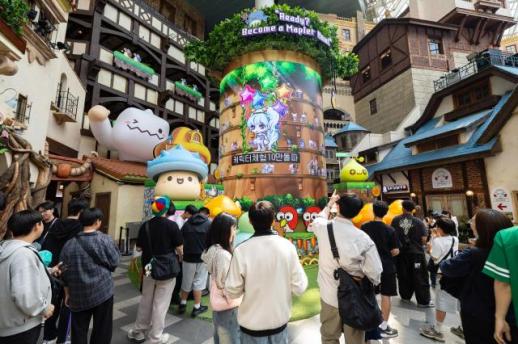 Lotte World Enhances Theme Park Experience with Unique Attractions in Seoul and Busan Lotte World is enhancing its competitiveness in the theme park market by introducing tailored content in Seoul and Busan. Lotte World Adventure in Seoul has attracted 100,000 visitors through its collaboration with the game franchise MapleStory, while Busan is expanding its experiential spaces with a series of new media-based attractions. ◆ Seoul's MapleStory Experience Attracts Over 100,000 Visitors According to Lotte World on May 12, the MapleStory collaboration "Create Your Own Character" at Lotte World Adventure in Songpa-gu, Seoul, has surpassed 100,000 visitors since its launch on March 14. This achievement comes just two months after the experience opened. This interactive space allows visitors to scan QR codes to create game characters resembling themselves, which can then be displayed on a 10-meter-tall media tree. The experience is linked to Nexon's "MapleHands+" app, enabling users to bring their in-game characters to life offline, attracting the attention of existing fans. Lotte World has transformed the entire area to resemble the game world, featuring photo zones with characters like Orange Mushrooms and Slimes. Additionally, a parade featuring a MapleStory-themed unit from "Ludibrium" takes place daily at 2 PM. This spring festival will continue until June 14. ◆ Busan Unveils New Attraction 'Forbidden Castle' During the same period, Lotte World Adventure Busan is focusing on hardware expansion. On May 16, it will introduce the new media-based attraction "Forbidden Castle." This follows the launch of the large Viking ride "Pirates Swing Ship" on April 18, marking the second new facility introduced this year. Forbidden Castle combines a 38-meter-long curved screen with a motion simulator. The vehicles carrying guests synchronize with videos of dinosaur island explorations, featuring up-and-down movements and sharp turns. This design enhances immersion by simulating the experience of dodging or colliding with massive dinosaurs. Lotte World Busan is consistently expanding its attractions to meet visitor demand. After introducing three family attractions (Bang & Drop, Dancing Morris, Cookie Swing) in the second half of last year, it has added thrill and experiential facilities this year, bringing the total lineup to 18 attractions. Lotte World officials stated, "We plan to increase the number of attractions to 20 in the future to strengthen our competitiveness as a theme park in the Busan area."* This article has been translated by AI. 2026-05-12 07:58:55
 -
 Summer Delights: Premium Bingsu at Luxury Hotels It is officially bingsu season. As the midday sun grows hotter, the craving for refreshing and sweet relief intensifies. Premium bingsu offerings from luxury hotels are making their debut, ready to satisfy weary palates. Despite tight budgets, the allure of 'small luxury' remains strong among the 2030 generation and foreign tourists. Hotel bingsu has transcended mere dessert status, becoming a culinary experience that provides a delightful escape from everyday life during the summer. ◆ The Unrivaled Favorite: Apple Mango Bingsu, A Feast for the Senses Leading the hotel bingsu market is the undeniable star: Jeju apple mango bingsu. Its melt-in-your-mouth sweetness has made it a reliable favorite among customers. Despite its hefty price tag, hotels are elevating bingsu to an art form through unique presentations and collaborations. Lotte Hotel Seoul has partnered with the beauty brand Maison Margiela Fragrance to create a delicate crossover that embodies dessert in scent. Four Seasons Hotel Seoul has introduced a 'mango sphere' that bursts with sauce when cut, showcasing the art of molecular gastronomy. Sofitel Ambassador Seoul serves bingsu in a silver dome container, piquing curiosity. Grand InterContinental Seoul Parnas and Paradise Hotel & Resort focus on selecting the finest, sweetest fruits to enhance the flavor experience. ◆ Health and Refreshment in a Bowl: The Rise of Unique Ingredients Moving beyond just mango, the use of fresh, natural ingredients is gaining attention. In line with the 'healthy luxury' trend, menus that maximize the refreshing qualities of fruits are emerging. One of the most surprising innovations is the transformation of tomatoes. Grand InterContinental Seoul Parnas has launched 'jewel tomato bingsu,' featuring organic tomatoes presented in a traditional Korean mother-of-pearl jewelry box, capturing attention. Paradise Hotel has also adopted the traditional Sicilian dessert technique of granita, enhancing its 'tomato bingsu' with basil sorbet for added freshness. JW Marriott Hotel Seoul utilizes juicy pears from Naju, South Jeolla Province, creating 'cinnamon pear bingsu' with four different textures for a subtle yet luxurious sweetness. ◆ Beyond Dessert: The Aesthetic Experience of Sweet Comfort Once a loss leader to attract customers, bingsu has now become a symbol of summer creativity for hotels, achieving double-digit growth annually. A bowl of bingsu priced at over 100,000 won may seem like an extravagant indulgence to some, but it encompasses a luxurious lounge atmosphere, breathtaking views, and impeccable service. It is not just about eating fruit mixed with ice; it is about savoring a moment of sweet comfort that allows one to momentarily forget the hectic pace of life. As this summer is expected to be particularly long and hot, why not take a spoonful of carefully crafted bingsu and soothe your weary body and mind? Within that refreshing melt-in-your-mouth experience, a small oasis of relaxation may be waiting for you. 2026-05-11 11:33:43
 -
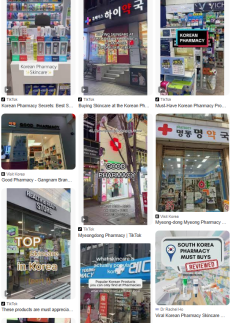 Foreign Tourists Shift Spending to Local Pharmacies in South Korea On May 4, tourists from Japan at a pharmacy in Myeongdong were seen carrying bags emblazoned with the pharmacy's name instead of luxury shopping bags. Inside their bags were acne scar treatment ointments, skin regeneration creams, and high-potency vitamins. They stated, "We came after seeing reviews on TikTok and other social media that Korean pharmacies offer great value and effective health products," adding, "Unlike regular cosmetic stores, we can show our skin condition to the pharmacist and get personalized recommendations, which feels much more trustworthy." The shopping habits of foreign tourists visiting South Korea are undergoing a significant transformation. The days of tourists sweeping up luxury goods and large cosmetic sets at duty-free shops and department stores are becoming rare. Instead, local pharmacies are now frequented by tourists purchasing health supplements, while others line up at pop-up stores in Seongsu-dong alongside locals. On May 11, Orange Square, which operates the foreign-exclusive payment platform WOWPASS, released its "2026 Golden Week and Labor Day Foreign Consumer Report." The report indicates that over the past five years, foreign spending patterns have shifted dramatically from "ownership" to "experience" and from "concentration" to "diversification." ◆ Local Pharmacies Rise as Duty-Free Shops Decline During the recent holiday period from April 29 to May 6, the most notable change was the explosive increase in pharmacy payments. The growth rate for pharmacy payments surged by 156% compared to the previous year, marking three consecutive years of triple-digit growth. This reflects the rapid evolution of shopping trends over the past five years. Until the mid-2010s, the primary shopping destinations for foreign visitors were undoubtedly downtown duty-free shops and Dongdaemun Fashion Town. However, with the rise of individual travelers, particularly among the MZ generation, local shops closely tied to Korean daily life have emerged as new hotspots. The K-beauty craze, once epitomized by brands like Sulwhasoo, has shifted to indie brands at Olive Young, and has now expanded to pharmacy-exclusive cosmetics and health supplements. In fact, the top pharmacies for payments are concentrated in major tourist areas such as Myeongdong, Hongdae, and Seongsu, with an average transaction amount of 47,000 won, indicating a focus on everyday shopping. ◆ Repeat Visitors Surpass New Tourists There is also a clear qualitative change among tourists. During this holiday period, the proportion of repeat users of WOWPASS (previous year’s issuers) reached 57%, surpassing new users for the first time. This marks a complete reversal from 2024, when new users accounted for 65%. As repeat visitors increase, their spending activities have also become more active. The average number of transactions per card has risen by 11% compared to two years ago, indicating that those who have visited Korea once are returning to explore more thoroughly and spend more frequently. ◆ Shift from Seoul to Direct Travel to Busan and Jeju The traditional tourist route centered around Seoul is also changing. During this holiday, 38% of payment cards used in Busan and 40% in Jeju had no records of payments made in Seoul. Previously, it was customary for travelers to pass through Seoul before heading to regional destinations, but now, foreign tourists are heading directly to their destinations via regional airports, informed by social media. Distinct regional characteristics are also emerging, with 54% of tourists in Seoul and Busan being Japanese, while 63% of visitors to Jeju are from China, indicating a diversification of target markets. ◆ Myeongdong Remains Unbeaten; Chicken Delivery is a Must The traditional hub of Myeongdong continues to hold its ground, maintaining its status as the top commercial area in Seoul. Analysis of travel routes shows that eight out of the top ten routes include Myeongdong. In regional areas, Busanjin-gu (Seomyeon) has risen to first place, surpassing Haeundae-gu, showcasing the strength of local commerce. In terms of food, the dominance of K-chicken is undeniable. Among food deliveries through the WOWPASS concierge service, chicken ranked first by a wide margin, with Kyochon Chicken and BHC taking the top two spots. An official from Orange Square stated, "Foreign tourists are now enthusiastic about consuming in the same spaces as locals, embracing 'localism.' We will enhance regional tourism payment infrastructure and improve services to ensure that foreigners can enjoy everyday life in Korea without inconvenience, no matter where they are."* This article has been translated by AI. 2026-05-11 08:40:49
 -
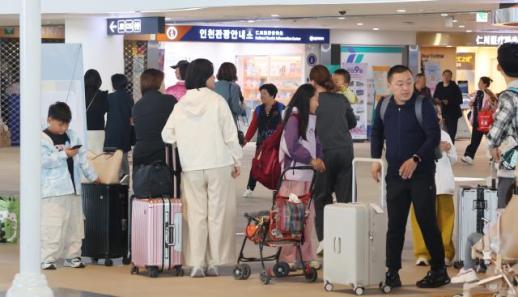 Travel Agencies That Force Shopping or Allow Unauthorized Departures Face Immediate Ban Foreign group tourists visiting South Korea will see immediate bans on travel agencies that force shopping or allow unauthorized departures. The new regulations, which directly incorporate penalties into the Tourism Promotion Act, aim to eliminate loopholes that unscrupulous agencies have exploited to avoid sanctions through legal battles. The Ministry of Culture, Sports and Tourism announced on May 8 that the National Assembly passed an amendment to the Tourism Promotion Act on May 7, establishing clear guidelines for prohibited actions and administrative penalties for travel agencies. The amendment will take effect six months after its promulgation. ◆ Overcoming Limitations of Administrative Guidelines…Ensuring Effective Legal Sanctions A key aspect of this amendment is the introduction of strong legal measures to expel travel agencies engaged in ultra-low-cost dumping tourism. Previously, the ministry relied on administrative guidelines and renewal reviews to designate problematic agencies. However, many of these agencies exploited the lack of clear legal grounds to file injunctions or administrative lawsuits, allowing them to continue operating covertly. In response, the government amended the Tourism Promotion Act itself, elevating the legal basis for sanctions. By embedding punitive provisions into the primary law, the government has effectively closed loopholes that allowed agencies to evade penalties. ◆ New Prohibited Actions…Ending the Practice of Shifting Guide Salaries The amendment specifies three prohibited actions for travel agencies. According to the newly established Article 12-3, Section 3, travel agencies are strictly forbidden from: 1) significantly lowering the cost of attracting tourists while collecting commissions from specific facilities, disrupting the order of the travel industry; 2) forcing tourists to make purchases or engaging in abusive behavior; and 3) using the salaries of hired tourism workers to cover shopping commissions. Violations may result in the Minister of Culture, Sports and Tourism imposing a suspension of operations for up to six months or canceling the agency's designation. Notably, a new mandatory cancellation clause has been introduced, requiring the cancellation of designation if an agency is caught continuing operations during a suspension period. ◆ Accountability for Allowing Unauthorized Departures…Implementing a Comprehensive Management Network Travel agencies will also face strict accountability for incidents where tourists exploit group visa loopholes to become illegal residents after unauthorized departures. If tourists recruited by a travel agency leave without authorization, the agency will be assessed based on the number of unauthorized departures, departure rates, and incident occurrences, leading to potential suspensions or cancellations of designation. To enhance enforcement effectiveness, the amendment legalizes a government-wide collaboration framework, allowing the Minister of Culture, Sports and Tourism to work with heads of relevant central administrative agencies, such as the Ministry of Justice. The authority to designate and renew travel agencies can also be delegated to specialized institutions like the Korea Tourism Organization, significantly enhancing the review process's expertise. Minister of Culture, Sports and Tourism, Choi Hwi-young, stated, "This amendment to the Tourism Promotion Act will solidify order in the inbound group tourism market and foster a high-quality group tourism sector." The ministry plans to establish detailed administrative penalty criteria in subordinate regulations before the law takes effect.* This article has been translated by AI. 2026-05-08 15:43:52
 -
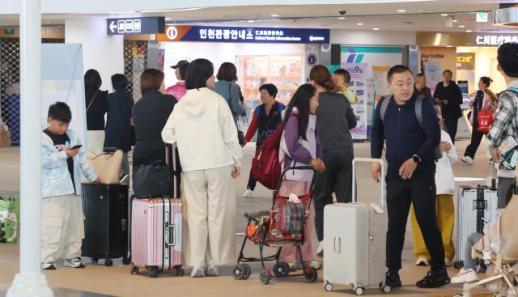 Over 220,000 Chinese and Japanese Tourists Visit South Korea During Super Holiday During the overlapping 'Super Holiday' of China's Labor Day and Japan's Golden Week, South Korea welcomed approximately 220,000 tourists from both countries, surpassing government forecasts. This success is attributed to targeted regional marketing strategies that align with the trend of short-distance travel. According to the Ministry of Culture, Sports and Tourism and the Korea Tourism Organization, about 112,000 Japanese and 108,000 Chinese tourists visited South Korea during this period. This total exceeds initial estimates of 180,000 to 200,000. Compared to last year, Japanese visitors increased by 52.9% and Chinese visitors by 29.9%, resulting in an overall rise of over 40%. The first quarter of this year also saw record-high arrivals, with 940,000 Japanese and 1.42 million Chinese tourists. Targeting Families in Japan and Regional Tourism in China The government implemented consumer-focused marketing strategies during the holiday. For the Japanese market, it highlighted the geographical advantage of short flight times. Discounts on flights and ferry fares were offered to residents of the Kyushu region, and baggage allowances were increased to ease travel for families with young children. Conversely, efforts were made to alleviate the concentration of tourists in the capital region from China by promoting regional tourism. Collaborating with national airlines, the government aimed to distribute arrivals from southern regions like Guangzhou to local airports such as Gimhae and Daegu. A special welcome booth was set up at Gimhae International Airport to promote tourism infrastructure in four southeastern cities: Busan, Ulsan, Pohang, and Changwon, encouraging longer stays and spending. Plans to Sustain Tourism Growth The Ministry aims to maintain the upward trend in inbound tourism throughout the year. In Japan, new specialized travel packages will be developed that incorporate local traditional festivals, such as the Hamann Nakha Festival and Andong Seonyujul Fire Festival, reflecting the trend of visiting smaller cities. For Chinese tourists, the recently relaxed multiple visa issuance policy will be leveraged. The government plans to enhance promotions for tailored travel packages through major online travel platforms and social media channels. Minister of Culture, Sports and Tourism, Choi Hwi-young, stated, "We will fully support the tourism industry based on the proven competitiveness of K-tourism during this holiday. We will respond swiftly to global travel trends and develop precise strategies for target countries to sustain inbound demand through the end of the year."* This article has been translated by AI. 2026-05-08 09:06:38