
Journalist

Abe Kwak
-
 President Lee: 'Judicial Murder, Knife Attacks, Honor Killings Are Three Major Threats' President Lee Jae-myung stated on May 9, "Judicial murder through manipulated prosecutions, knife attacks orchestrated by terrorists, and honor killings driven by manipulated media are the three major threats to our lives. The people, or heaven, have saved me from these grave threats, so my life now belongs entirely to the people."The president made these remarks on his X (formerly Twitter) account while sharing an article about the Anti-Corruption and Civil Rights Commission's conclusion regarding inappropriate intervention by former Vice Chairman Jeong Seung-yoon in the handling of the helicopter emergency report incident during his tenure as the leader of the Democratic Party in 2024.He added, "Heaven has entrusted me with a mission beyond preserving my life, which is to create a nation that operates solely for the people and a power that serves only the citizens. Thank you, citizens."President Lee promised, "Until my last moment, I will dedicate myself wholeheartedly to the people, even if it means breaking my body for heaven and the citizens."Jeong Il-yeon, the chairman of the Anti-Corruption and Civil Rights Commission, announced the results of the task force's efforts to normalize the commission the previous day, confirming that Jeong Seung-yoon had included matters not discussed in the commission meeting in the official document related to the helicopter emergency report incident in July 2024. 2026-05-09 09:24:23
 -
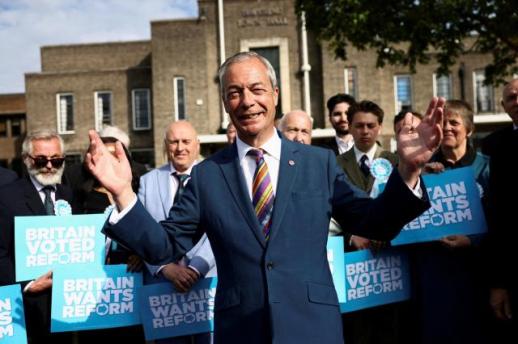 UK Elections Signal Shift in Political Landscape as Reform Party Gains Ground The long-standing two-party system in the UK, dominated by the Conservative and Labour parties for nearly a century, has shown signs of fracture. The recent local elections in England were not merely a referendum on the ruling party but a clear indication of the deep-seated fatigue and distrust voters have towards the existing political order. As of May 8, the Reform Party has swept approximately 790 seats in local councils across England, nearly all of which were newly acquired. In contrast, Labour lost 597 seats, while the Conservatives saw a decline of 366 seats. The number of councils where Labour maintains a majority has shrunk from 32 to 18. In Wales, the nationalist party Plaid Cymru has taken the top party position for the first time since the establishment of the devolved assembly in 1999. In Scotland, Labour leader Anas Sarwar failed to retain his own constituency seat. The geography of these losses is particularly shocking. The Reform Party made significant gains in traditional Labour strongholds, such as Teesside, represented by former Deputy Leader Angela Rayner, and Wigan, the base of Culture Secretary Lisa Nandy—areas in northern and central England that Labour has cultivated for decades. This shift indicates a movement beyond mere ideological realignment. Led by Nigel Farage, the Reform Party emerged in 2018 as the Brexit Party, growing on a platform of anti-immigration and anti-EU sentiment. Long regarded as a 'protest party' outside the mainstream political arena, this election has transformed its status. The Reform Party is now positioned as a potential right-wing alternative to the Conservatives. On the opposite end, the Green Party has expanded its influence, attracting younger progressive voters with radical agendas such as wealth taxes and the nationalization of public services. This marks a new political landscape where centrist parties are being eroded from both sides. Interpreting this phenomenon solely as an ideological shift misses the underlying issue: the politicization of economic insecurity. Rising prices, housing crises, local economic stagnation, the collapse of public services, and immigration tensions have culminated in a judgment that the existing political establishment has failed to address these long-standing grievances. The Conservatives are not immune to the fatigue of 14 years in power and economic failures, while Labour has not delivered the expected changes since taking office. Voters are now seeking stronger language and clearer messages. For Prime Minister Keir Starmer, the results serve as a dire warning. Once seen as a symbol of stable centrist leadership following a decisive victory in the 2024 general election, he is now labeled as 'the most unpopular prime minister in history' less than two years into his term. Economic downturns, policy retreats, and personnel controversies have compounded the challenges he faces. Despite this, Starmer has refused to resign, stating, "This is a painful result, and I take full responsibility. However, I will not plunge the country into chaos by stepping down." Notably, the financial markets reacted positively to his refusal to resign, with the pound strengthening and government bond yields falling. Markets appear more concerned about the potential emergence of a hard-left leadership following Starmer's departure than about his continued tenure. This situation illustrates how today's political upheaval is not confined to the ballot box but is immediately linked to financial markets and national trust. Just four years ago, in the 2019 general election, the combined vote share of the Conservative and Labour parties was around 75%. That figure has now become a relic of the past. The political landscape has shifted to a multi-party competition, with the Liberal Democrats, Scottish National Party (SNP), Plaid Cymru, Green Party, and Reform Party all vying for influence. The structure of British politics is changing. The implications for South Korean politics are significant. In South Korea, ahead of local elections, fatigue towards the two major parties has already accumulated. Disappointment with the ruling party does not directly translate into support for the opposition, and distrust towards the opposition does not lead to stable support for the ruling party. The centrist electorate is rapidly becoming more fluid, while younger voters remain cynical. Regional sentiments have become more sensitive to livelihood issues than to ideology. The warning from the UK is clear: the history, organization, and branding of large parties are no longer sufficient to guarantee victory. Voters are asking not 'who is right?' but 'who can change my life?' Can they control inflation, create jobs, reduce housing insecurity, and revive local economies? If these questions remain unanswered, even long-established parties can quickly become outdated. Local elections are the stage for livelihood politics. Issues such as transportation, housing, education, care, safety, and local economies directly influence voter sentiment far more than grand national discourses. Just as issues like garbage collection, public housing, and local welfare have sparked national outrage in the UK, livelihood insecurities in South Korea could also erupt as a variable that disrupts the political landscape at any moment. Yesterday's overwhelming victory can become today's arrogance, and today's defeat can serve as the starting point for tomorrow's reversal. In the UK, the door to that reversal has opened for the Reform Party and the Green Party. Where that door will lead in South Korea remains uncertain. However, one thing is clear: if the political sphere, ahead of local elections, continues to rely solely on factional unity while ignoring the signals from the electorate, voters will respond in another way. Public sentiment is borrowed; it can never be owned forever. * This article has been translated by AI. 2026-05-09 09:05:34
 -
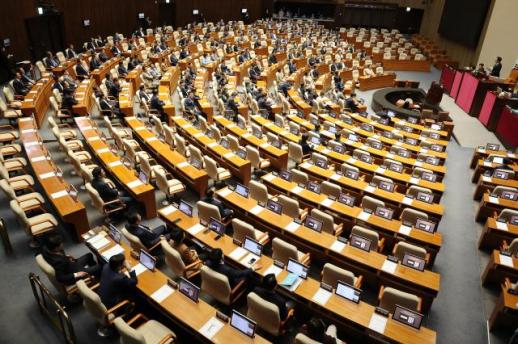 Failed Constitutional Amendment Marks 39 Years Since Last Change A proposed constitutional amendment aimed at reforming South Korea's governance has once again failed, marking the third unsuccessful attempt since the 1987 democratic transition. The initiative, which sought to hold a simultaneous national referendum on local elections and constitutional changes, did not pass through the National Assembly. The ruling People Power Party boycotted the vote and employed a filibuster strategy, leading National Assembly Speaker Woo Won-sik to withdraw the amendment from consideration. Discussions on constitutional reform have now reverted to square one.The amendment was designed to focus on provisions with a higher likelihood of bipartisan agreement, excluding sensitive topics such as presidential power structure changes. Key elements included strengthening parliamentary control over martial law, enshrining the spirit of the May 18 Democratic Uprising in the constitution, and specifying the government's obligation for balanced regional development. Given the increased calls for formalizing martial law controls following the December 3 emergency martial law situation last year, there was some hope for progress in discussions.However, the outcome was marked by extreme political polarization. The Democratic Party argued that the proposed amendment represented a "minimal consensus," while the People Power Party criticized it as a "hasty amendment ahead of elections." Ultimately, both parties wasted significant time accusing each other of "kicking away the opportunity for reform" and attempting a "dictatorial amendment."Constitutional amendments are inherently challenging, as they involve establishing a framework for governance that transcends partisan interests. Therefore, bipartisan cooperation is crucial. Neither side should push through changes solely based on numerical advantage, nor should they block reforms purely for political gain. The constitution should not be treated as a trophy for the majority or a tool for obstruction by the minority.The most glaring issue revealed during this failed attempt was the apparent absence of genuine political engagement. Both parties have acknowledged the necessity for constitutional reform. They recognize that the current constitution was established in the context of ending military rule and direct elections in 1987, and that the concentration of presidential power and recurring partisan conflicts have led to a growing demand for institutional reform. Yet, the National Assembly has focused more on political maneuvering than on substantive discussions about the amendment's content.The public is understandably fatigued. Lawmakers have repeatedly emphasized the need for constitutional reform during election cycles, but when it comes to actual legislative action, conflicts and failures have been the norm. The attempt to amend the constitution during the Moon Jae-in administration in 2018 also failed, and discussions on power structure and electoral reforms have stalled since then. This latest episode has repeated that pattern.However, it is essential not to abandon the discussion on constitutional reform. This failure highlights the need for a more systematic and realistic approach. In the second half of the 22nd National Assembly, both parties should reconvene a constitutional amendment committee and seriously consider a step-by-step consensus model. If a comprehensive overhaul of the power structure is currently unfeasible, they could start by reaching agreements on areas where there is already social consensus, such as enhancing martial law controls, decentralization, and expanding citizens' fundamental rights.Above all, the attitude of the political parties is crucial. If constitutional reform is used as a political strategy by a specific faction, consensus will become impossible. The ruling party must avoid unilateral actions based on numerical superiority, while the opposition should not create the impression of opposing for the sake of opposition. The constitution endures beyond the terms of any administration, necessitating a more cautious and responsible approach.Constitutional reform is not merely a matter of victory or defeat for any single party; it is about whether South Korean politics can transcend its current extreme polarization. If this failure is dismissed as just another political skirmish, public trust in the National Assembly will further erode. Both parties must reopen the door to negotiation in the second half of the 22nd National Assembly. This is the minimum responsibility of politics to move beyond a 39-year-old system.* This article has been translated by AI. 2026-05-09 09:03:25
 -
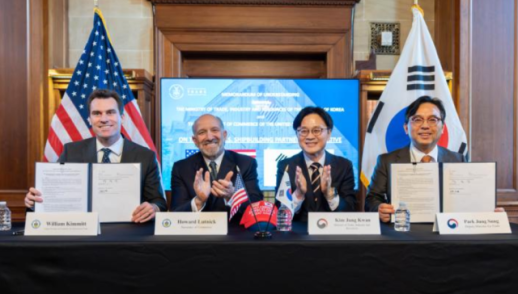 Korea-U.S. Shipbuilding Partnership Initiative Marks New Era of Cooperation On May 8, a memorandum of understanding (MOU) for the Korea-U.S. Shipbuilding Partnership Initiative (KUSPI) was signed in Washington. The agreement was understated, lacking grand rhetoric or exaggerated claims. However, this restraint underscores the significance of the agreement. After a prolonged period of uncertainty due to tariff issues and trade conflicts, South Korea and the United States are beginning to rewrite the language of their alliance through action rather than words.This MOU represents the first implementation phase of the 'MASGA (Make American Shipbuilding Great Again)' project, which involves a $150 billion investment in the U.S. shipbuilding industry from a larger $350 billion investment package promised by South Korea last year.The agreement was signed by Park Jeong-sung, South Korea's Deputy Minister for Trade, and William Kimit, U.S. Deputy Secretary of Commerce for International Trade, with South Korean Minister of Trade Kim Jeong-kwan and U.S. Secretary of Commerce Howard Rutnik in attendance. The two governments plan to establish a 'Korea-U.S. Shipbuilding Partnership Center' in Washington this year to facilitate cooperation among shipyards, equipment manufacturers, universities, and research institutions.This moment marks the transition from declarations to institutional frameworks, a structure that businesses have long awaited. It provides a regulatory safety net that can serve as a basis for actual investment decisions, rather than relying on unpredictable political rhetoric.In recent months, South Korean exporters have navigated through a fog of uncertainty. The tariff policies of the Trump administration were unpredictable, and reciprocal tariffs faced legal challenges that destabilized the situation. However, uncertainty remains, as Section 301 of the Trade Act continues to loom. Additionally, ongoing conflicts in the Middle East have made it difficult for companies to formulate investment plans or supply chain strategies. The anxiety in the field has translated into costly delays.While the KUSPI MOU does not eliminate this fog overnight, it clarifies the direction. The formalization of South Korea and the United States as official partners in the strategic shipbuilding industry is a significant benchmark. Although uncertainty cannot be entirely eradicated, the establishment of a cooperative framework changes the nature of the risks involved.Hanwha Group plans to invest up to $5 billion in the Philadelphia Shipyard it acquired, aiming to increase annual production capacity from one ship to a maximum of 20. Modernization efforts, including automation, robotics, and workforce expansion, are already underway, not just theoretical plans.Currently, the U.S. can only produce a handful of large vessels annually, while China launches about 1,000 ships each year. South Korea stands as a top-tier shipbuilding nation. These figures illustrate the urgent need for the U.S. and what South Korea can provide.The partnership center will support foreign direct investment (FDI) in the U.S., workforce training programs, productivity enhancement in shipyards, and technology exchange. However, the government cannot do everything. With the institutional framework in place, it is now up to businesses to fill in the details.The U.S. International Trade Administration (ITA) praised the MOU as reflecting ongoing efforts to strengthen industrial capabilities, promote investment, and expand advanced manufacturing cooperation among allies. While articulated in diplomatic language, the underlying message is clear: Washington is officially welcoming South Korean companies.The strength of the Korea-U.S. alliance has always been tested in times of crisis, and that strength emerges from action rather than mere declarations.The KUSPI is just the beginning. The partnership center must open, investments need to be executed, and ships must be launched from actual shipyards for this collaboration to become a historical milestone. The process will not be smooth; the trade environment remains fluid, and the interests of both countries do not always align perfectly.Nevertheless, in an era of uncertainty, it is those who take action that shape the landscape. South Korea is now cautiously but decisively making its move. This shipbuilding cooperation should evolve into a new alliance that intertwines trade and security, and that is the reason for its importance.* This article has been translated by AI. 2026-05-09 08:36:31
 -
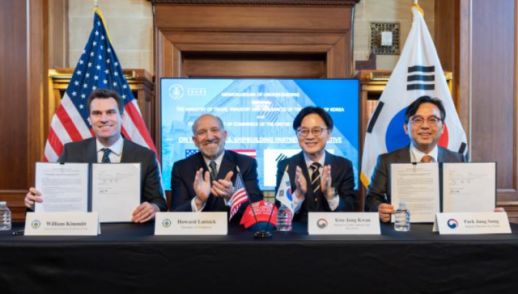 Korea and US move toward materializing MASGA with MoU on shipbuilding SEOUL, May 09 (AJP) -South Korea and the United States took the first concrete step Friday toward activating the $150 billion “MASGA” shipbuilding package embedded in Seoul’s broader $350 billion U.S. investment pledge, a move that could help ease lingering trade and tariff uncertainties hanging over Korean industries as Washington’s tariff regime faces mounting legal challenges. The U.S. Department of Commerce and South Korea’s Ministry of Trade, Industry and Resources (MOTIE) signed a memorandum of understanding in Washington establishing the Korea-U.S. Shipbuilding Partnership Initiative (KUSPI), a bilateral platform designed to deepen cooperation in commercial shipbuilding, industrial modernization, maritime manufacturing investment and workforce development. The agreement marks the operational launch of what Seoul has branded the MASGA initiative — shorthand for “Make American Shipbuilding Great Again” — which formed a central pillar of Korea’s commitment to invest $350 billion in the United States under last year’s trade understanding with Washington. Of the total, $150 billion was earmarked for revitalizing the U.S. shipbuilding sector. The signing comes at a delicate moment for Seoul’s trade strategy, as Korean exporters continue to navigate uncertainty surrounding President Donald Trump’s evolving tariff policies. U.S. courts have recently delivered a series of rulings questioning the legal foundation of several Trump-era tariff mechanisms, including challenges to “global reciprocal tariffs” imposed under emergency authorities. While the court setbacks have raised hopes in Seoul that some tariff pressure may eventually soften, Korean officials remain wary that Washington still retains powerful trade tools under Section 301 of the Trade Act, which allows the U.S. administration to impose tariffs or retaliatory measures over alleged unfair trade practices. Seoul’s aggressive investment push into strategic American industries such as shipbuilding is increasingly viewed as both an industrial partnership and a geopolitical hedge aimed at reducing bilateral friction with Washington. The MOU was signed by Park Jung-sung, South Korea’s deputy trade minister, and William Kimmitt, U.S. under secretary of commerce for international trade, under the oversight of Industry Minister Kim Jung-kwan and U.S. Commerce Secretary Howard Lutnick. Under the agreement, the two governments will establish a Korea-U.S. Shipbuilding Partnership Center in Washington later this year to coordinate collaboration among shipbuilders, suppliers, universities and research institutions from both countries. Planned projects include facilitating foreign direct investment into the U.S. maritime industrial base, workforce training programs, shipyard productivity upgrades and technical exchanges. “The MOU signing builds on ongoing U.S.-Korea cooperation in strategic industries and reflects continued efforts to strengthen allied industrial capacity, promote investment, and expand collaboration in advanced manufacturing sectors,” the U.S. International Trade Administration said in a statement. The partnership also arrives amid growing alarm in Washington over the collapse of America’s shipbuilding capacity and increasing dependence on Asian allies for maritime industrial strength. A CNN-highlighted CBS “60 Minutes” investigation in March portrayed U.S. shipbuilding as a national security vulnerability, contrasting America’s shrinking industrial base with the massive scale and efficiency of South Korean shipyards led by firms such as Hanwha Group . The report noted that the United States now produces only a handful of large commercial vessels annually compared with roughly 1,000 cargo ships built each year by China, while South Korea remains one of the world’s dominant shipbuilding powers. It also spotlighted Hanwha’s acquisition and modernization of the Philadelphia shipyard as a symbol of Korea’s growing role in reviving U.S. maritime manufacturing. In the program, Hanwha executives said the company plans to invest up to $5 billion into the Philadelphia yard and expand production capacity from roughly one ship per year to as many as 20 annually through automation, robotics and workforce expansion. The report framed the issue not simply as industrial policy but as a national security imperative for Washington amid intensifying competition with China and growing vulnerabilities in global supply chains. “Shipbuilding is a national security necessity,” Michael Coulter, Hanwha’s top executive overseeing U.S. operations, said in the broadcast. “The U.S. needs to be able to secure our own commerce.” The strategic logic has increasingly aligned Korean industrial ambitions with U.S. geopolitical priorities. For Seoul, the shipbuilding partnership offers an opportunity to lock Korean firms deeper into America’s industrial rebuilding push while potentially cushioning Korean exporters from future tariff escalation. For Washington, Korean capital and expertise provide one of the few realistic paths toward rebuilding a severely weakened domestic shipbuilding ecosystem. The Trump administration has repeatedly described America’s maritime decline as a national security crisis, with Trump himself signing executive orders last year to prioritize shipbuilding revival and establish a White House office dedicated to the sector. The MOU signed Friday signals that South Korea is moving beyond pledges and into implementation. Whether the MASGA initiative ultimately translates into large-scale projects, shipyard modernization and meaningful tariff relief for Korean industries may determine how durable the broader Seoul-Washington economic alignment becomes in an increasingly protectionist era. 2026-05-09 08:17:57
 -
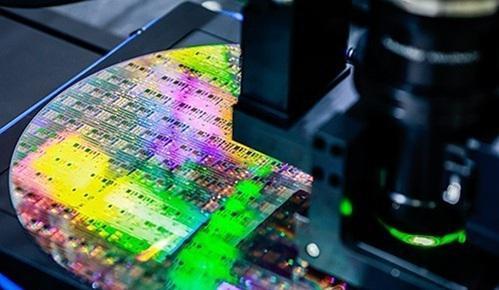 The Rise of Semiconductor Companies and South Korea's Semiconductor Leap The global capital market is undergoing a significant transformation in 2026. Just a few years ago, the world's stock markets were dominated by platform companies and consumer-centric industries. However, a look at the top companies by market capitalization today reveals a complete shift. Artificial intelligence (AI), semiconductors, data centers, cloud computing, advanced power grids, and biotechnology have emerged as the new pillars of this era. While oil and steel were once the heart of the industrial revolution, today, GPUs, HBM, AI servers, and data centers are at the core of the global economy.One of the most notable changes is the elevated status of the semiconductor industry. Once a sector that fluctuated with economic cycles, semiconductors have transformed into a critical industry that influences national security, finance, diplomacy, and military strategy in the age of AI. The U.S. has imposed export controls on advanced GPUs to China, while China is vigorously promoting its domestic semiconductor industry. The Taiwan Strait has emerged as the world's most significant geopolitical risk area, underscoring the strategic importance of semiconductors in the AI era, akin to oil in the 20th century.The latest global market capitalization rankings, as of May 9, highlight the remarkable ascent of South Korean semiconductor companies. Samsung Electronics has crossed the $1 trillion mark for the first time, ranking 11th globally, which signifies more than just a rise in stock prices.This achievement reflects that South Korea's industrial structure remains a core pillar of global manufacturing. With the competitive edge in HBM and AI memory now being recognized, South Korean companies are reclaiming their place at the center of the global capital market.SK Hynix's rapid rise is even more dramatic. Once considered a latecomer to Samsung Electronics, it has now become a key supplier in the AI memory era. Dominance in the HBM market goes beyond mere technological superiority; it is now a crucial factor determining the performance and efficiency of the entire AI industry. AI servers require significantly more high-performance memory than traditional servers, and as AI models grow larger, memory bottlenecks become increasingly severe. Consequently, companies that control memory are poised to gain substantial influence in the AI sector.The composition of the world's top companies clearly illustrates a new economic order. NVIDIA has emerged as the king of the AI era. GPUs are no longer just graphics chips; they are essential devices driving humanity's new brain.Microsoft and Amazon play pivotal roles in the AI industry through their cloud services, acting as the roads and ports for AI development. Broadcom has risen as a new powerhouse by dominating custom AI chips and data center networks. TSMC has become a critical hub in the global semiconductor industry, leveraging advanced process technologies.In contrast, traditional energy giants, once absolute leaders, are being pushed back. While Saudi Aramco and ExxonMobil remain massive companies, global capital is now placing higher value on AI and data industries over fossil fuels. This shift signifies more than just an industrial change; it indicates a fundamental transformation in the energy structure of human civilization.The rise of the biotechnology sector is also noteworthy. Eli Lilly has entered the top 10 in global market capitalization through its revolutionary obesity treatments. The pharmaceutical industry, once viewed as stable but limited in growth, is now being re-evaluated as a high-growth sector due to the convergence of AI, genetic technology, and precision medicine.All these trends ultimately lead to one question: What will drive the global economy in the future? In the past, oil, steel, finance, and real estate were at the center of the global economy. However, we are now in an era where data, semiconductors, AI algorithms, and biotechnology will determine humanity's future.So where does South Korea stand? In AI algorithms, South Korea lags behind the U.S., and in platforms, it is outpaced by both the U.S. and China. However, in memory semiconductors and advanced manufacturing technology, South Korea still possesses world-class competitiveness.If South Korean companies maintain their edge in HBM, advanced packaging, and next-generation memory, the country has a strong chance of emerging as a key strategic player in the AI era.Now, let’s examine the top 20 companies by market capitalization:1. NVIDIANVIDIA has risen to prominence as the king of the AI era. Once recognized as a gaming graphics card company, it has now become a key player driving the entire AI industry. GPUs have become essential for AI training and inference, making it difficult to develop large-scale AI models without NVIDIA's chips. The U.S. government's strategic controls on GPU exports to China reflect this reality. NVIDIA symbolizes the power structure of the AI era, transcending its identity as a semiconductor company.2. Alphabet (Google)Google is evolving from a search company into an AI platform company. The integration of the Gemini AI model with its cloud and YouTube ecosystem is creating new revenue streams. While there were doubts about whether its search-advertising model could survive in the AI era, AI is actually enhancing the influence of search. Google is one of the few companies that possesses data, algorithms, and cloud infrastructure capable of directly understanding and answering human inquiries.3. AppleApple remains the dominant force in the global consumer electronics industry. The iPhone ecosystem and on-device AI strategy are generating substantial replacement demand. Apple's strength lies not in technology alone but in user experience and brand trust. In the AI era, it continues to strengthen its unique ecosystem while adhering to its philosophy of privacy and device optimization.4. MicrosoftMicrosoft is one of the most strategic companies in the AI era. Its collaboration with OpenAI, Azure cloud services, and integration of AI into Office products are rapidly capturing the enterprise market. Transitioning from its image as a Windows operating system company, Microsoft has transformed into a productivity innovation company based on AI. The fact that most enterprises, governments, and educational institutions operate within the Microsoft ecosystem signifies its immense influence.5. AmazonAmazon has evolved from an e-commerce company into the world's largest digital logistics company. AWS cloud services serve as the essential infrastructure for the AI industry, while its automated logistics systems are becoming models for the future of distribution. Amazon was among the first to experiment with a new industrial structure combining human labor, robots, and AI. Its impact on global consumption patterns and distribution structures is historically significant.6. BroadcomBroadcom is a quietly powerful company. It is rapidly growing by dominating custom AI chips, networking equipment, and data center infrastructure. As the AI industry expands, the importance of data movement and connectivity technologies increases alongside GPUs. Broadcom is establishing itself in this critical area, building the 'invisible veins' of the AI era.7. TSMCTSMC is the heart of the global semiconductor manufacturing industry. Its advanced 2-nanometer process is regarded as a core technology of modern industrial civilization. The sensitivity of the U.S. and China to the Taiwan issue ultimately stems from TSMC. Losing advanced semiconductor production capabilities could plunge the global economy into serious turmoil. TSMC has become a geopolitical strategic asset beyond just a company.8. Meta PlatformsDespite controversies surrounding its metaverse ambitions, Meta is rebounding through advertising and AI recommendation algorithms. Facebook, Instagram, and WhatsApp remain the largest human networks globally. AI-driven advertising efficiency is becoming even more robust. Meta is one of the companies that can capture human attention and time for extended periods.9. TeslaTesla is not just an automobile company. It is a future technology company that integrates autonomous driving, energy storage, and robotics. While competition in the electric vehicle market has intensified, Tesla continues to maintain strong competitiveness in software and data. Its Full Self-Driving (FSD) technology has the potential to fundamentally change the automotive industry.10. Eli LillyEli Lilly is reshaping the global pharmaceutical industry through its revolutionary obesity treatments. Obesity is not merely a cosmetic issue; it is a key disease linked to diabetes, cardiovascular diseases, and various chronic conditions. The obesity treatment market has the potential to grow into a multi-trillion-dollar industry. This exemplifies how biotechnology is emerging as a strategic industry on par with semiconductors.11. Samsung ElectronicsSamsung Electronics symbolizes South Korea's industrialization. It is a global leader in memory semiconductors, smartphones, displays, and home appliances. Particularly in the AI era, its competitiveness in HBM and advanced packaging is gaining renewed attention. Samsung's achievement of surpassing a $1 trillion market capitalization is not just a corporate milestone but a symbolic event for South Korea's industrial competitiveness.12. Berkshire HathawayBerkshire Hathaway embodies Warren Buffett's investment philosophy. Its management style, which prioritizes long-term value and cash flow over short-term trends, continues to wield significant influence in global financial markets. Even amid the AI boom, it exemplifies the importance of stable value investing.13. WalmartWalmart demonstrates how traditional retail can survive through digital innovation. AI logistics and supply chain innovations, along with data-driven inventory management systems, have put Walmart back on a growth trajectory. This underscores that retail remains a fundamental industry in human life.14. Saudi AramcoSaudi Aramco remains one of the largest energy companies globally. However, global capital is now placing higher value on AI and semiconductors than on oil. Nevertheless, energy remains the foundation of industrial civilization, and the geopolitical significance of the Middle East will not easily fade.15. JPMorgan ChaseJPMorgan is a cornerstone of the U.S. financial system. It exerts substantial influence over global interest rates, dollar flows, and investment banking. Even in the AI era, finance remains central to capital allocation. This illustrates that traditional financial institutions continue to hold significant power amid digital financial innovations.16. SK HynixSK Hynix is emerging as the absolute leader in the HBM market. It is regarded as a key player in addressing memory bottlenecks in the AI era. While the memory industry was once characterized by price volatility, HBM has become a strategic product. SK Hynix's rapid rise showcases new possibilities for South Korea's semiconductor industry.17. VisaVisa is a key player in the global payment system. As the digital economy expands, the value of payment networks increases. With the rise of cashless societies, Visa's influence is growing. It exemplifies the power of financial infrastructure.18. ExxonMobilExxonMobil symbolizes the traditional energy industry. While it is attempting to expand into carbon capture technology and eco-friendly businesses, global capital is gradually shifting its focus toward AI and data industries. Nevertheless, energy security remains a critical element of national survival.19. TencentTencent is a key player in China's digital economy. It has built a vast ecosystem that combines gaming, messaging, cloud services, and fintech. Despite regulatory challenges and economic slowdowns in China, it continues to maintain strong platform influence.20. Novo NordiskNovo Nordisk is a global leader in the diabetes and obesity treatment market. Amid global trends of aging and rising obesity, it continues to achieve stable growth. This represents a case where the biotechnology sector is poised to become a central pillar of the future economy.Ultimately, the changes among the top 20 companies by market capitalization reflect more than just stock market trends. They illustrate a map of the shifting power dynamics in human civilization. In the past, oil and finance drove the global economy. Now, AI, semiconductors, data, and biotechnology are determining the future.At the center of this transformation is South Korea's semiconductor industry. The rise of Samsung Electronics and SK Hynix is not merely corporate growth; it is evidence that South Korea remains a core pillar of global industrial civilization. However, challenges are mounting. The technological rivalry between the U.S. and China is intensifying, and geopolitical tensions surrounding Taiwan are escalating. The pace of the AI industry is unprecedented.Yet, crises always come with opportunities. South Korea, despite being a resource-poor nation, has achieved miraculous growth in industrial history based on technology, education, and manufacturing capabilities. Now, it stands at the threshold of another leap in the AI era. By integrating memory semiconductors, advanced manufacturing, batteries, and biotechnology, South Korea has the potential to establish itself as a strategic nation in the AI era, transcending its role as a mere exporter.The Dao De Jing states, "Difficult tasks in the world always start with easy ones." Today's semiconductor competition did not emerge overnight; it is the result of decades of accumulated technology and talent in laboratories, factories, and production lines.The global capital market is now choosing the center of a new civilization. And at the heart of that immense flow stands South Korea's semiconductor industry. 2026-05-09 08:00:56
 -
 Should You Switch to the New 5th Generation Health Insurance? The launch of the 5th generation health insurance is complicating decisions for current policyholders. While premiums have significantly decreased, changes in coverage structures mean that the extent of coverage can vary based on the treatments received. According to the Financial Services Commission on May 9, the key feature of the 5th generation health insurance is the enhancement of coverage for severe illnesses, while reducing coverage for non-severe, non-covered treatments. Premiums are expected to be about 30% lower than the 4th generation and over 50% lower than the 1st and 2nd generations. However, when choosing health insurance, it is essential to consider not only the premium levels but also past insurance payouts and future healthcare usage plans. For existing policyholders, if the expected insurance payouts exceed the annual premium, it is advantageous to maintain the current plan. Conversely, if anticipated payouts are lower than the premium, opting for reduced coverage to lower costs may be a sensible choice. For instance, a policyholder paying approximately 170,000 won per month for a 1st generation health insurance plan could see their monthly premium drop to around 20,000 won with a transition discount. Even after the three-year discount period, the premium would be about 40,000 won. By enrolling in a 'selective discount clause' that excludes low-usage items like physical therapy or non-covered injections, premiums could be reduced by 40% to around 100,000 won. However, switching to the 5th generation is most beneficial for those who rarely visit hospitals and find the high premiums of the 1st generation burdensome. If a policyholder with a 1st or 2nd generation plan anticipates treatment for a severe illness, it is advisable to maintain the existing coverage for broader protection, and consider switching to a selective discount clause after treatment when healthcare usage is expected to decrease. For those frequently visiting hospitals for treatments like physical therapy or extracorporeal shockwave therapy, it may be more advantageous to retain the existing health insurance. Particularly, the 1st generation plans often have lower out-of-pocket costs and favorable coverage conditions, so it is crucial to evaluate overall healthcare usage patterns and the extent of non-covered treatments before deciding to switch. Park Chang-sik, a senior official at Dongyang Life Insurance, stated, "For policyholders who do not have immediate plans for hospital visits and are not overly burdened by premiums, it is advisable to monitor future situations before hastily switching to the 5th generation. Conversely, those facing increased premium burdens due to aging should compare the cost-saving benefits and coverage structures before making a decision."* This article has been translated by AI. 2026-05-09 07:04:25
 -
 Trump Announces Three-Day Ceasefire Between Russia and Ukraine President Donald Trump announced that Russia and Ukraine have agreed to a ceasefire from May 9 to 11. According to a report by Yonhap News, Trump stated on May 8 (local time) on his social media platform Truth Social, "There will be a ceasefire between Russia and Ukraine from May 9 to 11." He also explained that during the ceasefire, all military activities will be halted, and a prisoner exchange of 1,000 individuals between the two countries will take place. Trump expressed gratitude to Russian President Vladimir Putin and Ukrainian President Volodymyr Zelensky for agreeing to the ceasefire, stating, "This ceasefire was requested by me." He added, "I hope this action will be the starting point for ending a long and deadly war. Negotiations are ongoing to conclude the largest conflict since World War II, and we are getting closer to an agreement every day." Previously, on May 4, Russia unilaterally declared a ceasefire for May 8 and 9, citing the Victory Day holiday. The ceasefire was later extended to May 10, but there was no prior consultation with Ukraine. There are speculations that Russia's unilateral ceasefire was aimed at ensuring the safe conduct of the Victory Day parade in Moscow on May 9. In response, Ukraine announced it would enter a ceasefire regime starting at midnight on May 5, without any separate agreement with Russia, but both sides continued their attacks without acknowledging each other's unilateral ceasefire declarations.* This article has been translated by AI. 2026-05-09 06:30:20
 -
 Chinese Thriller 'The Disappeared' Captivates Audiences During Labor Day Weekend A suspense thriller has taken Chinese theaters by storm during this year's Labor Day holiday. Leading the box office with over 200 million yuan (approximately $30 million) is 'The Disappeared' (original title: 消失的人). The film addresses dark societal issues such as the safety of single women, child-rearing, and gambling addiction, as a series of disappearances, murders, and sexual assaults unfold among neighbors in an aging urban apartment complex. Critics have praised its gripping portrayal of how modern silence and indifference can lead to tragedy. The film unfolds through four interwoven episodes. The son of Tang Yu (played by Zheng Kai) mysteriously vanishes from the apartment stairs on his way to school, while Lin Yutong (played by Liu Haochun), who lives alone in the same building, is assaulted by an unidentified intruder at night. Yan Wu (played by Chu Zhe), burdened by gambling debts, hides his father's body in a fish tank after he dies from a stroke following a night of heavy drinking. Meanwhile, the seemingly tranquil family of construction contractor Xu Zhijie begins to show signs of strain. Initially appearing unrelated, the incidents involving the four households gradually intertwine through subtle foreshadowing. Notably, the film keeps the identities of the child abductor and rapist shrouded in mystery until the end, leading the audience to constantly suspect all characters. In the confined space of the densely populated apartment complex, no one is free from suspicion. Based on the 2022 novel 'Sea Anemone' (original title: 海葵) by Chinese crime novelist Beikebang, the film uses the sea anemone—a carnivorous marine creature that appears gentle but harbors venomous stingers—as a metaphor for the complex duality of human nature, where seemingly ordinary and kind individuals hide dark secrets. Director Qing Weihua shared in an interview with local media that the inspiration for the film came from a moment of reflection while observing the closed doors of apartments in his building. He aimed to illustrate that unimaginable events can occur just beyond the doors of familiar spaces we traverse daily. Filmed in Chongqing, known for its mountainous terrain and intricate stairway structures, the city is often referred to as a 'six-dimensional city' or 'mountain city.' Its unique, labyrinthine atmosphere has made it a popular backdrop for suspense films. The use of local dialect mixed with standard Mandarin enhances the film's authenticity. Additionally, the film employs Hitchcockian suspense techniques, such as shadow play, amplified breathing sounds, and bloodstains on door frames, to heighten tension and serve as clues to the plot twists. Despite a relatively modest production budget of 30 million yuan, projections suggest that the final box office earnings will exceed 500 million yuan. According to China's Sina Finance, 'The Disappeared' has outperformed blockbuster films with budgets over 100 million yuan, demonstrating that low-budget films can achieve success with a solid storyline and high-quality content.* This article has been translated by AI. 2026-05-09 06:28:13
 -
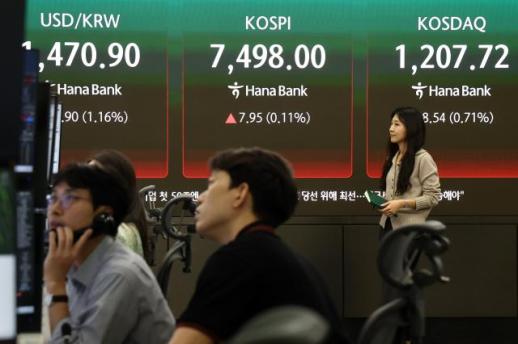 KOSPI Surpasses 7500 Amid Semiconductor Surge; Key Events Ahead Domestic stock markets have seen a strong rally led by the semiconductor sector, with the KOSPI index surpassing the 7500 mark for the first time. However, concerns about a rapid rise in the short term have emerged, as key events such as the U.S. Consumer Price Index (CPI) and the U.S.-China summit loom next week, suggesting potential sector rotation and increased volatility. According to the Korea Exchange, the KOSPI index closed at 7498.00 on May 8, up 7.95 points (0.11%) from the previous trading day. Over the week from May 4 to May 8, the KOSPI and KOSDAQ rose by 13.90% and 1.29%, respectively. This week, the domestic market continued its upward trend, fueled by a global semiconductor rally. Major semiconductor stocks, including Samsung Electronics and SK Hynix, attracted significant buying interest, pushing the KOSPI above 7500 during trading hours, with the market capitalization exceeding 600 trillion won. The strong performance of U.S. tech giants and growing expectations for investments in artificial intelligence (AI) have bolstered investor sentiment in the domestic semiconductor sector. Notably, the earnings reports from U.S. hyperscalers reaffirmed the growing demand for AI, serving as a catalyst for market gains. Amazon, Microsoft, and Google reported results that exceeded market expectations, with notable increases in cloud revenues related to AI. This has strengthened expectations for increased global semiconductor investments, leading to strong performances in domestic sectors related to AI infrastructure, including semiconductors and power equipment. Ha Geon-hyung, a researcher at Shinhan Investment Corp., stated, "While semiconductors remain the core focus, earnings forecasts have been adjusted in line with historical statistics following the first-quarter earnings announcements, and SK Hynix has reached appropriate valuations. We may see a slowdown in the explosive rise of the index around late May to June." In terms of sector performance, semiconductors led the index's rise with over a 20% increase for the week. Other sectors, including securities, trading, capital goods, steel, machinery, and insurance, also recorded double-digit gains. Conversely, media, consumer staples, telecommunications, cosmetics, clothing, and hotel and leisure sectors lagged behind. Analysts suggest that a differentiated market trend is emerging, with funds concentrating on AI infrastructure-related sectors. From a supply and demand perspective, foreign investors have been notably active, with net purchases exceeding 4 trillion won in the securities market this week, driving the index higher. However, some profit-taking movements have been observed amid the recent surge in semiconductor stocks, raising the possibility of sector rotation. Market analysts expect the domestic stock market to continue its upward trend next week, but they caution about the potential for increased volatility due to short-term overheating. Significant events are on the horizon, including the release of the U.S. April CPI and Producer Price Index (PPI), the U.S.-China summit, and the end of Federal Reserve Chair Jerome Powell's term. In particular, the market will likely assess the implications of inflation data for potential interest rate cuts later this year. Kim Yu-mi, a researcher at Kiwoom Securities, noted, "Both the U.S. and Iran face significant burdens from the prolonged conflict, suggesting that negotiations will continue. If the CPI does not significantly exceed market expectations, the negative impact on financial markets will be limited." She added that the U.S.-China summit will be a key point of interest, particularly regarding the potential easing of tariff conflicts and negotiations on semiconductor and rare earth supply chains. Experts believe that the existing trend led by semiconductors is likely to persist. However, due to the recent surge, there may be some rotation into other sectors. Industries supported by strong earnings and momentum, such as telecommunications equipment, shipbuilding, secondary batteries, and renewable energy, are being considered as alternatives. Na Jeong-hwan, a researcher at NH Investment & Securities, stated, "The current rise is based on upward earnings revisions. While maintaining core positions in leading sectors like semiconductors and power equipment, it is effective to expand portfolios into high-quality stocks within sectors where earnings revisions are gaining momentum."* This article has been translated by AI. 2026-05-09 06:25:40