
Journalist

Ahn Young-jip
-
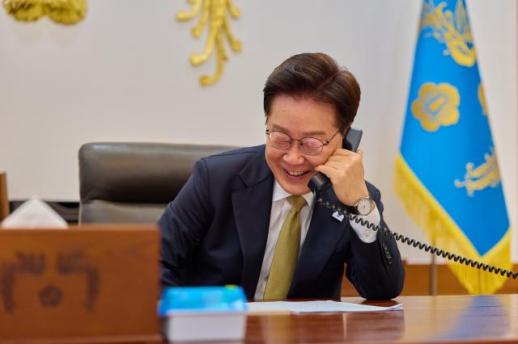 President Lee Emphasizes Public Responsibility in Financial Sector President Lee Jae-myung stated on May 14 that while the financial sector operates in a private capacity, it is fundamentally a quasi-public enterprise reliant on state-issued currency and monopolistic licenses, thus it must fulfill its public responsibilities.In a post on X (formerly Twitter), President Lee remarked, "Usury and gambling are signs of national decline." He added, "We will swiftly and maximally secure consumer finance and inclusive finance."He shared a document on X detailing the results of a special crackdown on illegal private finance from November last year to April this year, which led to the arrest of 1,553 individuals.President Lee emphasized, "Loans exceeding legal interest rates are void; if the interest rate (regardless of the nominal rate) exceeds 60%, the principal is also void. There is no need to repay, and lenders who provide such loans can face criminal penalties. Unlicensed lending will also be punished."Earlier, during a Cabinet meeting on May 12, President Lee criticized the private debt collection company 'Sangnok-su' for still pursuing delinquent debts from the early 2000s credit card crisis, calling it "primitive predatory finance."* This article has been translated by AI. 2026-05-14 15:03:21
 -
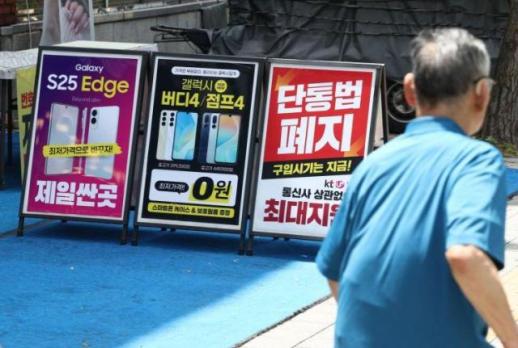 South Korea's National Assembly Proposes New Subsidy Regulations for High-Cost Plans The National Assembly of South Korea is moving forward with a proposal to limit the disparity in subsidies for different telecommunications rate plans. This initiative comes in response to concerns that subsidies have become concentrated on high-cost plans since the repeal of the Device Subsidy Law. The telecommunications industry has expressed opposition, arguing that this marks a return to previous regulations just nine months after the law was abolished. According to the National Assembly's legislative information system, a group of ten lawmakers, including Lee Hoon-ki from the Democratic Party, submitted a bill to amend the Telecommunications Business Act on May 12. The proposed amendment highlights that since the repeal of the Device Subsidy Law, subsidies from the three major telecom companies—SK Telecom, KT, and LG Uplus—have been disproportionately directed toward high-cost plan users, while support for low-cost plan users has been insufficient. The amendment stipulates that if the difference in subsidies between rate plans exceeds a threshold set by presidential decree, it will be classified as discriminatory distribution. This aims to prevent the practice of providing higher subsidies to high-cost plan users. Additionally, it would require telecom companies to clearly explain the subsidy amounts and conditions for each rate plan when selling devices alongside service contracts. Industry representatives have labeled the bill a return to the era of the Device Subsidy Law. They argue that since the law was repealed, competition among telecom companies for subsidies has increased, allowing consumers to purchase devices at lower prices. They contend that reintroducing limits on subsidy disparities would negate these benefits. A telecom industry official stated, "The government abolished the Device Subsidy Law to stimulate competition among the three telecom companies, but now they are seeking to impose restrictions again, which shows a lack of clear policy direction." The Device Subsidy Law was introduced in 2014 to address excessive competition among telecom companies and discrimination against users. It regulated subsidies through a system of public support and caps on additional subsidies, but faced criticism for limiting market competition and reducing consumer benefits. In 2024, the National Assembly passed a bill to repeal the law, which was officially abolished in July of the same year. Concerns have also been raised about potential reverse discrimination against high-cost plan users. If subsidies for low- and mid-cost plans are increased, it could lead to a reduction in support for high-cost plan users. An industry representative noted, "If we limit the benefits for high-cost plan users, who already pay more, it could create a situation where they receive fewer benefits despite higher payments." There is a growing belief that this amendment may lead to a decline in market competition rather than enhance consumer protection. Consumers may feel burdened by the high costs of purchasing expensive smartphones, and the restriction on subsidy disparities could diminish marketing competition among the three telecom companies. An industry official remarked, "The original intent of repealing the Device Subsidy Law was to expand subsidy competition to reduce consumer telecom costs and stimulate market competition. It is disappointing to see the government and National Assembly moving toward re-intervening in market pricing."* This article has been translated by AI. 2026-05-14 15:01:59
 -
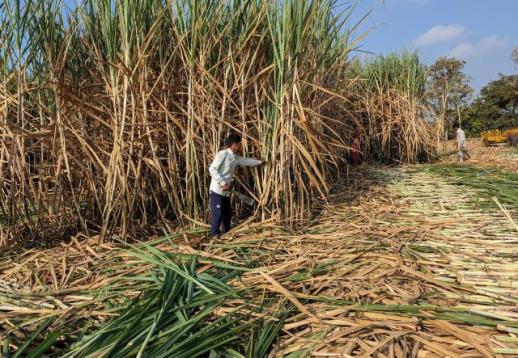 India bans sugar exports, adding more import cost pressure for Korea SEOUL, May 14 (AJP) - India banned sugar exports on Wednesday with immediate effect through September 30, sending global prices sharply higher and raising cost pressure on Korean refiners and the country's processed food, beverage and bakery makers on top of energy-related inflationary risks. The Indian government issued the notification Wednesday, according to Reuters. New York raw sugar futures rose more than 2 percent and London white sugar futures jumped 3 percent on the announcement. The end-date corresponds with the close of India's sugar marketing year, which runs October through September. Korea's direct exposure to Indian supply is limited. The country's three sugar refiners — CJ CheilJedang, Samyang Corporation and Daehan Sugar — source most of their raw cane from Australia and Thailand, both duty-free under existing free trade agreements, according to industry statements during previous Indian export restrictions. The risk for Korea runs through global benchmark prices: when India removes more than a million tons from world markets, Australian and Thai sellers can charge more, and that cost feeds through to Korean refiners and ultimately to consumer goods. India is the world's second-largest sugar producer and exporter after Brazil. The ban was triggered by a second consecutive year in which domestic production is expected to fall below consumption, according to Reuters, as cane yields weaken across major growing regions and forecasts of El Nino-driven monsoon disruption raise the risk of further supply shortfalls. The Indian government had earlier permitted mills to export 1.59 million metric tons this year. Of that, about 800,000 tons had been signed under contract and roughly 600,000 tons already shipped, the Reuters report said. Shipments already at Indian ports or handed over to customs before the notification will be allowed to proceed. For Korea, the ban arrives in a domestic sugar market still absorbing the impact of February's Korea Fair Trade Commission ruling. The KFTC on February 12 imposed fines totaling 408.3 billion won on the three refiners for colluding on B2B sugar pricing between February 2021 and April 2025. The three firms control roughly 89 percent of the domestic sugar market, according to the KFTC. The commission noted that all three refiners independently cut sugar prices during the investigation period — in July 2025, November 2025 and January 2026 — meaning current Korean B2B prices sit below their cartel-era peaks. The Korean sugar market operates within a structurally protected framework. Refined sugar imports carry a 30-percent tariff, while raw sugar is subject to a 3-percent base tariff under a quota system, according to the Ministry of Agriculture, Food and Rural Affairs. There is recent precedent for how Seoul has responded to Indian sugar restrictions. When India imposed a prior export ban in the second half of 2023 that lasted more than a year, MAFRA cut both the raw sugar base tariff and the quota tariff to zero, allowing refiners to diversify sourcing toward Brazil and Central America. The 2023 measure was approved at a cabinet meeting on May 30 of that year and took effect in early June. MAFRA has not yet issued a public response to Wednesday's Indian notification. The Seoul government is yet to respond to the latest Indian move. Brazilian and Thai exporters are expected to benefit most from the ban, with shipments likely redirected toward Asian and African buyers, according to Reuters. India's track record offers a cautionary note. The 2023 ban was originally framed as temporary but ran beyond a year, and the current notification's language — "or until further orders" — preserves the same option for extension. Existing supply contracts may insulate Korean refiners on top of the blockage of Strait of Hormuz and disruption of Middle East crude sources. 2026-05-14 14:59:38
 -
 The Need for AI in Environmental Regulation Compliance A story from a plating factory illustrates the challenges faced by many businesses. The facility's wastewater treatment system has been non-compliant for some time, and while the site manager is aware of the issue, no one speaks up. Reporting the violation would lead to stricter penalties in the future, so the risk continues to accumulate. The state of environmental regulation compliance in South Korea's industries remains reactive rather than proactive. To understand this, one must first acknowledge the scale of the regulations. Before its merger with the Ministry of Climate, the Ministry of Environment oversaw more than 70 laws, and when including subordinate regulations and local ordinances, the environmental obligations imposed on individual businesses number in the hundreds. It is virtually impossible for a single site manager to grasp all these obligations, track amendments, and conduct self-assessments for compliance. While professional consulting services are available, the costs, which can reach tens of millions to billions of won per facility, are beyond the reach of most small and medium-sized enterprises. Even if problems are identified early, businesses are not exempt from penalties. Self-reporting leads to a record of violations, which can result in harsher penalties for future infractions. For business owners, environmental issues remain a case of 'knowing is losing.' As a result, companies ignore potential risks or remain silent when they are aware of them, creating a vicious cycle. The consequences extend beyond the factory walls. Every business impacts the environment, but inadequate preemptive management leaves local residents with no basis for trust. This vague anxiety about environmental issues often translates into opposition, resulting in well-functioning businesses being blocked from obtaining permits due to NIMBY (Not In My Backyard) sentiments. The entire industry pays the price for the failure to manage risks, not just the individual business. Environmental issues often become disasters after the fact, while proactive measures remain ineffective. The instinctive anxiety felt when a facility is not environmentally compliant is not limited to environmental experts; the staff on-site is aware as well. However, there is no language, channel, or incentive to bring these concerns to the table. This is where AI can play a crucial role. AI can compare real-time data against permitting conditions, highlight relevant changes amid frequent regulatory updates, and identify potential violations before they occur. It can also automatically compile management records to serve as evidence of diligent compliance. While general-purpose AI cannot immediately take on this role due to limitations in understanding legal contexts, an AI specialized in environmental regulations could change the game. The key lies in structural transformation. In a system where knowing leads to penalties and external assistance is prohibitively expensive, AI presents a nearly unique solution to fundamentally alter this cost structure. It can shift the paradigm from 'knowing is losing' to 'knowing is fortunate.' This change is not about altering human attitudes but about changing the underlying structure. This issue is not confined to the corporate consulting market for large enterprises. It gains real significance when it reaches small and medium-sized businesses, which are most vulnerable to risks. Filling the gap where no infrastructure previously existed can make a decisive difference. These are tasks that are too numerous for humans to handle alone but too risky to ignore. While advocating for environmental and legal compliance is easy, demanding voluntary adherence in a structure devoid of incentives or immunity is unrealistic. Compliance with environmental regulations is a matter of survival for the industrial ecosystem. To move beyond a reactive paradigm, a new infrastructure is needed that transitions expert capabilities into an AI-based continuous diagnostic system for compliance.* This article has been translated by AI. 2026-05-14 14:59:37
 -
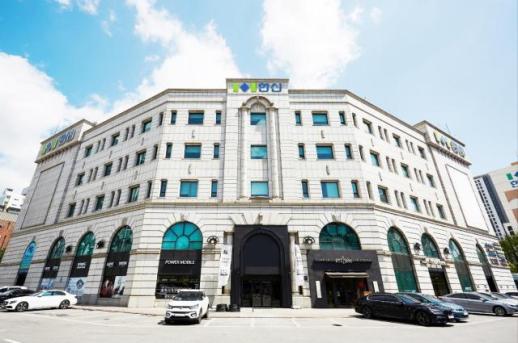 Hanshin Engineering Breaks Ground on Ulsan Tram Project Following Wirae Tram Success Hanshin Engineering is expanding its presence in the future transportation infrastructure market by launching the Ulsan hydrogen electric tram project, following the successful Wirae Tram initiative, which is Korea's first tram project. On May 14, Hanshin Engineering announced that it has signed a contract with the city of Ulsan for the Ulsan Urban Railway Line 1 hydrogen electric tram project and has begun construction on the initial phase. The Ulsan Urban Railway Line 1 will connect Taehwa River Station to Sinbok Intersection, covering a total length of 10.85 kilometers with 15 stations. The project has a total budget of approximately 381.4 billion won, with a target completion date set for the end of 2029. This project will utilize Korea's first 'wireless hydrogen electric tram' system. By employing hydrogen fuel cells for operation without overhead wires, the environmentally friendly system aims to reduce carbon dioxide and fine dust emissions while minimizing urban landscape disruption. The hydrogen electric tram can travel over 200 kilometers on a single charge. With its low noise and high-efficiency system, it is gaining attention as a model for future urban railways. The hydrogen fuel cells produce almost no pollutants during electricity generation, contributing significantly to the transition to eco-friendly, low-carbon cities. Previously, Hanshin Engineering demonstrated its construction capabilities by breaking ground on the Wirae Tram project in April 2023, which is the first urban tram demonstration project in Korea. This urban railway project spans 6.1 kilometers, connecting the Machon and Bokjeong stations in Seoul's Songpa District. According to the Seoul Construction Notification, the Wirae Line urban railway is currently 94.81% complete, with most of the track and station construction finished. The project is expected to undergo signal system installation and trial operations, with phased openings scheduled for the second half of 2026. Major municipalities are actively pursuing tram projects, including Daejeon's Urban Railway Line 2, Busan's Port Line tram, Jeju's hydrogen tram, and Yangsan's urban railway. Notably, the Daejeon Urban Railway Line 2 construction project recently received a budget increase of 10 billion won after passing a review in the National Assembly last year, raising expectations for market contracts. Hanshin Engineering is recognized for its competitive edge, having direct experience in Korea's first tram demonstration project. The company has accumulated practical urban construction experience, project management expertise, and knowledge in traffic control and citizen safety management. A representative from Hanshin Engineering stated, "Based on our experience in executing Korea's first tram project, we aim to set a new standard for tram and light rail projects nationwide, including in Ulsan."* This article has been translated by AI. 2026-05-14 14:57:16
 -
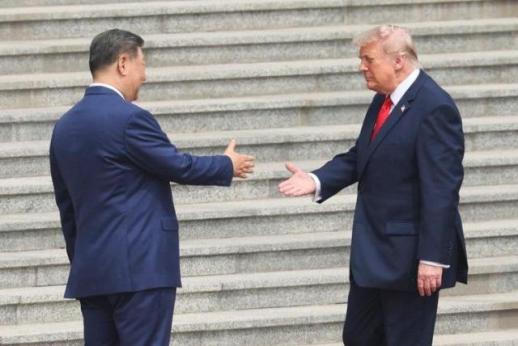 Xi Jinping Warns Trump on Taiwan Issue Amid U.S.-China Talks Xi Jinping, the President of China, directly warned U.S. President Donald Trump that the Taiwan issue could lead to a U.S.-China conflict. While tariffs and trade were the main agenda items for their summit, China emphasized that the Taiwan issue is a core matter it cannot compromise on. According to state-run Xinhua News Agency, during their meeting at the Great Hall of the People in Beijing, Xi stated, "The Taiwan issue is the most important issue in U.S.-China relations." He added, "If handled well, the relationship between the two countries can maintain overall stability, but if mishandled, the two countries could clash or even come into conflict, pushing U.S.-China relations into a very dangerous situation." Xi also strongly addressed the issue of Taiwan independence, asserting, "'Taiwan independence' and 'peace in the Taiwan Strait' cannot coexist like water and fire," and emphasized that maintaining peace and stability in the Taiwan Strait is in the common interest of both nations. China views Taiwan as part of its territory and has not renounced the goal of reunification. In contrast, Taiwan is a democratic self-governing region that has never been ruled by the Chinese Communist Party. Xi's remarks are seen as a significant escalation from China's previous stance on Taiwan. While China has long defined the Taiwan issue as its most vital interest, it is unusual for Xi to mention the possibility of 'conflict' directly in front of Trump. This is interpreted as a message aimed at preemptively countering U.S. arms sales to Taiwan. Before his visit to China, Trump indicated that he would discuss U.S. arms sales to Taiwan during the summit. According to CNN, the Trump administration has been considering a weapons sale package to Taiwan worth approximately $14 billion, but no official announcement or congressional notification has been made yet. China has consistently opposed U.S. arms sales to Taiwan. The U.S. policy toward Taiwan is complex. While the U.S. does not maintain official diplomatic relations with Taiwan, it continues to engage with the island. Additionally, the Taiwan Relations Act provides a legal basis for supplying arms to Taiwan to defend itself. However, it remains unclear whether the U.S. would militarily intervene if China were to attack Taiwan. CNN reported that concerns have grown about potential disruptions to arms sales following Trump's announcement of discussions with Xi regarding the Taiwan issue. Taiwan is also a crucial region for the semiconductor supply chain. The national security strategy released by the Trump administration last year highlighted Taiwan's role in semiconductor production and its military and economic significance. However, the language regarding Taiwan's defense was not clear, leading experts to assess that the Trump administration's Taiwan policy lacks clarity. Trump's response has not yet been specifically disclosed. Early in the meeting, he referred to Xi as a 'great leader' and emphasized the potential for improving bilateral relations. While Xi acknowledged the need for cooperation, he made it clear that he would not back down on the Taiwan issue.* This article has been translated by AI. 2026-05-14 14:55:18
 -
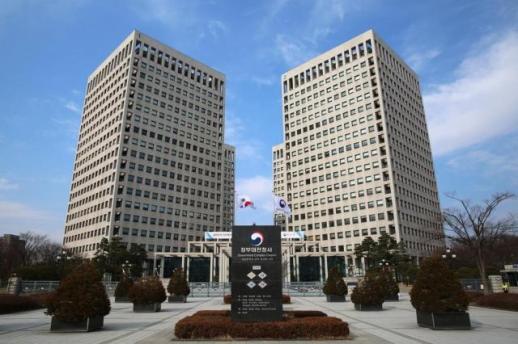 Public Procurement Agency Aims to Elevate Private Sector Innovations to Global Unicorns The Procurement Agency is ramping up support for procurement policies to help innovative private companies become global unicorns. On May 14, the agency visited robotics and biotechnology innovation companies in Incheon to explore ways to support private innovation through public procurement. Procurement Agency Commissioner Baek Seung-bo visited the company Sheko, which participates in the agency's export-leading pilot purchase program, to observe a product demonstration and discuss regulatory improvements and market expansion strategies. Sheko's "AI-based Water Purification Robot" is capable of recovering and filtering pollutants floating on the surface of oceans and rivers. The product was recognized for its performance through domestic trials with organizations like the Korea Marine Environment Corporation and Saudi Arabia's ARAMCO as part of the agency's pilot purchase program for innovative products in 2023. This year, the company is negotiating export contracts with several countries, including the United States and Singapore. "The core of innovative procurement is to validate creative products from private companies in the public market and grow them into global unicorns, with Sheko being a prime example," Baek said. He added, "We will strive to ensure that K-procurement products become the standard in the global market by utilizing overseas verification support and the innovative product pilot purchase system." Before the site visit, the agency held a "Public Procurement Guide Performance Sharing Conference" at the Incheon Regional Procurement Agency auditorium. The event shared success stories from three novice companies that faced challenges entering the public procurement market and facilitated discussions with seven promising companies currently receiving consulting support. The Procurement Agency plans to expand its public procurement consulting services based on this conference. It aims to assist companies in entering the procurement market and achieving results through tailored support. The agency previously introduced the Public Procurement Guide Consulting System in 2024 and designated 34 consulting specialists to operate the program. Additionally, a meeting with MZ generation employees was held that day. Baek stated, "We will make the voices and ideas of employees from the field and the MZ generation a core driving force of our policies."* This article has been translated by AI. 2026-05-14 14:52:56
 -
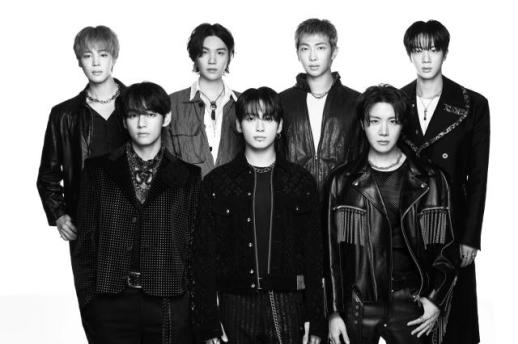 BTS to Perform at 2026 World Cup Halftime Show with Madonna and Shakira BTS will take the stage at the halftime show of the 2026 FIFA North America World Cup final. This marks the first time a halftime show will be held during a FIFA World Cup final, with BTS co-headlining alongside Madonna and Shakira.According to Global Citizen and FIFA on May 14, BTS will perform at the halftime show on July 19 at the New York New Jersey Stadium.FIFA and Global Citizen aim to expand their reach to global audiences through a performance that combines sports, music, and culture. The event will also promote the FIFA Global Citizen Education Fund, which seeks to enhance access to quality education and sports for children in underserved communities worldwide.BTS expressed their excitement through their agency, Big Hit Music, stating, "It is a great honor to perform on such a meaningful stage that brings the world together. We believe music is a universal language that conveys hope and unity. It is even more significant to share this message with global audiences through the World Cup and contribute to expanding educational opportunities for children."The halftime show will be produced by Global Citizen and broadcast live worldwide, featuring Chris Martin of Coldplay as the curator. Characters from 'Sesame Street' and 'The Muppets' will also be part of the lineup, promising a performance enjoyable for all generations.BTS has a history of collaboration with Global Citizen. The group performed at Global Citizen LIVE in 2021, and Jungkook took the stage at the Global Citizen Festival in 2023. He also contributed to the official soundtrack 'Dreamers' for the 2022 Qatar World Cup and performed at the opening ceremony.BTS is currently on a world tour, having recently held concerts in Mexico City at Estadio GNP Seguros on May 7 and 9-10, where they met with approximately 150,000 fans. This marked their first full group concert in Mexico in nearly 10 years, with all three shows sold out.Following their Mexico performances, BTS will continue their world tour with shows at Stanford Stadium on May 17-18 and 20.* This article has been translated by AI. 2026-05-14 14:50:32
 -
 Krafton Reports Success of Parental Support Program, Births Nearly Double Krafton has revealed the results of its parental support program after one year, reporting that the number of births among employees has nearly doubled, and employee satisfaction has increased. The creation of a family-friendly work environment has been linked to changes in perceptions about childbirth and improved employee morale. On May 14, Krafton announced that from January to April, 46 babies were born to employees, a nearly twofold increase compared to the same period last year. Since January 1 of last year, Krafton has provided up to 100 million won (approximately $85,000) per child to employees who give birth. This includes a birth incentive of 60 million won and annual childcare support of 5 million won until the child turns eight, totaling 40 million won. As of April, Krafton has distributed birth incentives to about 150 employees. Last year, approximately 400 employees received childcare support. The company has also focused on enhancing non-cash benefits. Initiatives include remote work for child care, extending parental leave to a maximum of two years, providing leave for prenatal checkups for spouses, and automating the hiring of substitute staff during parental leave, all aimed at creating a better work-life balance. Krafton is currently conducting joint research with the Population Policy Research Center at Seoul National University to analyze the practical effects of its programs. The study indicates that cash incentives, such as birth bonuses, serve more to convey the company's sincerity in addressing low birth rates rather than being direct factors in the decision to have children. About 83.4% of survey participants felt the company's family-friendly message was genuine. In contrast, non-cash support measures, such as remote work for child care and expanded parental leave, have been found to reduce psychological burdens related to childbirth and parenting while enhancing work engagement. Choi Jae-geun, Krafton's General Executive Officer, stated, "This research confirms that when companies actively participate in solving social issues, they can create tangible changes. We will continue to foster an organizational culture that supports both work and family through our parental support programs." Krafton plans to further enhance its parental support initiatives and actively engage in addressing the low birth rate issue while strengthening its commitment to corporate social responsibility. 2026-05-14 14:48:21
 -
 Samsung Life Reports Q1 Net Profit of 1.2 Trillion Won, Up 89.5% Year-on-Year Samsung Life announced on May 14 that it recorded consolidated revenue of 14.72 trillion won and a net profit of 1.20 trillion won for the first quarter of this year. These figures represent increases of 75% and 89.5%, respectively, compared to the same period last year. The improvement in performance was driven by increased investment income, which rose to 1.27 trillion won, a 125.5% increase year-on-year. This growth was attributed to higher dividend income and increased profits from subsidiaries. Notably, separate investment service income surged by 289% to 774 billion won. However, insurance service income decreased by 7.7% to 256.5 billion won compared to the previous year. While the profit margins from insurance contracts (CSM) and risk adjustments remained stable, losses related to insurance payouts and business expenses widened. The discrepancy in insurance payouts increased from a loss of 46 billion won in the first quarter of last year to a loss of 56 billion won this year. The new contract CSM continued its upward trend, reaching 848.6 billion won, an 11% increase from the previous quarter, with a CSM multiplier of 11.4 times. This growth reflects the expansion of health insurance sales and the effectiveness of both exclusive and non-exclusive channels, with health insurance accounting for 66% of total sales. The number of exclusive agents rose by approximately 1,500 to 44,373 since the beginning of the year. Samsung Life has been recognized for achieving a leading level of channel competitiveness in the industry. In the asset management sector, the company stated it is maintaining a comprehensive asset-liability management (ALM) strategy while diversifying its assets. The total assets under management in the general account amounted to 265 trillion won. The increase in stock assets was influenced by rising stock prices, and the duration gap was managed at approximately 0.8 years. The solvency ratio (K-ICS) improved to 210%, up 12 percentage points from the end of last year, reflecting an increase in available capital due to rising interest rates and stock prices, as well as the impact of new contracts. The basic capital K-ICS ratio also rose to 170%.* This article has been translated by AI. 2026-05-14 14:39:28