
Journalist

Elizabeth Englezos
-
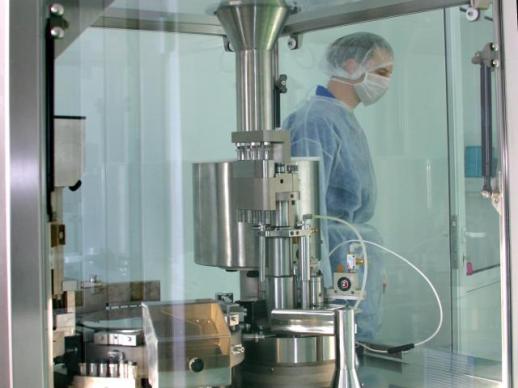 S.Korea bio clinical trials surge in Q1, half near commercialization SEOUL, April 21 (AJP) - South Korea approved more than 50 biopharmaceutical clinical trials in the first quarter of 2026, with late-stage candidates accounting for the majority of the pipeline, according to the Korea Biomedicine Industry Association. The association revealed Tuesday that 53 trials received approval between January and March, averaging about 17.7 approvals per month. Multinational trials dominated the period, comprising about 87 percent of the total, or 46 cases. Late-stage trials — including phase 3, phase 3b and phase 2/3 — numbered 28, accounting for about 53 percent of all approvals, pointing to a pipeline clustered around near-term commercialization. Antibody-based therapies led by modality, with monoclonal antibodies, bispecific and trispecific antibodies, polyclonal antibodies and antibody-drug conjugates (ADCs) making up more than 80 percent of approvals at 43 cases. Monoclonal antibodies and bispecific antibodies anchored the field, with 19 and 14 cases respectively, both concentrated in late-stage development. ADCs, with seven cases across seven products, spanned early- and late-stage trials, reflecting their emergence as a next-generation antibody-based therapeutic class. Oncology was the dominant indication, accounting for about 49 percent of approvals. However, domestic developers accounted for only about 19 percent of approvals, with foreign-led trials making up the remainder. BioNTech's bispecific antibody pumitamig led individual investigational drugs with five approvals, spanning indications including non-small cell lung cancer, triple-negative breast cancer, and gastroesophageal cancer. 2026-04-21 09:34:07
 -
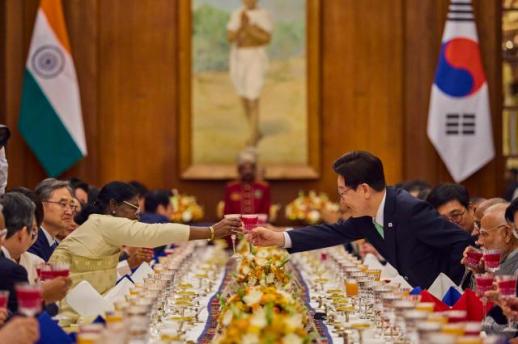 Korea Inc. doubles down on Global South push for energy and trade security SEOUL, April 21 (AJP) - South Korea has coupled state diplomacy with corporate investment in a Global South strategy anchored on India and Vietnam, aiming to secure new growth engines while hedging against rising protectionism in Western markets and energy shocks from the Gulf, underscored by the two-month conflict in the Middle East. The six-day trip by President Lee Jae Myung from April 19 to 24 was accompanied by a 200-strong business delegation including the owner-chairmen of Samsung, Hyundai Motor Group, SK and LG, marking a coordinated push to deepen ties with key emerging partners while reducing exposure to Middle Eastern energy disruptions. In New Delhi, Lee met Prime Minister Narendra Modi and attended a bilateral business forum attended by about 600 executives, where the two sides signed around 20 memorandums of understanding spanning steel, shipbuilding, energy and digital infrastructure. Steelmakers POSCO and JSW Group on Monday signed a final agreement to advance a long-delayed joint venture steel mill project in Odisha, targeting completion by 2031 with an annual crude steel capacity of 6 million tons, as India — the world’s most populous country — posts steel demand growth of around 10 percent. Seoul’s pivot comes as Asia’s heavy reliance on Middle Eastern oil and gas has been laid bare by disruptions to shipments through the Strait of Hormuz, a critical chokepoint that has been effectively crippled for nearly two months. “Seeking diversification of energy supply chains is also a shared task that our two countries must solve together,” Lee said in an interview with Indian media, framing energy security as a central pillar of the trip. Industry officials say the dual stop reflects a deliberate division of roles, with India positioned as a large-scale consumer market and potential energy partner, and Vietnam as a key manufacturing base as companies accelerate supply-chain diversification away from China. India, with a population of about 1.5 billion and annual growth near 7 percent, is increasingly viewed not only as a demand engine but also as a platform for industrial and energy cooperation, including refining capacity and next-generation energy technologies. Vietnam, meanwhile, has already emerged as a core production hub for Korean firms, with Samsung producing more than half of its global smartphone output there while expanding into higher-value areas such as semiconductor packaging. Major conglomerates are aligning closely with the government’s strategy. Samsung Electronics is exploring expanded cooperation with Reliance Group beyond telecommunications into semiconductors, artificial intelligence and potentially energy-linked projects. Hyundai Motor Group is seeking to make India its second-largest market after the United States by 2030, while stepping up investment in electric vehicle production and infrastructure. SK Group is reviewing partnerships in hydrogen and carbon capture, and LG Group is expanding manufacturing and consumer electronics operations across both countries. Companies are also pursuing projects tied to renewable energy, smart grids and next-generation technologies such as small modular reactors, reflecting a broader shift in which energy security is increasingly embedded in industrial strategy. Korean firms, however, face stiff competition from Japan, which has built a stronger and longer-standing investment presence in both India and Vietnam. While India and Vietnam cannot fully replace South Korea’s dependence on Middle Eastern energy in the near term, officials and industry executives see them as critical to building more resilient supply chains and securing future growth. The visit signals a broader shift in Korea’s economic approach, as the government and corporations move beyond cost-driven globalization toward a model that prioritizes diversification, resilience and strategic partnerships in an increasingly fragmented global economy. 2026-04-21 07:44:32
 -
 Mortgage Balances at South Korea’s Top Banks Hit 2026 High as Homebuyers Rush In Mortgage loan balances at South Korea’s five largest commercial banks rose by more than 5 billion won in about two weeks, as borrowers rushed to extend loans ahead of tighter rules and as spring moving demand picked up. According to the financial sector on the 21st, mortgage balances at KB Kookmin, Shinhan, Hana, Woori and NH NongHyup stood at 610.8792 trillion won as of April 16. That was up 5.453 billion won from the end of last month and the highest level this year. The five banks’ mortgage balances were 611.6081 trillion won at the end of December, then fell sharply to 610.1245 trillion won at the end of January. They then moved back and forth, reaching 610.7211 trillion won at the end of February and 610.3339 trillion won at the end of March. With mortgages rising, total household lending at the five banks also increased. As of April 16, the balance was 766.4928 trillion won, up 7.637 billion won from the end of last month. Analysts said the renewed increase in mortgages this month reflects heavy spring relocation demand and a rush tied to upcoming policy changes. With a ban on apartment-backed loans for multi-homeowners and the end of a temporary suspension of heavier capital gains taxes for multi-homeowners set for May 9, apartment prices have adjusted and buying interest has expanded again. In Seoul, price gains have become more pronounced in outlying areas with many mid- to lower-priced complexes. In the Korea Real Estate Board’s weekly apartment price survey for the second week of April (as of the 13th), Gangbuk-gu posted the biggest increase in Seoul, with the weekly rise widening to 0.27% from 0.16% a week earlier. Gangseo-gu (0.24%), Dongdaemun-gu (0.20%), Seongbuk-gu (0.20%), Seodaemun-gu (0.20%) and Guro-gu (0.17%) also continued to climb. Transaction activity has also picked up. Data from the real estate big-data platform Asil and the Transport Ministry’s transaction disclosure system showed that, among the 50 most-traded Seoul apartment complexes from Feb. 1 to April 20, 46 — or 92% — were in outlying districts such as Nowon, Dobong and Eunpyeong; Geumcheon, Gwanak and Guro; Gangseo; and Jungnang. Nowon had the most, with 22 complexes, followed by Gwanak, Gangbuk, Seongbuk and Dobong. A modest easing in mortgage rates this month also appears to have supported demand. The five banks said their average fixed mortgage rates stood at 4.14% to 6.74% as of the 21st, compared with 4.42% to 7.02% on March 31, with the upper end down 0.26 percentage points. The change reflected a drop in the five-year AAA unsecured financial bond yield — a key benchmark for fixed mortgage rates — to 3.865% as of April 17 from 4.051% at the end of last month. Last month, banks’ lending rates kept climbing, with the upper end topping 7%, as market rates jumped after international oil prices surged amid a U.S.-Iran clash. This month, rates have eased as expectations grew for an end to the war after U.S. President Donald Trump repeatedly mentioned the possibility of a ceasefire agreement with Iran. A bank official said that with rates slightly lower than last month and the housing market entering a period of adjustment ahead of new regulations, demand appears to be rising for buyers seeking bargain listings. The official added that while trends may differ by bank, overall mortgage balances are likely to keep increasing for the time being.* This article has been translated by AI. 2026-04-21 06:03:39
 -
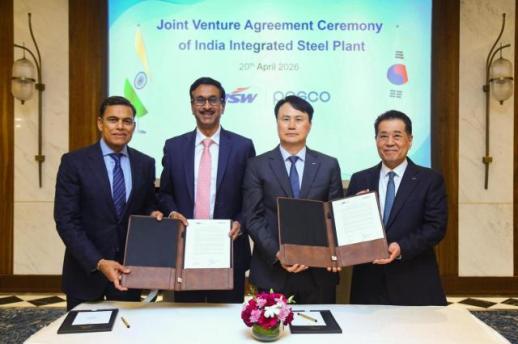 Korea's Posco and India's JSW to build $7.3 billion steel plant in Odisha SEOUL, April 20 (AJP) -South Korean steel giant Posco Group is launching a joint venture with India’s JSW Steel to build an integrated steel plant in eastern India at a combined cost of 10.7 trillion won ($7.3 billion), putting a long-delayed project in one of the world’s fastest-growing steel markets firmly on track. The South Korean steelmaker said Monday the two companies signed a final agreement in India under a 50:50 partnership structure, with Posco committing about 5.36 trillion won for its share of the project. The plant will be built in Odisha and is targeted for completion in 2031. The planned facility will be a full-process integrated steel mill with 6 million tons of annual crude steel capacity, equipped with ironmaking, steelmaking, hot-rolling, cold-rolling and galvanizing lines capable of producing high-value premium steel products. The partnership will be executed through Saffron Resources Private Limited, a wholly owned subsidiary of JSW Steel. Posco said the site was chosen for its proximity to iron ore resources and for access to logistics and power infrastructure. The deal marks a decisive step in Posco’s long pursuit of an upstream steelmaking foothold in India, a market it has eyed since 2004 but where repeated attempts were stalled by difficulties including partner selection and land acquisition. The company said the latest agreement moves the project into full execution after a memorandum of understanding signed in 2024 and a heads of agreement reached last year. Posco is betting that India’s rapid economic growth, urbanization and manufacturing expansion will continue to drive robust steel demand, particularly in higher-margin segments such as automotive and appliance steel. The company noted that steel consumption growth in India has exceeded 10 percent annually for several years, supporting rising demand for value-added products. The two companies are also reviewing ways to build a lower-carbon production system by combining Posco’s low-carbon steelmaking and smart factory technologies with JSW’s renewable energy infrastructure. Part of the electricity supply for the mill could come from renewable sources, in line with India’s green steel classification framework, POSCO said. The project fits into Posco’s broader strategy of building localized production networks to cope with rising protectionism and shifting global supply chains. Alongside the India investment, the group has also pursued equity participation in a steel plant in Louisiana and cooperation with Cleveland-Cliffs in the United States. At home, it said it is focusing on moving further up the value chain and on applying AI and robotics to intelligent factory operations, as well as developing Korean-style hydrogen-based steelmaking. “Through this joint investment, we will combine Posco’s innovative steel technology with JSW Group’s strong local competitiveness,” Posco CEO Lee Hee-geun said. “We will also strive to create future value, and contribute to the industrial development and economic growth of both countries.” JSW Steel CEO Jayant Acharya said the partnership would strengthen India’s steel ecosystem and reinforce the country’s industrial value chain. 2026-04-20 20:37:21
 -
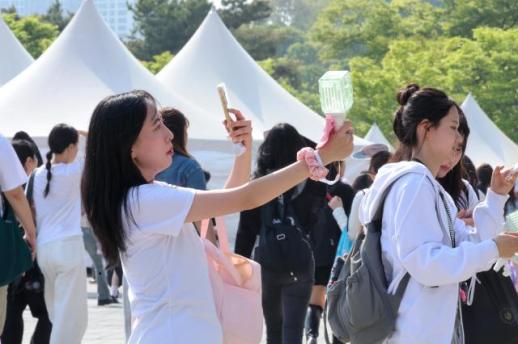 K-pop band NCT WISH heat up Seoul dome stadium with encore concert SEOUL, April 20 (AJP) - The courtyard of the KSPO Dome in southern Seoul was a sea of colorful outfits and posters on Sunday, buzzing in a state of suppressed excitement. Thousands of fans stood in long lines under a torching, late spring sun, clutching lightsticks and merchandise with the sternness of warriors before battle. They were there for the final stop of the first solo tour by the boy band NCT WISH, an event that has become a focal point for the latest phase of the expansion strategy of SM Entertainment. "Section H and I, please enter through Gate 2-1 in an orderly fashion." The long wait was occasionally broken by announcements ringing through the courtyard as fans were notified to enter the dome section by section. While masses rushed into the building, those on standby spent the remaining time trading photo cards or engaging in silent group choreography. Inside the arena, the atmosphere shifted. Fans did not hesitate to drop their composure, filling the space with noise in anticipation of rumors that the group would unveil unreleased songs during the Seoul finale. The three-night engagement drew 33,000 attendees, selling out every seat including those with restricted views. While the presence of photo zones and lottery events kept the crowd engaged, the venue itself provided the broader industrial context. The KSPO Dome, which has a capacity of approximately 15,000, is the definitive benchmark in the live music circuit of South Korea. Reaching this stage signals the transition of an artist into the top tier of the market. For NCT WISH, arriving here marked a compressed, high-velocity ascent from small live halls in early 2024 to the Handball Gymnasium and finally this benchmark arena. This trajectory framed the encore as a strategic checkpoint rather than a mere closing chapter. With their first full-length album, "Ode to Love," scheduled for release on Monday, the group utilized the stage as a live testing ground for new intellectual property. The title track and a second song, "Sticky," were performed for the first time to an immediate response from the crowd. The title track is built around a reworked humming motif from "Ode To My Family" by the Cranberries, blending a familiar melody with a New UK garage-inspired rhythm. The hook proved accessible enough for the audience to echo it back in unison during its debut performance. At a pre-concert press conference, the member Jae-hee described the track as instantly recognizable, noting a deliberate shift toward performance-led promotion by introducing the song visually ahead of its digital debut. The production of the concert leaned into the scale of the venue. A 68-meter-wide LED screen spanned the stage, while temple-inspired sets and kinetic butterfly lighting transformed the arena into a shifting visual landscape. During "We Go!," the members boarded moving stage carts to reach fans in the upper-level seats, physically collapsing the distance between the performers and the edge of the crowd. This emphasis on immersion continued through a series of choreographed sequences, including a winged entrance for the title track and a floating paper boat for the song "WICHU." Near the end of the show, the tone shifted as the members addressed the audience to reflect on a tour that spanned 18 cities and 30 shows across Asia. "You say we're your wish—but you are ours," the members told the fans. What began in Kaohsiung and traveled through Bangkok and Jakarta concluded in Seoul with a sense of acceleration. The forward trajectory outlined onstage was reinforced ahead of the show. During a pre-concert press conference, member Sakuya pointed to Japan as the group’s next strategic milestone, noting that while NCT WISH had already held its first arena-scale performances in the country, the long-term goal remains a Tokyo Dome debut. "We’ve only been active for about two years, but we were grateful to perform in arenas in Japan," adding "We haven’t stood on the Tokyo Dome stage yet that’s our next goal." NCT WISH releases its first full-length album "Ode to Love" at 6 p.m. on Monday across major streaming platforms. The album features 10 tracks, led by the title song and "Sticky," both of which were previewed during the sold-out encore engagement. 2026-04-20 19:15:44
 -
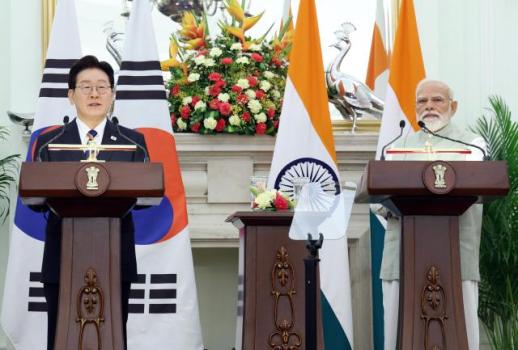 Lee, Indian PM Modi agree to upgrade CEPA, target $50 bln trade SEOUL, April 20 (AJP) - President Lee Jae Myung and Indian Prime Minister Narendra Modi agreed Monday to continue negotiations to upgrade their bilateral trade pact with the aim to double two-way trade to $50 billion by 2030. At a summit held during Lee’s state visit to India, the two leaders announced they would resume talks on upgrading the Comprehensive Economic Partnership Agreement (CEPA) in May, seeking to modernize the framework in response to evolving supply chain and trade conditions. “We agreed to speed up the negotiations to upgrade our CEPA to create more favorable trade and investment conditions and better respond to the changing trade environment,” Lee said during a joint press statement. Modi also emphasized strengthening economic cooperation. “We have set a target to take bilateral trade to $50 billion by 2030,” Modi said, adding that the two sides would work to upgrade the trade agreement and expand economic ties. The leaders agreed to broaden cooperation across strategic sectors including shipbuilding, finance, artificial intelligence and defense, while also strengthening cultural and people-to-people exchanges. “We have agreed to expand cooperation in strategic industries such as shipbuilding, finance, AI and defense, and promote cultural and people-to-people exchanges,” Lee said. As part of efforts to institutionalize economic cooperation, the two countries agreed to establish an “Industrial Cooperation Committee,” their first ministerial-level platform dedicated to economic collaboration. Lee said the body would help strengthen cooperation not only in trade and investment but also in strategic areas such as critical minerals, nuclear energy and clean energy. The two sides also signed a memorandum of understanding on port cooperation, establishing a framework that covers port infrastructure development and personnel exchanges. “In the field of shipbuilding, we aim to bring together the outstanding technology of Korean businesses and the policy support of India’s central and local governments so that Korean companies can seek new opportunities in the Indian market,” Lee said. “In the field of finance, cooperation between financial authorities will serve as a foundation for Korean financial institutions to enter India,” he added. The two countries will expand cultural cooperation, including the establishment of a “Korea Center” in Mumbai, which is expected to serve as a hub where K-pop and Bollywood intersect. The leaders also exchanged views on regional and global issues, including the situation in the Middle East and on the Korean Peninsula. “We agreed that restoring stability and peace in the Middle East is crucial to global security and the economy,” Lee said. He also briefed Modi on Seoul’s efforts to build peace on the Korean Peninsula and expressed hope that India would continue to play a constructive role in the region. 2026-04-20 18:32:07
 -
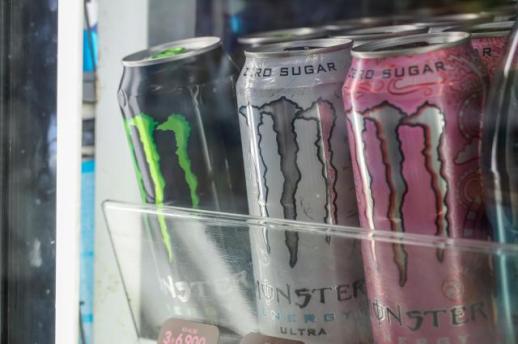 In Korean classrooms, caffeine is the new nicotine SEOUL, April 20 (AJP) - South Korea’s notoriously competitive school system is nothing new. What is more unsettling is this: for many teenagers, caffeine may now pose a greater risk than nicotine. High school senior Yoo Seung-ho drinks two cans of Monster Energy a day — which he considers moderate. “Some of my classmates drink up to five,” he said. Among Korean teenagers, energy drinks have become almost synonymous with studying. “My nephew drinks one or two energy drinks a day,” said Kim S.Y., in her 50s, as she waited outside a library on a rainy afternoon. “These days, kids seem to consume more energy drinks than coffee. They say they’re stronger.” The surge is also visible in the market. Energy drinks generated roughly $2 billion in sales last year — approaching one-third the size of South Korea’s carbonated soft drink market, estimated at $5 billion to $5.5 billion. Yet caffeine dependence may be only the visible layer of a deeper problem. Experts warn that reliance on high-caffeine drinks is increasingly overlapping with the non-medical use of prescription drugs — particularly attention-deficit/hyperactivity disorder (ADHD) medication — to boost concentration. “Strengthening insurance coverage rules or restricting prescriptions can be effective,” said Han Euna, a professor of health economics and pharmaceutical health services research at Yonsei University. She compared the situation to phentermine, an appetite-suppressant drug, where misuse declined significantly after tighter guidelines were introduced. Data suggest the scale of caffeine consumption is already widespread. A 2026 report by the National Youth Policy Institute found that 61.2 percent of teenagers consume high-caffeine beverages at least once a month, with more than half citing the need to stay awake while studying. The pattern becomes more concerning among frequent users. According to the Korea Disease Control and Prevention Agency’s 2025 Youth Health Behavior Survey, 21.9 percent of male students and 21.2 percent of female students reported consuming such drinks at least three times a week. Health authorities recommend a maximum daily caffeine intake of 2.5 milligrams per kilogram of body weight for adolescents — roughly 150 milligrams for a 60-kilogram individual. A single can of an energy drink typically contains 60 to 100 milligrams, meaning that multiple cans can quickly exceed safe limits. “Caffeine can provide a temporary boost in alertness, but over time the body builds tolerance, requiring higher doses to achieve the same effect,” said Yu Yun-mi, a professor in the Department of Pharmacy at Yonsei University. “It disrupts REM sleep and lowers overall sleep quality.” Excessive intake may also trigger gastrointestinal issues such as gastritis and acid reflux at an early age, raising the risk of ulcers later in life. In more severe cases, it can lead to anxiety and cardiac arrhythmias. The concern deepens when looking beyond caffeine. An National Youth Policy Institute survey of 3,384 middle and high school students found that 5.2 percent had used substances — including ADHD medication, appetite suppressants, sleeping pills and anti-anxiety drugs — for non-medical purposes. That exceeds the 4.2 percent who reported ever smoking. Among those, 24.4 percent said they had used ADHD medication in the past six months, followed by appetite suppressants (20 percent) and both sleeping pills and anti-anxiety drugs (13.3 percent each). For some, use is not occasional. Among students who had taken ADHD medication in the past six months, 23.1 percent reported using it more than 20 times a month. A commonly prescribed ADHD drug, Methylphenidate, stimulates the central nervous system but can cause side effects including insomnia, irritability, appetite loss and abdominal pain. As perceptions spread that such drugs enhance concentration, usage appears to be shifting from experimentation to deliberate academic performance enhancement — a trend experts link directly to the pressures of South Korea’s college entrance system. Yu warned that using ADHD medication without proper diagnosis is particularly dangerous. “Such drugs are intended for patients with clinically diagnosed conditions and carry significant side effects,” she said. “When used by individuals without ADHD, the risks are even greater.” Prolonged use may suppress growth and increase blood pressure and heart rate. Combined with high caffeine intake, the risks can intensify further. Amid rising concerns, the Ministry of Food and Drug Safety said in May 2025 that it would expand a system requiring doctors to check a patient’s prescription history before prescribing certain medications. The measure was extended to include methylphenidate from June 27, 2025. 2026-04-20 18:04:23
 -
 Samsung Biologics Makes Debut at AACR, Targeting Early-Stage Oncology Clients Samsung Biologics is taking part for the first time in the American Association for Cancer Research (AACR), one of the world’s largest cancer conferences. With AACR focused on preclinical and early clinical-stage research, the company aims to promote its contract research, development and manufacturing (CRDMO) capabilities and win clients in the early phases of drug development. According to the industry on April 20, AACR is considered one of the world’s three major cancer meetings, along with the American Society of Clinical Oncology (ASCO) and the European Society for Medical Oncology (ESMO). This year’s event is expected to draw more than 22,000 cancer researchers and pharmaceutical and biotech industry participants from about 140 countries. The meeting runs April 17-22 (local time) at the San Diego Convention Center in California. Samsung Biologics said it is seeking to secure early-stage customers by starting collaboration when demand is high for contract research (CRO) and contract development (CDO), then carrying projects through to commercial production — an approach it described as an “early lock-in” strategy. Jung Hyung-nam, vice president and head of Samsung Biologics’ Bio Research Center, said the company will “provide CRO and CDO services from the early development stage of innovative new drugs and establish ourselves as a trusted partner in drug development.” At AACR, Samsung Biologics has prepared a promotional booth as well as oral and poster presentations. On April 21, Alexis Santana, organoid sales director, will present on “Samsung Organoid: Enhancing Clinical Relevance in Anticancer Drug Development,” outlining how organoid services with high patient similarity could improve the success rate of drug development. The company will also present posters featuring data showing that Samsung Organoid reproduces patients’ genetic characteristics and drug responses and demonstrates a high correlation with clinical outcomes, along with a separate poster on the therapeutic and manufacturing efficiency of its bispecific antibody platform, S-DUAL.* This article has been translated by AI. 2026-04-20 17:49:34
 -
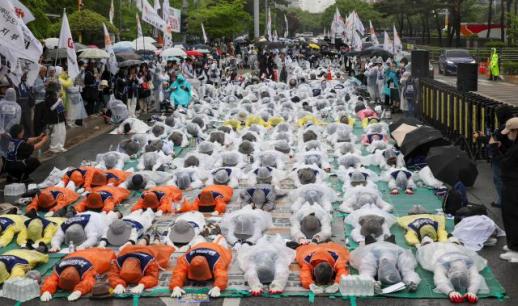 Rally in Seoul raises awareness for people with disabilities SEOUL, April 20 (AJP) - A nationwide association of parents of children with disabilities held a rally in front of the National Assembly in Yeouido, Seoul on Monday. The rally was held to mark the day for the physically challenged, observed annually on April 20 since 1981, to raise awareness of people with disabilities and better protect their rights. At the rally, participants held a procession that included taking three steps and one bow, a Buddhist practice of prostration that is also considered a form of peaceful protest. Monday's rally follows similar processions held in about 17 provincial cities since late last month, which led to meaningful outcomes including government pledges to take full responsibility for people with disabilities through increased state support and to investigate care facilities for any cases of abuse and harassment. 2026-04-20 17:48:04
 -
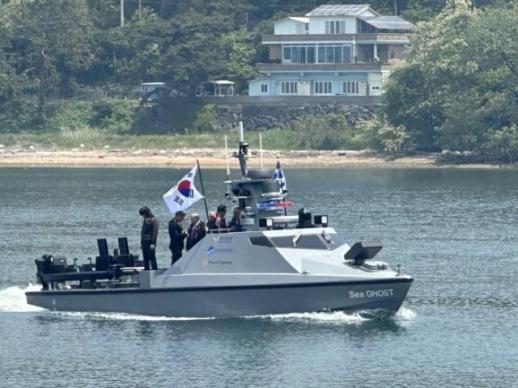 Seoul pushes fleet of war robots but who's in charge over them unclear SEOUL, April 20 (AJP) - Unmanned systems are rapidly reshaping modern warfare, from the battlefields of Ukraine to the Gulf, and South Korea is accelerating its push toward autonomous combat capabilities under its “Army Tiger 4.0” modernization drive. The initiative reflects a broader shift across the military, as the Army, Navy and Air Force each move to build their own unmanned fleets. But a central question remains unresolved: who commands this expanding ecosystem of robots across land, sea and air. Under Army Tiger 4.0, the future battlefield envisions “non-bleeding” robots moving first, with human soldiers positioned one step back. Unmanned ground vehicles (UGVs) and drones are designed to scout, transport supplies and even fight on the front line. A multipurpose UGV — with Hanwha Aerospace and Hyundai Rotem competing for selection as early as June — is a key pillar of the plan. Progress so far had been limited. In a 2023 study, defense scholars Kim Dong-beom and Kim Ho-sung said autonomous efforts were still at the “demonstration and limited experimentation” stage and that “widespread fielding across multiple echelons has yet to be achieved.” They added that turning Army Tiger 4.0 into routine practice “will require long-term force restructuring, sustained investment and iterative validation through exercises,” rather than one-off trials. Structural issues compound the challenge. Jung Yeon-bong of the Institute for National Security Strategy pointed to “the absence of a real control tower,” as well as a continued reliance on “platform-by-platform procurement” and service-centric development. A separate study by Baek Seoung-jin and Bae Hack-young of the Korea Association of Defense Industry Studies found that systems are still being developed in “separate stovepipes,” leaving doctrine and training “several steps behind the speed of technological change.” Navy: toward a “ghost fleet” At sea, the Navy is pursuing a similar transformation through its “Sea GHOST” program — a hybrid force combining crewed warships with unmanned surface vessels (USVs), underwater drones and aerial systems. These systems are designed to take on high-risk missions such as mine clearance, surveillance and tracking enemy vessels. The long-term vision includes a “mothership” capable of controlling multiple unmanned platforms and eventually a dedicated unmanned command. Development, however, remains fragmented. Different programs use incompatible software and data systems, making it difficult to operate them as a unified fleet — a recurring problem across services. Companies including LIG Nex1, Hanwha Systems and HD Hyundai Heavy Industries are racing to develop combat-ready USVs, with deployment targeted in the 2030s. Air Force: manned fighters with unmanned wingmen In the air, the South Korean Air Force is placing unmanned systems at the core of future combat operations. The concept pairs manned jets such as the KF-21 Boramae with “loyal wingmen” — unmanned aircraft that can perform reconnaissance, electronic warfare and strike support. The government is developing a “Korean-style MUM-T” architecture to enable this integration, targeting an open framework by 2028. But the gap between concept and deployment remains significant. Researchers at the Korea Research Institute for Defense Technology Planning and Advancement said current programs are still “in the phase of technology verification and concept demonstration.” They warned that large-scale exercises combining manned and unmanned aircraft under realistic electronic-warfare conditions “have been very limited so far.” A further constraint is operational: without secure communications networks — including beyond-5G links and low-Earth-orbit satellite relays — “AI-driven MUM-T and CJADC2 cannot function as intended in real war,” one defense expert said. Across all domains, the same problem emerges — fragmentation. Experts say South Korea lacks a unified command structure to coordinate unmanned systems development across the services. The result is parallel programs rather than an integrated force. The experience of the Drone Operations Command underscores the issue. Established in 2023, it faced criticism for overlapping roles and limited effectiveness, leading to restructuring in early 2026 rather than expansion. Some analysts argue that South Korea needs a smaller, joint unmanned task force capable of rapid experimentation — closer to models seen in Ukraine and the United States, where frontline units quickly adapt and scale technologies based on battlefield feedback. 2026-04-20 17:45:15