

Journalist

Gourangalal Das
-
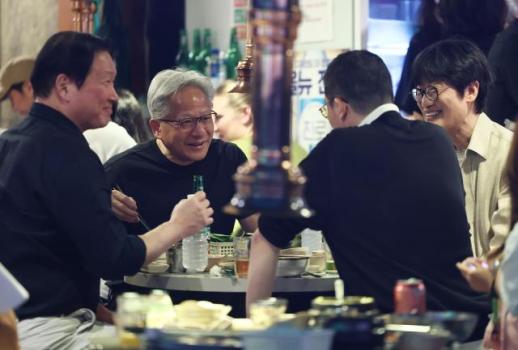 Jensen Huang's Leadership Reflected in a Simple Meal In the first weekend of June 2026, a humble pork belly restaurant in Seoul unexpectedly drew global attention. The reason? Jensen Huang, CEO of NVIDIA and a leader in the AI revolution, was seated among the bustling after-work crowd. Dressed in a black leather jacket, he was grilling pork belly and sharing drinks with officials from LG Electronics, Naver, and SK Hynix, all while smiling brightly. At first glance, he appeared to be just another office worker enjoying dinner with old friends, but he is, in fact, one of the most scrutinized figures in the global capital markets.Interestingly, this scene was no coincidence. Huang has long demonstrated a unique management style. He has been spotted enjoying pepper buns at night markets in Taiwan, visiting hawker centers in Singapore, and dining at modest ramen shops in Japan. In Hong Kong, he frequents local favorites, and in Korea, he opts for pork belly. What drives a billionaire CEO to seek out street food and casual dining? Is it merely a matter of taste, or is there a deeper strategy and philosophy at play?His appearance at the Seoul pork belly restaurant was far from the typical image of a global corporate leader. Smoke from grilling meat wafted through the air as busy waitstaff rushed to serve plates. Huang flipped the meat with a smile, and those at the table engaged in lively conversation. He resembled a neighborhood big brother rather than the head of the world’s leading AI company. Yet, it was this very naturalness that resonated with people. While discussions about AI and semiconductors may be complex, the act of sharing a meal of pork belly is universally relatable.Global Dining PatternsA closer look at Huang's dining choices reveals a consistent pattern.First, he seeks out supply chain hubs. Taiwan, where he enjoys pepper buns, is the center of the world's largest foundry industry, while Korea, where he dines on pork belly, is a leading producer of high-bandwidth memory (HBM). Singapore serves as a hub for the data center industry, and Japan is critical for advanced materials and equipment. In other words, Huang's dining venues are not merely tourist spots but the heart of the AI industry's supply chain.Second, he opts for casual dining over fine dining. While many global CEOs might prefer high-end hotel banquets or private dinners, Huang takes the opposite approach. He enters spaces filled with the aroma of home-cooked meals. Pork belly, noodles, and ramen are universally understood languages. While advanced AI technology may be complex, food is simple. People may not remember the structure of a data center, but they will recall grilling pork belly.Third, he always engages in fan service. At the Computex event in Taiwan, he is surrounded by admirers like a rock star. Young developers and students line up for his autograph and wait long to take a photo with him. Such scenes are rare for a corporate CEO. However, today, Huang has become a symbol of the AI revolution.Dining as Supply Chain DiplomacyMany view dining as simply a meal. However, in the international business world, meals often hold more significance than meetings. Historically, important diplomatic breakthroughs have frequently occurred over dinner rather than in conference rooms.The corporate world is no different. Huang's dining experiences can be seen as a form of supply chain diplomacy. He bridges gaps with people through food, setting aside complex technical jargon and contracts to engage in human-to-human interactions. It is in these moments that the future direction of industries is discussed.People see pork belly, but what is truly in motion is a supply chain worth trillions. They see pepper buns, but behind them, the future of the AI industry is being shaped. While dining may appear as a friendly cultural activity, it encapsulates cold industrial strategies and global management philosophies.Why People Adore Jensen HuangWhy do people today idolize Jensen Huang? It is not solely because he is a successful businessman. Many wealthy individuals and famous CEOs exist, yet not all become public stars.People appreciate Huang because he comes across as relatable. He does not present himself as a special figure. He wears a black leather jacket, eats street food, and takes photos with ordinary people. Despite being the CEO of a leading global company, he maintains an approachable demeanor.Another key reason is his ability to articulate a vision for the future. He does not stop at explaining GPUs; he illustrates the world that AI will create. He sells dreams rather than just technology, sharing visions instead of mere numbers. People are moved by stories rather than technology and are inspired by hope rather than data. Huang understands this better than anyone.Lessons for Korean LeadersHere lies a point for leaders in our society to reflect upon. Today, many politicians, business leaders, and public officials are becoming increasingly distant from the public. While explanations have increased, empathy has diminished; authority remains, but approachability has faded. Citizens no longer respect titles alone, nor do they trust power alone. They seek authenticity and communication skills.Of course, leaders cannot gain popularity simply by forcing themselves to dine with the public. The key lies in attitude. It is essential to strive to connect with people, to align with the perspectives of citizens and customers, and to choose communication over authority.This is especially important for leaders in their 40s, 50s, and 60s. As people age, they tend to rely on past successes and depend on titles and authority. However, the AI era is not one of authority but of connection. It is not a time for commands but for empathy. Leadership that fails to win the hearts of citizens, customers, employees, and citizens will not endure.A New Textbook for Leadership in the AI EraAI is transforming the world. Paradoxically, the value of humanity becomes even more crucial in the AI era. Technology may advance, but people still find inspiration in other people. Algorithms can calculate but cannot empathize. Artificial intelligence can provide information but cannot build trust.Thus, leaders in the AI era must possess both technological and human qualities. They should be able to discuss the world’s best technologies while sharing laughs over pork belly, negotiate multi-billion-dollar deals while taking selfies with students, and plan for the future without forgetting the people of the present.Today, South Korea stands at a significant crossroads. AI is not merely a technological revolution; it is a civilizational shift that alters the order of industry, economy, politics, education, culture, and daily life. The leadership required in this era is neither the authoritative leadership of the past industrial age nor the popularity-driven leadership that merely chases public acclaim. It demands insight that can breathe with the people while looking toward the future, strategic thinking that can align with the direction of the nation and businesses while connecting with individuals, and a sense of balance that understands advanced technology without losing sight of humanity.Huang's pork belly and pepper buns may not just be about food. They could be a metaphor for the new leadership required in the AI era. The image of a CEO of a leading global company laughing and taking photos with street people, enjoying food at night markets, and engaging casually with supply chain partners illustrates that, no matter how advanced technology becomes, the true power that moves the world lies with people.AI can mimic human intelligence but cannot replace human trust. Ultimately, it is not technology itself that determines the future but the people who use that technology and the leadership that guides them.South Korea now faces the same question. What kind of leader do we want in the AI era? What kind of entrepreneur do we respect? What kind of society do we wish to create? Will it be a leadership that reigns over people with authority and distance, or a leadership that enters the community, breathes with the people, and designs the future together?The outcome of the AI revolution will not be determined solely by the performance of semiconductors or the scale of data centers. The ultimate measure of national competitiveness will be how much leadership understands people, connects with them, and nurtures their potential.The reason a piece of pork belly and a pepper bun became global topics is precisely that. As the AI era deepens, the value of humanity grows. For South Korea to remain a respected nation in the world, it must evolve into a country of leadership that embodies dignity and trust beyond being a technological powerhouse. This may be the most unexpected yet profound message left by Jensen Huang's dining experiences.* This article has been translated by AI. 2026-06-07 11:12:00
 -
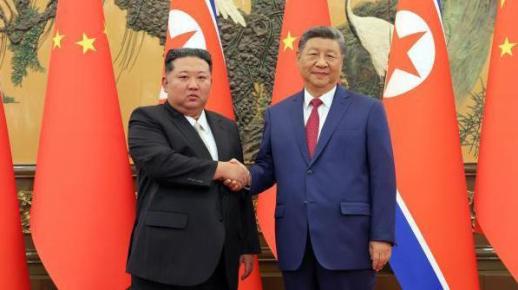 Kim Yo-jong Emphasizes North Korea's Nuclear Status Ahead of Xi Jinping's Visit Kim Yo-jong, Deputy Director of North Korea's Workers' Party, strongly rejected claims from the recent U.S.-China summit that both countries agreed on the goal of denuclearizing North Korea, calling it "a mere game of spreading conventional false information" and emphasizing North Korea's status as a nuclear power. Her remarks are interpreted as an effort to clarify that denuclearization will not be on the agenda for the upcoming North Korea-China summit with Chinese President Xi Jinping. According to the Workers' Party's official newspaper, Rodong Sinmun, Kim made her statements on June 6 in response to comments from a U.S. Trade Representative (USTR) representative who stated that the U.S. remains committed to the goal of denuclearizing the Korean Peninsula. Kim described these remarks as "completely fabricated and absurd misinformation," adding that the U.S. officials' obsession with denuclearization is a strong wish that is not based in reality. Kim asserted, "We possess the most accurate information regarding the existence of such facts." She also referenced the recent approval by the U.S. State Department for the sale of Joint Direct Attack Munitions (JDAM) and related equipment to South Korea, stating, "This is precisely why we are committed to strengthening our self-defense capabilities to ensure national security against the continuous military buildup of hostile forces, and why we must continue to do so in the future." Kim added, "We will never allow the balance of power to be disrupted to safeguard our sovereignty and ensure regional stability and peace," emphasizing that the leader's declared policy of continuously strengthening self-defensive nuclear deterrence must be implemented as an irreversible final conclusion. She stated, "Our status as a nuclear power is an absolute line that cannot be crossed, regardless of who acknowledges it. Nuclear weapons are the most powerful argument in debates with those who value strength. We will not tolerate any threats or compromises regarding our sovereignty and security." Lim Eul-chul, a professor at Kyungnam University's Institute for Far Eastern Studies, analyzed that North Korea is sending a message that its friendly relations with China can only develop under the premise that China recognizes it as a "nuclear power," suggesting that the recognition of nuclear status will be a key point of interest in the upcoming North Korea-China summit.* This article has been translated by AI. 2026-06-07 11:09:00
 -
 Shooting at Ohio Festival Leaves at Least 12 Injured A shooting near a local festival in Toledo, Ohio, has left at least 12 people injured. According to the Associated Press and other reports, the incident occurred around 5:30 p.m. near the Old West End Festival. Toledo Police Deputy Chief Joe Heffernan stated that two of the injured individuals are in critical condition. He noted that there appeared to be at least two shooters involved, suggesting they were likely firing at each other. Authorities are investigating the circumstances surrounding the shooting and are actively pursuing suspects. Witness Kevin Berry told the AP that he heard multiple gunshots while listening to a performance with friends in the festival's arboretum, prompting attendees to drop to the ground. Berry reported that officers stationed at the festival responded immediately, and when he looked up, he saw someone throwing a gun to the ground. He later recounted seeing at least five people with gunshot wounds, stating, "The injured were scattered throughout the arboretum area." The Old West End Festival is a two-day event held in Toledo's historic district, featuring live music, food vendors, house tours, and shopping activities.* This article has been translated by AI. 2026-06-07 11:06:00
 -
 SK Telecom to Hold Lottery for 10,000 Gold Numbers Until June 21 A total of 10,000 easily memorable and business-friendly mobile gold numbers will be available to the public. On June 7, SK Telecom announced that it will conduct its first lottery event of the year for popular 'gold numbers' until June 21. The lottery will include numbers with repeating digits such as 1111 and 0002, numbers with specific meanings like 1004 and 1472, and numbers where the area code matches the last four digits (ABCD-ABCD), totaling nine different types. Individuals can apply for a maximum of three numbers. The gold number lottery is open to existing SK Telecom subscribers, new customers, and those switching from other carriers or mobile virtual network operators (MVNOs). Applications can be submitted at official SK Telecom certified stores and the official online shop, T Direct Shop. Winners will be announced on June 25, and they must complete the registration process between June 29 and July 17 to use their selected numbers. The annual lottery for gold numbers reflects a history of regulatory improvements aimed at preventing the privatization of public resources. In the early days of smartphone adoption, gold numbers were often acquired through personal connections at telecom stores or traded informally online for prices ranging from hundreds of thousands to millions of won. Critics have raised concerns about individuals monopolizing phone numbers for private gain, prompting the government to ban the sale of preferred numbers through a revision of the Telecommunications Business Act implemented in July 2016. Following this legal change, the telecom industry was mandated to hold public lotteries for preferred numbers at least twice a year, with violations subject to fines of up to 30 million won. An industry official stated, "The gold number lottery system represents a significant innovation in the past informal distribution structure, providing equal opportunities for everyone and realizing the public nature of telecom resources."* This article has been translated by AI. 2026-06-07 11:03:00
 -
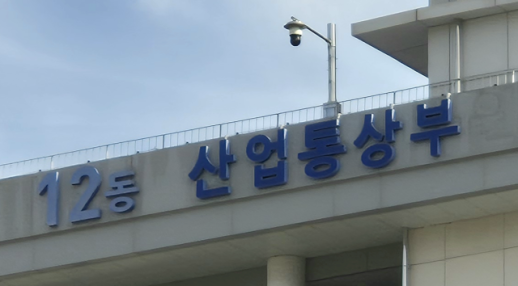 South Korea and Mongolia Resume CEPA Negotiations to Expand Critical Mineral Supply Chains The South Korean government will begin the fifth round of official negotiations with Mongolia for a Comprehensive Economic Partnership Agreement (CEPA) on June 8, lasting four days. The discussions will cover 15 areas, including investment and economic cooperation.According to the Ministry of Trade, Industry and Energy, the negotiations will be led by Kwon Hye-jin, head of the Trade Negotiation Bureau, and Batkhuyag Idersh, Deputy Minister of Economic Development of Mongolia, with around 40 representatives from both countries participating.The Korea-Mongolia CEPA negotiations began in December 2023 and included four rounds of talks until November 2024, but were temporarily halted due to circumstances on the Mongolian side. However, discussions to resume negotiations gained momentum earlier this year, marking a return to the negotiating table after approximately 1 year and 7 months of inactivity.South Korea and Mongolia are considered highly complementary in terms of industrial and trade structures. By combining South Korea's manufacturing and technological capabilities with Mongolia's abundant resources of critical minerals such as lithium, copper, and rare earth elements, both countries expect to enhance trade and investment and strengthen economic cooperation, including supply chains.The upcoming negotiations aim to address significant issues across key areas such as tariff concessions, services, investment, origin, and economic cooperation, with the goal of accelerating progress in the talks.Kwon Hye-jin stated, "In an increasingly uncertain global trade environment, the CEPA with Mongolia will serve as an important opportunity for our companies to enter emerging markets and secure supply chain stability. Through these negotiations, we aim to make progress on key issues and lay the groundwork for a swift conclusion of the agreement."* This article has been translated by AI. 2026-06-07 11:03:00
 -
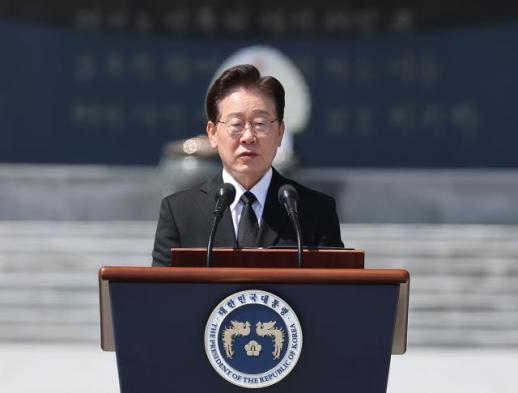 President Lee Reflects on One Year in Office Ahead of Anniversary Press Conference The Blue House has released details of President Lee Jae-myung's extensive activities as he approaches the one-year anniversary of his administration. On June 7, the Blue House issued a press release highlighting the president's achievements over the past year. Starting his term without a transition team, President Lee has participated in 250 domestic events, 178 local events, and international visits to 14 countries over the past year. Domestic events have focused on citizen participation and unity, featuring nationwide town hall meetings and public appointments, in line with the principles of a government centered on the people. In addition to high-level meetings with world leaders, President Lee successfully hosted the 2025 APEC (Asia-Pacific Economic Cooperation) summit in Gyeongju, showcasing a pragmatic approach to diplomacy centered on national interests. The president has traveled approximately 22,929 kilometers domestically—over half the Earth's circumference—while engaging in international diplomacy that covered a total of 150,000 kilometers, equivalent to about 3.8 times around the globe. To promote national unity and communication, President Lee has actively engaged with citizens across the country. The town hall meetings, which have become a hallmark of his administration, attracted over 3,500 residents across 14 cities and provinces, with a total of 12 sessions held. These meetings have established a model for discussing and shaping policies through direct feedback, where policy proposals are distributed, opinions collected, and results communicated back to participants. Additionally, President Lee has been proactive in field communication, holding on-site discussions, visiting industrial sites, meeting with cultural and artistic figures, and making surprise visits to local markets linked to community events. Notably, he visited traditional markets 24 times, averaging once every two weeks, demonstrating his keen interest in revitalizing local economies and addressing citizens' livelihoods. His extensive diplomatic efforts have also been notable. Over the past year, President Lee visited 14 countries, conducted 39 phone calls with other heads of state, and met with 26 foreign dignitaries and business leaders. The Blue House described this as the most active diplomatic engagement among past presidents in their first year. Through participation in major multilateral meetings such as the G7, UN, ASEAN, and G20, President Lee has signaled South Korea's return to the international stage. Despite administrative gaps caused by a state of emergency, he successfully hosted APEC 2025 as the chair country. He held two summits each with the U.S. and Chinese leaders and engaged in shuttle diplomacy with Japan through four reciprocal visits, strengthening key diplomatic ties. In an unusual move for a first year, he also visited and hosted delegations from key global South cooperation countries, including South Africa, India, Egypt, and Brazil. Economic events focused on national interests and meetings with expatriates were also conducted effectively. A total of eight economic events, including the Korea-U.S. Business Roundtable and Korea-China Business Forum, were held across seven countries, successfully establishing cooperative networks. Meetings with expatriates were conducted 14 times across 12 countries (including two each in the U.S. and Japan), with over 3,380 attendees, allowing for a vibrant exchange of voices from the expatriate community. Building on these achievements, President Lee will hold a press conference at 10 a.m. on June 8 at the Blue House guesthouse to mark the one-year anniversary of his inauguration. This will be his fourth official press conference, following those held at 30 days, 100 days, and New Year. The theme of the press conference is "Irreplaceable South Korea," encapsulating a vision and determination to elevate the country from one that the world watches to one that the world needs. During the press conference, President Lee will reflect on his experiences over the past year and outline his vision and four key goals for the second year of his administration. The key visuals will consist of "Light, Path, and South Korea." "Light" symbolizes the democracy that the people have preserved despite numerous crises. "Path" conveys the commitment to create new paths alongside the people in the face of national challenges. "South Korea" represents the aspiration for the country's challenges to set new standards and serve as a model for the world. Approximately 160 journalists from domestic and international media are expected to attend the press conference. As in previous conferences, journalists will be allowed to ask questions freely, without a predetermined script, based on the moderator's and president's selections. Additionally, two university students with backgrounds in journalism will pose questions regarding the concerns and challenges faced by the younger generation. The students are Jeong Bo-hyun (Ewha Womans University, Economics, Year 4) and Sun Woo-young (Inha University, Mechanical Engineering, Year 4). They have each received awards for their journalistic work, including the "SisaIN University Journalist Award" this year and the "Korea Press Foundation University Journalism Award" last year. The press conference will be broadcast live on KTV and the YouTube channel "Lee Jae-myung TV." Chief Blue House Spokesperson Kang Yoo-jung stated, "Through domestic events and overseas visits, President Lee has worked to normalize South Korea, which was stalled due to the state of emergency, and has signaled the country's confident return to the international community. Furthermore, he has actively reflected the voices of the people in policies and led efforts for national unity, more than any previous president." 2026-06-07 11:03:00
 -
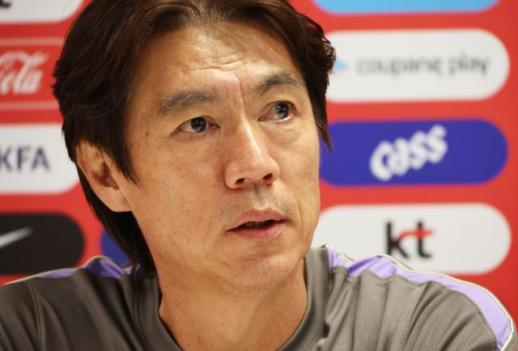 Hong Myung-bo Focuses on Tactical Refinement Ahead of World Cup Opener Hong Myung-bo, head coach of the South Korean national soccer team, emphasized the importance of refining tactics as the team prepares for their first match in the 2026 FIFA North and Central America World Cup in Guadalajara, Mexico. In a press conference held on June 6 at the Chivas Verde Base Camp, Hong stated, "The next three days of training will be crucial. The players have undergone a good process during the pre-camp and have prepared well. We will work on any remaining shortcomings during this training period." The national team set up a pre-camp in Salt Lake City, Utah, at an elevation of 4,800 feet, starting on May 18. During this period, Hong's squad achieved victories against Trinidad and Tobago (5-0) and El Salvador (1-0). They arrived in Guadalajara the previous day via a charter flight. Hong noted, "We analyzed the strengths and weaknesses that emerged from the two evaluation matches. It is important to refine our approach further during the remaining time. The weather in Guadalajara is different from Salt Lake City, so adaptation is necessary. We have limited time to make significant changes, so we will focus on a few key points to enhance our performance." The South Korean team is set to face the Czech Republic in their Group A opener on June 12 at 11 a.m. KST. The Czech Republic recently showcased their strength by defeating Guatemala 3-1 in their last evaluation match. Hong warned, "The Czech Republic has distinct characteristics and is not an easy team to counter. Their physicality is notable, especially in their recent match against Guatemala. Therefore, we need to prepare thoroughly. We must pay attention to their strengths, such as set pieces and crosses, and overcoming the height difference will be crucial." Concerns have been raised about the lack of a definitive starting eleven for Hong's team, given the significant player rotations during the two evaluation matches leading up to the World Cup opener. Hong concluded, "This is why the next three days of training are extremely important. The players generally understand the game model we want to implement. We will focus on comprehensive training to align with our overall strategy."* This article has been translated by AI. 2026-06-07 10:57:00
 -
 U.S. Considers Using Iranian Assets for Gulf Nations' Recovery The United States is reportedly exploring the possibility of using Iranian assets to aid in the recovery and reconstruction of damage suffered by Gulf allies. According to a source familiar with the matter, U.S. Treasury Secretary Scott Vance has instructed a team to assess the extent of the damage inflicted by Iran on its Gulf allies. The source indicated that the U.S. is considering utilizing Iranian assets not only for the reconstruction costs of potential future damage from Iranian attacks but also for the recovery of damages that have already occurred. However, the Treasury Department did not specify which types of assets are under consideration. Reuters reported that the discussions do not appear to be limited to frozen Iranian assets. This initiative is noteworthy as it arises amid Iran's demands for the release of its frozen assets. Instead of accommodating Iran's request, the U.S. is contemplating using those assets to fund the recovery efforts of Gulf allies. Earlier, Mohsen Rezai, a senior advisor to Iran's Supreme Leader, stated in an interview with CNN, "If President Trump wants to reach an agreement with Iran, $24 billion is a test of trust. This is a test that the U.S. must pass, and then the way will be opened." He emphasized, "This money is not America's money; it is our money." Given the challenges the U.S. faces in fully accommodating Iran's asset release demands, this proposal may also be seen as a new leverage point in negotiations. The U.S. is concerned that releasing frozen funds without achieving significant progress on Iran's nuclear program could weaken its negotiating position. President Trump has criticized the Obama administration for providing cash to Iran as part of the nuclear agreement, making a large-scale release of frozen funds politically sensitive. Reuters analyzed that if the U.S. moves forward with utilizing Iranian assets for the recovery of Gulf nations, it could introduce new sources of conflict in the already unstable ceasefire between the U.S. and Iran. Indeed, military tensions between the two countries continued over the weekend. U.S. forces shot down a drone launched by Iran and subsequently struck coastal radar bases near the Strait of Hormuz. The Iranian Islamic Revolutionary Guard Corps (IRGC) claimed to have launched ballistic missile attacks against U.S. military bases in Kuwait and Bahrain.* This article has been translated by AI. 2026-06-07 10:54:00
 -
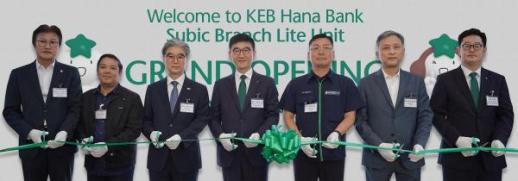 Hana Bank Expands Global Reach with New Office in Subic, Philippines Hana Bank has opened a branch in Subic, Philippines, as part of its efforts to expand its operations in Southeast Asia.On June 7, Hana Bank announced the opening of its Subic branch, aimed at broadening its network in Southeast Asia and meeting the financial service demands of Korean companies and expatriates in the region.Subic is an economic zone located approximately 100 kilometers northwest of Manila, the capital of the Philippines, and is home to HD Hyundai Heavy Industries' Philippine subsidiary. HD Hyundai Heavy Industries has been refurbishing its shipbuilding facilities in Subic and began full-scale ship construction in the second half of last year, aiming to produce up to 10 vessels annually and develop the Subic shipyard as a key production hub in Southeast Asia.Hana Bank plans to proactively address the financial needs of HD Hyundai Heavy Industries through its Subic branch. The bank will also support local Korean businesses and provide financial services to the expatriate community. Building on its experience from the Manila branch, Hana Bank aims to establish a comprehensive network that encompasses the financial needs of the Clark area near Subic.With the opening of the Subic branch, Hana Bank now operates 114 networks across 27 regions, the largest number in South Korea, following the establishment of two branches in India in the second half of last year.Kim Young-jun, Vice President of Hana Bank's Global Group, stated, "The opening of the Subic branch is part of our long-term growth strategy for key markets in Southeast Asia. We will provide more tailored financial services not only to Korean companies and expatriates but also to local customers." 2026-06-07 10:54:00
 -
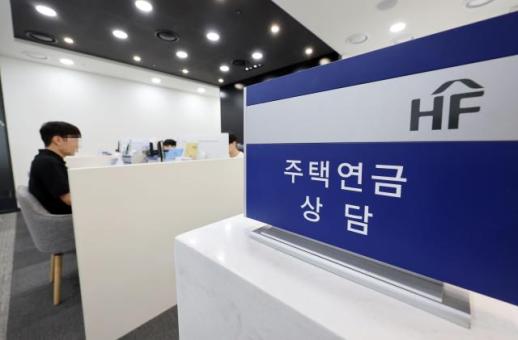 Record Number of New Home Pension Subscribers Amid Increased Benefits As a result of increased benefits and relaxed eligibility requirements, the number of new subscribers to the home pension program surged, reaching a record high in April. According to the Korea Housing Finance Corporation, there were 2,322 new home pension subscribers in April, marking the highest monthly total ever recorded. The home pension program, introduced in July 2007, allows homeowners aged 55 and older to receive a pension for life or for a set period by using their homes valued at 1.2 billion won or less as collateral. The increase in subscribers is attributed to improvements in the program that took effect in March. Following a proposal by the Financial Services Commission in February, new subscribers since March 1 can receive higher pension amounts than before. For an average subscriber (72 years old with a home valued at 400 million won), the monthly pension amount increased from 1.297 million won to 1.338 million won, a rise of approximately 3.13%. Consequently, the number of new subscribers rose from 939 in January and 780 in February to 1,287 in March, and then to 2,322 in April. This marks the first time since March 2023 (2,225 subscribers) that monthly subscriptions exceeded 2,000. Starting in June, further relaxation of eligibility requirements is expected to sustain this growth trend. As of June 1, homeowners with one property can now join the home pension program even if they are not residing in the collateralized home due to unavoidable circumstances such as medical treatment, caring for children, or moving to a senior living facility. If the collateralized home is rented to a third party, applicants can still join the program with approval from the Korea Housing Finance Corporation. Additionally, if a subscriber passes away, their children aged 55 or older can join the program using the same home as collateral without needing to go through a separate debt repayment process. As of the end of last year, the cumulative number of home pension subscribers exceeded 150,000. A representative from the Korea Housing Finance Corporation stated, "The rapid increase in new subscribers is due to the rise in pension amounts and the relaxation of eligibility requirements. We will continue to improve the program to ensure it serves as a stable source of income for retirees." The home pension program allows individuals to maintain ownership of their homes while receiving pension payments, and there is no obligation for subscribers or their heirs to repay any amount exceeding the home's value. If there are remaining funds after the home is sold following the subscriber's death, those funds will be returned to the heirs.* This article has been translated by AI. 2026-06-07 10:48:00