
Journalist

Kim SeongSeo
-
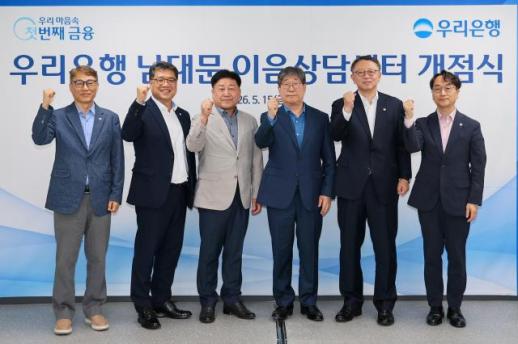 Woori Bank Opens Financial Counseling Centers in Seoul's Namdaemun, Gangnam, and Hongdae Woori Bank is establishing three specialized financial counseling centers in key locations in Seoul, including Namdaemun, Gangnam, and Hongdae. The initiative aims to go beyond simple product sales and address customers' financial concerns with tailored solutions. On May 15, Woori Bank held an opening ceremony for the 'Namdaemun Connection Counseling Center' at the Shin Nammun Building on Namdaemun Road in Jung-gu, Seoul. The event was attended by Woori Bank President Jeong Jin-wan, Park Chil-bok, representative of the Seoul Namdaemun Market, and Moon Nam-yeop, representative of the Namdaemun Market Merchants Association. Unlike traditional bank branches, the Connection Counseling Centers focus on resolving customers' financial issues rather than selling financial products. They will operate until 9 p.m. on weekdays and until 6 p.m. on weekends. The centers will provide personalized financial counseling across various life stages, including loans, asset management, and retirement planning, by carefully assessing customers' situations and needs. Woori Bank plans to staff these centers with professionals who possess practical experience and financial expertise to offer effective solutions. "The Connection Counseling Center is not a space for selling financial products, but a channel focused on solving customers' financial concerns together," said Woori Bank President Jeong Jin-wan. "We aim to create a warm communication space that connects customers with the bank and links the community with finance." 2026-05-17 10:09:00
 -
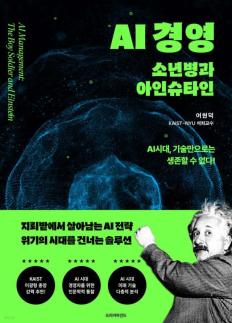 Professor Yeo Hyun-deok Discusses AI Management in New Book Artificial intelligence is no longer just a technological issue; it has become a management, human, and civilizational concern. More crucial than how quickly companies adopt AI is the question of how humans will relate to it. In light of this, Yeo Hyun-deok, head of the KAIST G-School and professor responsible for the AI Management program, has released a new book titled AI Management: Child Soldiers and Einstein and engaged with readers.Professor Yeo held a book concert on May 16 at the Youngpoong Bookstore in Seoul. The event, organized by Youngpoong Bookstore and Drucker Mind, featured discussions based on the book's core themes, focusing on new management paradigms, leadership, and human cognitive abilities in the age of AI.Over 100 attendees included business leaders, professors, ambassadors, cultural figures, and citizens. The presence of leaders such as Yoo Yeon-cheol, Secretary General of the UN Global Compact Korea, Ahn Gi-seok, Vice President of CTS Christian TV, and Kim Seon-rae, Chairman of the Hangarae Movement Headquarters, highlighted that the book concert transcended a mere publishing event, serving as a public forum to explore management and the future of humanity in the AI era.The central message of AI Management: Child Soldiers and Einstein is clear: the era of viewing AI merely as a tool is over. Companies and organizations must now understand AI as a strategic resource. However, they must not lose their judgment and insight in the face of AI's overwhelming capabilities. Professor Yeo emphasizes that true competitiveness in the AI era lies not in the technology itself but in the collaborative intelligence, or CQ, that emerges from the partnership between humans and AI.The book's title is symbolic. 'Child Soldiers' evokes the anxiety and vulnerability of humans thrust into battle unprepared, while 'Einstein' represents thought, insight, and creative intelligence. Managers in the AI era stand between these two figures. On one hand, they feel the anxiety of being like child soldiers caught in the battlefield of technological change, yet on the other hand, they must recover the Einstein-like thinking that penetrates the essence of problems.Professor Yeo particularly emphasizes the importance of clearly defining problems. No matter how powerful AI is, it cannot provide good answers to poorly framed questions. Ultimately, the starting point of AI management is not technology but the questions posed. Organizations must first ask what problems they aim to solve, whose suffering they seek to alleviate, and what human values they wish to uphold.He states that understanding human pain points is the beginning of AI management. If companies fail to accurately identify customer inconveniences, organizational bottlenecks, and societal deficiencies, AI will remain merely a decorative element.Conversely, organizations that accurately read human suffering and needs can create faster and deeper solutions through AI.Professor Yeo has long explored the intersection of AI, management, and human-technology relations. As the head of KAIST G-School, he has connected technology, management, and global strategy, and as the responsible professor for the AI Management program, he has disseminated the mindset and organizational strategies needed in the AI era to managers. According to the organizers, he is also a chair professor at KAIST-NYU and actively participates in knowledge networks connecting KAIST's global education projects with New York and the Middle East.This book is a culmination of that journey. It is not just a manual for utilizing AI but a reflection on the philosophy and judgment that managers must adopt in the AI era.Citing the latest research from Harvard Business School and global business cases, the book warns that while AI can contribute to creative innovation, it may hinder the process of solving specific business problems.This is an important insight. AI is not a panacea. It consumes data created by humans and operates within goals set by humans. Therefore, if the goals are unclear, the results will also be unclear, and if the questions are wrong, the answers will be incorrect. Leaders in the AI era must be more than just adept at handling machines; they must be capable of correctly defining problems and steadfastly adhering to human values.Professor Yeo also presents various types of decision-making in the AI era. Depending on the organizational context, the roles of AI and humans should be allocated differently, including fully automated, human-led, technology-assisted, and human-checked decision-making. The key is not to blindly entrust everything to AI but to discern which tasks AI should handle and which require human judgment.In the future, corporate management will enter an era of agentic AI and physical AI. Agentic AI is not just about providing answers; it understands goals, designs processes autonomously, and performs tasks. Physical AI, on the other hand, integrates into robotics, manufacturing, logistics, healthcare, and urban infrastructure, directly influencing the real world. These two trends will fundamentally change how companies operate and the structure of industries.However, the more critical factor remains humans. The invisible knowledge of humans, or tacit knowledge, continues to be a core asset of organizations. Documented explicit data alone cannot explain a company's vitality. Long-standing experience, situational awareness, customer engagement, and judgment in crises cannot be reduced to mere numbers. This is precisely what Professor Yeo emphasizes. When human tacit knowledge and AI's explicit data are effectively combined, organizations can achieve true results.Ultimately, the correct path for AI management is neither technological worship nor the exclusion of humans. It should lead to a scenario where humans become more human, and technology is used to expand human potential. AI Management: Child Soldiers and Einstein is a book that questions this balance.The significance of this book concert lies here. It is not merely an event to introduce a book but a forum to discuss the direction of Korean management in the AI era. Technology is advancing rapidly. However, if human thought, ethics, and organizational wisdom do not keep pace, that speed could become a danger.The winners in the AI era will not be the companies that adopt AI first but those that understand it most deeply and wisely combine the roles of humans and technology. Professor Yeo Hyun-deok's new book and the book concert pose this very question to Korean businesses and leaders.How will we use AI? And what kind of humans will we remain alongside AI? 2026-05-17 09:53:03
 -
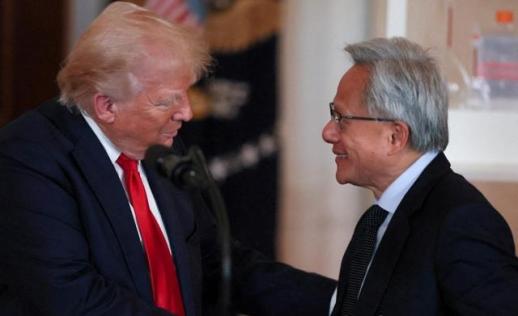 Why Xi Jinping Cannot Abandon Taiwan During a summit between U.S. President Donald Trump and Chinese President Xi Jinping, the most extensively and sensitively discussed topic was Taiwan. Trump revealed that Xi asked whether the U.S. would defend Taiwan, indicating that Taiwan was at the forefront of Xi's concerns, despite discussions on tariffs, trade, and supply chains.China has long referred to the Taiwan issue as a "core interest." However, this obsession has intensified recently, primarily because Taiwan has become the heart of the global artificial intelligence (AI) industry.Until a few years ago, the Taiwan issue was mainly interpreted through the lenses of history, nationalism, and territorial sovereignty. While these factors remain significant, under Xi's regime, the notion of the "great rejuvenation of the Chinese nation" is not merely a slogan for economic growth; it is a political project aimed at achieving unification with Taiwan by 2049, the centenary of the founding of the People's Republic of China. For the Chinese Communist Party, Taiwan symbolizes regime legitimacy. However, Taiwan now holds an additional significance: AI dominance.Today, the global AI industry cannot function without Taiwan. NVIDIA's AI semiconductors, as well as servers from Apple and Meta, and Tesla's autonomous driving systems, all rely on advanced processes from Taiwan's TSMC. No matter how well U.S. tech companies design their products, they depend on Taiwan for production, making Taiwan the focal point of the world's cutting-edge semiconductor supply chain.Interestingly, China's situation is not much different. Amid U.S. semiconductor sanctions, China has been advocating for an "AI ecosystem without NVIDIA," yet many AI semiconductors developed by Chinese companies still rely on TSMC's production lines. Even AI vehicle chips showcased by Chinese semiconductor firms at the Beijing International Auto Show were noted to be produced using TSMC's 4-nanometer process.Ultimately, both the U.S. and China, as well as the entire global AI industry, are dependent on Taiwan. This is why Xi cannot abandon Taiwan. While historically Taiwan was a political symbol, it has now become a strategic asset for future industries. Semiconductors are no longer just components; they are a crucial infrastructure for national security, influencing military power, economic strength, and AI competitiveness. For Xi, Taiwan is both "territory that must be unified" and a "technological stronghold that cannot be surrendered to the U.S."Another critical aspect is the Chinese leadership's perception of time. While U.S. policies can shift dramatically with elections, China operates on a 10- to 20-year timeline. There is a strong belief within China that "time is on China's side." In fact, economic ties between China and Taiwan have deepened significantly, with trade volumes increasing substantially over the past decade and industrial connections strengthening.Xi's regime is also solidifying its long-term governance structure. China has entered a new five-year planning phase, and discussions suggest that Xi's leadership may continue beyond 2027. This indicates that Taiwan strategy is not a short-term event but a long-term project.The challenge is that as the AI era progresses, Taiwan's strategic value will only increase. Just as past power struggles over oil shook the Middle East, future global competition over semiconductors is likely to disrupt East Asia, with Taiwan at its center.In 1954, Mao Zedong stated, "The most important issue in U.S.-China relations is the Taiwan issue, which is a long-term problem." Seventy years later, that statement remains largely true. The only change is that while Taiwan was once a geopolitical issue of the Cold War, it has now become a key engine of the global economy in the AI era.This is why Xi cannot relinquish Taiwan—not just for territorial reasons, but because the future world order hinges on that island. 2026-05-17 09:49:10
 -
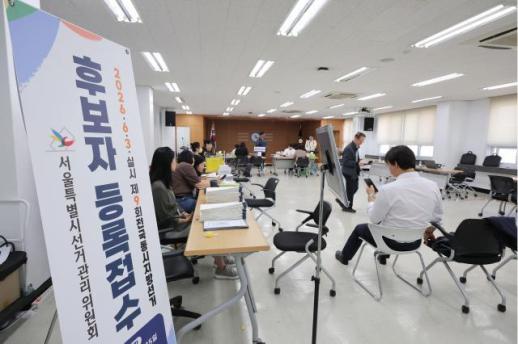 Record 513 Uncontested Candidates in Upcoming Local Elections The candidate registration for the 9th nationwide local elections and the National Assembly by-elections, scheduled for June 3, highlights the current state of South Korean local politics. According to the National Election Commission, a total of 7,829 candidates have registered, with an average competition rate of 1.8 to 1, marking the lowest level historically, similar to the 2022 local elections. Notably, the number of uncontested candidates has reached a record high of 513. Uncontested elections are a result of a system that allows candidates to be elected without a vote if the number of registered candidates is equal to or fewer than the number of positions available. However, the essence of democracy lies in competition and choice. When voters are deprived of the opportunity to compare and evaluate candidates, elections become mere formalities. The fact that voting will not take place in over 300 electoral districts in this election is a serious concern. The concentration of uncontested elections among local councilors and regional representatives reveals structural issues. As local politics become increasingly dominated by specific parties, areas are emerging where competition is virtually nonexistent. In some regions, being nominated by a particular party effectively guarantees election, which severely limits voter choice. The average competition rate of 1.8 to 1 is not just a statistic; it reflects a decline in political participation. Despite local politics being the most closely related to residents' lives, the decreasing number of candidates and competition indicates a weakening willingness to engage in the political process. The reasons for this recurring phenomenon are complex. First, there is the issue of the party nomination system. When nominations in certain areas effectively guarantee election, it becomes difficult for new candidates to challenge. Second, there are significant barriers to entering politics, including the high costs of campaigning, the need for organization, and the challenge of gaining recognition. Third, a general distrust in politics discourages candidate participation. The problem is that such a structure could deteriorate the quality of local governance in the long term. In a political environment devoid of competition, accountability diminishes. When candidates do not need to earn voter support, policy competition weakens, and the transparency and efficiency of administration may decline. Additionally, there is a risk that specific factions could monopolize local politics for extended periods. The rise in uncontested elections is not merely a statistic; it serves as a barometer for the health of local governance. Local autonomy is the foundation of grassroots democracy. If that foundation weakens, central politics will inevitably be affected. The solutions are clear. First, there is a need to reform the nomination structure. Institutional measures should be established to reduce the monopoly of specific parties and promote competition. Second, creating an environment that encourages broader political participation is crucial. Institutional support and the reduction of barriers are necessary to enable diverse talents, including youth, experts, and local activists, to enter politics. Third, efforts must be made to increase voter interest and participation. It is essential to raise awareness of the importance of local politics and to establish a policy-centered electoral culture. Elections are not merely procedural; they are a process of choice. When choice is eliminated from elections, the meaning of democracy is diminished. The low competition rates and the increase in uncontested elections observed in this local election serve as a clear warning signal. The record of 513 uncontested candidates is not a coincidence; it is the result of structural issues. Now is the time to decide whether to allow this trend to continue or to implement improvements. Reviving competition in politics and restoring the possibility of choice in elections is the starting point for normalizing local governance.* This article has been translated by AI. 2026-05-17 09:37:39
 -
 May Heatwave Raises Alarm Over Early Heat-Related Deaths The boundaries of the seasons are collapsing. Shortly after the Korea Disease Control and Prevention Agency activated its heat-related illness monitoring system, an 80-year-old man in Seoul was reported dead from heat-related illness. This marks the earliest recorded death since the monitoring system began, highlighting the significant implications of this event. It goes beyond a mere isolated incident, illustrating how climate change is altering the timeline of our daily lives. On May 16, the highest temperature in Seoul exceeded 31 degrees Celsius, with the national average surpassing 28 degrees. This early onset of high temperatures is concerning. The critical issue is not just the temperature itself but the timing; extreme heat conditions have emerged in mid-May, before summer has even begun. Heat-related illnesses have traditionally been associated with mid-summer, particularly during heat advisories. However, this incident demonstrates that this assumption is no longer valid. Heat does not adhere to seasonal boundaries and can arrive regardless of people's preparedness. Ultimately, this incident is not just a statistical record but a signal. Climate change is rendering the question of 'when does it get hot?' meaningless, indicating that we have already entered a new environment. The Disappearance of Spring... Changes in Daily Life Structure A more fundamental change is occurring in the structure of daily life. In the past, Korea's seasons were relatively distinct. However, in recent years, spring has become shorter while summer has lengthened. This May heatwave starkly illustrates that change. This shift is not merely about perceived temperatures; it affects the entire structure of industry, labor, consumption, and energy. For instance, outdoor work environments are becoming hazardous more quickly. Industries centered around construction, agriculture, and logistics must reassess their work schedules and safety standards. Additionally, the demand for cooling is shifting the energy consumption structure. Peak electricity demand, which used to concentrate in July and August, may now extend to June and even May. This will inevitably impact energy policies and electricity supply plans. Consumer patterns are also changing. The timing of seasonal product sales is moving earlier, necessitating adjustments in inventory and marketing strategies within the retail sector. Ultimately, the notion that 'spring is disappearing' is not just an emotional expression but a reflection of economic reality. Urban environments are not exempt. The asphalt and concrete structures in cities exacerbate the 'urban heat island effect.' As temperatures rise more rapidly, the perceived temperature in urban areas increases, putting vulnerable populations at greater risk. Shade, green spaces, and wind corridors are no longer optional but essential survival infrastructure. Inequality of Heatwaves... The Most Affected Populations One of the most significant characteristics of climate change is 'inequality.' The impact of the same temperature rise varies among individuals and social classes. The recent heat-related death involved an elderly person, which is not a coincidence but a structural reality. According to statistics from the Korea Disease Control and Prevention Agency, a significant number of heat-related deaths occur among those aged 65 and older. This is due to decreased thermoregulation abilities and a higher likelihood of chronic illnesses. Various factors, including access to cooling facilities, housing conditions, and social isolation, compound the risks. Particularly, elderly individuals living alone or those in vulnerable situations face greater dangers during heatwaves. Unlike visible disasters such as typhoons or floods, heatwaves gradually and lethally deteriorate health. Consequently, the longer the response is delayed, the greater the damage becomes. Pregnant women, children, and individuals with underlying health conditions are also classified as high-risk groups. Their ability to regulate body temperature is relatively weak, making them susceptible to even short periods of high heat exposure. The problem is that protective systems for these vulnerable groups are not yet sufficiently refined. Ultimately, heatwaves are evolving from natural disasters into 'social disasters.' More critical than the temperature itself is the question of who suffers the most. The answer to that question is already clear. Time for Action... A Shift in Policy and Awareness is Necessary Now, the focus must be on response. However, the current response system is still designed based on past seasonal structures. Heatwave responses are concentrated over specific periods, and alerts are activated at certain times. But the climate has already surpassed those boundaries. First, there is a need for the 'normalization' of heatwave responses. The system must transition to one that operates flexibly according to temperature changes rather than during a specific period. While the activation of monitoring systems has been advanced, more proactive preemptive measures are required. Second, policies centered on protecting vulnerable populations must be strengthened. Beyond simple preventive guidelines, substantial support is necessary. Cooling facility assistance, health management visits, and community care systems must operate organically. Third, a redesign of urban and industrial structures is essential. Long-term responses must include expanding green spaces, improving building standards, and enhancing safety in work environments. Particularly for outdoor workers, institutional measures such as adjusting work hours and ensuring breaks are crucial. Most importantly, a change in awareness is vital. Heatwaves must be recognized not as temporary phenomena but as constant risks. Individuals must also alter their lifestyles. Basic responses such as adequate hydration, avoiding strenuous outdoor activities, and being mindful of vulnerable individuals can be life-saving. The Questions Raised by May's Heat The heatwave in May is not just a weather phenomenon; it is a question. How well are we accepting the changed climate as reality? And how quickly are we responding to that change? This recent heat-related death cannot be dismissed as an individual misfortune. It signals that society as a whole is still unprepared. The seasons are already ahead of us. The problem is that our responses are not keeping pace with that speed. The climate does not wait. Heatwaves are starting earlier, lasting longer, and are likely to become more intense. The heat of May is just the beginning. It is now time to redesign policies and daily life based on climate rather than the calendar. If not, 'early heatwaves' will soon solidify into 'disasters that have become routine.'* This article has been translated by AI. 2026-05-17 09:32:43
 -
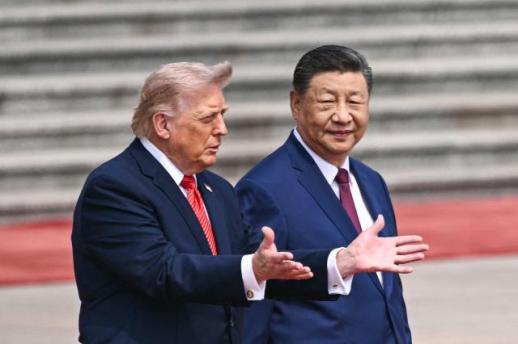 Trump's Visit to China: A Temporary Truce Amid Global Uncertainty President Donald Trump's visit to China was staged as a scene of reconciliation and cooperation. The leaders of both nations smiled and shook hands, emphasizing the need for "expanded dialogue" on tariffs, supply chains, and investment issues. Some observers expressed hope that US-China tensions might be easing. However, the international community's reaction following the summit was largely contrary, with a prevailing sense of increased tension rather than relief. The core focus of this summit was not conflict resolution but conflict management. Both the United States and China acknowledged the high costs of direct confrontation. The US is grappling with high interest rates, inflation pressures, and economic variables ahead of the upcoming election, while China faces a real estate slump, weak consumer demand, and youth unemployment, necessitating a minimization of external shocks. Both countries needed a moment to catch their breath. However, a truce and trust are entirely different matters. The messages released after the summit indicate that neither side has retreated from their core interests. The US reaffirmed its stance on maintaining controls over advanced semiconductors and artificial intelligence (AI) in relation to China, while China demonstrated its unwillingness to relinquish strategic advantages in rare earths and supply chain issues. The Taiwan issue also remains unchanged from previous positions. Notably, the concept of 'economic security' has become firmly entrenched. Where past diplomatic efforts focused on military and political issues, the current agenda now centers on semiconductors, AI, rare earths, energy, aircraft, and supply chains. Trump's decision to bring a significant number of CEOs from major US companies along with him was a symbolic gesture, reflecting an era where business and industry are integral to national strategy. This shift is having a profound impact on the global economic order. The US and China are in a state of conflict while simultaneously engaging in trade. They compete even as they cooperate. The challenge is that this dynamic is increasing uncertainty in global markets. Immediately following Trump's visit to China, Russian President Vladimir Putin's trip to China was symbolic. Russia, amid the prolonged war in Ukraine, finds itself increasingly dependent on China. Europe, too, is struggling to find a strategic balance between the US and China. Germany and France cannot afford to abandon the Chinese market, yet they cannot detach from the US security framework either. Most major countries are slipping into a dilemma. The Middle East also presents a source of instability. The management of relations between the US and China does not guarantee overall stability in the international order. In fact, while the US and China avoid direct confrontation, regional conflicts may intensify. The war in Ukraine has entered a protracted phase, and the Middle East remains at risk of re-ignition at any moment. As the international community transitions to a multipolar system, uncontrolled fractures are simultaneously widening. Most concerning is the very foundation of the international order being shaken. The era characterized by free trade, global supply chains, and international norms is rapidly fading. National interests and strategic calculations are now taking precedence over economic logic in decision-making. This shift is leading the global economy into a state of increasing inefficiency, redundant investments, and a fragmented structure. Trump's visit to China marks not the end of conflict but the beginning of a new phase. While the US and China have joined hands to avoid confrontation, that hand could clash again at any moment. The world is not moving toward stability but rather into a more complex and unpredictable order. The true aftershocks of this summit begin there. 2026-05-17 09:20:19
 -
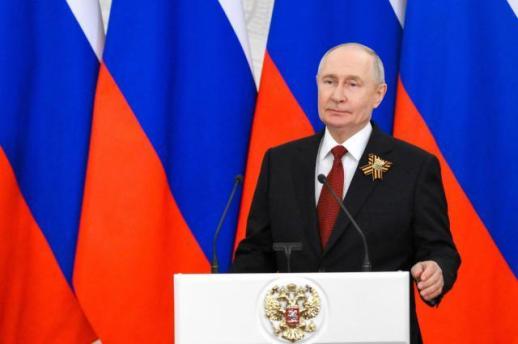 Putin's Visit to China and Xi Jinping's Strategy: New Coordinates in a Shifting World Order In diplomacy, 'order' conveys a message. Who arrives first and who follows reveals not just a schedule but the distribution of power and strategy. This is evident in the recent events in Beijing. Following President Donald Trump's visit to China, Russian President Vladimir Putin is set to visit shortly thereafter, just days apart. This arrangement appears to be less coincidental and more a product of China's orchestrated 'staged diplomacy.' China is employing a dual strategy of managing competition with the United States while fostering close cooperation with Russia. After signaling a desire to ease tensions through a summit with Trump, China invites Putin to showcase their strategic alliance. This emphasizes China's role not merely as a participant but as a 'central player' in shaping the diplomatic landscape. Notably, this visit coincides with the 25th anniversary of the China-Russia Treaty of Good-Neighborliness and Friendly Cooperation. Both nations are expected to announce a joint statement and sign intergovernmental agreements during the summit, indicating an intention to elevate their relationship in both form and substance. Ultimately, the message China aims to convey is clear: it is the only axis capable of engaging in dialogue with the U.S. while cooperating with Russia, positioning itself as a 'mediator and central nation.' This strategy goes beyond mere diplomatic events, seeking to reshape the power structure within the international order. Putin's Visit: A Necessity Amid Sanctions President Putin's trip to China carries significance beyond a typical diplomatic agenda. Following the war in Ukraine, Russia faces financial, technological, and energy sanctions from the West. Structural pressures, including restrictions in the international financial system, limited access to advanced technologies, and a shrinking energy market, continue to mount. In this context, China stands as Russia's virtually sole major economic partner. China has consistently imported Russian oil and gas, serving as a crucial support for the Russian economy. Trade between the two countries has also expanded since the imposition of sanctions. This focus on trade and economic cooperation is a key agenda item for the upcoming summit. However, a closer examination reveals that the China-Russia relationship is characterized more by asymmetric cooperation than by equal partnership. While China maintains a broad range of options by keeping ties with the global market and the West, Russia's alternatives are limited. The urgency for cooperation is significantly greater on Russia's side. For Putin, this visit represents a 'survival diplomacy' aimed at alleviating economic isolation and maintaining a presence on the international stage through relations with China. However, this comes at the cost of limiting Russia's negotiating power, which could impact the balance of their future relationship. Xi's Calculated Balance: Strategic Utilization, Not Alliance China's approach is far more complex. While it publicly emphasizes a 'comprehensive strategic cooperative partnership,' it is, in reality, a meticulously calculated balancing strategy. China views Russia not as an absolute ally but as a 'strategic asset to be utilized.' First, it serves as a means to counter U.S. influence. Cooperation with Russia helps to diffuse American pressure and enhance China's negotiating power. Second, it provides a stable supply of resources. Russia is a vital partner for China in terms of energy and raw materials. Third, it plays a crucial role in reshaping the international order, functioning as a key partner in creating an alternative structure to the Western-centric order. However, China is drawing clear lines. Given its economic ties with the West, unlimited support for Russia could become burdensome. In fact, China has maintained a cautious stance regarding direct military support and has adjusted economic cooperation to minimize controversies over sanctions evasion. This 'dual strategy' is likely to be evident in the upcoming summit. While cooperation will be expanded, conflicts will be avoided. The relationship will be strengthened, but dependency will be sidestepped. This reflects a core characteristic of Xi's diplomacy and represents China's most pragmatic choice in the current international order. Transition to a Multipolar System: A Shifting International Order Putin's visit to China is not merely a bilateral diplomatic event; it illustrates a facet of the changing world order. The unipolar system centered on the United States, which has persisted since the Cold War, is already showing signs of fracture. We are now moving toward a multilayered structure where the U.S., China, and Russia compete and cooperate simultaneously. A key point to note is the coexistence of 'competition and cooperation.' The U.S. and China are in a strategic rivalry, yet they remain economically interdependent. China and Russia maintain a cooperative relationship, but it has not evolved into a complete military alliance. This marks a shift from a binary bloc structure to a more fluid network of relationships. These changes impose new burdens on smaller nations. In an environment where unilateral dependence on a specific bloc is challenging, they must adopt flexible strategies based on situational demands. The complexity of diplomacy has structurally increased. South Korea is not exempt from this trend. Amid the U.S.-China competition, China-Russia cooperation, and the global supply chain reshaping, a simple choice is insufficient; a sophisticated balancing strategy is essential. Given its high trade dependency, the linkage between diplomatic and economic strategies becomes even more critical. A New Test of Diplomacy Begins in Beijing Putin's visit to China is a diplomatic event, but its implications are far more significant. It represents a moment in the formation of a new order involving the U.S., China, and Russia. Notably, China is clearly demonstrating through this diplomacy that it is emerging as a 'central axis' of the international order. The world is now shifting from a simple power struggle to a competition in relationship design. The ability to secure more partners and adjust relationships flexibly will define power in this new era. In this regard, the recent diplomatic activities in Beijing provide a directional insight. Crucially, this change is not a temporary phenomenon but a structural transition. The multipolar system has already become a reality, and within it, the strategic choices of each country are becoming increasingly important. The ongoing summit diplomacy in Beijing serves as a test of this transition. The outcomes will not only influence bilateral relations but will also serve as a critical benchmark for the future direction of the world order.* This article has been translated by AI. 2026-05-17 09:18:54
 -
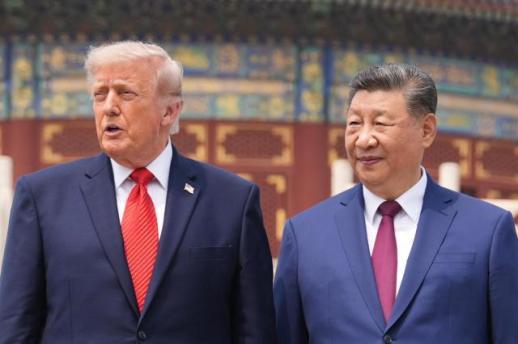 U.S.-China Agreement on Tariff Reductions Signals Need for South Korea to Revise Export Strategy The United States and China have announced a principled consensus on reducing tariffs and easing non-tariff barriers during their recent summit. China's Ministry of Commerce stated that both countries have agreed to discuss mutual tariff reductions on a range of products and to improve market access in certain sectors, including agriculture. However, specifics regarding which items will see tariff reductions and the timeline for implementation have yet to be finalized, and negotiations are ongoing. This announcement is significant as it suggests a potential shift in U.S.-China trade relations from a confrontational stance to a phase of partial cooperation. Previously, the two nations had engaged in a near 'economic war' characterized by high tariffs and various non-tariff barriers. A reduction in these tensions could lead to decreased uncertainty in the global trade environment. However, this change may not necessarily benefit the South Korean economy. There is a growing concern that the 'spillover benefits' South Korea has enjoyed could weaken. During the height of U.S.-China tensions, South Korean companies often emerged as alternative suppliers due to supply chain disruptions and trade restrictions. This trend was particularly evident in key industries such as semiconductors, batteries, and chemicals. Yet, if the U.S. and China begin to expand direct trade again, the situation could shift. As both countries procure necessary items directly from each other, South Korea's position as a supplier of intermediate goods may diminish. This is especially true if tariffs are lowered, which could increase competitive pressure on pricing. Discussions on cooperation in agriculture and aviation should also be viewed in this context. If China increases its purchases of U.S. agricultural products and aircraft, and the U.S. improves its export conditions, market opportunities for third-country firms could diminish. This is not just an issue for specific industries but represents a broader change affecting the entire global trade structure. The easing of non-tariff barriers is another critical variable. In trade, regulations, certifications, and market entry conditions often have a more significant impact than tariffs. If the two countries strengthen cooperation in these areas, the business environment itself could change dramatically. Industries that are heavily reliant on regulations, such as technology, food, and biotechnology, may see rapid shifts in market dynamics. Nevertheless, it is not necessary to view this agreement solely in a negative light. A reduction in U.S.-China tensions could decrease uncertainty in global supply chains, potentially improving investment sentiment and trade conditions. This could be a positive factor for South Korea's export-dependent economy. The challenge lies in whether these changes will present opportunities or turn into crises, which will depend on the response strategies employed. South Korea must now reassess its export strategy. First, market diversification is essential. The country should reduce its dependence on specific nations and expand its export base to emerging markets in Southeast Asia, India, and the Middle East. Second, it needs to strengthen supply chain competitiveness. Moving away from merely supplying intermediate goods, South Korea should focus on core technologies and high-value products to remain resilient amid changes in U.S.-China relations. Third, enhancing trade response capabilities is crucial. There is a need for timely information and negotiation power to respond swiftly to policy changes from both the U.S. and China. The government should bolster support for businesses by providing trade information and regulatory assistance, while also developing tailored strategies for different industries. This U.S.-China agreement is not the final conclusion but part of an ongoing process. Specific details may change during future negotiations. However, the direction is clear: the relationship is shifting from one of conflict to a new phase of competition and cooperation. South Korea's economy stands at the center of this change. Strategies that rely on past spillover benefits may no longer be effective. When the environment changes, strategies must adapt accordingly. Now is not the time to wait but to prepare. As the U.S. and China begin to move, South Korea must also redesign its export strategy.* This article has been translated by AI. 2026-05-17 09:09:00
 -
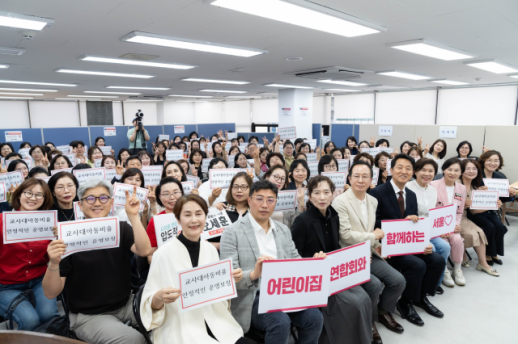 Seoul Mayor Candidate Oh Se-hoon Promises Improved Teacher-Child Ratios "I understand how difficult it is on the ground, as I have two grandsons myself," said Oh Se-hoon, the candidate for Seoul mayor from the People Power Party, during a meeting with over 100 childcare teachers on May 14, 2026, in Jongno, Seoul. The teachers shared their challenges, and Oh took notes while nodding in agreement. The main focus of the meeting was a pressing request: "Please allow us to care for fewer children." Childcare teachers particularly expressed concerns about overcrowding in infant classes. One teacher noted, "Even with just three infants, it’s a situation where I can’t take my eyes off them for a moment," adding that lowering the teacher-child ratio is essential to reduce safety incidents. Another teacher mentioned, "We are already at our physical and emotional limits; teachers need to be able to endure to provide stable care for the children." In response, Oh assured, "The strongly requested '1 to 2 ratio' has been noted precisely," and added, "Reducing the ratio will allow you to work more efficiently and provide quality service to the children. I promise to spare no support as long as finances allow." Following the meeting, Oh posted a lengthy message on his social media, stating, "Raising children is nurturing the future of our society," and emphasized that he would take more responsible actions starting from Seoul. Observers believe that these statements are not mere election promises. During Oh's previous term as mayor in 2021, Seoul became the first city in the nation to launch a 'teacher-child ratio improvement project.' At that time, while childcare centers nationwide operated according to legal standards, Seoul invested municipal funds to experiment with reducing the number of children per teacher. The results were reportedly evident in the field. According to the city, a total of 95.2 billion won will be invested in this project this year, with the number of supported classes doubling from 1,500 to 3,000. Notably, support for infant classes will expand from a limited number of childcare centers to all centers in Seoul. While the legal standard allows one teacher to care for three infants, Seoul will reduce this to two. The ratio for one-year-olds will decrease from five to four, and for two-year-olds from seven to six. For three-year-olds, the maximum will drop from 15 to 10. The ratio for classes with children with disabilities will also be adjusted from three to two. The response from the field has been significant. According to a survey by the city, the number of safety incidents in participating childcare centers has decreased by nearly three times compared to before the project. Teacher job satisfaction has also reportedly improved. One teacher from a three-year-old class remarked, "When I was caring for 15 children alone, I had to work overtime every day, but now that the number has decreased, I can properly attend to each child." A parent of an infant added, "Infants who crawl and lie down require a lot of attention, and seeing the teachers share responsibilities reassured me." Oh reiterated during the meeting that childcare is not just a welfare issue but an investment in the future. He explained that creating a city where it is easy to have and raise children is crucial for Seoul's competitiveness, especially in an era of low birth rates. He emphasized, "Without improving the working conditions for childcare teachers, the quality of care cannot improve," stating, "Teachers must be happy for the children to be happy." Campaign officials also described the meeting as not just a listening session but a reaffirmation of policy direction. As the issue of creating a city conducive to raising children emerges as a major topic among voters, Oh is accelerating his outreach to young parents by emphasizing practical childcare policies. 2026-05-17 09:06:41
 -
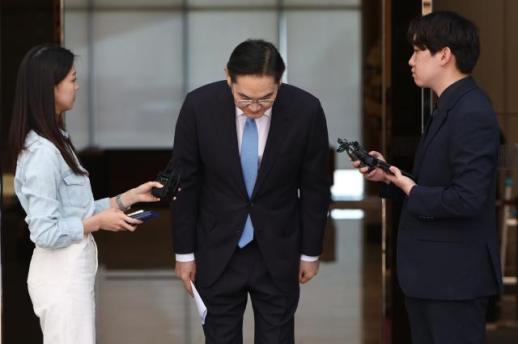 Lee Jae-Yong's Apology Should Mark the Start of Samsung's Labor Relations Normalization Lee Jae-Yong, chairman of Samsung Electronics, publicly apologized to customers and the public ahead of a planned general strike. His statement acknowledging that he caused "anxiety and concern due to internal company issues" and his message of "it's all my fault" highlight that the labor conflict at Samsung can no longer be viewed as just an internal matter. As a key player in the global supply chain, Samsung's labor disputes can impact customers, partners, shareholders, the local community, and even the national economy. This apology is significant. The chairman's direct acknowledgment of responsibility and emphasis on the need for dialogue could serve as a starting point for resolving the strained labor relations. In fact, the company and the union have agreed to resume their second round of post-adjustment discussions at the Central Labor Relations Commission on May 18. The company’s chief negotiator has also been replaced, and the union expressed that while rebuilding trust will take time, they hope for collaborative efforts moving forward. This marks a renewed opportunity for dialogue. However, an apology alone will not resolve the issues. The core of the conflict lies in the method of calculating performance bonuses, but underlying this are distrust in the compensation system, a lack of communication, and delays in changing the organizational culture. Samsung Electronics has grown under a no-union management policy for a long time and now faces the challenge of establishing a labor relations order that fits a new environment where a union exists. First, the transparency of performance bonus criteria must be improved. How to share the benefits of the semiconductor boom and improved performance is a critical internal issue. Performance bonuses affect both corporate competitiveness and employee morale. If the criteria and procedures for determining these bonuses are unclear, conflicts will inevitably recur. It is essential to establish criteria that both the company and the union can accept and to institutionalize this process. The union also needs to adopt a responsible attitude. The semiconductor industry relies on continuous 24-hour operations. A prolonged strike could lead to production disruptions, customer losses, and a decline in global trust, which could ultimately harm not only the company but also the union members in the long run. While demands for rights are legitimate, the unique nature of the industry and the potential impact on the national economy must also be considered. The roles of the government and the Central Labor Relations Commission are also crucial. Mediation should not pressure one side but should aim to achieve reasonable compromises. Particularly, labor disputes involving a key national industry like Samsung Electronics carry significant social costs. It is necessary to adhere to laws and principles while actively working to prevent a crisis. This situation is not just a problem for Samsung. It serves as a test for how South Korea's advanced industries can harmonize performance-based compensation with collective bargaining structures. Returning to past methods is not an option, nor is it feasible to apply traditional manufacturing conflict models directly. What is needed is a new labor relations model suited to advanced industries. Lee Jae-Yong's apology should not be the end but the beginning. It must lead to changes in systems and culture, not just words. There should be transparent criteria for performance bonuses, the establishment of ongoing communication channels, and a structure where both labor and management work together to consider the company's long-term competitiveness. Samsung is a representative company of the South Korean economy, which comes with significant responsibilities. Both labor and management should not turn this situation into a power struggle but instead use it as an opportunity to rebuild trust and safeguard future competitiveness. The apology has been made; now it is time to respond with dialogue and institutional changes. 2026-05-17 09:03:00