

Lee Jae-Yong, chairman of Samsung Electronics, publicly apologized to customers and the public ahead of a planned general strike. His statement acknowledging that he caused "anxiety and concern due to internal company issues" and his message of "it's all my fault" highlight that the labor conflict at Samsung can no longer be viewed as just an internal matter. As a key player in the global supply chain, Samsung's labor disputes can impact customers, partners, shareholders, the local community, and even the national economy.
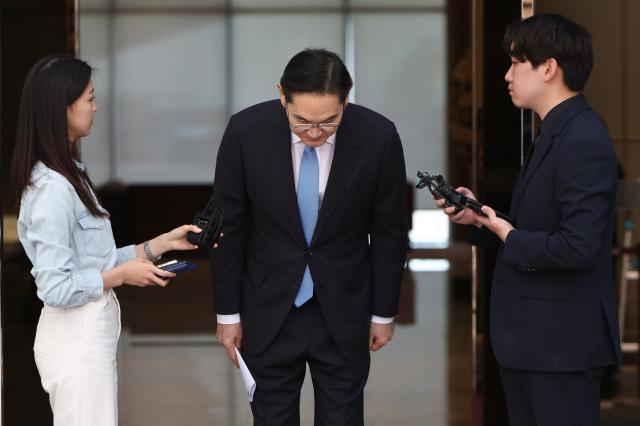
This apology is significant. The chairman's direct acknowledgment of responsibility and emphasis on the need for dialogue could serve as a starting point for resolving the strained labor relations. In fact, the company and the union have agreed to resume their second round of post-adjustment discussions at the Central Labor Relations Commission on May 18. The company’s chief negotiator has also been replaced, and the union expressed that while rebuilding trust will take time, they hope for collaborative efforts moving forward. This marks a renewed opportunity for dialogue.
However, an apology alone will not resolve the issues. The core of the conflict lies in the method of calculating performance bonuses, but underlying this are distrust in the compensation system, a lack of communication, and delays in changing the organizational culture. Samsung Electronics has grown under a no-union management policy for a long time and now faces the challenge of establishing a labor relations order that fits a new environment where a union exists.
First, the transparency of performance bonus criteria must be improved. How to share the benefits of the semiconductor boom and improved performance is a critical internal issue. Performance bonuses affect both corporate competitiveness and employee morale. If the criteria and procedures for determining these bonuses are unclear, conflicts will inevitably recur. It is essential to establish criteria that both the company and the union can accept and to institutionalize this process.
The union also needs to adopt a responsible attitude. The semiconductor industry relies on continuous 24-hour operations. A prolonged strike could lead to production disruptions, customer losses, and a decline in global trust, which could ultimately harm not only the company but also the union members in the long run. While demands for rights are legitimate, the unique nature of the industry and the potential impact on the national economy must also be considered.
The roles of the government and the Central Labor Relations Commission are also crucial. Mediation should not pressure one side but should aim to achieve reasonable compromises. Particularly, labor disputes involving a key national industry like Samsung Electronics carry significant social costs. It is necessary to adhere to laws and principles while actively working to prevent a crisis.
This situation is not just a problem for Samsung. It serves as a test for how South Korea's advanced industries can harmonize performance-based compensation with collective bargaining structures. Returning to past methods is not an option, nor is it feasible to apply traditional manufacturing conflict models directly. What is needed is a new labor relations model suited to advanced industries.
Lee Jae-Yong's apology should not be the end but the beginning. It must lead to changes in systems and culture, not just words. There should be transparent criteria for performance bonuses, the establishment of ongoing communication channels, and a structure where both labor and management work together to consider the company's long-term competitiveness.
Samsung is a representative company of the South Korean economy, which comes with significant responsibilities. Both labor and management should not turn this situation into a power struggle but instead use it as an opportunity to rebuild trust and safeguard future competitiveness. The apology has been made; now it is time to respond with dialogue and institutional changes.
* This article has been translated by AI.
Copyright ⓒ Aju Press All rights reserved.