

Journalist

Lee Baek-soon
-
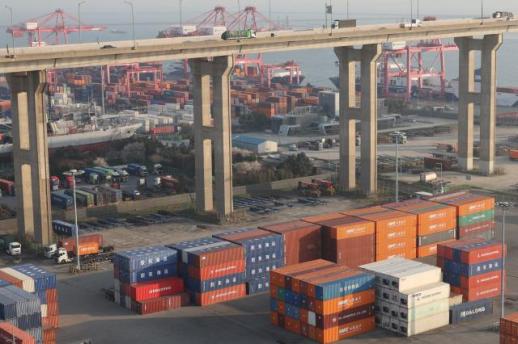 South Korea eyes record $900 billion in exports, aims for top-five trade power SEOUL, May 31 (AJP) - South Korea is on course to ship about $900 billion in goods this year, a surge that would vault Asia's fourth-largest economy into the world's top five trading nations, the trade ministry said. According to data from the Ministry of Trade, Industry and Resources on Sunday, exports reached $709.3 billion last year, the sixth country ever to clear the $700 billion mark and a milestone hit just seven years after crossing $600 billion in 2018. Through April this year, shipments soared 40.9% from a year earlier to a record $306.5 billion. The blistering pace has prompted the government, state researchers and brokerages alike to sharply lift their forecasts, far above the ministry's February target of $740 billion. "There are other variables, so I am cautious, but exports are expected to top $900 billion this year," Minister Kim Jung-kwan told reporters on May 27, adding that breaking into the top five was within reach. Kim stressed the boom was not propped up by chips alone. While semiconductor exports jumped about 140 percent, he said other sectors were growing a sturdy 14 percent to 15 percent, and small-business shipments climbed 10 percent. Beauty, fashion and food exports also advanced briskly, while shipments to emerging markets widened. Some experts forecast that the $1 trillion threshold may be within striking distance. Meritz Securities forecasts exports of $1.02 trillion, a 44.2 percent leap, as analyst Lee Seung-hoon projected chip and computer-component shipments would balloon 160 percent and 212 percent respectively on swelling AI infrastructure. From the second half, the ministry will mount an all-out push, channeling a record 275 trillion won in trade insurance, courting China and India, and nurturing 500 promising small exporters to cement what it called a robust, diversified trade structure. 2026-05-31 09:19:14
 -
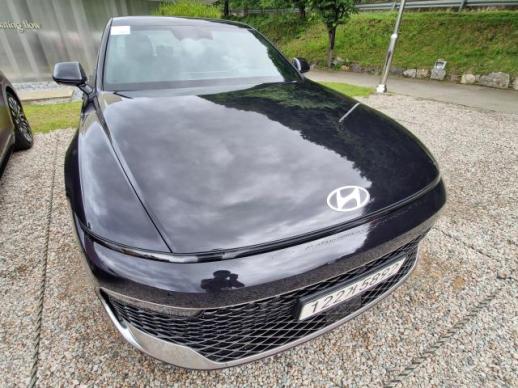 Test Drive: The New Grandeur, a Symbol of Success Hyundai's Grandeur, long regarded as a symbol of success, has returned with a facelift model after approximately three years and five months. This update marks a significant shift towards a software-defined vehicle (SDV). On May 28, I took a round trip of about 140 kilometers from the Godeok Business Valley in Gangdong-gu, Seoul, to Floating Flow in Chuncheon, Gangwon Province, with a passenger in the New Grandeur. The most striking feature from the driver's seat was the 17-inch display that filled the center of the dashboard. The interface has been simplified compared to previous models, replacing complicated buttons with an intuitive layout that mimics the experience of using smart devices. The traditional instrument cluster has been virtually eliminated, replaced by a box-shaped monitor that naturally comes into view beyond the steering wheel. A 'multi-function switch' that integrates turn signal and wiper functions has been added to either side of the steering wheel. The electronic gear shift lever has been moved to the right side of the steering wheel for easier shifting without taking hands off the wheel. As I exited the parking lot, I was pleasantly surprised by the expansive forward visibility. Although it is a sedan, it felt almost like an SUV in terms of openness. The larger side mirrors and the low dashboard design contributed to this improved sightline. In the urban section of Seoul, the quietness was impressive. Even at low speeds, road vibrations and external noise were minimal. The vehicle's body movements were also well-controlled. At the turnaround point, I experienced the true capabilities of the New Grandeur. The Smartstream 2.5-liter gasoline engine provided a natural and consistent response, as expected from a naturally aspirated engine. Switching to sport mode transformed the vehicle's character. Acceleration response became sharper, and the exhaust sound was more pronounced. The engine's RPM and the sound transmitted into the cabin felt more dynamic compared to the previous Grandeur. On the highway and through curves, the driving stability was particularly notable. The steering response was relatively immediate in cornering situations. The lane-keeping assist system operated reliably, helping to maintain the vehicle's center. Hyundai has implemented optimizations such as a cowl crossbar structure, enhanced front strut rigidity, and hydraulic rebound stoppers in the New Grandeur. These measures aim to reduce road impacts and improve ride comfort. A key feature of this model is the transformation of the vehicle's software experience. Hyundai has introduced its first next-generation infotainment platform, Pleos Connect. I tested the generative AI-based voice assistant, Gleo AI, within the vehicle. When I asked, "Play the latest news," it provided updates on domestic political news. It also responded immediately to the command, "Turn off the air conditioning." Gleo AI is based on a large language model (LLM) system. It supports not only basic vehicle control but also knowledge searches, schedule recommendations, and natural conversation capabilities. Hyundai developed Pleos Connect based on the Android Automotive Operating System (AAOS) and is working to expand the in-car app ecosystem. Currently, 11 third-party apps, including video and music streaming and gaming, are available. A Hyundai representative stated, "As we aim for an open ecosystem, the current apps are just the beginning," adding that the goal is to add more than ten new apps by the end of the year. The Smart Vision Roof, a first for Hyundai, also caught attention. It features polymer-dispersed liquid crystal (PDLC) film that allows for adjustable transparency of the roof. The market response to the New Grandeur has been enthusiastic, with over 10,000 units contracted on the first day of its launch. 2026-05-31 09:03:00
 -
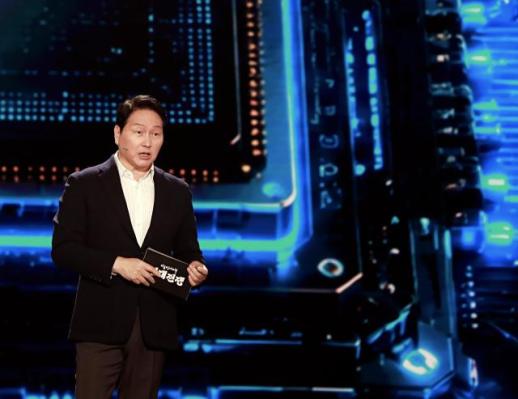 SK Group Chairman Chey Tae-won Discusses Entrepreneurship in the AI Era Recently, the KBS documentary "Talent War 2: Chey Tae-won's Answer" posed significant questions for our society living in the AI era. Chey Tae-won, chairman of SK Group, outlined four essential competencies that future talent must possess: thinking, adaptability, empathy, and body skills. Even as AI significantly replaces human knowledge and productivity, human competitiveness remains, centered on these four abilities. Watching this broadcast, I gleaned insights beyond just talent development; it was a reflection on entrepreneurship in the AI era. For over 30 years, I have studied entrepreneurship. As a journalist, I have reported from various industries, and I specialized in entrepreneurship during my doctoral studies in economics. My dissertation analyzed the determinants of entrepreneurship in South Korea and its impact on regional growth. The findings were clear: entrepreneurship plays a crucial role in growth, job creation, and the spread of innovation. While labor, capital, and technology are important, it is entrepreneurship that ultimately connects them to create new value. I do not view entrepreneurship merely as a spirit of starting a business. I define it as the ability to discover new opportunities, take risks, and create new value through innovation. This aligns with economist Joseph Schumpeter's concept of "creative destruction." The power of entrepreneurship lies in creating new products, markets, production methods, and organizations. As the AI revolution accelerates, I am convinced that the importance of entrepreneurship will only grow. Many people claim that AI will replace humans, and some jobs may disappear. However, the entrepreneurial spirit that drives economic growth will never vanish; it will become even more vital. Why is that? AI standardizes information, democratizes knowledge, and lowers technological barriers to entry. However, AI cannot define problems on its own, discover new markets, or take risks independently. Ultimately, it is up to humans to leverage AI to create new value. Just as the steam engine did not build railroads by itself and electricity did not create factories, AI cannot innovate on its own. Entrepreneurs have always been at the center of progress, and this will remain true in the AI era. It is not technology but entrepreneurship that will determine growth. The fourth muscle Chey Tae-won mentioned is body skills. At first, this may sound somewhat unexpected. However, I interpret this as the ability to execute. Entrepreneurship is not just about ideas; it is about action. There are countless excellent ideas in the world, but few people can turn them into reality. Anyone can think, but not everyone can execute. The most important characteristic of entrepreneurship is action. It requires the courage to take risks and enter the market. It involves the ability to create new products and provide new services. AI can propose strategies, write reports, and create business plans. However, building factories, meeting customers, and leading organizations are human responsibilities. In my experience managing a media company, I have seen countless plans. Most of them were excellent, but few were executed. The difference between success and failure lies not in ideas but in execution. This remains true in the AI era. Ideas utilizing AI will abound, but only a few will convert them into real value. Ultimately, the final stage of entrepreneurship is execution. Entrepreneurs are thinkers as well as doers. The market rewards action, not thought. Thus, I view body skills as the culmination of entrepreneurship. The AI era represents a renaissance of entrepreneurship. Through 30 years of studying entrepreneurship, I have come to one firm belief: the true driving force of economic growth is not technology but entrepreneurship. Technology is a means. Entrepreneurship is the direction. Technology can be possessed by anyone. Entrepreneurship cannot be possessed by everyone. The AI revolution will provide more knowledge for free, standardize more technology, and facilitate greater information sharing. However, precisely because of this, the value of entrepreneurship will rise even higher. The ability to think. The ability to adapt. The ability to empathize. The ability to execute. The four muscles Chey Tae-won mentioned are, in fact, the four facets of entrepreneurship. Thinking is the ability to discover opportunities, adaptability is the ability to overcome uncertainty, empathy is the ability to create value, and body skills are the execution that brings it to reality. I believe the AI era will not mark the end of entrepreneurship but rather its renaissance. As AI provides the same tools to everyone, it is humans who will make the difference: thinking humans, adaptable humans, empathetic humans, and action-oriented humans. These individuals will create new businesses, open new markets, and generate new jobs. The future of South Korea will also be determined not by AI technology itself but by the level of entrepreneurial spirit that utilizes AI to create new value. In the AI era, the protagonists of growth will not be technology but people, and those people are entrepreneurs.* This article has been translated by AI. 2026-05-31 08:54:00
 -
 Kiwoom Securities' CEO Eom Joo-sung Innovates Brokerage into Comprehensive Asset Management Platform Eom Joo-sung, CEO of Kiwoom Securities, summarizes his financial entrepreneurship as the 'evolution of platforms.' Over the past 20 years, Kiwoom Securities has pioneered the domestic retail investor market, rewriting the history of online brokerage. However, the environment Eom faces today is different. The brokerage-centered growth model is encountering limitations, and competition from large securities firms and platform companies is intensifying. He has proposed two solutions: a leap into large-scale investment banking and the expansion of retirement pensions and asset management platforms. His goal is to evolve from a company that merely facilitates transactions to a financial platform that manages customers' lifetime assets. At the same time, he must also address the challenge of restoring trust damaged by incidents such as the Youngpoong Paper crisis and system failures. Eom's leadership ultimately poses the challenge of whether he can simultaneously achieve 'growth' and 'trust.' Beyond the success of online brokerage to an asset management platform Eom Joo-sung is a manager who understands Kiwoom Securities' DNA better than anyone. After joining Kiwoom Securities in 2007 following his tenure at Daewoo Securities, he has gained experience in investment management, private equity, strategic planning, and corporate finance. Notably, he contributed to expanding Kiwoom Securities' revenue base while leading the investment management division for an extended period and later designed the company's mid- to long-term growth strategy as head of strategic planning. His appointment as CEO came during a tumultuous period. The CFD crisis and the Youngpoong Paper stock manipulation incident were deemed the biggest crises in Kiwoom Securities' history. Billions of won in provisions were incurred, and the group's management faced a series of resignations. The market began to question Kiwoom Securities' risk management capabilities and internal controls. Upon taking office, Eom prioritized restoring trust over growth. He reorganized the risk management structure and established a group risk management team. He brought in internal control experts and built a three-tiered defense system linking operations, risk management, and auditing. This was not merely an organizational restructuring but a fundamental transformation of Kiwoom Securities. However, he did not stop at defense. Eom began searching for a new growth model beyond the brokerage-centric structure that Kiwoom Securities had long relied on. The answer was an asset management platform. Eom emphasized, "Kiwoom, which set the standard for stock trading, must now set the standard for asset management." This is not just a business expansion. It is a declaration to transition from a company that facilitates individual investors' transactions to a platform company responsible for customers' investments, pensions, and overall asset management. Entering large-scale investment banking and creating new growth engines One of the most significant achievements of Eom's leadership is the entry into large-scale investment banking. In 2025, Kiwoom Securities received approval from the Financial Services Commission for issuance of notes, becoming the sixth large-scale investment bank in South Korea. This achievement signifies more than just obtaining a qualification. Issuance of notes allows securities firms to raise funds based on their own credit. This serves as a foundation for expanding corporate finance and venture capital investments. Eom has indicated that the funds raised through note issuance will be directed towards advanced industries, venture companies, and mid-sized enterprises. In fact, Kiwoom Securities has announced a strategy to allocate over 25% of the funds raised through note issuance to venture capital and maintain a corporate finance asset ratio of over 50%. Results are already emerging. Kiwoom Securities achieved record-high operating profit of 1.4882 trillion won and net profit of 1.115 trillion won in 2025, marking the first time the company surpassed 1 trillion won in net profit. However, Eom does not intend to stop there. He views large-scale investment banking not merely as a means of expanding size but as a hub connecting corporate finance, asset management, and platform businesses. The ultimate goal is to reduce reliance on brokerage and create a more stable and sustainable revenue structure. In this regard, Eom Joo-sung differs from the typical online brokerage CEO. While Kiwoom Securities previously focused on expanding trading volume, he emphasizes the long-term growth of customer assets. This reflects his philosophy as a financial entrepreneur, prioritizing structural growth over short-term results. Completing a 'lifetime financial platform' with retirement pensions and AI The future of Eom's leadership is most clearly reflected in the retirement pension business. Kiwoom Securities is set to make a significant entry into the retirement pension market in 2026, creating a new growth axis. The current scale of the retirement pension market has surpassed 500 trillion won. Eom views this not merely as a financial product market but as a vast platform market for managing the public's retirement assets. Therefore, Kiwoom Securities has chosen a differentiated strategy of an online investment-type pension platform instead of physical branches. Applying the existing mobile trading system (MTS) environment directly to the pension platform and providing AI-based portfolio services aligns with this strategy. Experienced investors can manage their investments directly, while novice investors receive asset allocation support from AI. This represents an attempt to transfer Kiwoom Securities' long-accumulated digital competitiveness into the pension market. Eom also sees AI as a new growth driver. In his New Year’s address, he identified AI, data, information security, and system stability as key elements of future competitiveness. Of course, challenges remain. The repeated HTS and MTS failures in 2025 exposed Kiwoom Securities' weaknesses. For an online brokerage, system failures are not merely technical issues but matters of trust. Customers do not trust a platform that is inaccessible when they need to trade. This is why Eom emphasizes the need for increased investment in IT infrastructure and strengthening system stability. Ultimately, Eom Joo-sung's financial entrepreneurship aims to create a lifetime financial platform that extends customer relationships, which began with stock trading, into pensions, asset management, and corporate finance. He is working to transform Kiwoom Securities from a simple brokerage into a platform that manages the entire financial life of investors. SWOT Analysis: Strengths: Eom Joo-sung's leadership strength lies in platform competitiveness and execution. Kiwoom Securities has maintained the top market share in the domestic stock market for over 20 years, establishing a strong base of retail investors. With the approval for large-scale investment banking and entry into the note issuance business, as well as the retirement pension market, the company is successfully expanding its business portfolio. Weaknesses: The reliance on brokerage remains high, and the aftereffects of past financial incidents and system failures persist. As an online platform company, issues with system stability can pose a critical weakness. Opportunities: The expansion of the retirement pension market and the growing demand for AI-based asset management present new growth opportunities. The note issuance business can also serve as a stepping stone for enhancing corporate finance competitiveness. Threats: Competition from new platform operators, including Toss Securities, and large securities firms is intensifying. Additionally, market volatility and increased regulatory scrutiny from financial authorities continue to pose challenges. * This article has been translated by AI. 2026-05-31 08:09:00
 -
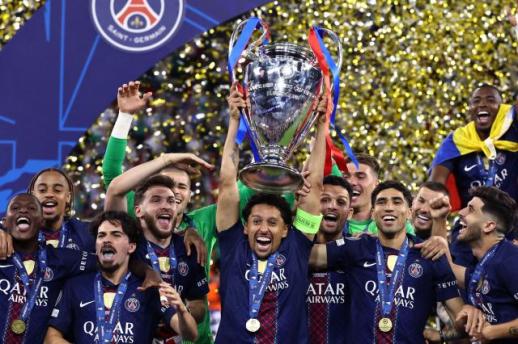 PSG Defeats Arsenal in Penalty Shootout to Win Back-to-Back UCL Titles Paris Saint-Germain (PSG) defeated Arsenal in a penalty shootout to win the UEFA Champions League (UCL) title for the second consecutive year. On May 31, PSG faced Arsenal in the 2025-2026 UCL final at Puskás Aréna in Budapest, Hungary. After a 1-1 draw through extra time, PSG triumphed 4-3 in the shootout. Under the guidance of coach Luis Enrique, PSG claimed its first UCL title last season and has now become the first team to win back-to-back titles since Real Madrid achieved three consecutive victories from the 2015-2016 to 2017-2018 seasons. Additionally, PSG completed the season with a domestic double, having secured the Ligue 1 title with 76 points (24 wins, 4 draws, 6 losses). Arsenal, which reached the UCL final for the first time, was unable to secure its first title, having previously finished as runners-up in the 2005-2006 season. Lee Kang-in, who started the match on the bench, did not play. He also remained on the bench during last season's final. Despite not stepping onto the field, Lee celebrated his 12th title with PSG. In terms of major trophies, he has won Ligue 1 three times, the Coupe de France twice, and the UCL twice, totaling seven major titles. The match began with Arsenal taking control early on. PSG fell behind just six minutes into the game due to a mistake by defender Marquinhos, which allowed Kai Havertz to score the opening goal, putting PSG down 0-1. PSG equalized in the 65th minute when Khvicha Kvaratskhelia was fouled in the penalty area by Cristian Mosquera, leading to a penalty kick. Ousmane Dembélé successfully converted the penalty, leveling the score. The outcome of the final was decided in the penalty shootout. After PSG took the first kick, Arsenal's second kicker, Eberechi Eze, missed his shot. PSG's third kicker, Nuno Mendes, had his attempt saved by Arsenal goalkeeper David Raya. The decisive moment came with the fifth kick. PSG's Lucas Beraldo scored, while Arsenal's Gabriel Magalhães missed, sealing PSG's victory.* This article has been translated by AI. 2026-05-31 07:15:00
 -
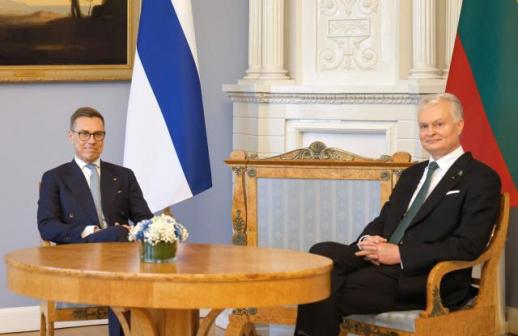 Lithuania Welcomes German Troops Amid Russian Threats Lithuania, a Baltic nation with a history of suffering under Nazi occupation in the 1940s, is now welcoming German troops, according to a report by The New York Times on May 30. As Russia poses a threat to Eastern European countries, Lithuania is embracing the presence of German and U.S. forces as a means of defense. In Vilnius, a local chef, Liutauras Ceprackas, expressed his support for the German troops stationed in the country. He noted that his Lithuanian customers are concerned about the possibility of a Russian invasion. "If the Russian army kills even one German soldier, wouldn’t that lead to war with Germany?" he asked, adding, "That’s why I expect them to keep us safe." This sentiment reflects the fears of Lithuanians, who share a border with Russia. Lithuania borders the Russian exclave of Kaliningrad and Belarus, a close ally of Russia. With a population of 2.89 million and a military of only 14,000, Lithuania is vastly outnumbered by Russia's military forces. Many residents question whether NATO membership alone is sufficient to deter a Russian attack. Despite its historical grievances, Lithuania welcomes the presence of German troops. The 45th Armored Brigade of Germany is noted as the first regular combat brigade deployed abroad since the fall of the Nazis in 1945. The report highlights how rapidly Europe is changing amid growing concerns over Russian aggression in Eastern Europe. The brigade is set to expand to 4,800 troops by next year. Former Lithuanian Defense Minister Raimundas Karoblis stated, "This brigade is strong and well-equipped, essentially giving Lithuania a second army." Since the deployment of German troops began, a survey conducted by the Lithuanian Ministry of Defense in December 2024 found that a majority of local adults support their presence. Local TV news anchor Andrius Tapinas even advised viewers, "If you see German soldiers, you should buy them a beer." A German officer recounted an encounter with a local jogger who thanked him in German for being there. The New York Times noted that for many Lithuanians, the fear of the Soviet troops that withdrew in 1993 looms larger than the memories of Nazi occupation. Today, Germany represents a democratic Europe, while Russia, especially in light of the war in Ukraine, evokes fears of invasion. Lithuania is also seeking to host 5,000 U.S. troops as part of its defense strategy. According to reports, President Gitanas Nausėda emphasized earlier this month that over 1,000 U.S. troops are currently stationed in a rotational capacity, stating, "Lithuania is ready to accept more allies and has all the necessary infrastructure for training and deployment." Additionally, Lithuania plans to send 40 troops to support U.S.-led operations for freedom of navigation in the Strait of Hormuz. This initiative is pending approval from the National Defense Committee and a parliamentary vote, reflecting Lithuania's commitment to attracting more U.S. forces even while sending a small contingent to the Iran conflict. 2026-05-31 05:54:00
 -
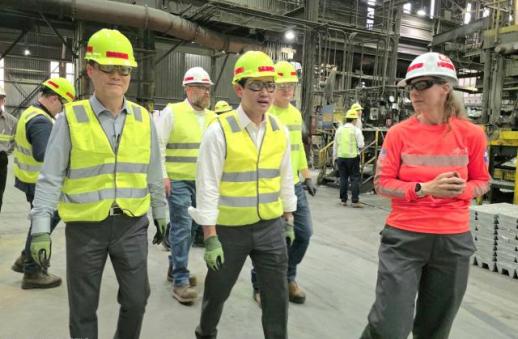 Korean Industry Accelerates Strategic Mineral Investments Amid Global Economic Concerns Domestic industries are ramping up investments in strategic minerals despite concerns over a global economic slowdown and declining profitability. The prolonged competition for supply chain dominance between the U.S. and China has made securing strategic minerals a key factor in future corporate competitiveness. According to industry sources on May 30, domestic companies involved in secondary battery materials and manufacturing are continuing to invest in minerals to secure future growth drivers, even as they face increased investment burdens due to poor market conditions. POSCO Group is taking the most proactive approach. POSCO Holdings signed an investment agreement worth approximately $765 million with Mineral Resources, a local mining and services company in Perth, Australia, last month. This investment comes less than a month after the company secured a large-scale lithium brine resource in Argentina. Analysts view this as a preemptive investment considering the long-term growth potential, despite a slowdown in electric vehicle demand and falling lithium prices. Korea Zinc is also increasing its presence in the competition for strategic minerals. The company, through its subsidiaries KEMCO and Korea Precious Metals Corporation (KPC), has established a supply chain from nickel sulfate to precursors and is pursuing a project called Crucible to build an integrated smelter in Tennessee, USA. Recently, it has been reported that the Australian government has proposed establishing an integrated smelting system that encompasses not only zinc but also lead and copper, based on its local subsidiary SMC. The three major domestic battery manufacturers—LG Energy Solution, Samsung SDI, and SK On—are prioritizing the stabilization of their mineral supply chains. These companies are expanding long-term supply contracts for key raw materials such as lithium, nickel, and cobalt while enhancing their competitiveness in securing raw materials through equity investments in mines and joint ventures. Following the implementation of the U.S. Inflation Reduction Act (IRA), they are also accelerating the establishment of supply chains focused on allied countries like North America and Australia. EcoPro, a materials specialist, is strengthening its supply chain competitiveness in the European market. After completing a cathode material factory in Debrecen, Hungary, last November, the company is set to begin mass production in the first half of this year. EcoPro is the first domestic battery materials company to establish a local production base in Europe. These strategic mineral investments by companies are closely tied to securing future growth opportunities. Demand for key minerals such as lithium, nickel, and copper is expected to steadily increase due to the expansion of new industries like AI data centers, power grids, and energy storage systems (ESS). An industry insider noted, "Mineral projects typically take years from investment to production, making it difficult to approach them based solely on short-term market conditions. The mines and smelting capabilities secured now will directly impact future supply chain competitiveness, so companies are focusing more on long-term growth than short-term market conditions."* This article has been translated by AI. 2026-05-31 05:03:00
 -
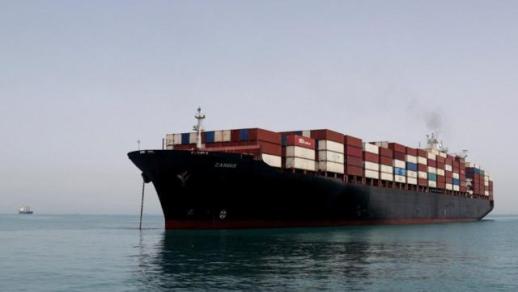 U.S. Prohibits Agreements with Iran for Passage Through Hormuz Strait The U.S. government has banned all agreements with Iran regarding passage through the Hormuz Strait, regardless of whether tolls are paid. According to an updated statement from the U.S. Treasury Department on May 29, "Americans should not utilize any services provided by the Iranian government, including safe passage services, regardless of toll payment." This move signifies a prohibition on contacting the Iranian government or seeking safety assurances for passage, reflecting a refusal to acknowledge Iran's control over the strait. Previously, Iran had effectively blocked the Hormuz Strait following the outbreak of war, establishing the Persian Gulf Shipping Authority (PGSA) to manage passage and imposing tolls of up to $2 million per vessel. The Treasury Department's Office of Foreign Assets Control (OFAC) has added individuals and entities cooperating with the PGSA to its Specially Designated Nationals (SDN) list, intensifying pressure on Iran's maritime control system.* This article has been translated by AI. 2026-05-30 21:45:00
 -
 Korea Railroad Corporation to Resume Full Train Services Starting May 31 Korea Railroad Corporation to Resume Full Train Services Starting May 31 Train services disrupted by the collapse of the Seosomun overpass in Seoul will return to normal on May 31. Korea Railroad Corporation (KORAIL) announced on May 30 that it has completed recovery efforts by mobilizing all available resources and will resume full train operations starting May 31. According to KORAIL, the railway authorities conducted recovery work on railway facilities following the completion of the overpass demolition by the Seoul city government. This included the removal and installation of new electric poles, overhead lines, cable laying, and signal equipment installation. Safety checks, including track inspections and test runs of trains, were also conducted overnight. KORAIL explained that it decided to gradually deploy trains after completing inspections and maintenance, allowing for the resumption of all train services on May 31. Earlier, KORAIL resumed operations on the Gyeongui Line on the morning of May 30, just four days after the collapse. The KTX trains on the Gangneung Line and the Central Line between Seoul and Cheongnyangni also returned to normal service on the same day. KORAIL President Kim Tae-seung stated, "Due to the accident, we were unable to store trains at Haengsin Station (KTX) and Susaek Station (regular trains), but we have been preparing for normalization by gradually replacing the trains that were undergoing temporary maintenance starting May 30. We will repay the public's trust and patience with safer and more convenient rail services." Trump's Health Checkup Results 'Good'; Physician Recommends Weight Loss President Donald Trump received a generally positive assessment of his health during a recent routine checkup, but his medical team advised him to lose weight and manage his diet. According to reports from CNN and other outlets on May 29, Trump's physician, Sean Conley, stated in a health report released by the White House that "President Trump’s overall physical functions, including heart, lungs, and neurological systems, are in very good condition," and that he is "fully fit for duty as Commander-in-Chief and Head of State." The medical team evaluated Trump's heart health as being approximately 14 years younger than his actual age. Symptoms of leg swelling due to chronic venous insufficiency, noted in last year's checkup, have reportedly improved. Neurological tests indicated that his mental state, brain function, sensory responses, reflexes, gait, and balance were all normal. Notably, in the Montreal Cognitive Assessment (MCA), which checks for mild cognitive impairment and early dementia, he scored a perfect 30 out of 30. However, the need for weight management was highlighted. Trump's weight was recorded at approximately 108 kg (238 pounds), an increase of about 6 kg since his health checkup in April of the previous year. His physician recommended ongoing weight loss and dietary adjustments. Additionally, the medical team advised him to take low-dose aspirin. Trump has previously stated in interviews that he takes 325 mg of aspirin daily, which is higher than the typical recommended dose of 81 mg. Early Voting Rate for National Assembly By-Elections at 24.12%; Daegu's Lowest The early voting for the National Assembly by-elections, held concurrently with the June 3 local elections, concluded on May 30 with a final turnout rate of 24.12%. According to the National Election Commission, 546,757 out of 2,267,121 eligible voters participated in the early voting conducted from 6 a.m. to 6 p.m. on May 30. Among the 14 electoral districts nationwide, Gunsan, Gimje, and Buan in North Jeolla Province recorded the highest turnout at 42.59%. This was followed by Gongju, Buyeo, and Cheongyang in South Chungcheong Province at 30.16%, and Gunsan, Gimje, and Buan Gap in North Jeolla Province at 29.71%. In contrast, Daegu Dalseong had the lowest early voting rate at 17.56%. The competitive district of Pyeongtaek in Gyeonggi Province also saw a low turnout of 18.39%, falling below the national average. The early voting rate in the representative battleground of Busan Buk-gap was 25.57%, above the national average. In this district, Democratic Party candidate Ha Jung-woo is competing against People Power Party candidate Park Min-sik and independent candidate Han Dong-hoon. In Pyeongtaek, Democratic Party candidate Kim Yong-nam is facing off against People Power Party candidate Yoo Ui-dong and Justice Party candidate Cho Guk. Attention is focused on the results of the main voting. Defense Minister Ahn Kyung-bak: Strengthening US-Korea Alliance and Self-Defense Defense Minister Ahn Kyung-bak announced plans to pursue a security strategy that strengthens the US-Korea alliance while enhancing South Korea's self-defense capabilities in response to North Korea's nuclear and missile threats and deepening military cooperation between North Korea and Russia. On May 30, during a speech at the 23rd Asia Security Conference (Shangri-La Dialogue) in Singapore, Ahn addressed the topic of 'Regional Security Challenges and South Korea's Strategic Response.' Ahn noted the advancement of North Korea's nuclear and missile capabilities and its hostile stance toward South Korea, stating, "The situation on the Korean Peninsula is a major variable in global security." He emphasized the need to maintain a robust US-Korea joint defense posture while actively pursuing independent capabilities for the defense of the Korean Peninsula. To counter the North Korean threat, he outlined plans to enhance the Korean-style three-axis system and deepen cooperation with the US on extended deterrence. He also mentioned accelerating the development of AI-based detection and strike systems, as well as strengthening cyber and space capabilities. Ahn highlighted the importance of international security cooperation, particularly regarding the Strait of Hormuz, stating, "We recognize the importance of ensuring freedom of navigation based on international law" and that South Korea is reviewing practical contributions to international efforts for the safety of the strait. He added, "Maintaining stability on the Korean Peninsula is directly linked to global peace," and expressed his commitment to building a sustainable peace coexistence system through dialogue between the North and South while maintaining strong deterrence. In a conversation with reporters, Ahn addressed the recent controversy surrounding the US Forces Korea Commander's remarks about South Korea being a 'dagger' to China, stating, "I communicate regularly with US Secretary of Defense Lloyd Austin, so I do not consider it a significant issue." He also praised Austin's positive assessment of South Korea's nuclear-powered submarines and the transition of wartime operational control, calling it a meaningful statement that demonstrates trust in the alliance. Korea and Japan Navies to Conduct Search and Rescue Training on June 7 The South Korean Navy and the Japan Maritime Self-Defense Force will conduct a search and rescue training exercise (SAREX) on June 7. This training, which has been suspended since 2017, marks a significant step toward restoring defense cooperation between the two countries. On May 30, Defense Minister Ahn Kyung-bak announced this during a bilateral meeting with Japanese Defense Minister Shinjiro Koizumi at the 23rd Asia Security Conference (Shangri-La Dialogue) in Singapore. Ahn stated, "The resumption of training after nine years carries symbolic and declarative significance," and emphasized the need for both countries to further develop and deepen this cooperation. The Korea-Japan search and rescue training is designed to review procedures for joint responses when maritime accidents occur near the Korean Peninsula. Initiated in 1999, the training was conducted biennially but was halted in 2017 due to defense exchanges being disrupted by controversies over the Rising Sun Flag and conflicts over patrol aircraft. Both countries attempted to resume training last year, but it was canceled due to issues related to the Black Eagles' refueling support. After ongoing discussions to restore defense exchanges, they reached an agreement to resume training earlier this year during a defense ministerial meeting and have been coordinating the timing. Koizumi emphasized the necessity of cooperation between the two countries given the current challenging security environment, stating, "Korea and Japan must take the lead in efforts for peace and stability in the Indo-Pacific region." US Military Supports 'Dark Transit' as Ships Pass Through Hormuz As Iran continues to blockade the Strait of Hormuz, some vessels are reportedly engaging in 'dark transit'—passing through the strait with their Automatic Identification Systems (AIS) turned off while receiving support from the US military, according to a report by The Wall Street Journal on May 29. The report indicates that in recent weeks, supertankers and LNG carriers transporting oil and liquefied natural gas have been taking risks to navigate the Strait of Hormuz. Dark transit involves minimizing ship lighting and operating with AIS disabled to reduce the risk of detection and attack by Iran. However, operating without AIS makes it difficult to track the positions of nearby vessels, increasing the risk of collisions and requiring skilled navigation. The Wall Street Journal reported that the US military is communicating with these vessels, advising them on when to disable their AIS and how to respond to threats from Iran. The issue of passage through the Strait of Hormuz remains a key point in ongoing negotiations between the US and Iran regarding a ceasefire. The US maintains that the Strait of Hormuz should be open to all vessels under international law, while Iran claims control over the strait and the authority to impose tolls. On May 27, the US Treasury Department's Office of Foreign Assets Control (OFAC) added the Persian Gulf Shipping Association (PGSA), established by Iran, to its sanctions list, aiming to curb Iran's attempts to impose tolls. Despite some vessels successfully navigating the strait through dark transit, the overall volume of traffic remains significantly below pre-war levels. The risk of war has driven insurance rates for vessels to soar, reaching 2.5% to 4% of the ship's value, increasing the burden on vessels remaining in the Persian Gulf, according to the Wall Street Journal.* This article has been translated by AI. 2026-05-30 21:33:00
 -
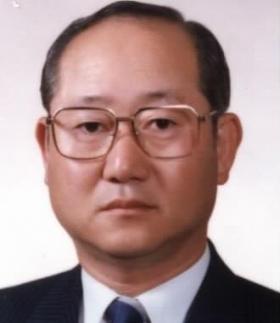 Former Vice Minister Lee Byeong-gi Passes Away, Key Figure in Saemangeum Project Lee Byeong-gi, the former Vice Minister of Agriculture, Food and Rural Affairs, who played a pivotal role in the development of 400,000 hectares of reclaimed farmland along the southwestern coast, has died at the age of 87. According to Yonhap News on May 30, Lee's family reported that he passed away at 10:20 a.m. that day. During his tenure as the Director of the Land Division at the Ministry of Agriculture in the 1970s, Lee conducted a nationwide survey of tidal flats and established the master plan for the southwestern coastal reclamation project, which later led to the Saemangeum reclamation project and the Seosan reclamation project. In 1976, the Ministry of Agriculture submitted a plan to President Park Chung-hee to reclaim 400,000 hectares of land along the southwestern coast to establish a self-sufficient food supply. This plan was approved by the government in 1978, confirming the southwestern coastal reclamation project. Born in Busan in 1939, Lee graduated from Busan High School and Seoul National University with a degree in law. He passed the civil service exam in 1961 and worked in the Economic Planning Board and the Presidential Secretariat, contributing to national land development policies. Lee held various positions in the Ministry of Agriculture, including Director of the Land Division and Director of Agricultural Economics, where he designed key agricultural policies such as the establishment of the Garak-dong Agricultural and Fishery Wholesale Market. He served as Vice Minister of Agriculture, Food and Rural Affairs in 1988.* This article has been translated by AI. 2026-05-30 20:57:00