
Journalist

Lee Wang-hwi
-
 Inflation Rate at 12.6% and Trade Deficit of $5.3 Billion: Records Connecting DJ and the World For the first time, notes written by the late Lee Hee-ho while preparing for visits to her husband, former President Kim Dae-jung, during his imprisonment have been made public. With the 46th anniversary of the May 18 Democratic Uprising approaching, the release of this book, which includes the couple's 'Prison Records,' is expected to resonate with the spirit of forgiveness and tolerance that Kim emphasized in the political arena. On May 14, the Kim Dae-jung Library at Yonsei University held a press conference in Mapo-gu, Seoul, to introduce the book 'Kim Dae-jung and Lee Hee-ho's Prison Records.' Published by Hangilsa, the book compiles various records from Kim's imprisonment during the March 1 Democratic National Declaration incident in 1976 and the 1980 conspiracy to commit insurrection. Notably, the book includes previously unreleased materials, such as notes Lee Hee-ho wrote between June 1981 and March 1982 for her visits to Kim Dae-jung, as well as letters she sent to advocate for his release. To efficiently convey domestic and international situations to Kim during their brief 10-minute meetings, she prepared notes in advance. On January 20, 1982, she recorded key economic indicators for Kim, including a 7.1% growth in Gross National Product (GNP), a per capita income of $1,636 (the same level as in 1979), an inflation rate of 12.6% for retail, and a trade deficit of $5.3 billion with exports at $21 billion and imports at $26.3 billion. Park Myung-rim, Director of the Kim Dae-jung Library, stated, "The notes encapsulate and summarize the realities of Korea and the world, accompanied by Lee's high-level analysis. It appears that she played a crucial role in helping Kim maintain his sense of reality and grasp global trends while imprisoned." During the press conference, Kim Hong-gul, the son of Kim Dae-jung, recalled anecdotes about his parents. He noted, "After my father was imprisoned, my mother consistently connected with families of other detainees and continued to inform the world about the situation under the Korean dictatorship. It is very meaningful that these related records are being published for a wider audience." The publication of the book has sparked calls for the South Korean political sphere to reflect on the spirit of forgiveness, reconciliation, and tolerance that Kim Dae-jung emphasized. While on death row, Kim stated, "Even if I die, there should never be political revenge again." After being elected as the 15th president, he took steps toward national unity, including pursuing pardons for former presidents Chun Doo-hwan and Roh Tae-woo. Kim Sung-jae, who served as the Chief of Civil Affairs and Policy Planning Secretary and Minister of Culture and Tourism during the Kim Dae-jung administration, criticized the current political climate, saying, "Politicians are only seeking political power and engaging in politics for personal gain." He added, "In his prison memoirs, Kim Dae-jung wrote, 'Without forgiveness and reconciliation, our nation cannot move forward.' While both parties talk about the spirit of Kim Dae-jung, the most important aspect of that spirit is indeed reconciliation and forgiveness."* This article has been translated by AI. 2026-05-15 02:55:32
 -
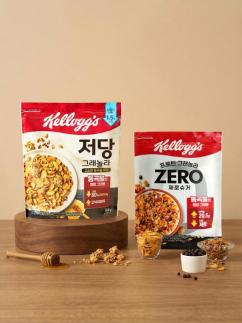 Kellogg Expands Granola Line to Align with 'Pixel Life' Trend Recent trends in the food market show a shift in consumer preferences, leading to changes in how granola products are selected. As health management approaches diversify, there is a growing trend to differentiate between low-sugar and zero-sugar products based on consumption context and goals. According to industry sources, the so-called 'Pixel Life' trend is gaining attention in the consumer market. This trend emphasizes choosing products that align with individual lifestyles and preferences rather than following a single trend. This shift is influencing the strategies of food companies regarding low-sugar and zero-sugar products. The Korea Agro-Fisheries & Food Trade Corporation (aT) reported that the global zero-sugar food and beverage market reached $17.92 billion in 2022 and is projected to grow at an average annual rate of 4% through 2027. Companies are not only launching products with reduced sugar content but are also accelerating the segmentation of products to meet specific consumer needs. Kellogg is responding to this trend by focusing on its granola lineup. Kellogg's 'Low Sugar Granola' maintains a texture and taste centered on whole grains while reducing sugar content, targeting consumers looking for light meal alternatives for breakfast or snacks. The 'Protein Granola Zero Sugar' is designed for those managing their diet or looking for a pre- or post-workout option, featuring enhanced protein content and no added sugars. A Kellogg representative stated, "Recently, consumers tend to distinguish between low-sugar and zero-sugar products within the same granola category based on their situations, such as breakfast, snacks, or pre/post-workout. We plan to continue expanding our variety of options to align with changing consumer lifestyles." The trend toward expanding low-sugar products is evident across the food industry. Daesang has introduced the 'Low Tag' emblem for its low-sugar and low-calorie product line since last year, focusing on sauces and condiments. CJ CheilJedang launched nine low-sugar products under the 'Sugar Light' brand, including bulgogi seasoning, salad dressings, and oyster sauce. Lotte Wellfood is also targeting domestic and international markets with its sugar-free dessert brand 'ZERO.'* This article has been translated by AI. 2026-05-15 02:53:35
 -
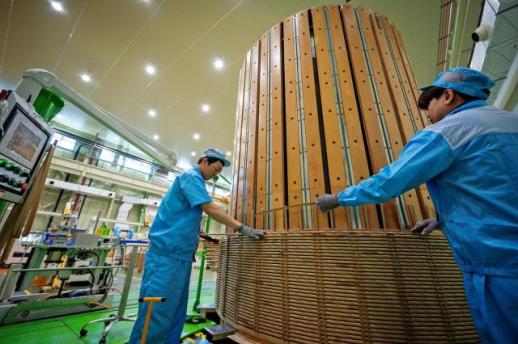 Surging Copper Prices Boost Power Equipment Sector Amid AI Supercycle Copper prices are nearing record highs due to the prolonged conflict in the Middle East and increasing global demand, creating a favorable outlook for the domestic power equipment industry. The demand for transformers and circuit breakers has surged, driven by the need to upgrade North American power grids and the expansion of artificial intelligence data centers (AIDC), placing the sector in a supercycle. Additionally, manufacturers are able to pass on rising costs to consumers, further accelerating this supercycle. As of May 14, copper prices on the London Metal Exchange have surpassed $14,400 per ton, continuing their upward trend. This marks a nearly 40% increase from last May's price of $10,360 per ton and a 10% rise from approximately $13,150 per ton at the beginning of this year. Copper constitutes about 20% of the weight of transformers, making the industry particularly sensitive to fluctuations in copper prices. Typically, rising raw material costs pose challenges for manufacturers. However, the current power equipment market is characterized by supplier dominance, allowing companies to effectively pass on these cost increases to their prices. Notably, there is a growing demand for high-value products such as high-voltage transformers and low-loss transformers for AI data centers, with the rise in copper prices supporting this trend. Hyosung Heavy Industries has seen an increase in high-voltage transformer orders, particularly in North America and Europe. The proportion of low-cost orders has decreased, and high-value projects are beginning to positively impact profitability. In the first quarter, the company secured approximately 4 trillion won in new orders, becoming the first domestic power equipment firm to exceed a backlog of 15 trillion won. HD Hyundai Electric has also benefited from the booming North American high-voltage transformer market, with its operating profit margin rising above 20% in the first quarter. The company has already achieved 42.6% of its annual order target of $4.222 billion and has secured orders extending to 2029. LS Electric is demonstrating strength in the medium and low-voltage distribution equipment sector for AI data centers. The company recorded its highest-ever performance in the first quarter and is planning to expand its distribution equipment at the Bestrop site in Texas, while also considering expansions at its Southeast Asian factories in Vietnam. Industry insiders are optimistic that the growth of the AI sector will lead to stable growth for the power equipment industry. The four major domestic power equipment companies have already secured workloads for at least three years. Furthermore, demand for high-voltage power equipment is expected to continue rising not only in North America but also domestically, driven by semiconductor clusters, AI data centers, and new industrial complexes. One industry official stated, "Given that the market is currently supplier-driven, when raw material prices rise, companies can pass those costs onto consumers. Thus, even with rising raw material prices, supplying companies may see increased revenues."* This article has been translated by AI. 2026-05-15 02:51:45
 -
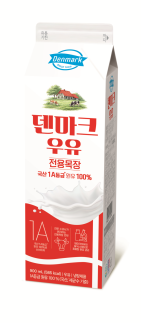 Dongwon F&B Launches 'Denmark Milk' Made from Premium Grade A Milk Dongwon F&B announced on May 14 that it has launched a new product, 'Denmark Milk,' made from premium Grade A milk sourced from its dedicated farms. The new product features only Grade A milk produced at approximately 60 dedicated farms operated by Dongwon F&B. A veterinary management system is in place to oversee the farm environment and the health of the dairy cows, ensuring high milk quality. The company has also strengthened its management system to maintain milk freshness. It has optimized the transportation route from the farms to the factory and ensures that the milk is stored at temperatures below 7 degrees Celsius throughout the production and distribution process. Dongwon F&B conducts milk testing using its own quality control system, the 'NF (Nature Fresh) System.' This involves sensory and physicochemical tests across four stages: upon arrival at the farm and factory, and before and after production, with a total of 14 inspection items. Only milk that meets the standards is used for product manufacturing. A Dongwon F&B representative stated, "We have applied strict standards to every process from milking to quality control and low-temperature distribution. We plan to continue our efforts to deliver the inherent freshness of milk to consumers." The product is available in a 900ml package and is priced at 3,280 won. It will be sold at major supermarkets and discount stores nationwide. Denmark is a dairy brand that was established in 1985 as a joint venture between Korea and Denmark. It currently operates as Dongwon F&B's premium dairy brand, offering a variety of products including milk, fermented milk, and cheese. Recently, there has been a noticeable trend in the milk market prioritizing freshness and quality over price. According to a survey conducted by the Korea Dairy Promotion Committee in November of last year, 57.7% of 3,000 consumers nationwide identified 'freshness' as the most important factor when purchasing milk, while only 13.8% prioritized price.* This article has been translated by AI. 2026-05-15 02:49:12
 -
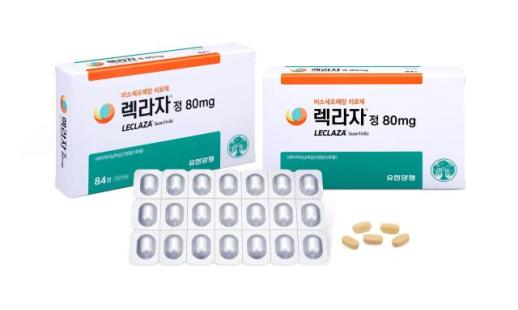 Yuhan Corporation to Receive $30 Million Milestone for Lazertinib in Europe Yuhan Corporation announced on May 14 that it is set to receive a $30 million milestone payment related to the commercialization of its non-small cell lung cancer treatment, Lazertinib, in Europe, following its technology transfer to Janssen Biotech. This milestone payment is part of a series of payments tied to the European commercialization of Lazertinib and Janssen Biotech's Amivantamab combination therapy. Although Yuhan's performance in the first quarter fell short of market expectations, the entry of Lazertinib into the European market has raised hopes for improved financial results. With this payment, the total cumulative milestone payments Yuhan has received for Lazertinib (known domestically as Lazertinib) has reached $300 million, including the initial contract fee. The total milestone payments Yuhan is set to receive amount to $950 million, of which approximately one-third has been received to date. Additionally, Yuhan has begun receiving revenue-based royalties from the combination therapy prescriptions starting in 2024, and the European commercialization is expected to lead to an increase in royalties due to expanded global sales. Lazertinib is expanding its market presence across four continents: Asia, Europe, America, and Oceania. Notably, it was included in the National Comprehensive Cancer Network (NCCN) guidelines last November as the preferred first-line treatment for EGFR mutation-positive non-small cell lung cancer, establishing itself as a global standard treatment option.* This article has been translated by AI. 2026-05-15 02:48:42
 -
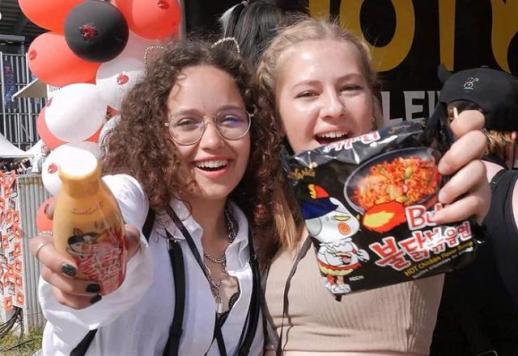 Food Industry Faces Challenges Despite Strong First Quarter Sales Major South Korean food companies reported strong performances in the first quarter of this year, driven by growth in their overseas operations. The expansion of global sales amid the K-food craze has allowed these companies to successfully defend against domestic and international uncertainties. However, as the second quarter approaches, concerns are rising due to the prolonged conflict in the Middle East, which is expected to impact raw material and packaging costs, alongside high exchange rates. According to data from the Financial Supervisory Service on May 14, CJ CheilJedang recorded consolidated sales of 7.111 trillion won and an operating profit of 238.1 billion won for the first quarter. Despite a decline of 17.2% in overall operating profit due to poor performance in its bio business, sales from global strategic products, including dumplings, surged to 3.0384 trillion won, with operating profit increasing by 11.2% to 143 billion won compared to the same period last year. Lotte Wellfood saw its operating profit soar by 118.4% to 35.8 billion won, driven by growth in its overseas operations in India and Kazakhstan. Lotte Chilsung Beverage also reported a 91% increase in operating profit to 47.8 billion won, bolstered by strong exports of its Milkis and LetsBe brands. Notably, profitability from overseas subsidiaries in the Philippines, Pakistan, and Myanmar has improved, raising the global segment's share of total sales to 46%. Samyang Foods set a new quarterly record, fueled by the popularity of its Buldak brand. With European sales skyrocketing by 215%, all overseas subsidiaries recorded double-digit growth, leading to first-quarter sales of 714.4 billion won and an operating profit of 177.1 billion won, marking increases of 35% and 32%, respectively. Orion continued its growth trajectory, with first-quarter sales reaching 934.9 billion won, up 16%, and operating profit rising by 27.7% to 169.1 billion won, thanks to strong sales in Russia and China. Nongshim is also expected to report first-quarter sales of 925.7 billion won and operating profit of 60.3 billion won, reflecting improvements of 3.7% and 7.5%, respectively, based on market estimates. These results stem from a combination of aggressive overseas market strategies and rigorous cost-efficiency measures. Major companies have focused on enhancing profitability by streamlining low-margin businesses and increasing their international presence. While concerns about rising costs due to supply chain disruptions from the Middle East have emerged, companies have managed to mitigate the impact on their performance by utilizing existing inventory. However, the effectiveness of this 'holding strategy' may diminish as the second quarter progresses. The ongoing conflict in the Middle East and persistent high exchange rates have driven naphtha prices, a key raw material for packaging, up by more than 70% since the beginning of the year, with packaging costs themselves increasing by 20-30%. Additionally, the won-dollar exchange rate is threatening to breach the 1,500 won mark, exacerbating the burden of imported raw materials and logistics costs. Compounding these challenges, the government's strict price stability measures are limiting companies' flexibility. Chief Presidential Secretary Kang Hoon-sik instructed relevant ministries during a senior secretary meeting on May 11 to prevent excessive price increases under the pretext of rising oil prices, stating, "The war on inflation is just beginning." An industry insider noted, "So far, we have been managing through inventory and cost-cutting measures, but if supply instability from the Middle East continues, we may need to adjust our production strategies for key products. The overall atmosphere in the industry is one of concern over defending profitability."* This article has been translated by AI. 2026-05-15 02:46:15
 -
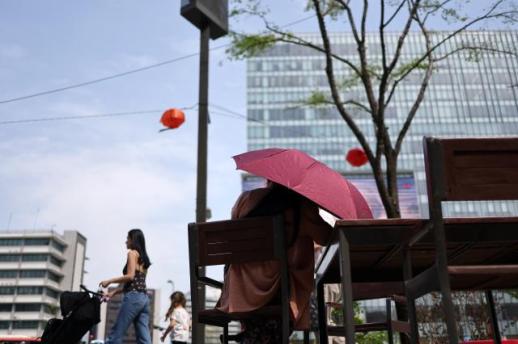 Weather Forecast: Clear Skies and Early Summer Heat Across the Country On Friday, May 15, clear skies and clean air are expected nationwide, with daytime temperatures exceeding 30 degrees Celsius in some areas. According to the Korea Meteorological Administration on May 14, morning lows are forecasted to range from 10 to 17 degrees Celsius, while daytime highs will be between 22 and 32 degrees Celsius. The early summer weather is expected to remain above the seasonal averages (morning lows of 10 to 14 degrees and daytime highs of 20 to 25 degrees). Morning low temperatures across the country are expected to be: △Seoul 17 degrees △Incheon 16 degrees △Chuncheon 13 degrees △Gangneung 13 degrees △Daejeon 14 degrees △Daegu 13 degrees △Jeonju 15 degrees △Gwangju 15 degrees △Busan 15 degrees △Jeju 16 degrees. In Seoul, the daytime high is predicted to reach 31 degrees. Other expected daytime highs include: △Incheon 28 degrees △Chuncheon 30 degrees △Gangneung 25 degrees △Daejeon 30 degrees △Daegu 29 degrees △Jeonju 30 degrees △Gwangju 29 degrees △Busan 23 degrees △Jeju 24 degrees. Air quality is expected to be at good to moderate levels nationwide. Fog is anticipated over the West and East Seas, particularly in some island regions where visibility may drop below 200 meters, accompanied by light rain. Caution is advised for maritime safety due to these conditions. Waves in the seas are expected to be around 0.5 to 1.0 meters in the East and South Seas, and about 0.5 meters in the West Sea. In the offshore areas (approximately 200 kilometers from the coastline), wave heights are forecasted to be 0.5 to 1.5 meters in the East Sea, 0.5 to 1.0 meters in the West Sea, and 0.5 to 2.0 meters in the South Sea.* This article has been translated by AI. 2026-05-15 02:44:07
 -
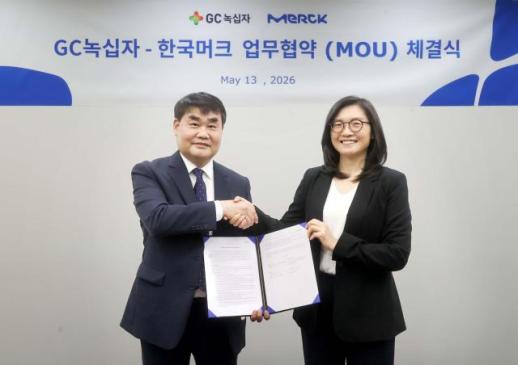 GC Green Cross Partners with Merck to Expand Biopharmaceutical Production and Supply Cooperation GC Green Cross, known for its blood product 'Aliglo,' announced on May 14 that it has signed a strategic memorandum of understanding (MOU) with global science and technology company Merck Life Science to enhance cooperation in biopharmaceutical development and Good Manufacturing Practice (GMP) production processes. The signing ceremony took place at Merck's headquarters in Gangnam, Seoul, attended by Kim Young-im, head of Merck Life Science Process Solutions Business, and Shin Woong, head of operations at GC Green Cross. Under this agreement, GC Green Cross aims to strengthen its supply chain for raw materials necessary for biopharmaceutical production and establish a cooperative system to enhance manufacturing efficiency and supply stability. This strategy targets both the profitable blood products and vaccines market as well as the global rare disease sector. Merck will provide a comprehensive cooperation system covering everything from raw material procurement to process technology support. The company plans to manage supply chain risks proactively by ensuring a stable supply of products that meet strict quality standards. The two companies plan to operate regular process consultation meetings to strengthen technical cooperation for manufacturing efficiency. This will facilitate the sharing of the latest process technology information, enhance quality competitiveness, and continuously seek opportunities for joint research and development (R&D). Shin Woong stated, "This collaboration will strengthen the foundation for producing and supplying essential medicines and treatments for major rare diseases. We will minimize manufacturing risks and enhance quality competitiveness through process optimization and technical cooperation."* This article has been translated by AI. 2026-05-15 02:43:06
 -
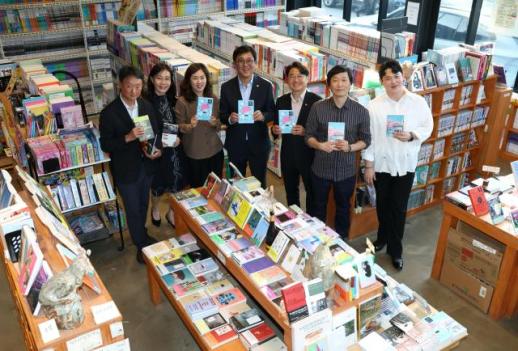 Local Bookstores Struggle to Stock Popular Titles in Miryang "When author Han Kang won the Nobel Prize, our bookstore didn’t receive a single book for two weeks. Only now are we starting to see some titles come in. Customers were disappointed, saying, 'I came to support the local bookstore, but how can there be no books when they’re all available online?' It was embarrassing." Shin Chang-seob, the owner of Cheonghak Bookstore, which has been operating in Miryang, South Gyeongsang Province, for two generations, made these remarks during a meeting aimed at revitalizing local bookstores on May 14. Shin explained, "When popular authors or politicians publish books, most of the distribution is handled in Seoul, so we often don’t receive them. After experiencing this several times, I’ve even thought it might be better if blockbuster titles didn’t come out at all. It’s disheartening." During the meeting, Minister of Culture, Sports and Tourism Choi Hwi-young listened to the concerns of representatives from five local bookstores in Miryang: Cheonghak Bookstore Sammun Branch, Cheonghak Bookstore Milgo Branch, Dongah Bookstore, Miribeol Bookstore, and Donghaeng Seorim. After hearing Shin’s frustrations, Minister Choi stated, "Books have a public nature. People want to see books everywhere. I will look into whether specific distributors are monopolizing the supply and will work on ensuring a balanced distribution." Choi noted, "As our country’s reading rate has rapidly declined, the number of local bookstores serving as community hubs is also decreasing. The President has been very interested in this issue since his time as a local government leader and continues to press for improvements." He added, "I will strive to create conditions necessary for the survival of local bookstores through various institutional improvements, including school library supplies." Representatives from local bookstores expressed a sense of hopelessness, with Lee Chan-hee, owner of Miribeol Bookstore, stating, "Forget about supplies; there are hardly any customers in the store. Since the pandemic shifted retail patterns online, customers have not returned. That’s the biggest problem." He requested, "I hope solutions can be researched and provided." There were also calls for improvements in school supply processes. Shin Kwan-seob, owner of Dongah Bookstore, pointed out, "Schools buy many books, even if they are not libraries, but a significant portion of those purchases go to online retailers." He criticized the complex purchasing process for local bookstores compared to online options and called for action against local bookstores that lack physical stores but still intercept school orders. Demands for reform of the fixed book price system were also raised. Shin Chang-seob remarked, "The current fixed book price system effectively caps discounts at 15%. The so-called big three—Kyobo, Aladin, and Yes24—maintain this 15% discount, forcing all bookstores to comply. After maintaining this for over 20 years, we had to reduce it to 10% last year due to financial strain. With a 15% discount, we are left with only 2-3% after accounting for logistics and salaries." In response to concerns about school supplies, Minister Choi said, "I will discuss this with the Ministry of Education," and regarding the fixed book price system, he stated, "I will look into how we can improve it." Meanwhile, the Ministry of Culture plans to gather opinions on policy support to revitalize local bookstores and incorporate them into next year’s budget. The ministry aims to ensure the sustainability of local bookstores, allowing residents and tourists to visit, read, communicate, and enjoy diverse experiences through books.* This article has been translated by AI. 2026-05-15 02:41:19
 -
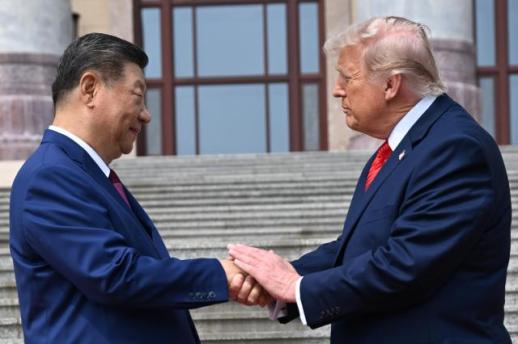 Trump and Xi Agree on Maintaining Hormuz Strait Access and Iran Nuclear Deal Donald Trump, the President of the United States, and Xi Jinping, the President of China, agreed on the importance of maintaining access to the Strait of Hormuz and the principle that Iran should not possess nuclear weapons, the White House announced on May 14. According to reports from Bloomberg and NBC, a White House official stated that Trump had a "good meeting" with Xi during their summit. The two leaders exchanged views on the situation in the Middle East. The White House official noted that both Trump and Xi concurred on the necessity of keeping the Strait of Hormuz open. Additionally, the U.S. side reported that Xi made it clear that China opposes the militarization of the Strait of Hormuz. On the issue of Iran's nuclear program, both sides agreed that Iran must never acquire nuclear weapons. The leaders also discussed economic matters, including plans for China to increase its purchases of U.S. agricultural products. Xi expressed interest in buying additional U.S. crude oil. Furthermore, the two leaders acknowledged the need to prevent the influx of fentanyl precursors into the United States, according to the official. The summit lasted over two hours, starting at 10:15 a.m. and concluding at 12:30 p.m. This duration was notably longer than the approximately 100 minutes of the previous U.S.-China summit held in Busan last October.* This article has been translated by AI. 2026-05-15 02:39:03