

Journalist

Lester Munson
-
 Vietnamese Securities Firms Thrive on Lending, Not Banking Securities firms in Vietnam, despite not being banks, have expanded their lending operations, achieving a record profit of 112 trillion dong (approximately $6.44 billion) in the first quarter. As proprietary trading and brokerage activities slowed, lending accounted for 36% of total revenue, driving overall performance. However, with a margin balance reaching 415 trillion dong (23.86 trillion won), concerns have been raised about potential burdens during market corrections. On May 31, local media outlet VnExpress reported that the revenue generated from lending activities exceeded 112 trillion dong, marking an all-time high. The proportion of revenue from lending, which typically ranged from 28% to 30%, increased to 36% this quarter. Securities firms have various revenue sources, including brokerage, margin lending, proprietary trading, investment banking, and underwriting. However, they have actively expanded their lending divisions in recent years. The VN-Index surpassed 1,900 points this year but experienced significant volatility, dropping more than 200 points in March alone. Consequently, the reliance on proprietary trading revenue, which is highly dependent on market conditions, has decreased for two consecutive quarters, lowering its overall contribution to total revenue. The brokerage sector has also been affected by intense competition leading to reduced fees. ◆ Loan Balance Reaches 420 Trillion Dong... Margin Stands at 415 Trillion Dong As of March 31, the total loan balance for clients exceeded 420 trillion dong, with 415 trillion dong allocated for margin trading, an increase of approximately 9 trillion dong compared to the end of last year, marking a record high. Looking at individual firms, TCBS, SSI, VPBankS, VPS, and HSC each provided over $1 billion to investors. The loan balances of these firms are comparable to those of some banks, such as PGBank and Saigonbank. Nguyen Te Minh An, head of investment banking at VNDirect Securities, cited the issue of excess capital as a reason for the expansion of lending. He explained, "In the past two years, companies have issued stocks in amounts exceeding the market's absorption capacity." He added, "Many securities firms are opting to expand their loan balances instead of competing in the brokerage sector, which has become fiercely competitive, or relying on proprietary trading that is heavily influenced by market volatility." In the past year, the total capital of securities firms has increased by 70 trillion dong. Major companies such as TCBS, SSI, VPBank, VPS, and Vietcap have secured additional funds ranging from hundreds of billions to trillions of dong. This is due to the State Securities Commission limiting the debt ratio to a maximum of 200% of equity. Min also predicted that lending expansion will continue in the upcoming quarters. He stated, "Once the market upgrade decision is implemented in September, we will also expand funding for foreign investors." Tran Quoc Tuan, head of the second branch of Mirae Asset Securities, noted, "The margin balances of major securities firms have not yet reached the regulatory cap," adding that the overall loan ratio in the market remains below 200%, indicating it is not at a level to cause extreme shocks to the index. He cautioned that the current margin balance exceeding 415 trillion dong could lead to widespread forced selling if the market undergoes significant corrections, suggesting that sharp downturns may occur more frequently. However, Nguyen Ha Hai, CEO of VPBank Securities, remarked, "The current demand for margin from investors is very high," indicating sustained interest in the stock market.* This article has been translated by AI. 2026-05-31 23:36:00
 -
 Vietnamese Court Sentences Korean National for Visa Fraud Scheme A Vietnamese court has handed down severe sentences in connection with a series of fraud cases involving promises of employment and visa issuance in South Korea. The confirmed amount of money embezzled, using E7 and E8-2 seasonal work visas as bait, totals approximately 319 billion dong (about $18 million). On May 29, local media reported that the People's Court of Ho Chi Minh City sentenced A, the former CEO of Nam Han International Translation Services Co., to 20 years in prison for fraud and property embezzlement, ordering full restitution to the victims. Investigations revealed that 209 complaints had been filed against the South Korean company, with 130 individuals identified as victims. The confirmed embezzled amount was over 236 billion dong, while the total payments made, based on receipts and invoices, reached approximately 379 billion dong. According to the indictment, A established a company in Binh Thuan in 2016 but did not have the necessary permits for overseas employment recruitment or worker dispatch. Nevertheless, A promoted an E7 visa employment program through social media, claiming to provide comprehensive support for document submission, language and skills training, and visa applications. Applicants were instructed to pay up to 22 million dong in three installments. However, health checks, vocational training, and dispatch procedures were never carried out, and some victims received only 5 million dong (about $280) in refunds. After showing a computer screen with a visa image and demanding the remaining balance, A informed victims of their departure dates, but there were no tickets or documents at the airport, and the company had closed. A admitted to using the embezzled funds for personal purposes, despite knowing the operations were unauthorized. Additionally, on May 27, the People's Court of Can Tho sentenced B to 16 years in prison for defrauding 222 individuals using the E8-2 seasonal work visa scheme. B, who acquired South Korean nationality and operated under the name 'Lee Yu-bin,' exploited his status as a Korean national to build trust with victims. Among Vietnamese victims, the claim that a Korean national was directly facilitating the recruitment was a significant factor in the advertisements, contributing to the scale of the fraud. The court ordered nine intermediaries to return the money they received to the victims, and B was required to repay some directly to the victims. From August 2023 to March 2024, B promoted the E8-2 visa, claiming it could yield over 2 million won per month, with additional earnings of about 50 million dong for overtime, without requiring proof of family relationships. B collected a total of over 57 billion dong through nine intermediaries, charging each victim a deposit of 20 to 60 million dong. Afterward, B claimed that the boss had fled, failing to fulfill the promised procedures. The case came to light after complaints from the intermediaries. The court found insufficient evidence to prove conspiracy among the intermediaries, deeming the decision not to prosecute them appropriate. Furthermore, the People's Court of Nghe An sentenced C to 14 years in prison for embezzling 26 billion dong under the guise of facilitating employment and seasonal work in South Korea. C downloaded images of travel packages and flight tickets from the internet, altered the information, and presented them to victims as visa exemption certificates and flight details, charging 300,000 dong per case. C continued this fraudulent activity against multiple victims from May 2023 to October 2024. The court considered partial victim recovery, requests for leniency from victims, and the fact that C committed the crimes while pregnant, but determined that a severe penalty was unavoidable. All three cases revealed a common scheme of advertising unauthorized guarantees of employment in South Korea, using false documents, visa images, and even the claim of being a South Korean national to build trust with victims before demanding final payments just before departure.* This article has been translated by AI. 2026-05-31 22:45:00
 -
 Japanese Yen Faces Criticism for Weakness Compared to Turkish Lira Japan's yen has become embroiled in discussions about being the "world's weakest currency." Recent analyses suggest that its real purchasing power has declined even more than that of the chronically weak Turkish lira. According to the real effective exchange rate, which accounts for inflation and trade structures, the yen's fundamental strength has plummeted to historic lows. The Nihon Keizai Shimbun reported that Robin Brooks, a researcher at the Brookings Institution, sparked debate with a post on X (formerly Twitter) on May 24, claiming, "The Japanese yen has become weaker than the Turkish lira, making it the world's weakest currency." This assertion is based on the real effective exchange rate, which measures currency strength relative to trading partners, factoring in inflation and trade volumes. However, it is difficult to definitively state that the yen is weaker than the lira. The real effective exchange rate reflects changes in purchasing power compared to a base year, making direct comparisons between currencies contentious. The Nihon Keizai Shimbun noted that some experts argue the claim that the yen is weaker than the lira is exaggerated. Nonetheless, it is clear that the yen's effective exchange rate has been on a long-term decline, while the lira has shown signs of recovery. According to the Bank for International Settlements (BIS), the yen's real effective exchange rate hit its lowest level since the adoption of a floating exchange rate system in 1973 in April. In contrast, the Turkish lira has appreciated by 7% since the beginning of the year. Turkey, despite high inflation, has maintained an accommodative monetary policy, leading to a collapse in currency credibility. This indicates that the yen's fundamental strength has deteriorated to a level comparable to that of the lira. One of the primary factors hindering the yen is the trade balance. Japan's trade deficit ballooned to 20 trillion yen in 2022 but fell to under 3 trillion yen last year, with three consecutive months of trade surpluses recorded since February this year. However, ongoing instability in the Middle East could lead to rising oil prices, potentially reversing this trend. Koya Miyamae, a senior economist at SMBC Nikko Securities, believes there is a high likelihood that Japan's trade deficit could expand back to 5 trillion yen annually. Fiscal pressures also weigh heavily. With high oil prices necessitating expanded fiscal measures, Prime Minister Sanae Takaichi announced on May 25 plans for a supplementary budget exceeding 3 trillion yen for the 2026 fiscal year. However, Atsushi Takeda, chief economist at Itochu Research Institute, warned that maintaining an accommodative financial environment while pursuing aggressive fiscal policies could undermine currency credibility, leading to rising interest rates and a potential "sell-off" of Japanese assets. In fact, when looking solely at the exchange rate against the dollar, the yen's weakness appears less severe. Over the past three months since the Middle East crisis, the Indonesian rupiah, South Korean won, and Turkish lira have all depreciated by 4-5% against the dollar, while the yen's decline has been under 2%. However, this is largely attributed to the Japanese government's intervention in the currency market. The Ministry of Finance announced on May 29 that the intervention amount from April 28 to May 27 was 11.7349 trillion yen, marking the largest intervention in history to counter yen depreciation. Without such measures, the yen's weakness could have been more pronounced. Consequently, some experts argue that merely defending the yen's exchange rate is insufficient for restoring its real value. Takeda believes that the success of Takaichi's growth strategy in attracting foreign investment and bolstering domestic industries will be crucial. Takeshi Higashifukasa, a senior economist at Mizuho Research Institute, emphasized the importance of anchoring expected inflation around 2%. For the yen's real value to stabilize, businesses must anticipate rising prices and increase wages, leading to higher service costs. However, Higashifukasa and other economists caution that it may take "years" for rising inflation expectations to translate into a virtuous cycle of wages and prices. Ultimately, while currency market interventions can temporarily defend the exchange rate, the combined pressures of rising oil import costs, expansive fiscal policies, low real interest rates, and declining growth potential make it challenging for the yen's "fundamental strength" to recover in the short term. 2026-05-31 22:33:00
 -
 Chinese Social Media Platform Xiaohongshu Enters World Cup Broadcasting "The World Cup broadcast will be a coming-of-age moment for Xiaohongshu." Chinese economic media outlet 36kr recently reported that Xiaohongshu (小紅書), often referred to as the 'Chinese Instagram,' has invested 1.6 billion yuan (approximately $350 million) to secure online broadcasting rights for all matches of the 2026 FIFA North American World Cup. This move is seen as a pivotal moment for the female-centric lifestyle content platform to attract male users and sports fans, potentially transforming it into a comprehensive content platform. During the World Cup, Xiaohongshu plans to offer live broadcasts, replays, and highlight videos, while also creating a diverse content ecosystem that encourages participation from general users, sports fans, and creators. The platform will introduce a new segment called "World Cup Stories," featuring commentary from renowned analysts, match analysis, tactical discussions, and fan interactions. Additionally, it aims to engage users with features such as match predictions, quiz events, and fan communities. Notably, Xiaohongshu intends to merge its established consumer and lifestyle ecosystem with the sports viewing experience. Users will be able to share and connect on topics such as where to watch the games, what jerseys and fan items to purchase, and which foods and venues fit the World Cup atmosphere. This strategy aims to integrate sports broadcasting with content, community, and e-commerce into a seamless experience. This initiative aligns with recent shifts in how Chinese consumers engage with sports content. Young audiences in China are increasingly favoring short-form platforms for highlights and participating in fan-generated content and real-time reactions on social media, rather than watching entire games on TV. This trend suggests that community-driven platforms like Xiaohongshu may have a competitive edge. Xiaohongshu's foray into sports broadcasting is also influenced by the success of Douyin (the Chinese version of TikTok) during the 2022 Qatar World Cup. Douyin attracted over 230 million viewers for its live coverage of the final match, demonstrating the potential for platform-based sports broadcasting. The total viewership for live broadcasts during the World Cup reached 10.6 billion. Douyin utilized an AI-based editing system to automatically generate highlight reels, key moments, and tactical analysis videos in real-time, offering an experience distinct from traditional TV broadcasts with various interactive features. This shift indicates that sports broadcasting is evolving from mere viewing content to an interactive platform experience. Founded in Shanghai in 2013, Xiaohongshu has grown as a platform centered on lifestyle content for fashion, beauty, travel, and food, leading to the saying, "Trends in China start on Xiaohongshu." However, the platform has faced criticism for being overly focused on specific lifestyle areas, with female users making up 70% of its audience, which has been seen as a limitation to its growth. Zhao Jianying, CEO of Xiaohongshu, stated, "The World Cup is a global event, providing an opportunity to attract male users, sports fans, and those who may not frequently use the platform." Xiaohongshu aims to increase its daily active user count from approximately 170 million to 200 million. Industry analysts believe Xiaohongshu is attempting to evolve into a more mainstream comprehensive content platform through this World Cup initiative. The strategy involves expanding advertising, e-commerce, and community engagement through sports content, highlighting the shift from traditional TV-centric sports broadcasting to a platform-focused interactive content market.* This article has been translated by AI. 2026-05-31 22:33:00
 -
 Naver Cloud Targets Defense AI Market with New Task Force Naver Cloud Establishes Task Force for Defense AI Development Naver Cloud is launching a new organization dedicated to defense artificial intelligence (AI) as it seeks to penetrate the defense AI market. According to industry sources on May 31, Naver Cloud will unveil a task force focused on defense AI transformation (AX) on June 1. This team will be led by Kim Yoo-won, CEO of Naver Cloud. The Defense AX Task Force will integrate AI model development, business development, and marketing functions. Its goal is to create AI models specialized for the defense sector and promote their commercialization. Naver Cloud emphasizes its strengths, including its proprietary super-large AI model 'HyperCLOVA X,' cloud infrastructure, and data centers. The company plans to develop AI solutions tailored to defense and security environments and expand related business operations. Jung Cheong-rae: Record Early Voting Rate Favors Democratic Party Jung Cheong-rae, the head of the Democratic Party's election campaign committee, commented on the record early voting rate for the June 3 local elections, stating it is not unfavorable for the Democratic Party. According to the National Election Commission on May 31, the early voting rate for this local election reached 23.51%, the highest in history. He noted, "As early voting becomes established, people tend to perceive the voting period as effectively three days," but added that considering the active participation of voters, he believes the results do not disadvantage the Democratic Party. He further stated, "Even with a conservative analysis, the early voting rate is not unfavorable for the Democratic Party. In fact, I think it indicates a slightly more favorable trend for us." Nvidia Set to Unveil First Windows PC Targeting AI Market Nvidia, a leader in the artificial intelligence (AI) semiconductor market, is set to make a significant move into the personal computer (PC) market. The company plans to unveil its first Windows-based PC featuring Nvidia chips as the main processor, entering the competitive AI PC market. According to reports from Yonhap News and other outlets on May 31, Nvidia and Microsoft will showcase their collaborative developments and the new PC at Computex, Asia's largest IT exhibition, on June 2 in Taiwan, as well as at Microsoft's Build developer event in San Francisco. This product is expected to be the first Windows PC equipped with Nvidia chips as the primary processor. Industry experts anticipate that not only Microsoft but also major PC manufacturers like Dell may soon release Nvidia-based products. Shangri-La Dialogue Concludes with US-China Talks and NATO Discrepancies The Shangri-La Dialogue, the largest security conference in the Asia-Pacific region, concluded on May 31, with the United States and China reaffirming their commitment to dialogue and showing signs of reducing military tensions. However, discrepancies emerged between the U.S. and its European allies regarding defense spending and international order issues. The dialogue confirmed the improving atmosphere in U.S.-China relations following a recent summit. Meanwhile, differences regarding the Trump administration's alliance policies surfaced between the U.S. and European nations. Some European countries were criticized for emphasizing a rules-based international order while being passive about strengthening security capabilities, prompting calls for NATO member states to take on greater responsibilities. In response, European and Indo-Pacific allies underscored the importance of international norms and cooperative frameworks, effectively countering these criticisms. Dutch Defense Minister Kajsa Ollongren stated, "Even if international law is not perfect, abandoning it cannot be an alternative."* This article has been translated by AI. 2026-05-31 21:30:00
 -
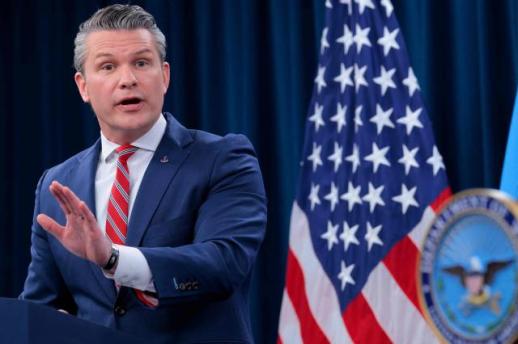 Shangri-La Dialogue Concludes as US-China Relations Stabilize Amid Diverging Views with Allies While the United States and China reaffirmed their dialogue and aimed to reduce military tensions, differences emerged between the U.S. and its European allies regarding defense spending and international order issues. The Shangri-La Dialogue, the largest security conference in the Asia-Pacific region, concluded in Singapore on May 31, confirming the improved atmosphere between the U.S. and China following their recent summit. However, disagreements regarding the Trump administration's alliance policies surfaced between the U.S. and European nations. This conference was notable as it was the first major multilateral security meeting since the recent U.S.-China summit. Both nations adopted a more restrained tone compared to last year, emphasizing their commitment to stabilizing relations. In his speech, Secretary of Defense Pete Hegseth maintained the U.S. stance of countering China's expanding influence but stated, "We do not seek unnecessary confrontation," highlighting the need for expanded communication channels between military authorities. This marked a significant reduction in rhetoric compared to last year's dialogue, where China was labeled a "substantial and immediate threat." China responded with conciliatory messages. Meng Xiangqing, a professor at the National Defense University leading the Chinese delegation, expressed hope that the U.S. and China would move closer together, stressing the need for stable military relations. However, both sides continued to mention their opposition to "hegemonism," maintaining a stance of mutual restraint. In contrast, the differences between the U.S. and its allies became more pronounced. Hegseth repeatedly urged European nations to increase defense spending, asserting, "Allies must fulfill their roles in collective defense." He criticized some European countries for emphasizing a rules-based international order while being passive about enhancing security capabilities, calling for greater responsibility among NATO member states. In response, European and Indo-Pacific allies underscored the importance of international norms and cooperative frameworks, effectively countering Hegseth's assertions. Dutch Defense Minister Dylan Yesilgöz-Zegerius stated, "Even if international law is not perfect, abandoning it cannot be an alternative." Australian Deputy Prime Minister and Defense Minister Richard Marles emphasized that while a rules-based international order may be subject to reform, it should not be dismantled, highlighting the importance of multilateral cooperation. Japanese Defense Minister Shinjiro Koizumi also stressed the need for solidarity among allies, stating, "Division weakens deterrence, while unity strengthens it."* This article has been translated by AI. 2026-05-31 21:21:00
 -
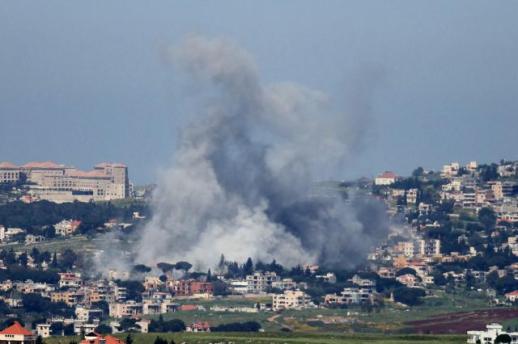 Israeli Forces Expand Ground Operations in Southern Lebanon, Capture Strategic Bofor Israeli forces announced on May 31 that they have expanded ground operations targeting the Lebanese militant group Hezbollah, successfully capturing the strategic location of Bofor. In a statement, the Israeli military reported that ground operations commenced in the Bofor ridge and the Wadi Saluki valley in southern Lebanon. Prior to the ground assault, the Israeli Air Force conducted extensive airstrikes on Hezbollah facilities, supported by artillery and tank units. The Israeli military stated that the operation aims to strengthen operational control in southern Lebanon and eliminate the threat posed by Hezbollah to northern Israel. Bofor is considered a key strategic point in southern Lebanon, featuring a hilltop fortress from the 12th-century Crusader era, providing a vantage point over northern Israel's Galilee region and Hezbollah's stronghold in Nabatiyeh. The Israeli military claims that significant military infrastructure built by Hezbollah with Iranian support is concentrated in the Bofor and Wadi Saluki areas. It also noted that Hezbollah has launched hundreds of rockets from this region toward Israeli forces and northern Israel. The capture of Bofor marks the first time Israeli forces have taken control of the area since their withdrawal from Lebanon in 2000. Israel occupied the region during the 1982 Lebanon War and maintained control until their withdrawal. Recently, under the direction of Prime Minister Benjamin Netanyahu, the Israeli military has increased pressure on Hezbollah. Operations have expanded beyond the 'Yellow Line,' the control line near the border, with advancements reported as far as the Litani River in southern Lebanon on May 29. This offensive comes at a time when negotiations for a ceasefire between the United States and Iran are ongoing. Reports indicate that Iran has demanded a ceasefire in Lebanon during the talks, raising concerns that Israel's ground operations could impact the negotiations. In a video statement, Netanyahu remarked, "We have returned to Bofor stronger than ever," describing the capture of Bofor as a significant turning point in Israeli military operations. He emphasized, "Israel has secured dominance across all fronts, including Syria, Gaza, and Lebanon."* This article has been translated by AI. 2026-05-31 20:51:00
 -
 Jung Cheong-rae: Record Early Voting Turnout Favors Democratic Party Jung Cheong-rae, head of the Democratic Party's central election campaign committee, assessed that the record early voting turnout for the June 3 local elections is "not unfavorable for the Democratic Party." According to the National Election Commission on May 31, the early voting rate for this local election reached 23.51%, the highest level recorded in local elections to date. After completing a campaign rally in Chungbuk with candidates Shin Yong-han for governor and Ha Yu-jeong for county mayor, Jung told reporters, "The greatest zeitgeist in South Korea is the success of the Lee Jae-myung administration," adding, "I believe many people who want to support the Lee Jae-myung government came out to vote." He noted, "As early voting becomes established, citizens tend to perceive the voting period as effectively three days," but emphasized that considering the active participation of voters, he does not view the early voting results as unfavorable for the Democratic Party. Jung further stated, "Even with a conservative analysis, the early voting rate is not unfavorable for the Democratic Party," and added, "I actually think it indicates a slightly more favorable trend for us." Regarding the upcoming central election committee meeting in Cheonan, Chungnam, he explained, "Public sentiment in the central region is an important barometer for elections," and noted that the final meeting is aimed at boosting support in Cheonan, the largest city in Chungnam. He also expressed that he felt the returning support for Democratic candidates during his campaign in Chungbuk, stating, "I sensed that public sentiment in the central region is returning, and there is a growing atmosphere to support the Lee Jae-myung government in the Chungcheong area."* This article has been translated by AI. 2026-05-31 20:21:00
 -
 Song Young-han Finishes Tied for 12th at LIV Golf Korea; Joaquin Niemann Wins Song Young-han recorded his best performance at LIV Golf Korea, held at the Busan Asiad Country Club on May 31. In the final round of the tournament, which featured a total purse of $30 million, Song shot a 3-under 67, with five birdies and two bogeys. With a total score of 6-under 274, Song finished tied for 12th, surpassing his previous best finish of tied for 17th at a tournament in South Africa in March. Having won two titles on the Japan Golf Tour (JGTO), Song joined the Korean Golf Club this year to compete more actively in LIV Golf. Fellow competitor Moon Do-yeop finished tied for 23rd with a total score of 2-under 278, while An Byeong-hun placed tied for 37th at 1-over 281, and Kim Min-kyu ended in 54th place with a score of 6-over 286. The championship was claimed by Joaquin Niemann of Chile, who won five times in LIV Golf last year. Niemann finished with a total score of 12-under 268, tying for first with Taylor Gooch of the United States before winning in a playoff on the 18th hole (par 4). Niemann secured his first win of the season and eighth career title with a birdie on the 18th hole, while Gooch made par. The victory came with a prize of $4 million (approximately 60 million won). In the team competition, Niemann's team also finished in sixth place, earning an additional $150,000 (about 20 million won). Defending champion Bryson DeChambeau of the United States, who won the tournament in Incheon last year, finished in third place with a total score of 11-under 269.* This article has been translated by AI. 2026-05-31 19:54:00
 -
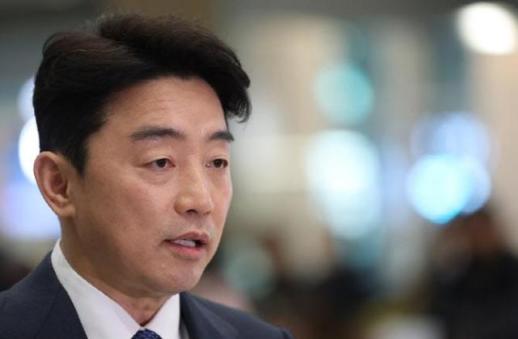 Kang Hoon-sik Travels to Canada to Support Submarine Bid and Energy Cooperation Kang Hoon-sik, the Chief of Staff to President Lee Jae-myung, is visiting Canada as a special envoy for strategic economic cooperation. His trip is expected to focus on expanding energy and supply chain collaboration, as well as supporting South Korean companies involved in a major submarine project. On May 31, Kang departed for Canada with officials from the Ministry of Trade, Industry and Energy and the Ministry of Foreign Affairs, along with representatives from businesses and organizations in the energy, resources, supply chain, and advanced industries sectors. This visit aims to discuss ways to enhance strategic economic cooperation between South Korea and Canada. Key topics are expected to include strengthening collaboration in energy, critical minerals, and supply chains. Kang stated on Facebook, "As confirmed during the leaders' call on May 8, the relationship between South Korea and Canada is rapidly expanding across the economy, energy, and advanced industries. Given the complementary nature of our economic and industrial structures, there is significant potential for cooperation between our countries as global mid-sized powers." He added, "As this is the second special envoy visit in four months, I will do my utmost to achieve tangible results in the areas of energy, resources, supply chains, and advanced industries." Political observers believe Kang will participate in the 'Korea-Canada Resource Security Supply Chain Cooperation Forum' and support domestic companies in securing contracts. A focal point of interest is Canada's next-generation submarine project (CPSP), estimated to be worth up to 60 trillion won. Canada is pursuing a plan to acquire up to 12 diesel submarines to replace its Victoria-class submarines, which are set to be decommissioned in the mid-2030s. Currently, a consortium led by Hanwha Ocean and HD Hyundai Heavy Industries is competing against Germany's TKMS with a proposal for the 3,600-ton 'Jangbogo-III Batch-II' submarine. The final selection of the contractor is expected to be announced by the end of next month.* This article has been translated by AI. 2026-05-31 19:39:00