

Journalist

Lim Kwu-jin
-
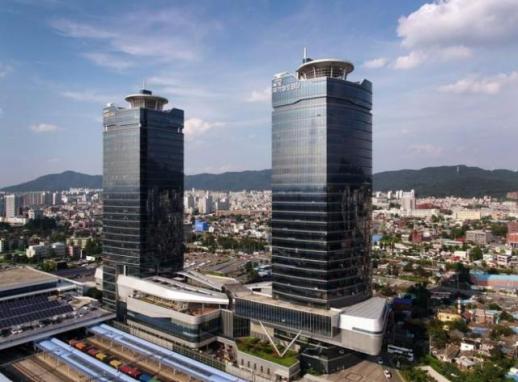 Korea's National Railroad Corporation Wins $13 Million Rail Project in Peru The National Railroad Corporation announced it has secured a contract for the design review and construction supervision of the "Huancayo-Huancavelica" railway improvement project, commissioned by Peru's Transportation Infrastructure Investment Supervisory Agency. The project is valued at approximately $13 million (about 19.2 billion won). This initiative aims to modernize a 128.7-kilometer stretch of aging railway in the central Andes region of Peru, which operates at altitudes exceeding 3,600 meters. The corporation's consortium will oversee the supervision of construction and operational phases over the next five years. The Huancayo-Huancavelica railway, also known as the "Tren Macho," began operations in October 1926 and features seven stations, 20 stops, 15 bridges, and 38 tunnels. The modernization project will include the introduction of new vehicles and improvements to signaling and control systems. The corporation formed a global consortium that includes domestic engineering firms and local companies. It outperformed competitors from Spain and Japan in all aspects of technical and price evaluations. Lee An-ho, acting president of the National Railroad Corporation, stated, "This contract demonstrates our technological prowess in K-Rail by competing with advanced countries in the global railway sector. We will continue to elevate the status of Korean railways and expand overseas markets in collaboration with domestic companies."* This article has been translated by AI. 2026-06-02 10:51:00
 -
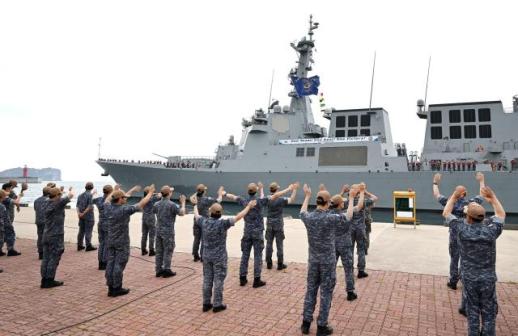 Korean Navy to join RIMPAC, take first command role in multinational maritime exercise SEOUL, June 02 (AJP) - South Korea’s Navy said Monday its Aegis destroyer Jeongjo the Great will depart for the Rim of the Pacific exercise (RIMPAC), marking the first time the service will assume a major command role in the U.S.-led multinational maritime drill. The 8,200-ton destroyer left Jeju Naval Base on Monday and will join the exercise, which will take place in waters off Hawaii from late June through July, according to the Navy. It will be the first RIMPAC participation for the Jeongjo the Great, which was commissioned in December 2024. The 3,000-ton submarine Dosan Ahn Chang-ho and the P-8A maritime patrol aircraft will also take part in the exercise for the first time. The Dosan Ahn Chang-ho, along with the frigate Daejeon, will move to Hawaii after completing a combined cooperation exercise with Canada. The landing ship Cheonjabong is also set to head to Hawaii after conducting a search and rescue exercise, or SAREX, with Japan’s Aegis destroyer Kongo in international waters southeast of Jeju on June 7. RIMPAC is a biennial multinational naval exercise hosted by the U.S. 3rd Fleet to enhance participating countries’ ability to protect sea lines of communication, respond jointly to maritime threats and improve interoperability and operational capabilities among allied and partner forces. This year marks the 30th edition of the exercise. South Korea first joined RIMPAC in 1990 and will be participating for the 19th time this year. During this year’s exercise, the South Korean military will serve for the first time as the Combined Force Maritime Component Commander, or CFMCC. South Korea will become the fourth country to take on the role and the first Asian country to do so. The Navy said the exercise is expected to provide an opportunity to strengthen South Korea’s military capabilities ahead of the planned transfer of wartime operational control from Washington to Seoul. Rear Adm. Kim In-ho, commander of the Republic of Korea Navy’s Maritime Task Flotilla and the officer who will serve as the CFMCC, said the assignment marks a shift in South Korea’s role from a participating country to a command nation. “Taking on the command role for the first time means we have moved beyond being a participating country and have advanced to the position of a command nation,” Kim said. 2026-06-02 10:48:20
 -
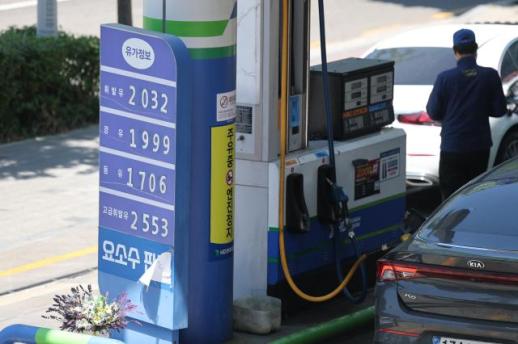 Consumer prices hit 26-month high as fuel prices soar SEOUL, June 2 (AJP) - South Korea's consumer prices rose 3.1 percent in May from a year earlier, the Ministry of Statistics and Data said on Tuesday. Consumer prices, which serve as a key gauge of inflation, rose above 3 percent for the first time in 26 months since February 2024, fueled by sharp increases in petroleum and industrial product prices. An index measuring the prices of daily necessities also rose to 3.3 percent, the highest level since March 2024, suggesting that households continue to feel the pressure of rising prices. Petroleum products were a major driver of inflation, with prices rising 24.2 percent year-on-year. Diesel recorded the largest increase at 33.3 percent, while gasoline prices rose 23.1 percent. Costs in the service sector also rose 2.8 percent from a year earlier. Prices of agricultural and fishery products also climbed 2.2 percent as hot weather constrained supply. The core inflation measure used by the Organization for Economic Cooperation and Development (OECD), which excludes food and energy, rose 2.5 percent, marking its highest level since February 2024. 2026-06-02 10:44:31
 -
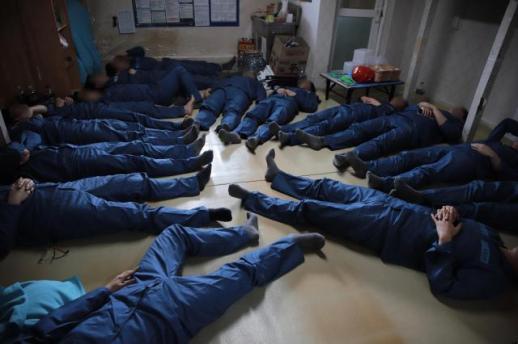 Justice Ministry Defends Air Conditioning Installation in Prisons The Justice Ministry has clarified that the recent decision to install air conditioning in prisons is aimed at protecting inmates vulnerable to heat-related illnesses. On June 2, the ministry issued a statement explaining that the cooling systems will be installed in the hallways of housing units, providing indirect cooling to mitigate rising temperatures. They anticipate that this will also improve working conditions for correctional officers. The ministry stated, "We are focusing on enhancing cooling systems in housing units where elderly, disabled, and ill inmates reside, as they are particularly susceptible to heat-related illnesses." It also noted that some women's housing units were included in the plan after considering overcrowding, physical characteristics, and living conditions. Additionally, the ministry emphasized its ongoing efforts to combat heat and prevent heat-related illnesses, which include operating cooling shelters and providing ice water. The installation of air conditioning is seen as a necessary measure to protect vulnerable inmates. A representative from the Correctional Headquarters told Aju Economy that they provide inmates with two 500ml bottles of ice water daily, but do not offer special treats like ice cream or fruit punch. They urged the public to understand that the enhancement of cooling systems is a minimal necessary measure to ensure the safety and well-being of inmates sensitive to extreme heat. Earlier this year, the Justice Ministry announced a budget of 1.2 billion won to improve cooling systems in correctional facilities. However, the announcement has sparked criticism online, with comments on portal sites expressing concerns such as, "Tax money is being used to install air conditioning for criminals," and, "There are people living without air conditioning in goshiwons (small rooms)," as well as calls for increased air conditioning in military barracks for soldiers protecting the country. 2026-06-02 10:42:00
 -
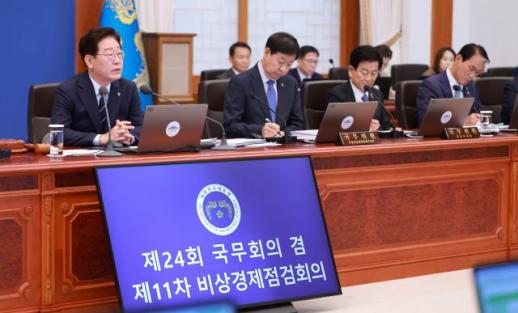 President Yoon Calls for Review of Repeated Workplace Accidents President Yoon Suk Yeol addressed the recent explosion at the Hanwha Aerospace factory in Daejeon on June 2, urging officials to identify workplaces where similar accidents have repeatedly occurred. During a Cabinet meeting and emergency economic review at the Blue House, President Yoon instructed Vice Minister of Employment and Labor Kwon Chang-jun to expedite safety inspections at other similar facilities. He emphasized the need for thorough investigations into the causes of accidents and the establishment of effective measures to prevent their recurrence, stating, "It is a serious issue when the same type of accident continues to happen in the same workplace." President Yoon remarked, "We must remember that everyone works to sustain their lives and lead happy lives with their families. However, the workplace, which should be a place of safety, can sometimes become a site of death." He raised concerns about whether society truly respects and values human life, questioning, "Do we hold life in higher regard than money? Do we respect the lives of others as much as our own?" He added, "The life of one person is like another universe, and I sometimes wonder if they are treated equally." President Yoon extended his condolences to the deceased and wished for the swift recovery of the injured, noting, "While it seems that workplace fatalities have decreased recently, it is still unfortunate that they continue to occur."* This article has been translated by AI. 2026-06-02 10:36:00
 -
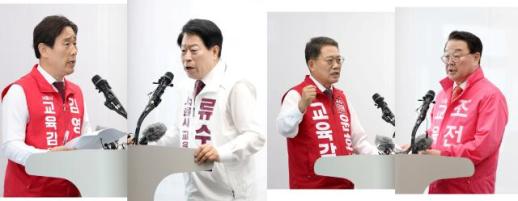 Legal Battles and Attacks Dominate Seoul Education Superintendent Election With just one day to go until the June 3 local elections, the race for the Seoul education superintendent is mired in legal disputes and personal attacks rather than policy discussions. Both progressive and conservative factions have failed to unify, resulting in eight candidates competing for the position. As the election devolves into ideological battles and negative campaigning, concerns are growing over the uncertainty surrounding education administration in Seoul. According to reports from the education sector, tensions have escalated between conservative candidates Yoon Ho-sang and Jo Jeon-hyeok in the final stretch of the campaign. Yoon has called for Jo to withdraw from the race, citing Jo's past history of school violence, while Jo's camp has labeled this as a refusal to accept the primary results. Similarly, in the progressive camp, Jeong Geun-sik and Han Man-jung have filed mutual complaints over alleged violations of election laws, overshadowing any opportunity for policy comparisons among candidates. Currently, there is a prevailing sentiment that the essence of education has been lost in the Seoul education superintendent election due to candidates' ideological biases and provocative issues. To attract voter attention in a multi-candidate race, some candidates have resorted to sensational slogans, such as opposing homosexuality, which are far removed from the core issues of education administration. As a result, critical macro-level challenges facing Seoul's education, such as enhancing public education infrastructure to respond to future industries and addressing educational disparities, have been sidelined amid the noise of the election. The deepening apathy among voters and media regarding the election is also cited as a major factor contributing to the chaotic atmosphere. With an increasing number of households either not having children or having already raised them, the proportion of voters directly interested in educational issues has sharply declined. Major media outlets have also given less coverage to debates and policy verifications related to the education superintendent election compared to the mayoral race, exacerbating the situation of voters being unaware of candidates and their pledges, leading to a so-called "blind election." This absence of policy focus could have significant economic repercussions, as it may disrupt the continuity of the Seoul education administration, which manages an annual budget of 11 trillion won. Analysts warn that if the election results lead to drastic shifts in educational policies, it could result in administrative chaos in schools and a decline in public trust in the entire education system. Historical trends indicate that when the consistency of public education is compromised, there is a tendency for consumers to shift towards private education, thereby increasing the financial burden on families. Education experts point to a "system error" as the fundamental cause of the recurring mudslinging in education superintendent elections. They argue that applying existing election laws, designed for party-based politics, to elections without party nominations creates structural contradictions. The proposed running mate system, which has been suggested as an alternative, is criticized for potentially allowing political parties to exert direct influence over education, leading candidates to adopt more extreme ideological pledges or biased policies, which could negatively impact the future of education in South Korea. Ultimately, to minimize the adverse effects of the election, a responsible citizenship from voters is essential. Park Nam-ki, an honorary professor at Gwangju National University of Education, stated, "The issue of the election being a blind one is not just the candidates' problem; voters and the media also bear significant responsibility for not even checking the election materials. Reading the election pamphlets delivered to each household carefully and actively verifying the sustainability of policies is the first step in changing the future of education in South Korea."* This article has been translated by AI. 2026-06-02 10:36:00
 -
 NVIDIA CEO Jensen Huang to Appear on Popular Korean Variety Show NVIDIA CEO Jensen Huang, who is visiting South Korea on June 4, will meet with popular television host Yoo Jae-suk.According to the production team of tvN's "You Quiz on the Block" on June 2, "Jensen Huang will appear on 'You Quiz on the Block.'"Huang is credited with transforming NVIDIA from a graphics chip company into a key player in the generative AI era, recognized for his influence in both technology and management as the founder and a visionary in the industry.As this marks his first appearance on a variety show, there is significant interest in how he will present himself on "You Quiz." During his visit, Huang will complete the recording for the show, which is expected to air later this month.Nam Seung-yong, a management leader at CJ ENM, stated, "His life story, from a boy washing dishes to becoming the CEO of the world's top market capitalization company, will showcase his fierce determination, insights into the trends of the AI era, and the qualities needed for future talent."Meanwhile, Huang is also expected to meet with several prominent figures, including SK Group Chairman Chey Tae-won, LG Group Chairman Koo Kwang-mo, Hyundai Motor Group Chairman Chung Eui-sun, Doosan Group Chairman Park Jung-won, and Naver Board Chairman Lee Hae-jin. There are discussions about a gathering over pork belly in Seongsu, and he is anticipated to throw the first pitch at a Doosan Bears baseball game on June 7.* This article has been translated by AI. 2026-06-02 10:33:00
 -
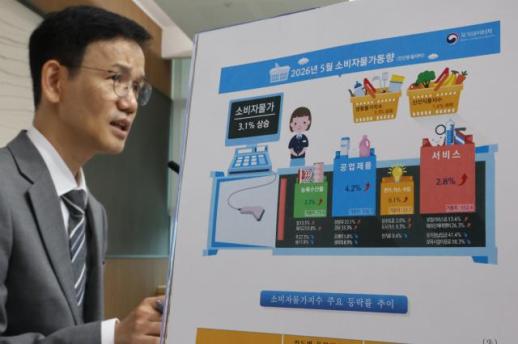 Rising Oil Prices Drive Consumer Inflation to 26-Month High The impact of rising oil prices due to the conflict in the Middle East has led to a significant increase in consumer inflation, reaching its highest level in 26 months. The surge in fuel prices has spread to transportation and travel services, raising overall living costs. According to the National Data Agency's report on consumer price trends for May 2026, the consumer price index rose to 119.92 (2020=100), marking a 3.1% increase compared to the same month last year. This is the first time the inflation rate has reached the 3% range since March 2024 (3.1%). Inflation rates have steadily increased this year, rising from 2.0% in February to 2.2% in March, 2.6% in April, and now 3.1% in May. Analysts suggest that the breach of the 3% mark indicates that the prolonged conflict in the Middle East is beginning to affect domestic prices significantly. In May, fuel prices soared by 24.2% compared to the previous year, contributing 0.92 percentage points to the overall inflation rate. This marks the highest increase since July 2022 (35.2%). Gasoline prices rose by 23.1%, while diesel prices jumped by 33.3%, both recording their largest increases since July 2022. The rise in fuel prices has also pushed up costs in transportation and travel-related services. Transportation prices increased by 11.6%, and international airfares surged by 33.5%, the highest rate since records began in 1995. Prices for overseas group travel, domestic airfares, car rentals, and hotel accommodations have all risen, adding to inflationary pressures. A representative from the National Data Agency stated, "The increase in fuel prices has been significantly influenced by the war, and the rise in travel demand during the May holidays has further pushed up travel-related service prices. This inflation reflects the impact of supply-side shocks." The living cost index, which reflects the cost of living, rose by 3.3% compared to the same month last year, the highest level since April 2024 (3.6%). Excluding food, the living cost index increased by 4.2%, further straining consumer budgets. Conversely, prices for vegetables and fruits stabilized, leading to a 1.4% decline in the fresh food index. Agricultural products fell by 0.8%, but prices for livestock and seafood rose by 5.8% and 5.0%, respectively, resulting in an overall increase of 2.2% for agricultural and marine products. The National Data Agency noted that the impact of rising fuel prices has not yet spread to dining out or processed foods. A representative commented, "Unlike during the Russia-Ukraine conflict, we are currently facing a situation where demand is subdued while supply shocks are occurring. We need to monitor whether the rise in fuel prices will transfer to other items in the second half of the year." The government estimated that without measures such as price caps on fuel and reductions in fuel taxes, inflation in May would have risen by 3.7% compared to the previous year. These measures are believed to have lowered last month's inflation by 0.6 percentage points. Despite these efforts, inflation rates are expected to remain around 3% for some time. The Bank of Korea held a meeting on inflation trends, forecasting that inflation rates will likely stay in the 3% range for the foreseeable future. Lee Ji-ho, head of the Bank of Korea's research department, stated, "The inflation rate for June is expected to be similar to May due to sustained high fuel prices. The increase in consumer prices in May was driven by rising fuel costs and higher service prices, particularly in travel-related sectors, compared to April. The inflation rate for living costs has also risen to the mid-3% range, increasing the financial burden on vulnerable groups that spend a larger portion of their income on necessities." The government plans to strengthen its commitment to maintaining price stability amid uncertainties stemming from external factors such as the Middle East conflict. This includes measures to stabilize fuel prices, implement tariff allocations, expand supply, and proactively manage agricultural and marine product supplies in anticipation of extreme weather conditions. 2026-06-02 10:33:00
 -
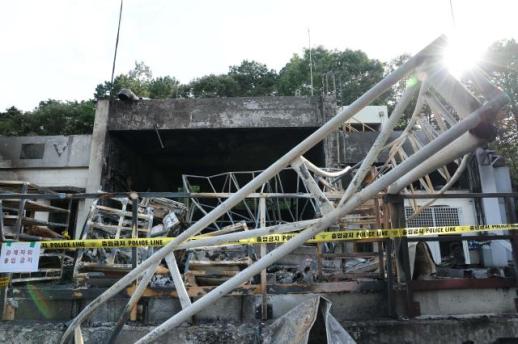 The Cost of Safety: Lessons from the Seosomun and Hanwha Aerospace Disasters The collapse of the Seosomun overpass in Seoul and the explosion at Hanwha Aerospace's Daejeon facility may appear to be unrelated incidents. One involves aging urban infrastructure, while the other concerns industrial accidents at a high-tech defense company. However, both incidents ultimately raise the same question: How seriously does South Korea take safety? The Seosomun overpass, completed in 1966, had been flagged for structural risks for several years and received a low rating in a safety inspection. During the demolition process, the structure collapsed, resulting in the tragic loss of lives. The circumstances revealed after the accident are shocking, including controversies over safety management plan approvals and repeated warnings of danger, making it difficult to avoid the label of a preventable disaster. The Hanwha Aerospace incident is similarly troubling, especially since it is not the first of its kind. In 2018, an explosion at the facility killed five people, and another explosion in 2019 claimed three more lives. Now, seven years later, another explosion has occurred, resulting in five deaths and two injuries. In total, 13 workers have lost their lives in three separate incidents. In the previous incidents in 2018 and 2019, the courts found the company guilty of negligence in oversight and inadequate safety measures. Hanwha promised to improve safety through automation and remote monitoring. Yet, the recurrence of such a major disaster suggests that these issues cannot be attributed solely to on-site errors or coincidences. Immediately following the incident, Kim Seung-yeon, chairman of Hanwha Group, expressed condolences and directed the establishment of a special response task force to support the victims' families. Son Jae-il, CEO of Hanwha Aerospace, also acknowledged the heavy responsibility and promised to investigate the cause of the accident and prevent future occurrences. Such actions are necessary and expected. It is fundamental for corporate leaders to demonstrate accountability. However, true responsibility does not end with an apology. It lies in thoroughly investigating the causes of the accident, addressing structural issues, and ensuring that similar incidents do not happen again. This incident also prompts a reevaluation of the unique characteristics of the defense industry. The defense sector is responsible for national security. Recently, South Korea's defense exports have surged, gaining global attention. While production volumes are increasing, safety must not take a backseat. If an industry responsible for national security fails to protect its workers, it undermines its sustainable competitiveness. The Ministry of Labor's directive for urgent safety inspections in the defense and semiconductor sectors following the incident underscores this point. Both sectors have emerged as key drivers of South Korea's economy. However, as growth accelerates, vigilance regarding safety must also increase. Current safety standards cannot accommodate production levels that were acceptable in times of lower demand. The Seosomun incident offers a similar lesson. Aging infrastructure is no longer just a local issue. It has shown that collapses can occur even in the heart of Seoul. Across the country, there are bridges, tunnels, and overpasses that have been in service for decades. The practice of delaying repairs and replacements due to budget constraints must come to an end. As the economy grows, society should become safer. Yet, the reality often reflects the opposite. When safety is sacrificed for growth, inspections are reduced for efficiency, and risks are taken to cut costs, accidents become a foregone conclusion. Renowned investor Warren Buffett once said, "It takes 20 years to build a reputation and five minutes to ruin it." This applies to corporations, governments, and public institutions alike. Safety is not a cost; it is an asset of trust. Investing in safety is not an expense but an insurance policy that protects lives and trust. The Seosomun and Hanwha Aerospace incidents illustrate that our society still calculates safety as a cost. The consequences have been devastating. Lives lost cannot be restored by any amount of money. Each time an accident occurs, promises of special inspections and preventive measures have become a familiar sight. However, the public demands results, not just words. The government must reassess laws and regulations, and companies must prioritize safety investments as a core value of management. Above all, executives must recognize safety not as a concept in opposition to productivity, but as a prerequisite for corporate survival. Safety is not optional. It is a fundamental duty of the state and a minimum obligation of corporations. The most significant lesson from the Seosomun and Hanwha Aerospace disasters lies here.* This article has been translated by AI. 2026-06-02 10:30:00
 -
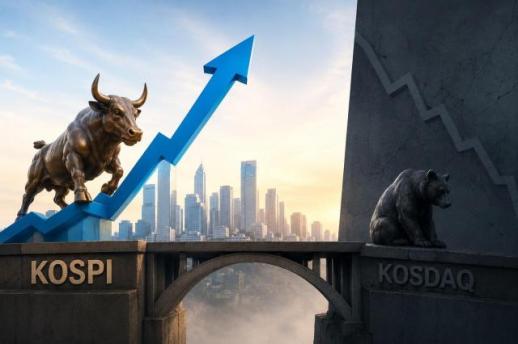 KOSPI Success Under Lee Administration: Next Focus on KOSDAQ June 3 marks not only the local elections but also the one-year anniversary of the Lee Jae-myung administration. Following a tumultuous presidential election amid a state of emergency, South Korea has returned to a path of normalization over the past year. While evaluations of the various policies implemented by the Lee administration may vary, its most notable achievement in the economic sector is undoubtedly the revitalization of the KOSPI.The KOSPI has broken free from the long-standing 'Korea Discount,' surpassing the 8,000 mark for the first time and now approaching 9,000. Just a few years ago, the sentiment surrounding the Korean stock market was one of cynicism, with many believing that even good companies were not receiving proper valuations. However, the atmosphere has changed. Measures to enhance shareholder rights through amendments to commercial law, strict penalties for stock manipulation, and policies aimed at increasing corporate value have bolstered market confidence and heightened expectations for foreign capital inflows. While the semiconductor boom may have contributed, few would deny that the Lee administration has been the primary driver of this stock market revitalization.However, the administration's efforts to invigorate the stock market are not yet complete. The success remains only partial, as the KOSDAQ continues to struggle despite the impressive numbers of the KOSPI. The KOSDAQ, which should be a breeding ground for future growth companies, remains stagnant around the 1,000 mark. Although innovative firms in sectors such as venture capital, biotechnology, robotics, and semiconductor materials are present, the market sentiment is far from optimistic. While KOSPI investors celebrate, KOSDAQ investors often find themselves disheartened.A healthy ecosystem must achieve balance. For the industrial ecosystem to thrive, large, medium, and small enterprises must each possess their own competitiveness. The same applies to the capital market. A market that is strong only in the KOSPI is not healthy. If the KOSPI reflects the current competitiveness of the South Korean economy, the KOSDAQ must embody the market's potential for future growth. The strength of the U.S. stock market can be attributed to the growth of innovative companies within the capital market and the shared benefits enjoyed by investors. In contrast, the KOSDAQ has long resembled a thematic market rather than a growth market, with expectations often overshadowing actual performance, leading to stock price fluctuations based on short-term issues. Criticism persists regarding the presence of underperforming companies that undermine market trust.It is now time to accelerate efforts to revive the KOSDAQ. We must eliminate underperforming companies to ensure that innovative firms receive fair evaluations and attract long-term capital. However, simply removing companies is not enough. We also need to create an investment ecosystem where future industries such as AI, biotechnology, and robotics can flourish.The government's structural improvement efforts, which include the removal of zombie companies and stricter delisting criteria for penny stocks starting in July, will be crucial to the success of these initiatives. In particular, the removal of zombie companies is a task that must be accomplished despite strong resistance and backlash. Although there are over 1,800 listed companies on the KOSDAQ, the competitiveness of individual stocks is severely lacking in both quantity and quality. A precise 'scalpel' must be applied to penny stocks, undervalued stocks, and theme-based stocks. Only then can we create a virtuous cycle that attracts capital to high-quality companies.The KOSPI's achievement of 9,000 is undoubtedly a significant milestone. However, true advancement of the capital market will be realized when the success of the KOSPI is replicated in the KOSDAQ. If the past year has been a time for the normalization of the KOSPI, the next challenge is clear: it is now time to revive the KOSDAQ. 2026-06-02 10:30:00