
Journalist

MIN JAE YONG
-
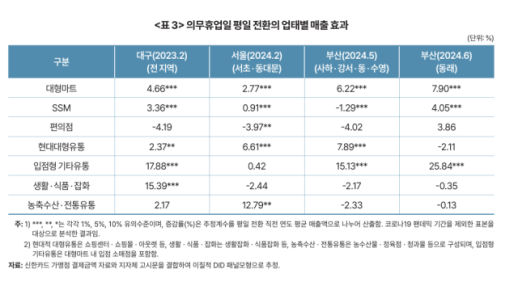 Increased Consumer Spending at Large Supermarkets on Weekends Calls for Policies Linking Traditional Markets A recent study by the Korea Development Institute (KDI) indicates that the controversial shift of mandatory closing days for large supermarkets to weekdays has positively influenced consumer sentiment and has not adversely affected sales at traditional markets. On May 21, KDI released a report titled "The Direction of Retail Policy Suggested by the Transition of Mandatory Closing Days to Weekdays." The institute compiled data on the adjustment of mandatory closing days across local governments and analyzed monthly credit card transaction data from Shinhan Card between 2015 and 2024. Sales at large supermarkets increased from 26.4 trillion won in 2006 to 39.5 trillion won in 2014, but then began to decline, dropping to 28.3 trillion won in 2023. The number of stores also grew from 2006 to 2012, but the growth rate has since slowed, with a recent trend of decline. This reflects a shift in the operational model of large supermarkets from expansion to structural adjustment. In this context, Daegu became the first city to change its mandatory closing day to Monday in 2023. Following this, other cities such as Cheongju, Seoul, Busan, and Gyeonggi have also mandated that large supermarkets close on weekdays. The government has announced plans to transition mandatory closing days to weekdays in 2024, creating an environment that allows for more flexible decision-making regarding closing days. The number of cities and districts that have made this transition increased from eight in February 2023 to about 30 by February 2025, with the number of large supermarkets affected rising from 18 to 67. Notably, the increase has been particularly pronounced since mid-2024. The analysis revealed that sales at large supermarkets increased across major regions, including Daegu, Busan, and Seoul. Specifically, sales rose by 4.7% in Daegu, 2.8% in Seoul (Seocho and Dongdaemun), and between 6.2% and 7.9% in Busan. This increase suggests a partial recovery in consumer spending that had been constrained by previous weekend operating restrictions. Lee Jin-guk, a senior researcher at KDI, stated, "Dual-income households or families with children find it difficult to shop at large supermarkets unless it’s on the weekend. The transition to weekdays has expanded consumer convenience, allowing shopping on weekends, which has contributed to the increase in sales at large supermarkets." Sales increases were also confirmed at semi-large stores (SSM), which are directly affected by the mandatory closing day regulations. In Daegu, sales rose by approximately 3.4%, while in Busan's Dongnae District, the increase was 4.1%. Furthermore, the analysis found that weekend operations at large supermarkets did not lead to a decrease in sales at traditional markets. KDI interprets this as evidence that traditional markets operate as independent retail channels, competing only in certain areas rather than being direct substitutes for large supermarkets. However, in regions where there is a high degree of substitution between offline stores or where online shopping is not prevalent, the increase in large supermarket sales could potentially lead to a decline in traditional market sales. Since the transition to weekdays for mandatory closing days, online payment amounts have decreased by 2.9%. This suggests that improved access to offline retail, including large supermarkets, has led to a shift in some consumer spending from online to offline. KDI believes that rather than negatively impacting traditional markets, the weekend operations of large supermarkets can stimulate consumer linkage effects, and thus policies should be developed to connect the two sectors. The senior researcher noted, "In areas like Seocho and Dongdaemun in Seoul, where many traditional markets exist, the weekend operations of large supermarkets appear to draw consumers to nearby traditional markets, creating linked consumption. Instead of merely restricting large supermarket operations, it may be more effective to develop strategies that integrate visitors to large supermarkets with traditional markets for mutual benefit."* This article has been translated by AI. 2026-05-21 13:52:41
 -
 Implementation of AI Basic Law to Facilitate Public AI Adoption and Research The Ministry of Science and ICT (MSIT) is preparing to implement the revised "Basic Law on the Advancement of Artificial Intelligence and the Establishment of Trust" (AI Basic Law) in July, focusing on refining subordinate regulations. The aim is to strengthen the institutional foundation for fostering the AI industry by expanding the adoption of AI in the public sector, supporting vulnerable groups, and establishing AI research institutes. On May 21, the MSIT announced that it has prepared a draft of the "AI Basic Law Enforcement Decree" and will begin the legislative notice process. The enforcement decree is set to take effect alongside the revised AI Basic Law on July 21. Key provisions of the revised AI Basic Law include: the establishment of a National AI Strategy Committee, promotion of AI adoption and utilization in the public sector, legal basis for the establishment and operation of AI research institutes, support for accessibility and costs for vulnerable groups, encouragement of AI startups, support for AI professionals, and provision of public data for training purposes. The draft enforcement decree specifies the scope of vulnerable groups, which now includes not only individuals with disabilities, the elderly, basic livelihood recipients, and those in the near-poverty level, but also women with career interruptions, job seekers, employees of small and medium-sized enterprises outside the capital region, and agricultural and fishing workers. This measure addresses the potential for high-cost, high-performance AI services to create new social disparities. The decree also defines the range of AI products and services prioritized in the public procurement market. Products and services verified for AI technology application by the Korea Artificial Intelligence Promotion Association and those separately announced by the MSIT will be included. The Korea Telecommunications Technology Association (TTA) will conduct the technical review. Support for the costs of using AI products and services has been expanded. In addition to vulnerable groups such as individuals with disabilities, the elderly, and job seekers, support will also be available for talented individuals from universities in non-capital regions and those in science and engineering fields, within budget limits. Procedures for utilizing venture investment funds to promote AI startups are also included in the enforcement decree. Heads of central administrative agencies can request the Korea Venture Investment Corporation to establish investment plans for the AI industry after consulting with the Ministry of SMEs and Startups. The criteria for establishing and operating AI research institutes have been clarified. Various entities, including universities and companies, can establish AI research institutes with the permission of the MSIT, and the decree specifies the requirements for establishment and national support. Following the legislative notice, the MSIT plans to finalize the enforcement decree through regulatory and legal reviews, cabinet meetings, and government council discussions. Kim Kyung-man, head of the AI Policy Division at the MSIT, stated, "The implementation of the revised law is expected to further strengthen the legal support for the expansion of AI utilization and the development of the industry. We will actively support the advancement of the AI industry through the expansion of AI products and services in the public procurement market and the establishment of AI research institutes." Meanwhile, South Korea's AI Basic Law passed the National Assembly in December 2024. The AI Basic Law came into effect on January 22 of this year, making South Korea the second country in the world to enact such legislation after the European Union. Under the AI Basic Law, the Minister of Science and ICT is required to establish a basic AI plan every three years. Notably, sectors that significantly impact citizens' lives, such as healthcare, autonomous driving, and investment services, are classified as high-impact AI and are subject to additional responsibilities for operators. * This article has been translated by AI. 2026-05-21 13:49:59
 -
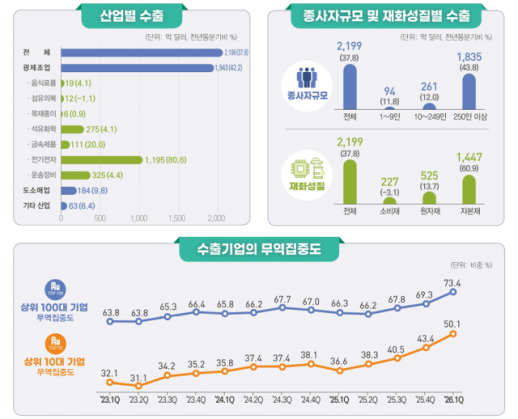 Surge in Semiconductor Exports Leads to Increased Concentration Among Top Companies The ongoing boom in semiconductor exports is intensifying the concentration of exports among a few large companies in South Korea. In the first quarter of this year, the trade concentration of the top 10 exporting companies surpassed 50% for the first time, reaching a record high. According to the "Q1 2026 and Annual Company Characteristics Trade Statistics" released on May 10 by the National Data Agency and the Korea Customs Service, the trade concentration of the top 10 exporting companies was recorded at 50.1%. This marks a 13.5 percentage point increase compared to the same period last year and is the highest level since the statistics began in 2010. The trade concentration among the top 100 companies also rose to 73.4%, an increase of 7.2 percentage points from the previous year, further highlighting the dominance of these firms, which now account for more than half of total exports, while the top 100 companies represent over 70%. This trend is largely attributed to the booming electrical and electronics sector, particularly semiconductors. In fact, the export of the manufacturing sector surged by 42.2% compared to the same period last year, driven by significant increases in the electrical and electronics and metal products sectors. By company size, exports increased across large, medium, and small enterprises, but the growth rates varied significantly. Large companies saw their exports rise by 52.9% year-on-year, demonstrating a robust increase, primarily due to the rise in capital goods and raw material exports. In contrast, medium-sized enterprises experienced a modest export increase of 7.4%, while small businesses saw a 10.7% rise. Medium-sized firms reported growth in capital goods, raw materials, and consumer goods, while small businesses showed increases across all categories. In addition to the manufacturing sector, retail exports grew by 9.8%, and other industries saw a 6.4% increase. Although sectors like information and communication and construction experienced declines, transportation and warehousing, along with facility management, showed growth. Exports also increased across all employee size categories. Companies with 250 or more employees reported a 43.8% increase in exports, while those with 10 to 249 employees saw a 12.0% rise, and firms with 1 to 9 employees experienced an 11.8% increase. This indicates a pronounced export growth trend among large companies. Imports also continued to rise. In the first quarter of this year, imports increased by 8.6% for large companies, 13.5% for medium-sized firms, and 14.5% for small businesses, reflecting a general expansion in capital goods, raw materials, and consumer goods imports. By industry, imports in the manufacturing sector rose by 8.6%. Although the petrochemical sector saw a decline, increased imports of electrical and electronics and metal products offset this drop. Retail imports surged by 17.4%, while other industries, particularly transportation and public administration, increased by 8.5%. Import growth was also noted across all employee size categories, with companies employing 250 or more workers increasing imports by 9.2%, those with 10 to 249 employees by 14.1%, and firms with 1 to 9 employees by 15.9%. Notably, small businesses saw increases in imports related to wholesale, metal products, and transportation and warehousing.* This article has been translated by AI. 2026-05-21 13:48:00
 -
 South Korea Accelerates Inclusion in MSCI Developed Markets Index The South Korean government is accelerating reforms in the foreign exchange and capital markets to facilitate its inclusion in the MSCI (Morgan Stanley Capital International) developed markets index. The plan aims to implement over 70% of the overall roadmap by the end of the first half of the year, enhancing market accessibility and trading convenience for foreign investors. On May 21, the Ministry of Finance held a meeting of the "Foreign Exchange Stability Council and MSCI Developed Markets Index Inclusion Task Force," chaired by Deputy Minister Heo Chang, to review the progress of the "Comprehensive Roadmap for Foreign Exchange and Capital Markets" announced in January. Out of the eight key areas and 39 tasks outlined in the MSCI roadmap, 25 tasks (64%) have been completed so far. The government plans to push forward with three additional tasks by June, bringing the total to 28 (over 70%) by the end of the first half. Since February, relevant agencies have been working on institutional improvements focusing on account and payment systems, investor identification systems, English disclosures, and enhanced access to derivatives. The reform of the Korea Securities Depository system now allows for settlement processing based on nominal accounts for each fund, and the issuance of Legal Entity Identifier (LEI) confirmation letters for foreign corporate account openings has been recognized as valid identification, reducing translation and notarization burdens. Additionally, the removal of trading hour restrictions for KOSPI futures on Eurex and FTSE has improved access to Korean derivatives for foreign investors. The government is also working on restructuring the foreign exchange market. The domestic foreign exchange market is set to begin 24-hour trading from July 6, following a pilot trading session on June 29. The establishment of an offshore won payment network is also in progress, with IT testing scheduled for June, pilot operations in September, and full operations targeted for January 2027. During the meeting, the government finalized plans to reform the overseas foreign exchange business institution (RFI) system. To encourage greater participation of global financial institutions in the domestic foreign exchange market, the government will reduce registration and reporting burdens and expand the use of operational won accounts. Specifically, for global financial institutions utilizing a centralized booking model (CBM), the responsibility structure will be simplified, focusing on the headquarters as the booking entity, significantly streamlining the registration process for branches and trading entities. The reporting deadline for sanctions-related issues will also be extended from the previous seven days to 30 business days. The government plans to enhance the utilization of operational won accounts by allowing them to be used like integrated accounts for investment, enabling the management of customer funds separately, securities settlement fund transfers, and temporary won borrowing (OD). Deputy Minister Heo stated, "Most of the roadmap tasks are being implemented as planned, and we are confirming positive responses from foreign investors. Since foreign investors are particularly concerned about the smooth operation of actual trading and settlement processes, we will closely monitor the detailed operational situation." Meanwhile, the government discussed plans to reform the monitoring system for cross-border virtual asset transfers, a task outlined in the roadmap. Following the recent passage of the revised Foreign Exchange Transactions Act, registration of virtual asset service providers and mandatory reporting of transfer histories will be enforced, with plans to share related information with the National Tax Service, Customs Service, Financial Supervisory Service, and Financial Intelligence Unit.* This article has been translated by AI. 2026-05-21 13:45:30
 -
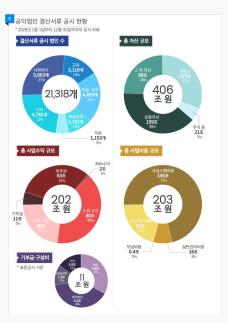 Public Interest Corporations Hold 406 Trillion Won in Assets, 78% from High-Asset Entities Last year, the total assets of public interest corporations in South Korea reached 406 trillion won, with entities holding over 100 billion won accounting for 78% of the total assets. Donations were also concentrated among a few large public interest corporations, highlighting a significant asset and donation concentration trend. The National Tax Service announced on May 21 that it has published its first "2026 Annual Report on Public Interest Corporations," which provides a comprehensive analysis of the operational status and accounting information of these entities. The report was based on the financial statement disclosure data of public interest corporations. According to the report, a total of 21,318 public interest corporations disclosed their financial statements last year. By region, Seoul had the highest number with 7,084 (33%), followed by Gyeonggi Province with 2,778 (13%) and Incheon with 578 (3%), indicating that nearly half (49%) of all public interest corporations are concentrated in the metropolitan area. The total business revenue of all public interest corporations was recorded at 202 trillion won, with donation revenue amounting to 11 trillion won, representing about 5% of the total business revenue. Donation revenue was heavily concentrated among a few large public interest corporations. The top 15 public interest corporations accounted for 4 trillion won in donation revenue, which is 38% of the total donations received by all public interest corporations. Notably, the Korea Community Chest received 847.7 billion won, making up approximately 8% of total donations. The report also highlighted a significant concentration of assets. There were 473 public interest corporations with assets exceeding 100 billion won, representing only 2% of the total, yet they held 317 trillion won, or 78% of the total assets of all public interest corporations. Among high-asset public interest corporations, those related to education made up the largest share, with 202 entities (43%) engaged in educational activities. There were 113 public interest corporations with more than 1,000 employees, most of which were large medical institutions and educational foundations. For instance, Seoul National University reported that real estate constituted 4.6 trillion won, or 86% of its total assets. The total donation revenue for high-asset public interest corporations was 5 trillion won, with an average donation per corporation of 13.7 billion won, approximately 17 times higher than the overall average of 800 million won for all public interest corporations. The report also included information on public interest corporations affiliated with corporate groups. A total of 231 public interest corporations were operated by 72 corporate groups with total assets exceeding 5 trillion won. While most corporate groups managed one or two public interest corporations, SK Group operated 25, Samsung Group 13, and HD Hyundai Group 11. In terms of public interest activities, corporations focused on "academic and scholarship" accounted for the largest share, with 82 entities. The Samsung Cultural Foundation held the largest stock value at 1.7 trillion won, followed by the Hyundai Motor Chung Mong-koo Foundation at 464.5 billion won and the LG Yeonam Foundation at 310.5 billion won. All of these holdings were classified as related-party stocks. The distribution costs paid directly to beneficiaries were highest for Doosan Group at 187.8 billion won, while Chung-Ang University reported spending 118.3 billion won on scholarships and other educational support. The National Tax Service plans to publish the annual report every year to enhance transparency among public interest corporations and promote a culture of donations. The aim is to improve accounting transparency, creating an environment where the public can donate with confidence.* This article has been translated by AI. 2026-05-21 13:43:00
 -
 GTX Samsung Station Rebar Omission Controversy: Safety or Political Attack? The controversy surrounding the omission of rebar in the GTX-A complex transfer center near Samsung Station in Gangnam, Seoul, has emerged as a critical safety issue in the lead-up to the June 3 mayoral election. Jung Won-o, the Democratic Party's candidate for mayor of Seoul, criticized the administration of Oh Se-hoon, stating it symbolizes poor construction practices and a lack of safety awareness in the city. In response, Oh Se-hoon, the People Power Party's candidate, and the Seoul city government argued that the city's comprehensive CCTV recording system allowed for the early detection and proactive response to construction errors. The debate has also reached the National Assembly's Land, Infrastructure and Transport Committee, where discussions have centered on whether there was a cover-up or adherence to procedures, escalating the issue into a political battleground. The controversy began when it was revealed that some columns in the underground level five of the GTX-A Samsung Station section of the Yeongdong-daero development lacked the required rebar as per design specifications. The construction company, Hyundai Engineering & Construction, discovered this during a review of the blueprints last October and reported it to the city. Seoul City does not deny the omission of rebar but maintains that while there was a construction error, structural safety was not compromised. According to structural engineers, the columns can still bear sufficient loads, and by applying reinforcement methods using steel plates and fireproof coatings, safety can be enhanced beyond the original design standards. Jung Won-o: Major Flaws Should Have Halted Construction Jung has characterized the situation not merely as a construction error but as a failure of Seoul's safety management. After visiting the construction site on May 17, he stated, "This is a clear case of poor construction," criticizing that significant flaws were allowed to progress to the third underground level without completing safety reinforcements. He particularly questioned the decision to continue construction despite the major flaws, asserting, "Common sense dictates that when significant flaws occur, construction should be halted entirely for objective verification and safety reinforcements before resuming." He raised concerns that the work was pushed forward to meet deadlines. Jung also demanded that Oh disclose when he was first informed of the issue and what actions were taken, directly challenging the reporting structure and accountability of the mayor's office. Jung's team is framing the issue within the broader context of responses to heavy rain, snow, and sinkhole problems, suggesting it reflects a structural issue within the entire safety system of Seoul. Oh Se-hoon: Safety is a Scientific System, Not Just a Slogan Oh has firmly rebutted Jung's and the Democratic Party's claims of safety negligence. On May 20, he stated on social media, "Jung Won-o and the Democratic Party are shooting arrows of 'safety negligence' at me and the city. I want to ask who has truly been negligent about safety." He emphasized the importance of why Hyundai Engineering & Construction reported the rebar omission themselves, questioning, "Is it common for a primary contractor to voluntarily report the mistakes of a subcontractor on a large construction site?" Oh noted that he had instructed that all major construction processes be recorded with CCTV and body cameras to prevent repeated accidents at construction sites. He claimed that the city's comprehensive CCTV recording and preservation system was what led to the self-reporting by the construction company. Since 2022, Seoul City has implemented a 'process recording management system' for public projects exceeding 10 billion won, ensuring that key construction scenes are recorded on video to allow for immediate tracking of issues when they arise. Oh stated, "It is a tightly woven net that cannot be hidden or covered up, and safety is not just a slogan but a scientific system." He added that the city began reinforcement measures immediately after becoming aware of the issue in November and reported a total of 51 cases related to rebar omission and safety measures in official documents over the following six months. He criticized the Ministry of Land, Infrastructure and Transport and the Korea Railroad Corporation for being irresponsible, stating, "After receiving dozens of documents over the past six months, they now question why they were not informed sooner." Seoul City: Six Months of Reporting and Expert Verification Seoul City has also countered claims of concealment, stating on May 21 that it reported the rebar omission to the Korea Railroad Corporation three times in official documents between November of last year and January of this year. Additionally, the city reported a total of 51 cases of progress and safety measures in six subsequent reports. Furthermore, the city conducted external expert advisory meetings and site inspections until March of this year, confirming through an emergency safety inspection led by the Ministry of Land, Infrastructure and Transport that there were no structural anomalies. A city official stated, "We immediately initiated safety inspections and expert consultations upon discovering the construction error, and we comprehensively reviewed the impact on structural stability and maintenance when applying reinforcement methods," asserting that this is a case where the safety system functioned properly. National Assembly Clash: Concealment vs. Procedure The controversy also reached a head during a recent inquiry by the National Assembly's Land, Infrastructure and Transport Committee on May 20. People Power Party lawmaker Yoon Jae-ok asked Acting Mayor Kim Seong-bo, "Did you not explicitly report the rebar omission 51 times through six regular reports from November 2025 to April 2026? Is it concealment if the receiving agency claims it did not see the contents?" Acting Mayor Kim responded, "There was never any intention to conceal, nor could there be. We conducted 19 expert meetings and site inspections. The key issue is whether proper follow-up actions were taken." In contrast, Democratic Party lawmaker Yoon Jong-gun criticized, "If you were already aware of the rebar omission, why was it not mentioned during the site inspections with external experts? If that is not concealment, what is?" Yoon referenced the minutes from a joint inspection meeting held earlier this year, stating, "While discussing the causes of cracks and repair methods, the omission of rebar was not mentioned at all," which he condemned. In response, Acting Mayor Kim acknowledged that while it was not discussed at that meeting, procedures were ongoing. Minister of Land, Infrastructure and Transport Kim Yoon-deok offered a somewhat unfavorable interpretation for Seoul City, stating, "In addition to monthly progress reports, if significant issues arise that could impact the structure or major processes, separate situation reports are required by the corporation's regulations. It is difficult to view Seoul City as having fulfilled its reporting obligations." Seoul City countered that these regulations are internal standards of the Korea Railroad Corporation and that there is no separate reporting obligation under the contract. The essence of this controversy lies not merely in the rebar omission itself but in evaluating whether the city's response after discovering the issue met the safety standards expected by citizens. Whether this dispute, which has surfaced in the final stretch of the election, will be remembered as a case of a functioning safety system or as a negligent response to safety remains to be seen, pending further investigation and public judgment. 2026-05-21 13:38:49
 -
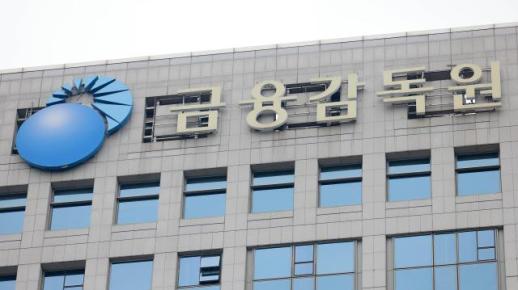 Financial Supervisory Service Warns of Fee Discrepancies When Opening Branch Accounts for ETFs Recently, the rapid growth of the exchange-traded fund (ETF) market has led to an increase in related financial complaints, prompting the Financial Supervisory Service (FSS) to issue a warning to investors. On May 21, the FSS shared key consumer warnings based on major complaint cases arising from ETF investments through specific money trusts, individual savings accounts (ISA), and pension savings accounts. According to the FSS, complaints related to ETF investments have consistently been raised regarding fees, available investment options, trading timing, and automatic sell services. The FSS noted that when investing in ETFs through pension savings accounts, significant differences in trading fees can occur depending on how the account is opened. Complaints have been received indicating that fees for trading ETFs can be up to ten times higher when accounts are opened at brokerage branches compared to those opened online. Typically, trading fees for ETFs in online accounts range from 0.01% to 0.015%, while fees for branch-opened accounts can reach 0.10% to 0.20%, with some even as high as 0.4% to 0.5%. Additionally, there have been complaints that bank branch employees did not adequately explain the potential for additional costs beyond trading fees. The FSS explained that when investing in ETFs through specific money trusts, in addition to trading fees (around 0.1%), trust fees (ranging from 0.03% to 2.0%) and early redemption fees (from 0.00% to 1.0%) may also apply. Another consumer warning highlighted the limitations on available ETF options during the transfer process of ISA accounts. The FSS stated that bank ISAs have a more restricted selection of ETFs compared to those at brokerage firms, and the available options may vary by bank. Therefore, investors should verify the availability of their desired ETFs before transferring their ISAs. Complaints have also arisen regarding the timing of ETF trades. Unlike brokerage firms, banks do not allow real-time trading of ETFs, which can lead to discrepancies between the estimated value confirmed by investors and the actual execution price. The FSS urged investors to confirm the timing of actual transactions when entering into buy or sell agreements for ETFs. Regarding automatic sell services, complaints have been reported about target profit rates being set without the investor's input and actual returns being lower than the target rates. The FSS emphasized the need for investors to verify their participation in automatic sell services and the settings for target profit rates when investing in ETFs through specific money trusts. Investors should be aware that when investing in ETFs through specific money trusts, additional trust fees and early redemption fees may apply, in addition to trading fees.* This article has been translated by AI. 2026-05-21 13:34:19
 -
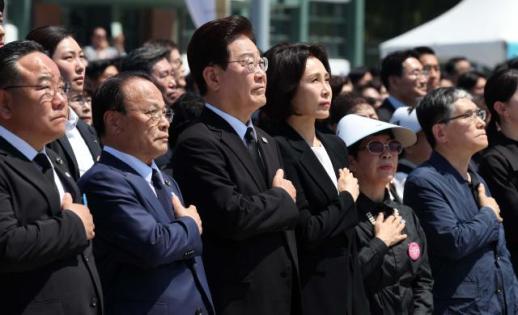 Political Distortion of the Gwangju Uprising Must End, Leaders Urged The Gwangju Uprising marks its 46th anniversary, yet certain political factions continue to distort and undermine its historical significance. Despite the government's legal and institutional recognition of the pro-democracy movement, including Supreme Court rulings and investigations, extreme claims and political exploitation persist. This ongoing lack of social consensus regarding the tragic history of democracy reflects the backwardness of South Korean politics. The events of May 18 are no longer open to political interpretation. The violent suppression of citizens by the military regime in May 1980 was a pivotal moment that changed the course of South Korean democracy, a fact that has been legally and historically established. It has been designated a national memorial day and is recognized as a core value of democracy, even being discussed for inclusion in the preamble of the constitution. However, during election seasons, some politicians resort to strategic manipulation or repeat controversies surrounding the Gwangju Uprising. Statements influenced by extreme factions emerge, unverified conspiracy theories resurface, and remarks that reopen wounds for victims and their families continue. Critics argue that politicians are using historical issues not for social unity but as a means to consolidate their support base. The problem is that this distortion goes beyond mere verbal missteps. It fosters distrust in the history of democracy, exacerbates generational conflicts, and undermines public standards across society. In an age where provocative claims spread rapidly through platforms like YouTube and social media, irresponsible remarks from politicians carry even greater repercussions. The words of public figures are not merely personal opinions; they convey societal messages. Moreover, statements from lawmakers and party leaders come with the heavy responsibility of upholding national unity and democratic values. Even more concerning is the inability of the political sphere to rise above partisan logic regarding historical issues. While they react vehemently to distortions from opposing factions, they often remain silent or downplay inappropriate remarks from their own side. On historical matters, there should be no division between the ruling and opposition parties. The entire political landscape must draw a clear line against distortions and denigrations that undermine the fundamental order of democracy. Germany legally punishes the denial of Nazi crimes, and several European countries apply strict standards against historical distortion. This is rooted in the understanding that political exploitation of the past can threaten democracy itself. South Korea has also established laws to penalize distortions of the Gwangju Uprising, yet controversies continue to arise within political calculations. This underscores the need for politicians to cultivate a minimum ethical awareness regarding history. Particularly, conservative politicians must feel a heavier sense of responsibility. The Gwangju Uprising represents a historical challenge that South Korean conservatism must confront. If they continue to adopt ambiguous stances out of fear of hardline supporters, they will struggle to gain the trust of moderates. A healthy conservatism that respects democracy and constitutional order should not hesitate to draw lines against historical distortion. The progressive camp must also move away from treating the Gwangju Uprising as a proprietary asset of a specific faction. The history of democratization is not the exclusive domain of any political group but belongs to the entire nation. The Gwangju Uprising is not just a story of Gwangju. It serves as a reminder of the tragedy when state power is turned against its citizens and a commitment to ensure such events never happen again. In light of this history, a minimum level of responsibility and restraint is necessary. If the political sphere continues to engage in distortion and conflict, it is ultimately the trust in democracy and national unity that will suffer. History is not a tool for politics. Especially the history of democracy, written in blood, must be treated with the utmost respect. The political arena must now remove the Gwangju Uprising from the battleground of conflict. This is the minimum dignity that politicians must uphold when discussing democracy.* This article has been translated by AI. 2026-05-21 13:33:00
 -
 Negative Campaigning Dominates Upcoming Local Elections in South Korea As the June 3 local elections approach in South Korea, the political climate in key battlegrounds is becoming increasingly contentious. Candidates are hitting the streets to meet voters, and political parties have mobilized their full support. It is natural for the intensity to rise as the election date nears, as democracy thrives on competition, and elections are the most visible manifestation of that competition. However, this local election is becoming overly focused on personal attacks and allegations against opponents rather than policy competition. Voters are eager to hear visions and plans for improving their communities, yet the campaign landscape is dominated by negative tactics aimed at exploiting the weaknesses of rival candidates. In critical areas like Seoul and Busan, emotional and aggressive exchanges are overshadowing policy debates. In the Seoul mayoral race, the People Power Party and the Democratic Party have been relentless in launching various allegations and controversies against each other. Issues such as personal life controversies, accountability for city governance, and allegations of construction material omissions are being raised, while serious discussions about how to improve citizens' lives are being pushed to the background. The conflict has escalated beyond individual candidates, with central party leadership joining the fray, transforming the local elections into a national political battleground. Since the official campaign began, party leaders have hurled strong accusations at each other, labeling opponents as "incompetent," "irresponsible," and questioning their "moral integrity." Each campaign is intensifying its attacks, leading to growing fatigue among voters. The Busan mayoral election is similarly contentious. During public debates, allegations of bribery involving the Unification Church and controversies over real estate profits have taken center stage, with candidates spending significant time attacking one another. The Incheon mayoral race is also marked by intensified clashes over allegations of hidden virtual assets, with discussions of potential legal actions surfacing. Across the country, elections are increasingly resembling exposés rather than policy debates. Additionally, there is concern over the rapid spread of unverified claims and sensational videos on social media platforms and YouTube during this election. In the past, candidate disputes primarily occurred in debates or official campaign events, but now, short edited videos and online posts are circulating in real-time, swaying public opinion. If the election devolves into a competition for views rather than a contest of policies and visions, the biggest victims will ultimately be the voters who need accurate information to make informed decisions. While scrutiny of candidates is necessary, as their morals, qualifications, and past actions are crucial factors in voters' decisions, it is not inherently problematic to raise allegations. However, if the focus remains solely on attacks and counterattacks, the election risks becoming a battle of emotions rather than a competition for the future. Local elections are fundamentally about issues closest to residents' lives, addressing matters such as transportation, housing, welfare, education, urban development, and safety. The focus should be on what kind of city to build, what kind of administration to implement, and what actions to take for youth, the elderly, and small businesses. Yet, voters are increasingly exposed to commentary and investigative articles attacking rival candidates rather than to platforms of promises. Politicians often claim they seek voters' choices. Therefore, they must first provide reasons for voters to choose them. Rather than fixating on undermining opponents, candidates should explain what they can offer. Elections should prioritize promises over attacks and policies over political strife to restore voter trust. As the election draws closer, the level of attacks is likely to escalate further. However, what voters will ultimately remember is not how much they attacked their opponents, but what promises they made for their communities and what visions they presented. This is why there is hope that this local election will remain a contest of policies rather than a competition of smear tactics. 2026-05-21 13:30:31
 -
![[6·3 Local Elections] Jeong Cheong-rae Calls for Cleanup Lineup in Gyeonggi with Lee Jae-myung, Choo Mi-ae, and Kim Byeong-wook](https://image.ajunews.com//content/image/2026/05/21/20260521113659832514_518_323.jpg) [[6·3 Local Elections]] Jeong Cheong-rae Calls for Cleanup Lineup in Gyeonggi with Lee Jae-myung, Choo Mi-ae, and Kim Byeong-wook On May 21, Jeong Cheong-rae, the head of the Democratic Party's election campaign committee, visited Seongnam to support Gyeonggi governor candidate Choo Mi-ae and Seongnam mayor candidate Kim Byeong-wook. He urged voters to create a cleanup lineup in Gyeonggi alongside President Lee Jae-myung, emphasizing that the country can only achieve normalization by eliminating insurrectionist forces. Speaking near Seohyeon Station, Jeong stated, "The Gyeonggi governor and Seongnam mayor must be from the Democratic Party, working seamlessly together like cogs in a machine with the president." He added, "The insurrection is still ongoing," criticizing the People Power Party by asking, "Is this a nomination for insurrection or an insurrection for nomination?" He described the upcoming election as a decisive moment to drive the 'Yoon Again' forces out of South Korea, asserting that this is essential for the country's normalization. Jeong pledged that the Democratic Party would continue to robustly support the Lee Jae-myung administration and ensure that the needs of Gyeonggi residents and Seongnam citizens are met through legal and institutional support. In response, Choo stated, "I will work with you to open a proud future for Gyeonggi Province." Kim also expressed his ambition to become an effective mayor of Seongnam, working alongside the Lee Jae-myung administration.* This article has been translated by AI. 2026-05-21 13:27:57
[[6·3 Local Elections]] Jeong Cheong-rae Calls for Cleanup Lineup in Gyeonggi with Lee Jae-myung, Choo Mi-ae, and Kim Byeong-wook On May 21, Jeong Cheong-rae, the head of the Democratic Party's election campaign committee, visited Seongnam to support Gyeonggi governor candidate Choo Mi-ae and Seongnam mayor candidate Kim Byeong-wook. He urged voters to create a cleanup lineup in Gyeonggi alongside President Lee Jae-myung, emphasizing that the country can only achieve normalization by eliminating insurrectionist forces. Speaking near Seohyeon Station, Jeong stated, "The Gyeonggi governor and Seongnam mayor must be from the Democratic Party, working seamlessly together like cogs in a machine with the president." He added, "The insurrection is still ongoing," criticizing the People Power Party by asking, "Is this a nomination for insurrection or an insurrection for nomination?" He described the upcoming election as a decisive moment to drive the 'Yoon Again' forces out of South Korea, asserting that this is essential for the country's normalization. Jeong pledged that the Democratic Party would continue to robustly support the Lee Jae-myung administration and ensure that the needs of Gyeonggi residents and Seongnam citizens are met through legal and institutional support. In response, Choo stated, "I will work with you to open a proud future for Gyeonggi Province." Kim also expressed his ambition to become an effective mayor of Seongnam, working alongside the Lee Jae-myung administration.* This article has been translated by AI. 2026-05-21 13:27:57