

Journalist

by Abraham Kwak
-
 Pamtech Shares Surge Following Acquisition of Robotics Firm TIS Pamtech has seen its shares hit the daily limit for the second consecutive trading day following news of its acquisition of TIS, a company specializing in industrial robots. As of 10:40 a.m. on June 2, shares of Pamtech rose by 419 won (29.99%) to 1,816 won. The previous day, shares also closed up by 29.95%, marking two days of limit-up trading. The acquisition of 100% of TIS is seen as a move to enhance Pamtech's semiconductor process automation equipment business, boosting investor sentiment. Pamtech announced on June 1 that it had completed the acquisition of TIS. The company plans to leverage TIS's technology to secure industrial robot expertise and develop wafer transfer robot technology for semiconductor manufacturing and post-processing. Pamtech aims to advance its semiconductor logistics automation equipment business, including wafer transfer modules (EFEM) and sorters, using TIS's technology. EFEMs are pre-processing equipment that automatically supply and retrieve wafers to and from processing equipment, while sorters inspect and classify wafers. With the recent expansion of the artificial intelligence (AI) semiconductor and high-performance computing (HPC) markets, the importance of advanced packaging technology has grown, leading to increased expectations for the glass substrate equipment market. Glass substrates are known to have a higher risk of breakage compared to traditional silicon wafers, making precise transfer and alignment technology essential. Pamtech plans to combine its existing automation equipment design and manufacturing capabilities with TIS's precision robot technology to capture the market for automation equipment for glass substrates. Pamtech develops and manufactures automation equipment for camera modules, semiconductors, smart factories, and mobility sectors. Last year, the company reported consolidated revenues of 38.7 billion won and an operating loss of 4.1 billion won.* This article has been translated by AI. 2026-06-02 10:57:00
 -
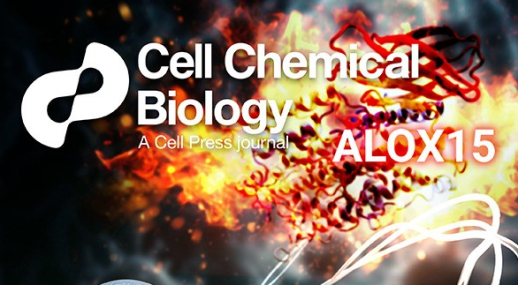 Researchers discover natural substance capable of slowing down cancer cell growth SEOUL, June 02 (AJP) - Scientists from South Korea and the United States have discovered that a natural substance produced when the body breaks down dietary fats can directly block a key protein responsible for cancer cell growth, the Korea Advanced Institute of Science and Technology said Tuesday. The joint study, led by Korea Advanced Institute of Science and Technology (KAIST) Professor Kim Se-yoon and Korea University Professor Byun Young-joo, identified that a fat byproduct called 13-HODE acts as a natural brake on the mTOR protein. The mTOR protein regulates normal cell growth and energy use, but it becomes abnormally hyperactive in cancer cells, driving rapid tumor growth and spread. The human body creates the 13-HODE molecule when an enzyme called ALOX15 processes linoleic acid, an essential fatty acid commonly found in plant oils. Using computer simulations and mass spectrometry, the research team found that 13-HODE physically attaches itself to the active part of the mTOR protein, completely shutting down its ability to function. Researchers noted that 13-HODE levels are severely depleted in breast and colon cancer cells because the tumors suppress the ALOX15 enzyme needed to make it. During laboratory tests, artificially increasing the production of both the enzyme and the fat byproduct successfully lowered mTOR activity and stopped cancer cells from multiplying. "This research is meaningful in that it reveals a fat metabolite produced within the human body can directly inhibit mTOR, a core protein in cancer growth," Professor Kim Se-yoon said. "It could be utilized not only for new anticancer treatment strategies using fat metabolism in the future but also for developing treatments to regulate mTOR overactivity seen in inflammation and aging processes." Professor Byun Young-joo said the research identified the interaction between a protein and a fatty acid metabolite at the molecular level through the convergence of biology and pharmacy. "It will serve as an important foundation for the development of innovative new drugs in the future," Byun said. Professor Jie Chen of the University of Illinois, a leading researcher in the mTOR field, evaluated the findings in a journal preview, describing the work as an exceptional discovery that presents a new breakthrough in controlling cancer cells. The research involved collaboration with scientists from Gachon University College of Medicine and the University of Maryland School of Pharmacy. The study, co-authored by Dr. Park Seung-ju and doctoral student Kim Se-ra of KAIST, was published as a cover paper in the journal Cell Chemical Biology on May 21, 2026. (Reference Information) Journal/Source: Cell Chemical Biology Title: Mechanism by which a linoleic acid metabolite suppresses cancer cell growth by inhibiting mTOR Link/DOI: https://doi.org/10.1016/j.chembiol.2026.04.004 2026-06-02 10:56:34
 -
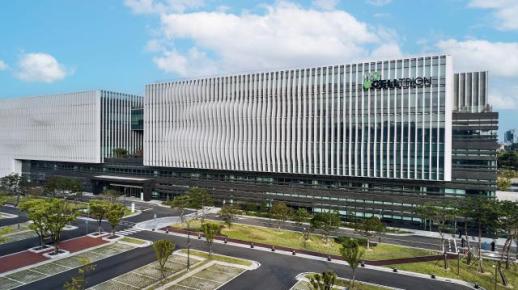 Celltrion Establishes First Labor Union, Calls for Performance Pay and Staffing Discussions Celltrion has established its first labor union, marking a significant milestone 25 years after the company's founding. The union is advocating for transparency in performance pay criteria, improvements to the wage system, and the hiring of regular staff. Union representatives argue that discussions on a compensation system commensurate with the company's expected record performance are necessary. According to the Korean Confederation of Trade Unions' Chemical, Textile, and Food Industry Workers' Union, Celltrion employees launched the 'Unitrion' branch of the union on June 1. This is the first union formed since the company was founded by Chairman Seo Jung-jin in 2002. The union announced its official establishment through a declaration but did not disclose the number of members. In its founding declaration, the union stated, "We demand transparent compensation and respect that reflects our dedication." Key demands include the disclosure of criteria for excess profit-sharing bonuses and the establishment of a wage determination system based on negotiations. The union is also calling for the hiring of regular staff in compliance with Good Manufacturing Practices (GMP), improvements to rotating work schedules, enhanced employee welfare, and the rejection of unilateral work directives. These demands are seen as closely related to the company's recent growth. Celltrion has been experiencing performance growth due to the expansion of biosimilar sales and the establishment of a direct sales system. Additionally, with the launch of its new drug business, the company has set a revenue target of 5.3 trillion won for this year. The union believes that with record performance anticipated, both performance pay and the wage system should be improved accordingly. Labor issues are increasingly spreading across various industries. In the pharmaceutical and biotech sectors, discussions are ongoing. The union at Samsung Biologics conducted a five-day strike last month and continues to engage in lawful protests demanding wage and treatment improvements. In response to the union's formation, Celltrion stated, "The company respects the rights guaranteed by law regarding the establishment of labor unions and plans to respond sincerely in accordance with laws and regulations as related procedures progress." The company added, "We will do our utmost to ensure stable operations and continuous growth through communication with employees and responsible management."* This article has been translated by AI. 2026-06-02 10:54:00
 -
 Korea Expressway Corporation Introduces Fuel Assistance Service for Vulnerable Road Users The Korea Expressway Corporation announced on June 2 that it will implement a "QR Call Fuel Assistance Service" to reduce the inconvenience faced by vulnerable road users, including people with disabilities, the elderly, and pregnant women, at highway gas stations. This service will be available at 218 self-service gas stations across the country. Out of 226 gas stations on the expressways, 218 operate on a self-service basis, accounting for 96%. Previously, vulnerable users had to use assistance devices like call buttons to request help, which required them to exit their vehicles. The new service allows users to request assistance without leaving their cars through a contactless call system. By scanning a QR code attached to the gas pump, the request is sent to the gas station staff. If scanning the QR code is not feasible, users can call the gas station office using the contact number provided below the QR code. Once the request is received, a staff member will come to the vehicle to assist with the entire fueling process. The Korea Expressway Corporation believes this service will enhance both the safety and accessibility for vulnerable road users. Current legislation defines vulnerable road users as individuals who experience mobility difficulties in daily life, including people with disabilities, the elderly, pregnant women, caregivers with infants, and children. A representative from the Korea Expressway Corporation stated, "This service goes beyond simple fuel assistance; it is a public service that guarantees mobility rights. We will continue to improve systems on-site to ensure that all citizens can safely and conveniently use highway services."* This article has been translated by AI. 2026-06-02 10:54:00
 -
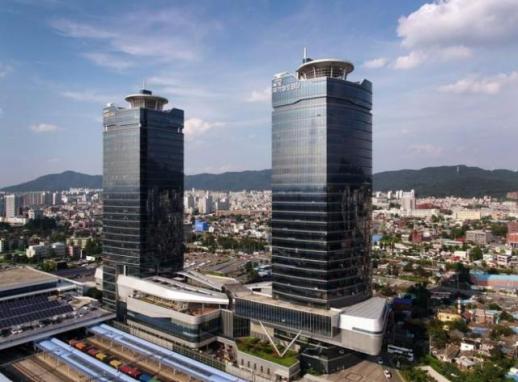 Korea's National Railroad Corporation Wins $13 Million Rail Project in Peru The National Railroad Corporation announced it has secured a contract for the design review and construction supervision of the "Huancayo-Huancavelica" railway improvement project, commissioned by Peru's Transportation Infrastructure Investment Supervisory Agency. The project is valued at approximately $13 million (about 19.2 billion won). This initiative aims to modernize a 128.7-kilometer stretch of aging railway in the central Andes region of Peru, which operates at altitudes exceeding 3,600 meters. The corporation's consortium will oversee the supervision of construction and operational phases over the next five years. The Huancayo-Huancavelica railway, also known as the "Tren Macho," began operations in October 1926 and features seven stations, 20 stops, 15 bridges, and 38 tunnels. The modernization project will include the introduction of new vehicles and improvements to signaling and control systems. The corporation formed a global consortium that includes domestic engineering firms and local companies. It outperformed competitors from Spain and Japan in all aspects of technical and price evaluations. Lee An-ho, acting president of the National Railroad Corporation, stated, "This contract demonstrates our technological prowess in K-Rail by competing with advanced countries in the global railway sector. We will continue to elevate the status of Korean railways and expand overseas markets in collaboration with domestic companies."* This article has been translated by AI. 2026-06-02 10:51:00
 -
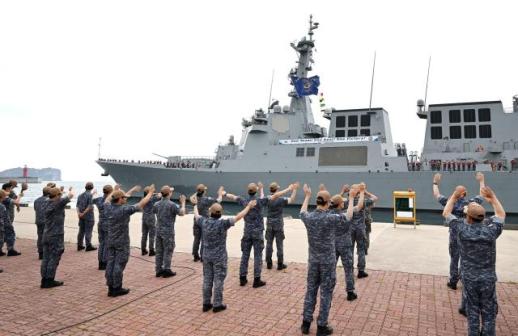 Korean Navy to join RIMPAC, take first command role in multinational maritime exercise SEOUL, June 02 (AJP) - South Korea’s Navy said Monday its Aegis destroyer Jeongjo the Great will depart for the Rim of the Pacific exercise (RIMPAC), marking the first time the service will assume a major command role in the U.S.-led multinational maritime drill. The 8,200-ton destroyer left Jeju Naval Base on Monday and will join the exercise, which will take place in waters off Hawaii from late June through July, according to the Navy. It will be the first RIMPAC participation for the Jeongjo the Great, which was commissioned in December 2024. The 3,000-ton submarine Dosan Ahn Chang-ho and the P-8A maritime patrol aircraft will also take part in the exercise for the first time. The Dosan Ahn Chang-ho, along with the frigate Daejeon, will move to Hawaii after completing a combined cooperation exercise with Canada. The landing ship Cheonjabong is also set to head to Hawaii after conducting a search and rescue exercise, or SAREX, with Japan’s Aegis destroyer Kongo in international waters southeast of Jeju on June 7. RIMPAC is a biennial multinational naval exercise hosted by the U.S. 3rd Fleet to enhance participating countries’ ability to protect sea lines of communication, respond jointly to maritime threats and improve interoperability and operational capabilities among allied and partner forces. This year marks the 30th edition of the exercise. South Korea first joined RIMPAC in 1990 and will be participating for the 19th time this year. During this year’s exercise, the South Korean military will serve for the first time as the Combined Force Maritime Component Commander, or CFMCC. South Korea will become the fourth country to take on the role and the first Asian country to do so. The Navy said the exercise is expected to provide an opportunity to strengthen South Korea’s military capabilities ahead of the planned transfer of wartime operational control from Washington to Seoul. Rear Adm. Kim In-ho, commander of the Republic of Korea Navy’s Maritime Task Flotilla and the officer who will serve as the CFMCC, said the assignment marks a shift in South Korea’s role from a participating country to a command nation. “Taking on the command role for the first time means we have moved beyond being a participating country and have advanced to the position of a command nation,” Kim said. 2026-06-02 10:48:20
 -
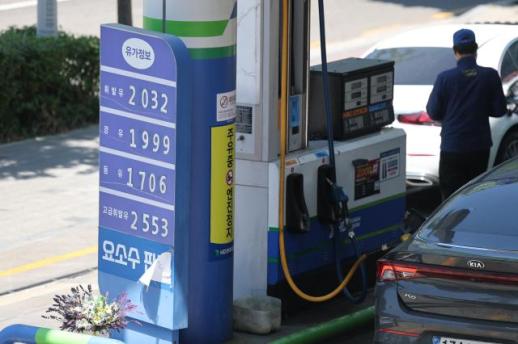 Consumer prices hit 26-month high as fuel prices soar SEOUL, June 2 (AJP) - South Korea's consumer prices rose 3.1 percent in May from a year earlier, the Ministry of Statistics and Data said on Tuesday. Consumer prices, which serve as a key gauge of inflation, rose above 3 percent for the first time in 26 months since February 2024, fueled by sharp increases in petroleum and industrial product prices. An index measuring the prices of daily necessities also rose to 3.3 percent, the highest level since March 2024, suggesting that households continue to feel the pressure of rising prices. Petroleum products were a major driver of inflation, with prices rising 24.2 percent year-on-year. Diesel recorded the largest increase at 33.3 percent, while gasoline prices rose 23.1 percent. Costs in the service sector also rose 2.8 percent from a year earlier. Prices of agricultural and fishery products also climbed 2.2 percent as hot weather constrained supply. The core inflation measure used by the Organization for Economic Cooperation and Development (OECD), which excludes food and energy, rose 2.5 percent, marking its highest level since February 2024. 2026-06-02 10:44:31
 -
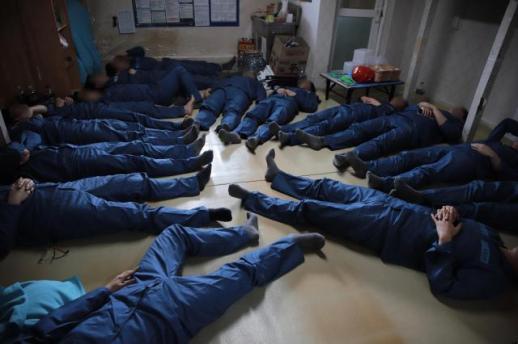 Justice Ministry Defends Air Conditioning Installation in Prisons The Justice Ministry has clarified that the recent decision to install air conditioning in prisons is aimed at protecting inmates vulnerable to heat-related illnesses. On June 2, the ministry issued a statement explaining that the cooling systems will be installed in the hallways of housing units, providing indirect cooling to mitigate rising temperatures. They anticipate that this will also improve working conditions for correctional officers. The ministry stated, "We are focusing on enhancing cooling systems in housing units where elderly, disabled, and ill inmates reside, as they are particularly susceptible to heat-related illnesses." It also noted that some women's housing units were included in the plan after considering overcrowding, physical characteristics, and living conditions. Additionally, the ministry emphasized its ongoing efforts to combat heat and prevent heat-related illnesses, which include operating cooling shelters and providing ice water. The installation of air conditioning is seen as a necessary measure to protect vulnerable inmates. A representative from the Correctional Headquarters told Aju Economy that they provide inmates with two 500ml bottles of ice water daily, but do not offer special treats like ice cream or fruit punch. They urged the public to understand that the enhancement of cooling systems is a minimal necessary measure to ensure the safety and well-being of inmates sensitive to extreme heat. Earlier this year, the Justice Ministry announced a budget of 1.2 billion won to improve cooling systems in correctional facilities. However, the announcement has sparked criticism online, with comments on portal sites expressing concerns such as, "Tax money is being used to install air conditioning for criminals," and, "There are people living without air conditioning in goshiwons (small rooms)," as well as calls for increased air conditioning in military barracks for soldiers protecting the country. 2026-06-02 10:42:00
 -
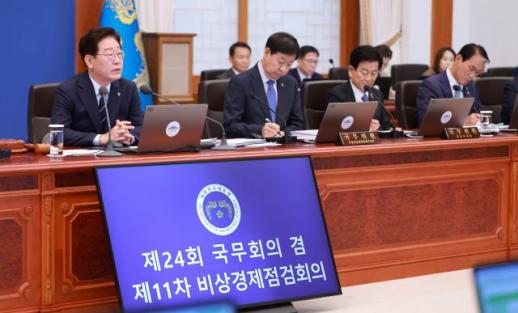 President Yoon Calls for Review of Repeated Workplace Accidents President Yoon Suk Yeol addressed the recent explosion at the Hanwha Aerospace factory in Daejeon on June 2, urging officials to identify workplaces where similar accidents have repeatedly occurred. During a Cabinet meeting and emergency economic review at the Blue House, President Yoon instructed Vice Minister of Employment and Labor Kwon Chang-jun to expedite safety inspections at other similar facilities. He emphasized the need for thorough investigations into the causes of accidents and the establishment of effective measures to prevent their recurrence, stating, "It is a serious issue when the same type of accident continues to happen in the same workplace." President Yoon remarked, "We must remember that everyone works to sustain their lives and lead happy lives with their families. However, the workplace, which should be a place of safety, can sometimes become a site of death." He raised concerns about whether society truly respects and values human life, questioning, "Do we hold life in higher regard than money? Do we respect the lives of others as much as our own?" He added, "The life of one person is like another universe, and I sometimes wonder if they are treated equally." President Yoon extended his condolences to the deceased and wished for the swift recovery of the injured, noting, "While it seems that workplace fatalities have decreased recently, it is still unfortunate that they continue to occur."* This article has been translated by AI. 2026-06-02 10:36:00
 -
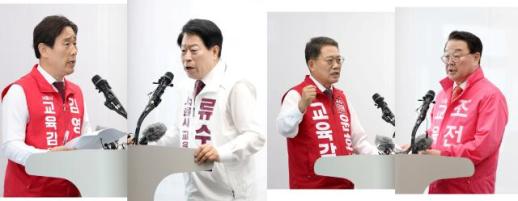 Legal Battles and Attacks Dominate Seoul Education Superintendent Election With just one day to go until the June 3 local elections, the race for the Seoul education superintendent is mired in legal disputes and personal attacks rather than policy discussions. Both progressive and conservative factions have failed to unify, resulting in eight candidates competing for the position. As the election devolves into ideological battles and negative campaigning, concerns are growing over the uncertainty surrounding education administration in Seoul. According to reports from the education sector, tensions have escalated between conservative candidates Yoon Ho-sang and Jo Jeon-hyeok in the final stretch of the campaign. Yoon has called for Jo to withdraw from the race, citing Jo's past history of school violence, while Jo's camp has labeled this as a refusal to accept the primary results. Similarly, in the progressive camp, Jeong Geun-sik and Han Man-jung have filed mutual complaints over alleged violations of election laws, overshadowing any opportunity for policy comparisons among candidates. Currently, there is a prevailing sentiment that the essence of education has been lost in the Seoul education superintendent election due to candidates' ideological biases and provocative issues. To attract voter attention in a multi-candidate race, some candidates have resorted to sensational slogans, such as opposing homosexuality, which are far removed from the core issues of education administration. As a result, critical macro-level challenges facing Seoul's education, such as enhancing public education infrastructure to respond to future industries and addressing educational disparities, have been sidelined amid the noise of the election. The deepening apathy among voters and media regarding the election is also cited as a major factor contributing to the chaotic atmosphere. With an increasing number of households either not having children or having already raised them, the proportion of voters directly interested in educational issues has sharply declined. Major media outlets have also given less coverage to debates and policy verifications related to the education superintendent election compared to the mayoral race, exacerbating the situation of voters being unaware of candidates and their pledges, leading to a so-called "blind election." This absence of policy focus could have significant economic repercussions, as it may disrupt the continuity of the Seoul education administration, which manages an annual budget of 11 trillion won. Analysts warn that if the election results lead to drastic shifts in educational policies, it could result in administrative chaos in schools and a decline in public trust in the entire education system. Historical trends indicate that when the consistency of public education is compromised, there is a tendency for consumers to shift towards private education, thereby increasing the financial burden on families. Education experts point to a "system error" as the fundamental cause of the recurring mudslinging in education superintendent elections. They argue that applying existing election laws, designed for party-based politics, to elections without party nominations creates structural contradictions. The proposed running mate system, which has been suggested as an alternative, is criticized for potentially allowing political parties to exert direct influence over education, leading candidates to adopt more extreme ideological pledges or biased policies, which could negatively impact the future of education in South Korea. Ultimately, to minimize the adverse effects of the election, a responsible citizenship from voters is essential. Park Nam-ki, an honorary professor at Gwangju National University of Education, stated, "The issue of the election being a blind one is not just the candidates' problem; voters and the media also bear significant responsibility for not even checking the election materials. Reading the election pamphlets delivered to each household carefully and actively verifying the sustainability of policies is the first step in changing the future of education in South Korea."* This article has been translated by AI. 2026-06-02 10:36:00