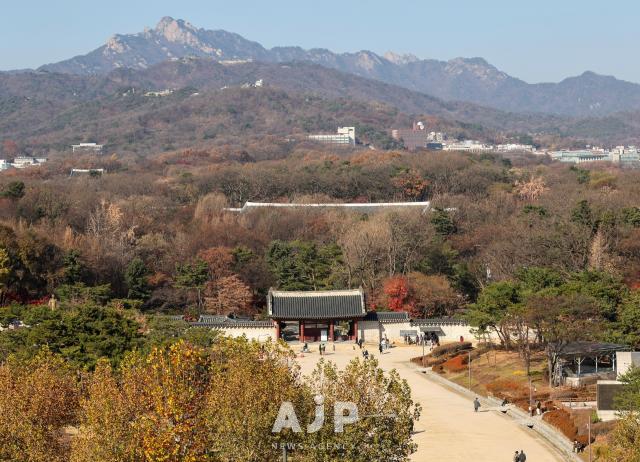
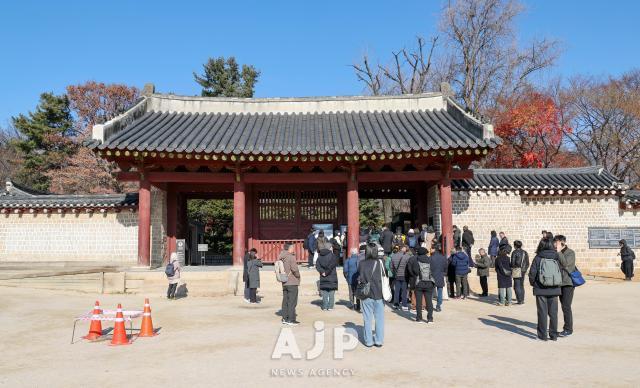
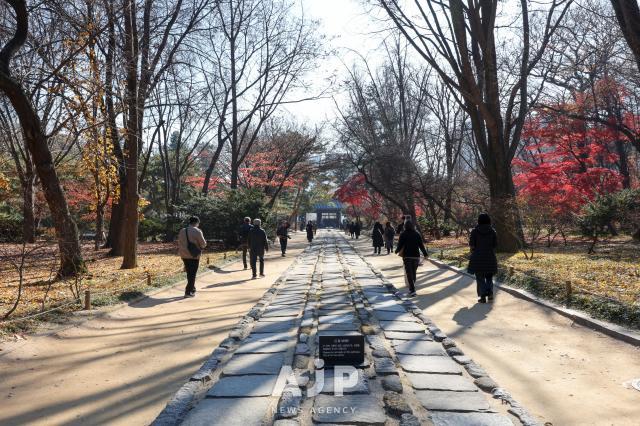
SEOUL, December 04 (AJP) - On a frigid day in early December, a profound silence settles over the Jongmyo Shrine in the heart of Seoul, broken only by the crunch of footsteps on the stone paths.
Though a steady stream of tourists, drawn by its status as a UNESCO World Heritage site, still visits, the ancient royal sanctuary has been swept into a very modern controversy: a pitched battle over redevelopment and the city's skyline.
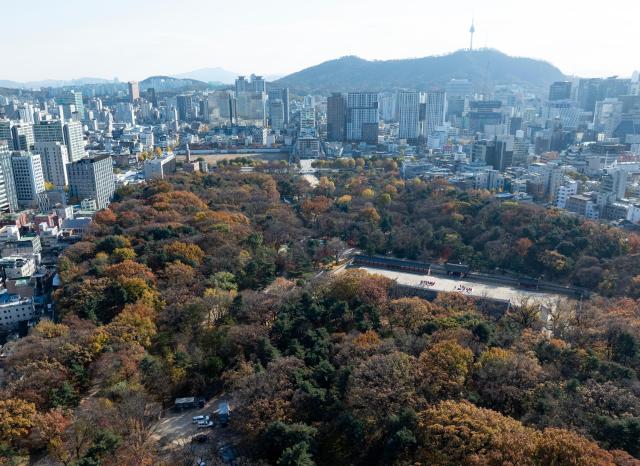
The Seoul Metropolitan Government’s proposal to ease height restrictions in the adjacent Sewoon Commercial District has pitted preservationists against developers, making this solemn space for the spirit tablets of Joseon Dynasty royalty the frontline in a debate about South Korea's future. The stakes are immense: is Seoul willing to sacrifice a 600-year-old traditional scenic axis — the view lines stretching to Bugaksan and Namsan — for the sake of urban revitalization?
For international visitors, Jongmyo is best known for the Jongmyo Jerye (Royal Ancestral Rite) and Jeryeak (Ritual Music), a performance tradition recognized globally. Yet, the shrine's true weight — its symbolic status in a Confucian-rooted nation — is often underappreciated.
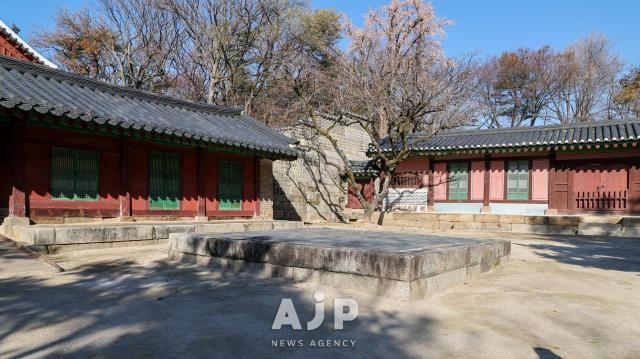
Founded in 1395, Jongmyo was not merely a memorial; it was the spiritual anchor of the Joseon royal legitimacy. Protecting this house of spirits was synonymous with guarding the nation's destiny.
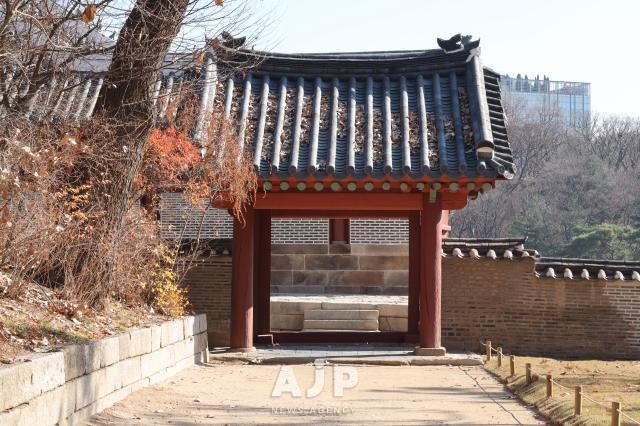
Its main hall, the Jeongjeon, stands as one of the world's longest single wooden structures, an architectural marvel whose restrained, simple lines perfectly capture the aesthetic principles of Joseon architecture. The entire precinct, with its forests and sacred stone walkways, remains a profound sanctuary.
The current flashpoint lies where history and the metropolis converge. Advocates for development argue that relaxing height limits is essential to inject life into the aging Sewoon district. Preservationists counter that new high-rises will irrevocably harm the sanctuary's sightlines, desecrating a vital piece of the nation's heritage.
The collision of a rapidly modernizing city and its deep historical roots is a problem unique to Seoul, and it’s now centered on the distance between Jongmyo and the Sewoon district.
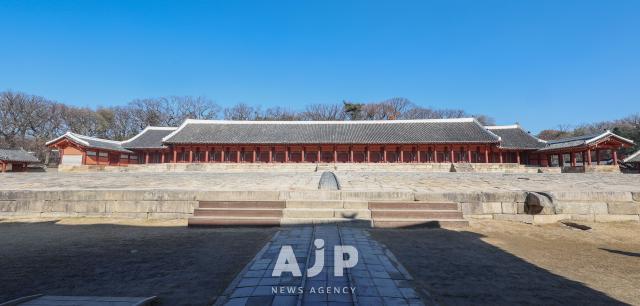
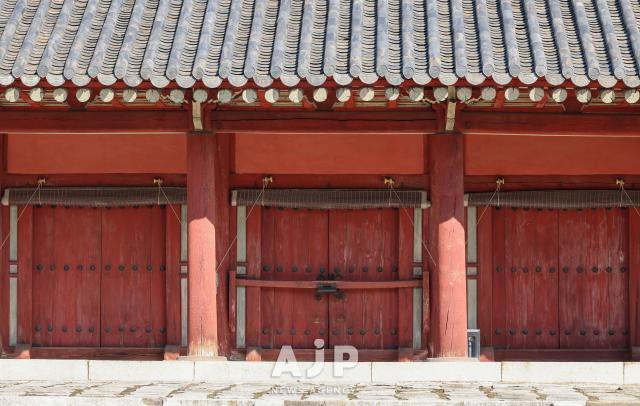
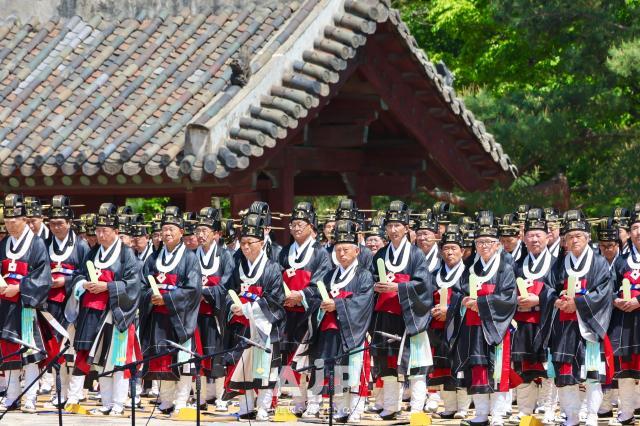
Despite enduring wars and fires across six centuries, the Jeongjeon architecture and the ancestral rites persist. Even though the dynasty vanished, the Jerye ceremonies continue today, held every May and November.
As the colorful spectacle of K-Pop and K-dramas spreads globally, the world's fascination with South Korean culture only deepens. That global interest provides a timely opportunity to turn attention to Jongmyo from which modern Korean identity sprang.
Jongmyo is a place of powerful, resonant silence, where the deep current of Joseon’s time still flows, challenging the city to remember its past.

Copyright ⓒ Aju Press All rights reserved.