


SEOUL, December 03 (AJP) - Scalping of concert and sports tickets has exploded across Korea—surging 41-fold over the past five years—despite tougher penalties and enforcement, prompting regulators and tax authorities to intensify punitive measures.
Ticketbay, the country's largest resale platform, is now capping all resale prices at 1 million won ($681) in an attempt to rein in runaway premiums and speculative behavior.
The platform said Monday that listings with "abnormally high prices" had surged, fueling user complaints and public anger. Starting Jan. 1, "any amount exceeding the 1 million won ceiling will be automatically blocked, regardless of seat section or grade," the company said, adding that the new limit was necessary to curb distorted pricing.
The rise in scalping has been especially pronounced in professional baseball, which drew a record 12 million spectators this year—its largest audience since the league launched in 1982. A wave of younger and female fans, combined with upgraded stadium experience, has pushed demand to historic highs and emboldened scalpers.
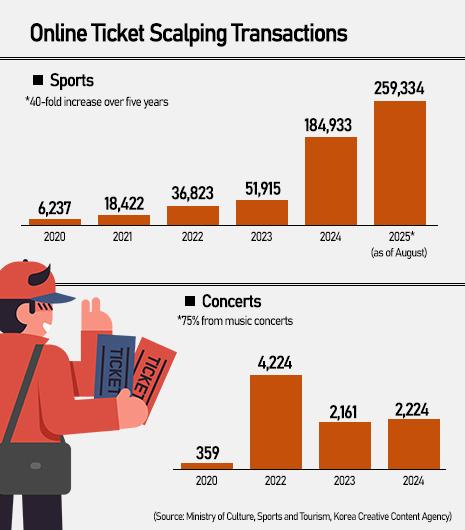
Data from the Ministry of Culture, Sports and Tourism shows suspected scalping cases in professional sports jumped from 6,237 in 2020 to 259,334 in 2025, based on figures recorded through August and expected to rise further by year-end. On Ticketbay alone, scalping cases reached 25,188 by August—nearly eight times last year's 3,613.
The concert industry has been hit just as hard, driven by the global frenzy for K-pop events. At G-Dragon's two-day solo concert in March at Goyang Stadium in Gyeonggi Province, VIP seats priced at 220,000 won were resold for as much as 6.8 million won. Hoang Phuong Ly, a 32-year-old Vietnamese fan who paid 1 million won to attend, said, "Buying at the original price through official channels isn't impossible, but after trying multiple times and failing, I can understand why some fans feel pushed toward resale tickets."
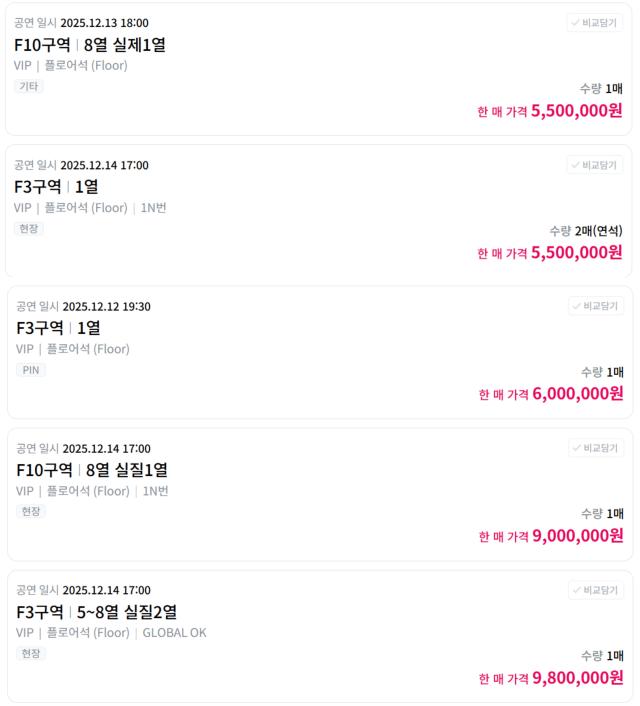
For G-Dragon's upcoming encore concert on Dec. 12–14 at Gocheok Sky Dome in Seoul, VIP seats priced at 230,000 won are now listed for up to 9.8 million won on Ticketbay.
Despite the scale of the problem, Korea's regulations have stayed lax. Under current law, scalping is punishable only when macro ticketing software—programs that snap up large volumes of tickets faster than ordinary users—is used. Most individual transactions conducted through platforms such as X, community forums, or private marketplaces remain effectively outside regulatory reach.
The government has moved to change that. "A proposed amendment to the National Sports Promotion Act includes imposing fines of up to 50 times the profit gained from illegal resale. It could significantly reduce the financial motivation for scalping," said Um Kyong-chon, lawyer at Lawfirm Family.
The National Assembly's Culture, Sports and Tourism Committee recently approved the amendment, which would outlaw scalping regardless of macro use, enable the government to confiscate resale profits, and impose fines of up to 50 times the unauthorized amount.
At the same time, the National Tax Service has launched its first large-scale tax investigation into high-volume scalpers who profited from reselling tickets to K-pop concerts and sports events late last month.
Authorities identified 17 individuals—ranging from schoolteachers and public-sector workers to entrepreneurs—who allegedly distributed more than 20 billion won worth of scalped tickets.
Some macro brokers were found driving high-end imported cars while receiving tax benefits, while others sold macro software or direct queue-bypass links for cash without reporting income.

Copyright ⓒ Aju Press All rights reserved.
