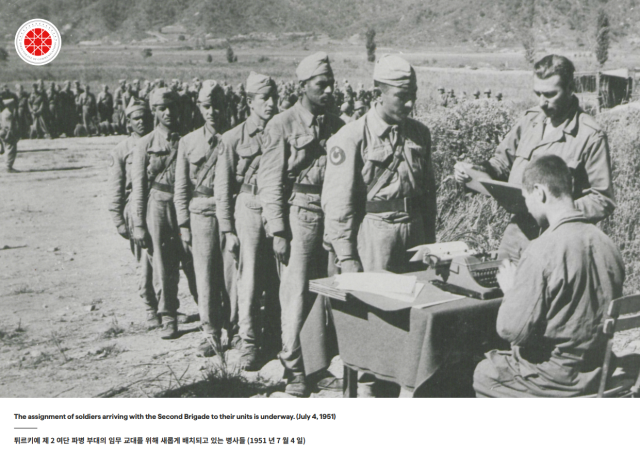
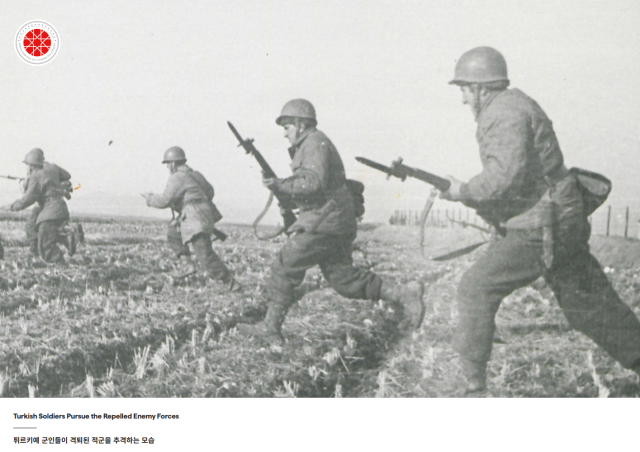
SEOUL, December 15 (AJP) - The first 5,000-strong Turkish brigade, codenamed North Star, landed in South Korea on Oct. 19, 1950, just months after North Korea's invasion in June.
Deployed under the United Nations Command, the Turkish contingent was not just second to arrive to South Korea's rescue after the United States, but also the second-largest contributor among the 16 nations involved in the war. Nearly 1,000 Turkish soldiers were killed or wounded while defending a country many had never seen before.
Türkiye's connection to the Korean Peninsula goes back as far as more than 1,500 years ago, when the Göktürk Khaganate supported Goguryeo, one of Korea's ancient kingdoms.
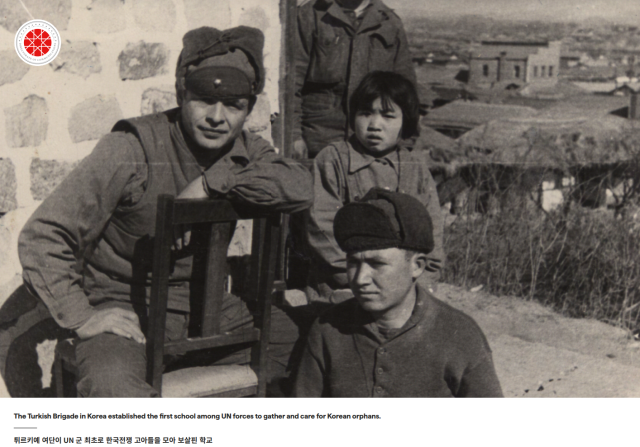
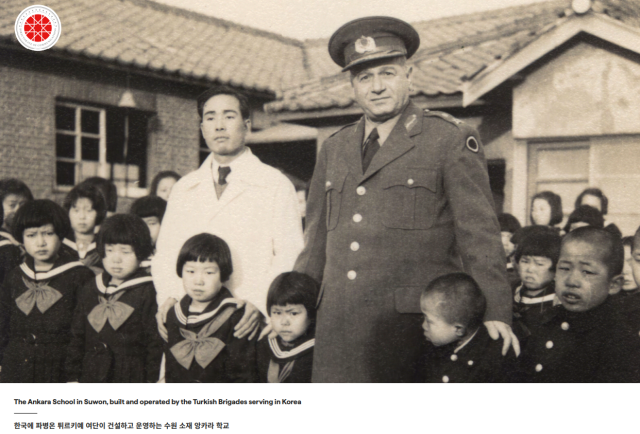
After the war, Turkish troops remained to help rebuild civilian life, establishing the Ankara School and Orphanage for Korean war orphans. The institution operated until the 1960s and remains a powerful symbol of humanitarian solidarity. For these reasons, relations between Seoul and Ankara are often described as a rare "blood brotherhood."
Seoul and Ankara are now drawing on a deep reservoir of shared history as they seek to expand cooperation into energy, technology and strategic industries, amid growing global polarization and middle-power diplomacy.
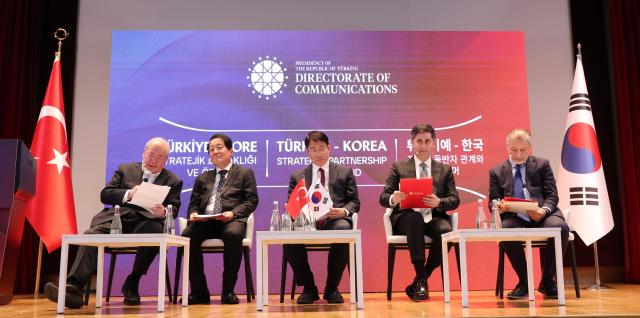
The discussions were part of the "Türkiye Meetings," co-hosted by the Embassy of the Republic of Türkiye in the Republic of Korea and the Korea University Graduate School of International Studies' International Policy Forum. The gathering added substance to summit-level agreements reached on Nov. 24 and coincided with Türkiye's Language and Diaspora Day on Dec. 15.
The newly expanded MoU framework covers defense cooperation, nuclear energy, high-tech industries, infrastructure and finance, as well as digital infrastructure and green energy. Both sides underscored the growing role of middle powers as the global order becomes more polarized, fragmented and increasingly shaped by great-power rivalry.
One focal point of discussion was South Korea's potential participation in Türkiye's Sinop Nuclear Power Plant project. For Seoul, the project represents an opportunity to expand its global nuclear footprint; for Ankara, it promises long-term technological reliability and greater strategic autonomy in energy.
What distinguishes the 2025 MoUs, however, is their breadth. Beyond defense and nuclear energy, cooperation is set to expand into digital transformation, artificial intelligence, biotechnology, smart manufacturing, renewable energy, and the green-hydrogen economy.
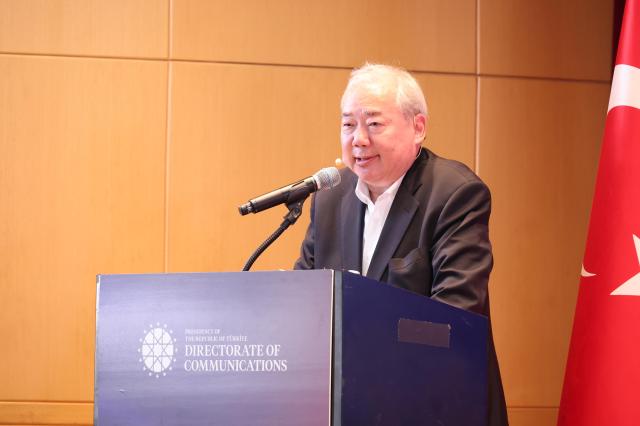
Dr. Nam Seung-wook said nuclear cooperation could serve as a cornerstone of broader industrial alignment, pointing to efforts to "integrate Korea's high-tech manufacturing strengths with Türkiye's production base and market linkages" to build a "resilient, uninterrupted supply chain."
He noted that the two governments had laid institutional groundwork through a bilateral joint statement and a subsequent MoU, adding that the framework opens the door for South Korea to participate in Türkiye's planned second nuclear power plant in Sinop, including early-stage work such as site evaluation. Such cooperation, he said, is increasingly expected to extend beyond simple exports toward "joint development and production" in both nuclear energy and related strategic industries.
With South Korea facing land constraints for large-scale renewable projects, Türkiye's abundant solar, wind, and geothermal resources present a natural complement. Türkiye's growing status as a regional energy hub also aligns with South Korea's push to secure diversified and stable energy supply chains.
Participants at the Türkiye Meetings included Deputy Chief of Mission Esra Dogan Grajover, while Korea University officials—led by GSIS International Policy Forum Board Chair Kim Byung-ki—hosted the event on behalf of the graduate school and its affiliated research institutes.
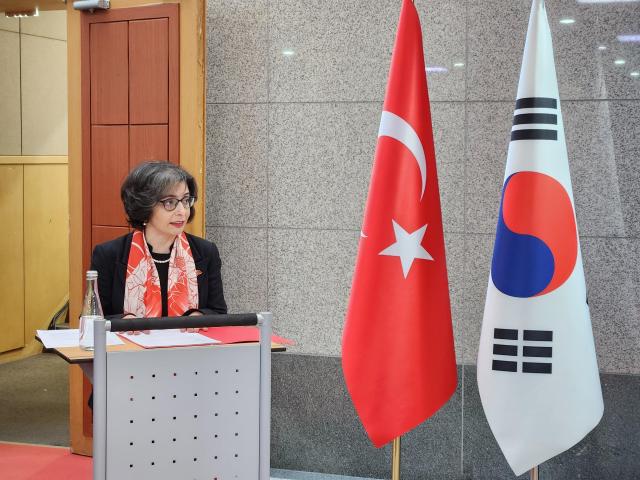
Speaking at the event, the Turkish Deputy Chief of Mission underscored the emotional foundation of bilateral ties, describing the Korea–Türkiye relationship as "deeply rooted in shared sacrifice and mutual respect." Recalling the Korean War, she noted that Turkish soldiers who crossed oceans to defend South Korea are remembered not as outsiders but "as brothers who helped save the nation." Looking ahead, she said the recent visit of President Lee Jae Myung to Ankara was "a testament to many more achievements to come," pointing to expanding cooperation in energy, defense, technology and people-to-people exchanges, and adding that the growing partnership reflects a shared vision of building "many 75 years to come."
Addressing the broader strategic context, Grajober said the partnership between South Korea and Türkiye is increasingly shaped by shared global challenges, citing "global security, economic resilience, technological transformation, [and] sustainable development." In that environment, she argued, reliable partnerships matter more than ever, asking, "who could be more trustworthy than a brother tested in difficult times."
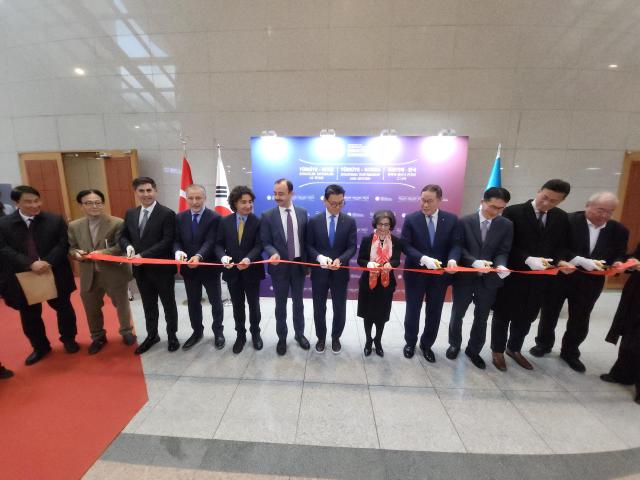
As both countries look ahead, officials emphasized that the challenge now lies in translating historic goodwill into sustained, project-based cooperation—anchored not only in memory, but in shared strategic interests for the decades ahead.
Copyright ⓒ Aju Press All rights reserved.