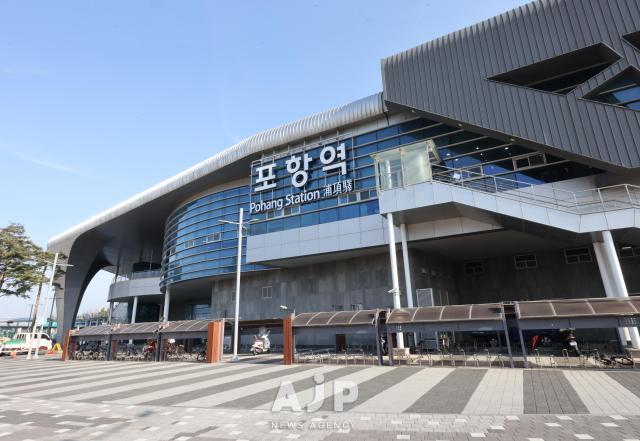
SEOUL, December 16 (AJP) - South Korea's southeastern port city of Pohang is known as an industrial hub, but it also boasts scenic spots that attracts attract hordes of visitors at this time of year to witness the country's earliest and most stunning sunrises.
About a 40-minute journey from the industrial city's KTX bullet train station takes visitors to Homigot at the easternmost tip of the Korean Peninsula. Famous for its iconic hand-shaped sculpture, the site draws large crowds on New Year's Day, eager to catch the year's first sunrise.
About a 40-minute journey from the industrial city's KTX bullet train station takes visitors to Homigot at the easternmost tip of the Korean Peninsula. Famous for its iconic hand-shaped sculpture, the site draws large crowds on New Year's Day, eager to catch the year's first sunrise.

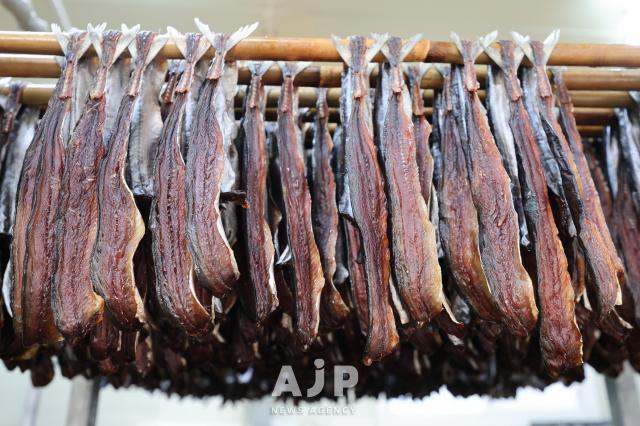
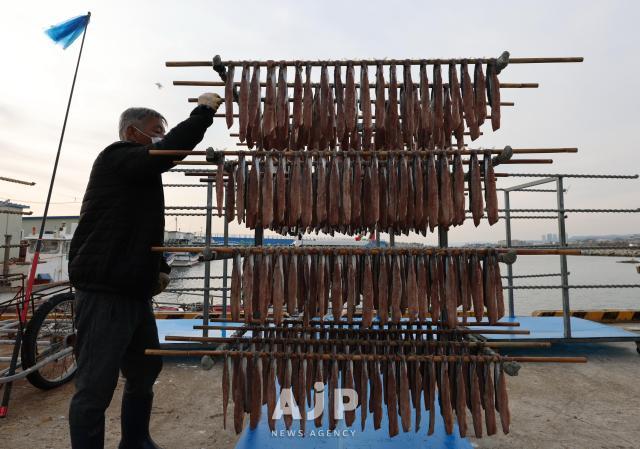
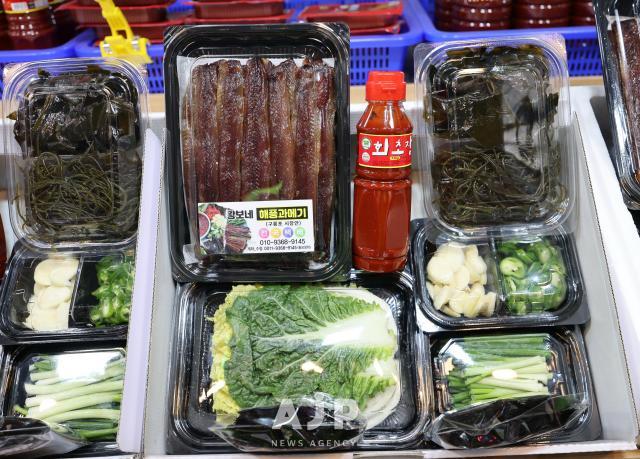
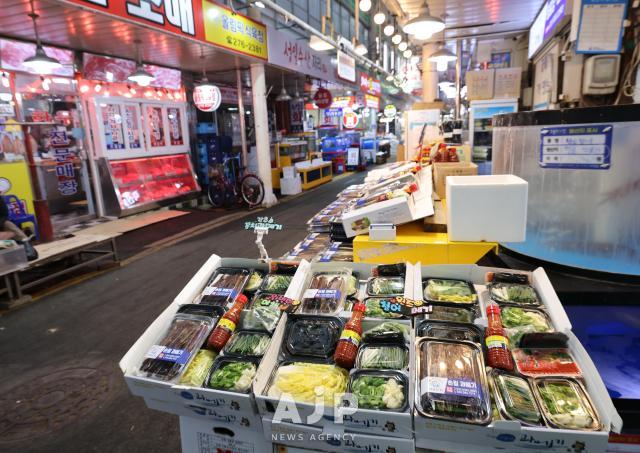
The port city is also known for "gwamegi," a winter delicacy made from saury or herring that is semi-dried in the area's cold sea breeze, giving it a chewy texture and rich flavor. Every winter open-air markets near the small town of Guryongpo bustle with vendors selling stacks of this seasonal specialty, a culinary tradition handed down through generations. Some are neatly packaged for sale, while others hang in bundles tied with straw, catching the eyes of visitors.
For locals, this signals the changing of seasons, while for food lovers, it marks the arrival of a winter delicacy, making gwamegi more than just food, but living cultural heritage.
For locals, this signals the changing of seasons, while for food lovers, it marks the arrival of a winter delicacy, making gwamegi more than just food, but living cultural heritage.

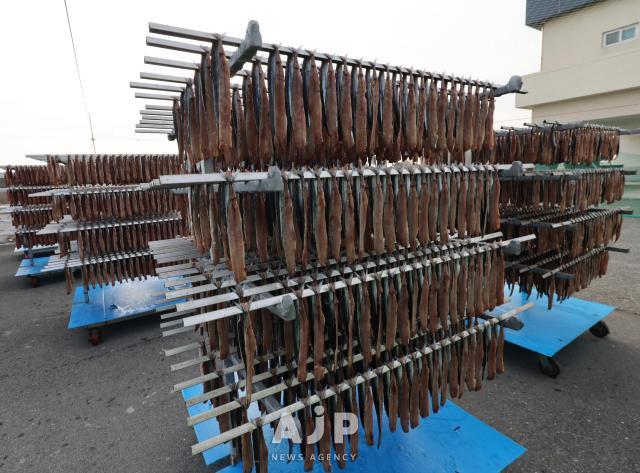
Gwamegi dates back to the Joseon Dynasty, when fishermen in Guryongpo began preserving the fish by hanging them to dry on wooden racks called "deokjang."
As time passed, saury gradually replaced herring as the preferred fish. The area's frigid coastal winds during the winter help remove fishy odors while intensifying the flavor. this traditional process has become a vital winter industry that supports the local economy.
As time passed, saury gradually replaced herring as the preferred fish. The area's frigid coastal winds during the winter help remove fishy odors while intensifying the flavor. this traditional process has become a vital winter industry that supports the local economy.
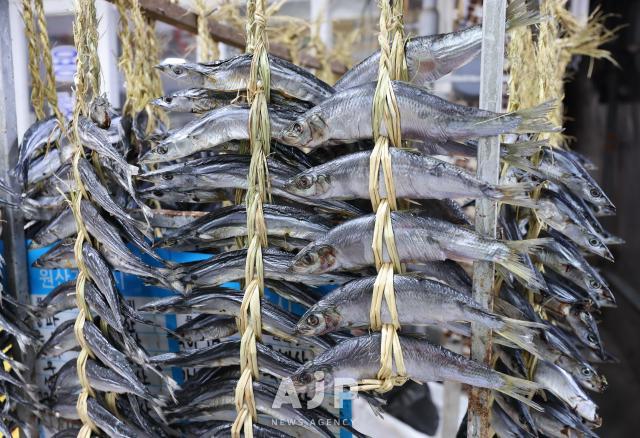
Dried saury turns a deep black, while herring develops a golden hue. Gwamegi is often enjoyed wrapped in fresh vegetables and paired with other seafood, offering a savory flavor.
With over 150 manufacturers producing more than 2,000 tons annually, Guryongpo now accounts for over 80 percent of the country's gwamegi supply.
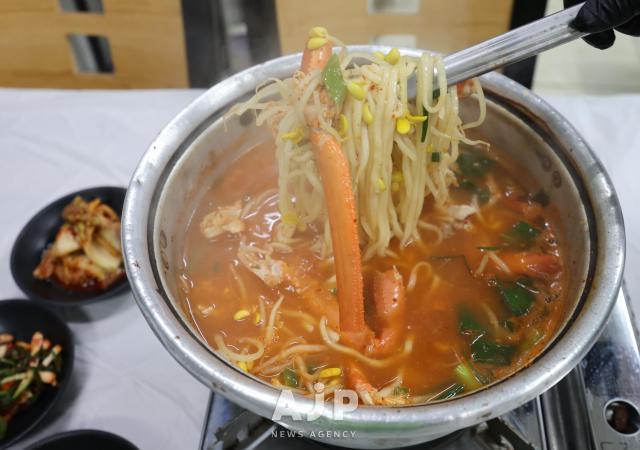
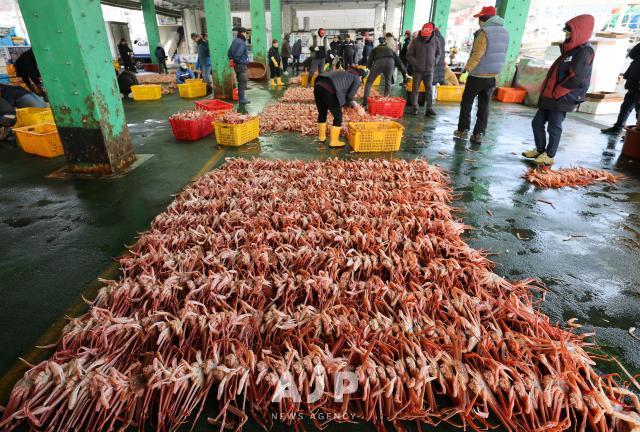
A visit to Pohang in the final month of the year, enjoying local delicacies and watching the sunrise at Homigot, would leave a lasting memory, making it the perfect blend of natural beauty and culinary heritage.
Copyright ⓒ Aju Press All rights reserved.