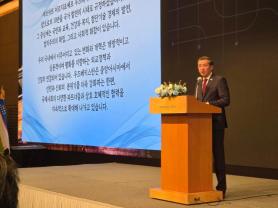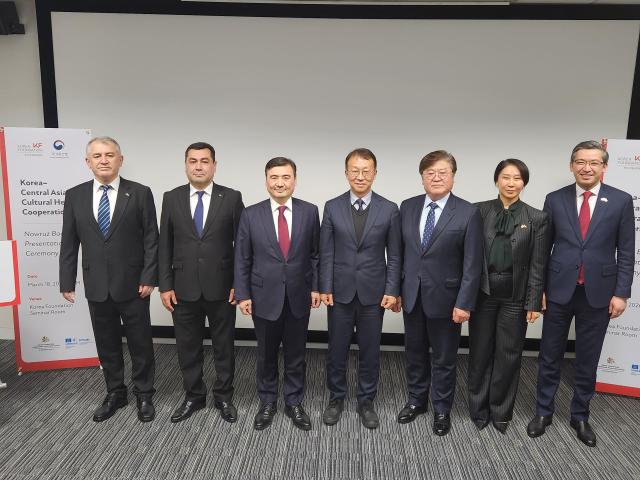
SEOUL, March 18 (AJP) - Diplomatic representatives and cultural officials gathered Wednesday at the Korea Foundation Seminar Room to inaugurate the Nowruz Book. The ceremony celebrated the shared heritage of Eurasia and brought together the Kazakhstan, Kyrgyzstan, Tajikistan, Turkmenistan, and Uzbekistan embassies. The International Information and Networking Centre for Intangible Cultural Heritage in the Asia-Pacific Region and the Central Asia-Korea Cooperation Forum Secretariat supported the initiative.
This effort aims to strengthen ties between South Korea and the five regional partners. This gathering serves as a critical precursor to the high-level South Korea-Central Asia Summit scheduled for September under the administration of Lee Jae Myung.
Nowruz represents a millennia-old tradition of renewal and community observed throughout the Silk Road. The newly presented publication explores the meaning of the festival as a symbol of friendship and shared identity between the peninsula and Central Asia.
International Information and Networking Centre for Intangible Cultural Heritage in the Asia-Pacific Region Strategic Development Office Director Kim Deok-soon noted that the holiday reflects a 6,000-year history of the "New Day" that transcends modern borders. The holiday remains a vital cultural bridge, particularly for diaspora communities residing throughout the region.
Korea Heritage Service Vice Administrator Choi Bo-geun highlighted historical ties by referencing the Afrosiyab murals in Samarkand. He noted that the depiction of Goguryeo envoys in these ancient works provides definitive evidence of early civilizational dialogue. The vice administrator emphasized that these historic connections form the basis for modern diplomatic and cultural partnerships.
The official characterized the research as a bridge between the ancient past and the upcoming strategic summit in September. This historical anchor supports current efforts to deepen regional collaboration across multiple sectors.
Central Asia-Korea Cooperation Forum Secretariat Executive Director Rhee Jong Kook described the institution as a unique framework for regional engagement. He stated that "the Secretariat is the first of its kind established to foster multidimensional cooperation in six priority areas".
The executive director explained that cultural initiatives like the Nowruz Book presentation provide the essential people-to-people foundation for diplomatic progress. Seoul will further this mission during the Central Asia Spring Festival at Seoul Plaza in May.
Kazakhstan Ambassador Nurgali Arystanov linked the celebration to the "Just Kazakhstan" and "New Kazakhstan" initiatives. He noted that these reforms focus on political modernization and social justice, gaining overwhelming support in the recent March 15 constitutional referendum.
The ambassador stated that "Celebrating Nowruz in Seoul is a testament to our blossoming partnership and shared vision for a prosperous Eurasia". He emphasized that cultural diplomacy remains a core pillar of the strategy employed by his nation.
Kyrgyzstan Ambassador Aida Ismailova defined the event as a period of "resurgence" for nature and the birth of new life. Tajikistan Ambassador Kirom Salohiddin Amriddinzoda highlighted the humanitarian aspects of the tradition, including the custom of visiting orphans and the elderly.
These remarks emphasized the alignment between regional values and the strategic partnership with Seoul. The ambassadors collectively positioned the publication as a spiritual bridge connecting the two regions.
Turkmenistan Ambassador Begench Durdyyev framed the event within the "Year of Independent Permanently Neutral Turkmenistan" while noting the significance of Akhal-Teke horse culture. Uzbekistan Ambassador Alisher Abdusalomov quoted the thinker Alisher Navoi, stating, "The one who sows seeds opens the path to sustenance".
The ambassador characterized the book as a significant milestone leading toward deeper regional integration ahead of the planned diplomatic engagements. Kim Deok-soon added that Central Asia and Eurasia account for more than 50 percent of all UNESCO joint intangible heritage inscriptions. The Nowruz Book will be distributed to academic and cultural institutions to facilitate further research into shared Eurasian history.
Copyright ⓒ Aju Press All rights reserved.