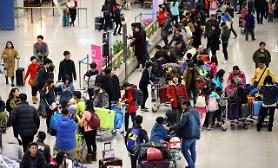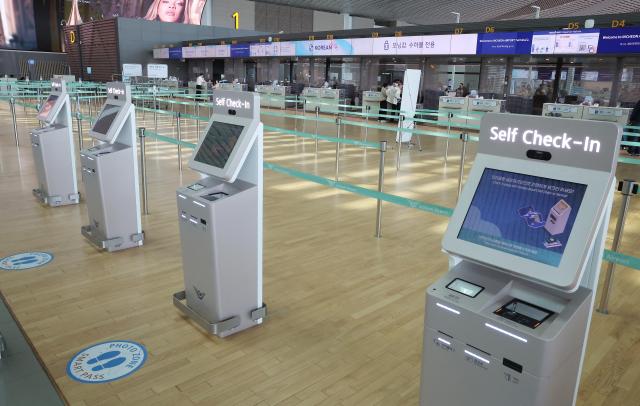
Tickets issued from May 1 are subject to the highest fuel surcharge level of 33, which applies when jet fuel prices exceed 470 cents per gallon, according to the airline industry.
The benchmark Singapore jet fuel price, known as MOPS, reached 511.21 cents per gallon, marking the first time the top level has been applied since the current system was introduced in 2016. The surcharge jumped 15 levels from April.
Fuel surcharges are additional fees airlines impose on top of fares to offset losses from rising oil prices. Airlines set their own surcharge amounts based on the monthly surcharge level.
Korean Air set its May international fuel surcharge at 150,000 won to 1.128 million won ($765) for round-trip tickets, depending on distance. For the longest routes, the surcharge is nearly five times higher than the 231,000 won charged in January and about double last month’s level.
Asiana Airlines will charge between 170,800 won and 952,400 won for round-trip international tickets. Jeju Air, the country’s largest low-cost carrier, will impose fuel surcharges of $52 to $126 for one-way tickets.
The sharp increase is expected to weigh heavily on consumers already facing higher travel costs. Airlines are also struggling to offset rising expenses through fuel surcharges alone, prompting some carriers to reduce flights.
Asiana Airlines had initially planned to cut eight flights on three international routes this month but later expanded the reduction to 13 flights. Jin Air, which suspended eight routes last month, will halt operations on 14 routes this month. Air Premia plans to cancel 22 flights in July.
Korean Air has not yet decided whether to suspend flights but is closely monitoring the situation, according to industry officials. In some countries, including Vietnam, airlines are reportedly facing difficulties securing jet fuel supplies.
“There are growing concerns that overseas travel demand, which had been recovering, could weaken again,” an airline industry official said.
The surge in international fuel surcharges is also shifting travel demand toward domestic destinations.
According to travel and accommodation platform Yeogi Eottae, overseas accommodation bookings from April 1 to 23 fell to 75 percent of the level recorded in February, before the Middle East war began. Domestic accommodation bookings, by contrast, rose to 107 percent of the February level.
The trend suggests that more travelers are turning to domestic trips as overseas travel becomes more expensive.
Domestic hotels and resorts are also seeing stronger demand. Hanwha Resorts said its average occupancy rate in April rose by 8 percentage points from a year earlier. Reservations for major locations, including Haeundae and Gyeongju, have already topped 80 percent this month, surpassing last year’s actual occupancy rates.

Copyright ⓒ Aju Press All rights reserved.