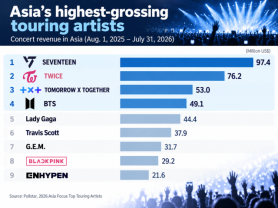
EXO, BTS, BIGBANG and BLACKPINK — each more than a decade into their careers — are lining up comebacks or group activities that point back to what made K-pop a global force in the first place: precision rhythm, unmistakable stage presence and intellectual property built to endure.
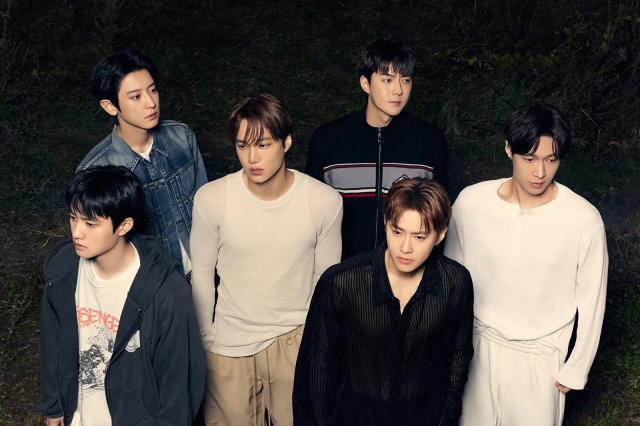
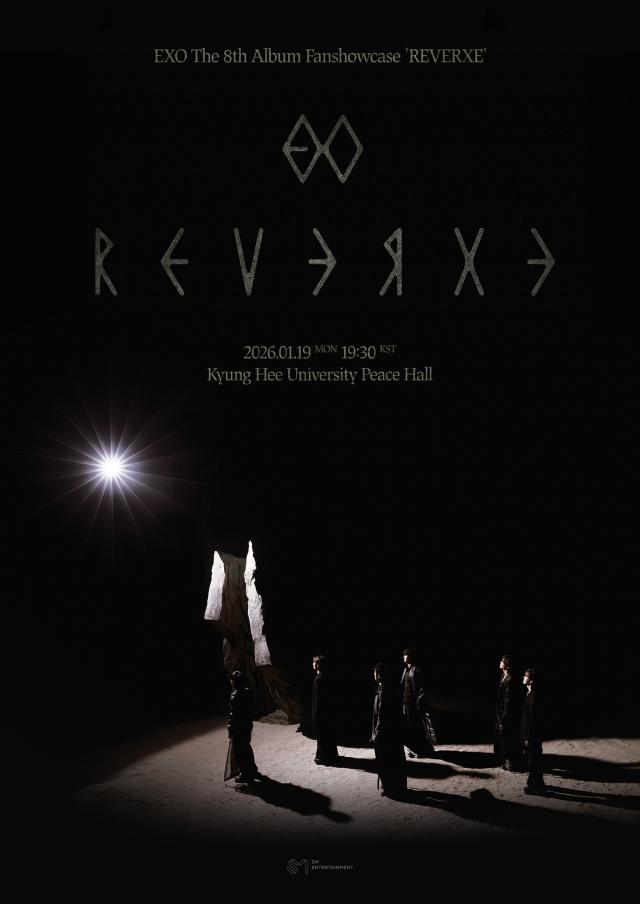
EXO opens the 2026 calendar with its eighth full-length album REVERXE, set for release on Jan. 19 — the group’s first full comeback in over two years. All nine tracks will drop simultaneously, followed by a showcase at Kyung Hee University’s Peace Hall in Seoul.
The return leans into EXO’s defining strength: scale. The pre-release track “Back It Up,” first unveiled at the MMA 2025 awards in December, arrived with a 40-dancer stage setup — a reminder of the group’s reputation for turning studio tracks into arena-ready spectacles.
Their MMA setlist — spanning “Monster,” “Growl,” “Love Shot” and “The Eve” — didn’t just energize longtime EXO-Ls. It sparked fresh interest among younger artists and new listeners, with clips circulating widely across social platforms. A decade on, EXO’s stage-first identity is still recruiting new fans.
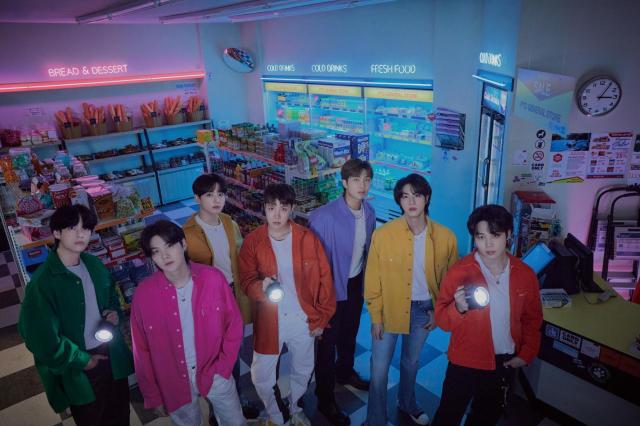
BTS returns as a complete seven-member group on March 20 with its fifth studio album, nearly four years after its last group release. The 14-track record is expected to reflect the musical evolution forged during an extended solo era.
The group’s staying power is already measurable. According to Melon, BTS’ 2017 track “Spring Day” has appeared on the platform’s annual chart for nine consecutive years — the longest run in its history and a rare marker of sustained listening demand.

Rather than diluting the brand, the hiatus expanded it. Solo albums and global tours pushed each member’s reach further, transforming BTS from a release-cycle-driven act into something closer to a long-term cultural franchise.

BIGBANG remains one of K-pop’s rarest forces — a group whose limited activity only amplifies its impact. While concrete release plans remain unconfirmed, the group is set to mark its 20th anniversary with a group activity in April, an appearance alone enough to reset expectations across the industry.
Following the release of “Still Life,” T.O.P formally stepped away, leaving G-Dragon, Taeyang and Daesung as the current lineup. With reports pointing to T.O.P’s solo return in 2026, fan speculation about future collaborations among the original members has resurfaced.

G-Dragon’s standing as a cross-generational icon remains unshaken. His third full-length solo album Übermensch capped a dominant awards season across South Korea and China, reaffirming both his artistic authority and commercial pull more than a decade into his career.
BLACKPINK continues to operate on a different plane entirely. Through blockbuster world tours and parallel solo careers, the group has shown that female acts can function as enduring global IPs with diversified revenue streams. A full-member comeback is confirmed for 2026, with album and tour details still under wraps — and anticipation already building.
Jennie reinforced her solo stature at the 40th Golden Disc Awards in 2026, taking both the Digital Song Main Prize and the Grand Prize (Record of the Year). In 2025, she also became the first K-pop soloist to receive the Global Force Award at Billboard Women in Music in the United States.
Rosé has posted her own run of milestones. Her collaboration with Bruno Mars, “APT.,” won Song of the Year at the 2025 MTV Video Music Awards, making her the first K-pop artist to claim a top-tier VMA category. Her solo album Rosie reached No. 3 on the Billboard 200 — the highest placement ever achieved by a female K-pop solo artist. "APT" is shortlisted for both the Song of the Year and Record of the Year at the upcoming Grammy Awards.

What unites these four acts is not nostalgia, but durability. Their catalogs, stagecraft and global fan bases arrive at a moment when K-pop faces criticism for creative stagnation and a shortage of true blockbuster hits.
The timing also carries financial weight. HYBE’s profitability dipped in 2025 amid heavy investment in new IPs and overseas restructuring, but analysts see a sharp rebound ahead.
“With BTS returning, HYBE’s earnings trajectory is expected to turn decisively upward in 2026,” said Jang Ji-hye, an analyst at DS Investment & Securities.
Add growing speculation about a reopening of China’s concert market, and veteran acts with proven touring power may be uniquely positioned to benefit.
In 2026, K-pop’s legacy names aren’t chasing trends — they’re reminding the industry where the standard was set.

Copyright ⓒ Aju Press All rights reserved.