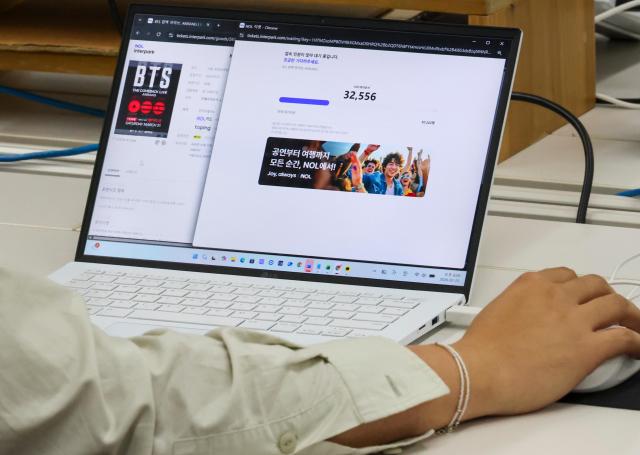
Laptop screens were lined up like starting blocks. Smartphones lay face-up beside keyboards, refresh buttons ready. Some reporters counted under their breath. Others stared silently, afraid even to blink.
At exactly 8 p.m., everyone clicked.
For half a second, nothing happened. Then the screen flickered.
45,908 ahead of you.”
“98,991 waiting.”
The numbers appeared without warning, floating in a gray queue window that instantly turned hope into calculation. This was the line for free tickets to BTS’s comeback concert at Gwanghwamun Square — and this was only the local queue. A separate booking section existed for overseas users.
Fifteen thousand tickets. Tens of thousands of applicants. And no clear way to know where anyone really stood.
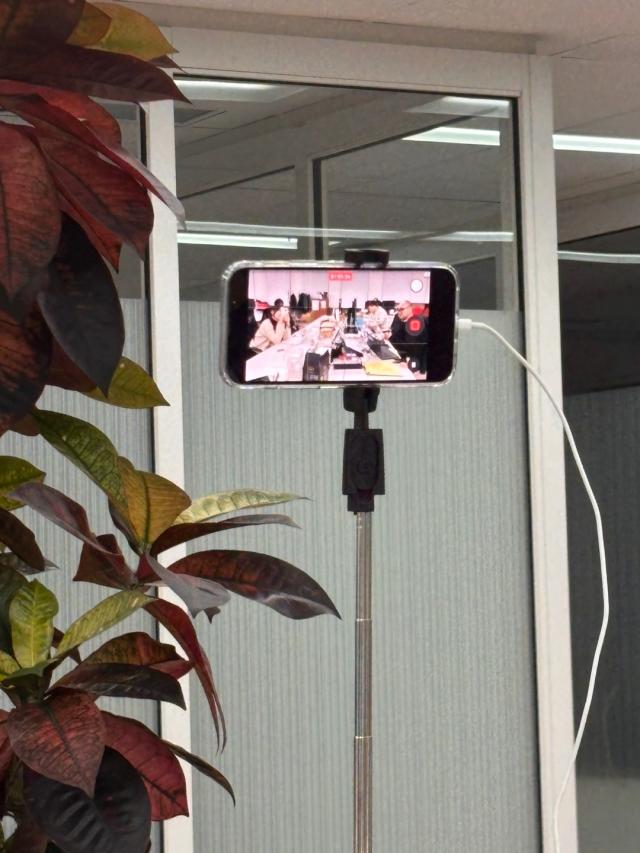
Within seconds, the newsroom fell silent.
Everyone was watching the same thing: a slowly ticking queue on NOL Ticket.
Some reporters refreshed compulsively, only to be thrown back to the end. Others refused to touch their mouse, afraid a single mistake would erase their place.
“My number dropped by 200, then froze.”
“Mine went backward.” “I’m still at sixty thousand.”
Whispers spread from desk to desk, half complaint, half disbelief.
The system separated domestic and overseas users, and booking sections differed by seat type. No one knew how many tickets remained. The interface offered no clues — only shrinking numbers and spinning icons.
Each refresh felt like a gamble. By 8:05 p.m., tension had settled over the office like humidity.
A close call
Suddenly, a sharp squeal broke the silence. “She got in!”
One reporter had reached the payment page. Relief rippled across nearby desks. Then came the groan.
She had clicked the wrong button while paying the transaction fee. The window refreshed. The screen returned to the beginning.
Twenty-five minutes in, the system showed that 98 percent of tickets were already gone. One screen displayed a remaining waiting number of 7,300. Hope was thinning.
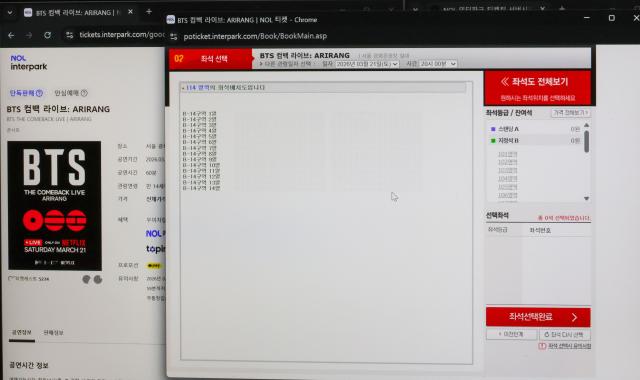
By 8:40 p.m., two more reporters made it through. But the real battle had only begun.
Frantic finger work followed. Finding an empty seat required relentless tapping, beating, and refreshing. The search felt endless. If a seat was not secured and paid for within minutes, it vanished. Groans and nervous laughter spread as clicking slowed and screens froze.
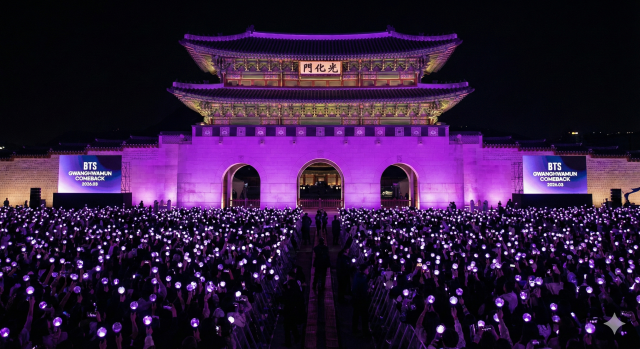
The March 21 Gwanghwamun concert marks BTS’s first full-group comeback stage in three years and nine months, tied to the release of their fifth studio album, “ARIRANG,” on March 20.
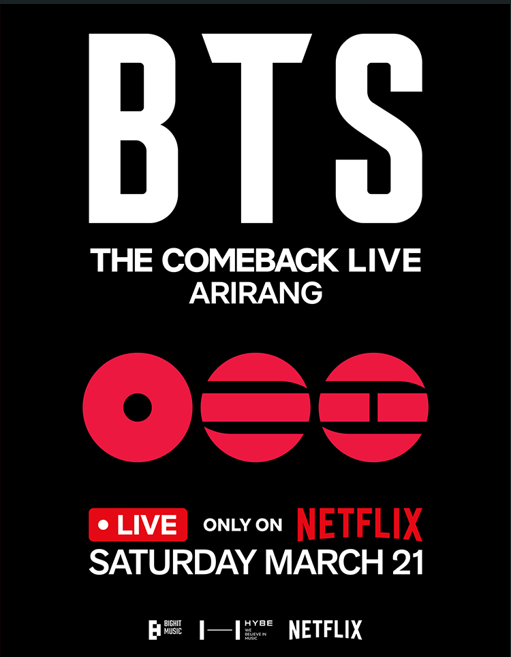
Instead of launching with a traditional paid tour, the group opted for a fan-first model: a free outdoor show in central Seoul, a live global stream on Netflix, cinema broadcasts in more than 75 countries, and domestic screenings via CGV, Lotte Cinema, and Megabox.
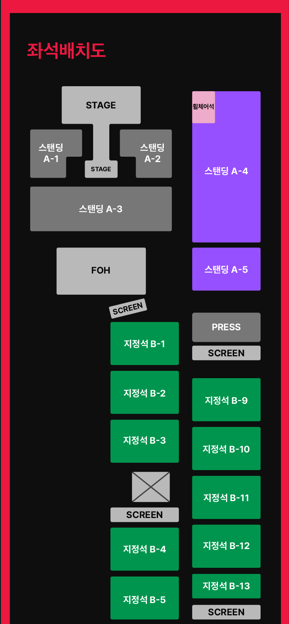
Those who made it through the queue were competing for more than a ticket. The available sections included standing areas near the main stage and reserved seats stretching toward Admiral Yi Sun-sin’s statue, with Gyeongbokgung Palace as a backdrop.
Some seats had restricted views. Others required watching through giant LED screens. Each person could book only one ticket and pay a service fee.
None of that mattered. In the waiting room, every option felt like a privilege.
By 9 p.m., browsers were slowly closing.
There was no bitterness — only fatigue and a sense of shared ordeal.
The experience itself became part of the story.
For nearly an hour, reporters were no longer observers but participants in the same digital crowd as millions of fans — refreshing, waiting, hoping.
In those moments, journalism and fandom briefly overlapped.
The Gwanghwamun concert is only the beginning.
BTS will follow with cinema broadcasts in April and then launch their largest-ever world tour, spanning 82 shows in 34 cities. Seoul will also host the “BTS THE CITY ARIRANG SEOUL” project, turning parts of the capital into a pop-up festival.
But for many at AJP, the most vivid memory will remain Feb. 23 at 8 p.m.
A blinking cursor. A five-digit number.
Oh, well, there's always Netflix.
Copyright ⓒ Aju Press All rights reserved.