

With BTS set to return in March, anticipation is rising again worldwide. News of the comeback and plans for a world tour, shared through “Arirang,” is drawing immediate attention beyond music, with ripple effects expected across tourism and broader economies. BTS is seen as both a force that can affect the global economy and a symbolic name that elevates South Korea’s image. Ahead of the comeback, this outlet is publishing a “BTS Member Profile” series, taking a closer look at each of the group’s seven members in turn. <Editor’s note>
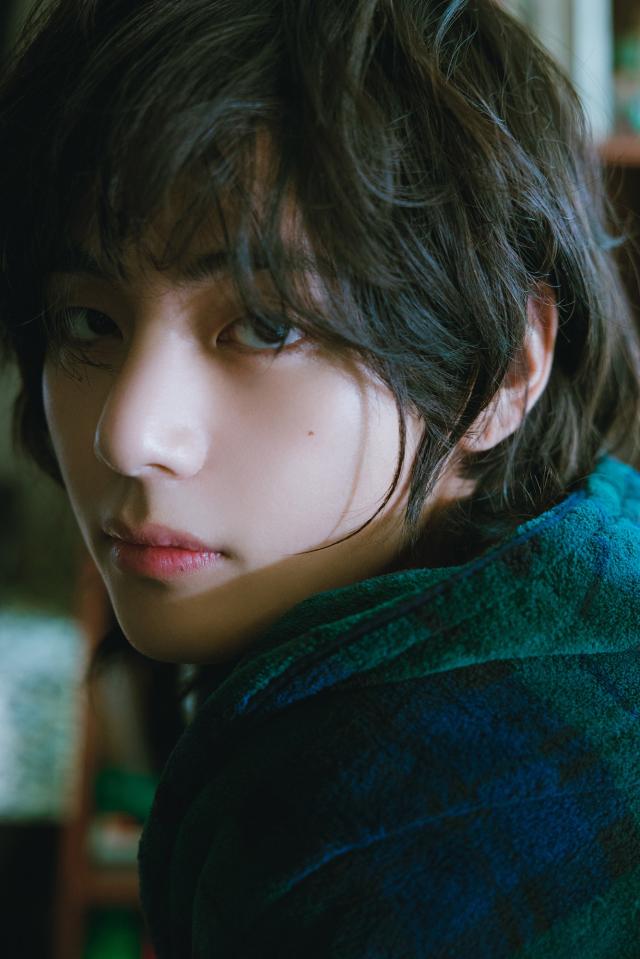
BTS’ V is a name that operates both inside and outside music. Within the group, he stands out for a distinct vocal color. In broader pop culture, however, the power that defines him is often closer to “image.” Across fashion, beauty, social media photos, exhibitions and other records, V is consumed not only as a person but as a mood. Commentators often say the atmosphere of a scene changes the moment he appears.
In fashion and beauty, V established himself early as an icon. From stage styling to everyday outfits, what he chooses quickly becomes a talking point and is reproduced as a reference. Rather than relying on flashy embellishment or exaggerated staging, he has stuck to tones and textures that suit him — an approach summed up in the phrase “a V-like image.” By using his own taste as the standard instead of following a specific trend, he has been positioned less as a consumer of trends than as a producer of them.
That image-making has expanded alongside his music. His first solo album, “Layover,” pushed “simplicity” as a consistent keyword not only in sound but across its visual concept. The tracks, including the title song “Slow Dancing,” emphasized mood and texture over showy devices. The five music videos were also built to focus on V’s face and voice without heavy explanation — a project designed so music and image shared a single tone.
V’s influence has also continued through photography and documentation. His photobook “TYPE 非” focused on “non-fixedness,” crossing boundaries of form and genre rather than leaning on a staged concept. By taking part from the planning stage through the shoot and deciding how he wanted to be recorded, the work aimed to show the posture of “artist V,” not simply deliver a glossy photo collection. A related project that expanded into an exhibition also sought to turn the act of consuming images into an experience.
His acting experience is another strand in that image narrative. His appearance in the 2016 drama “Hwarang” served as a moment when he stood before the public not only as an idol member but as a character. While his path afterward leaned more toward music and image-based work than full-scale acting, that single experience became a starting point for audiences to picture both “V on stage” and “V in a scene.”
His starting point, however, remains music. His husky mid-to-low register and soulful tone create a clear color within BTS’ vocal line. Yet the core of how V is described now goes beyond a vocal position. The article argues he has largely designed for himself how he will be remembered — treating the way he is seen, from fashion and photography to music, documentation and his offstage posture, as part of the work itself.
As BTS’ next chapter approaches, the question is what face V will present this time. What is clear, the article says, is that he can no longer be explained by a single genre or position. In an era when image becomes influence, the name V is functioning as a cultural signifier.
* This article has been translated by AI.
Copyright ⓒ Aju Press All rights reserved.